The Colosseum and the Arch of Constantine
Destination Description
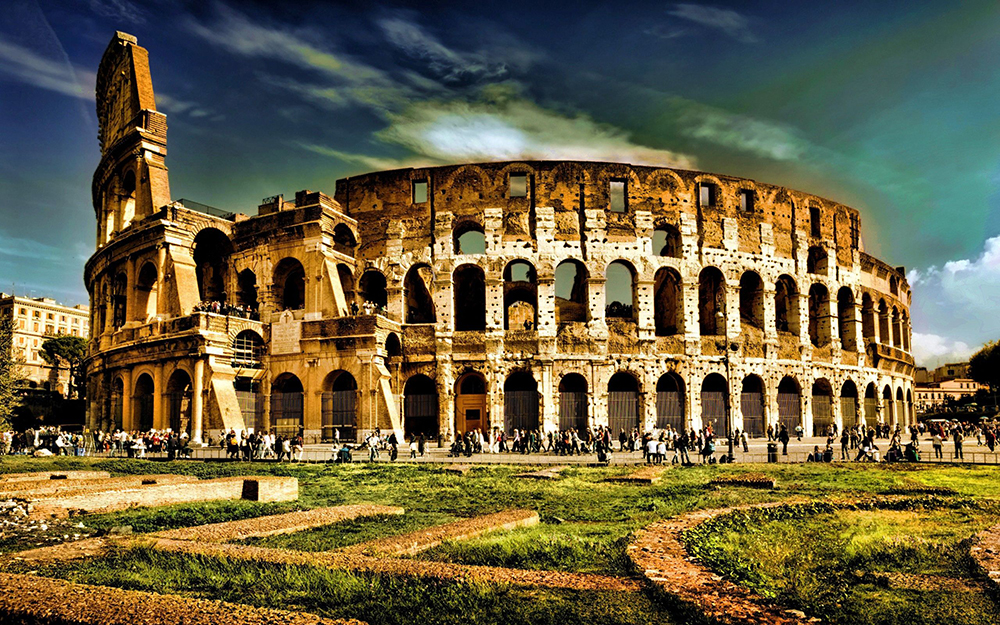
The largest structure left to us by Roman antiquity, the Colosseum still provides the model for sports arenas – present day football stadium design is clearly based on this oval Roman plan.
Standing side by side in the heart of Rome, the Colosseum and the Arch of Constantine are two of the most enduring symbols of the ancient world. Together, they tell the story of Rome’s glory, strength, and artistic brilliance.
The Colosseum: Rome’s Grand Amphitheater
Built between 70 and 80 AD under the emperors Vespasian and Titus, the Colosseum (Flavian Amphitheatre) was the largest arena ever constructed in the Roman Empire. It could hold up to 50,000 spectators, who gathered to watch thrilling gladiator combats, animal hunts, and grand public spectacles.
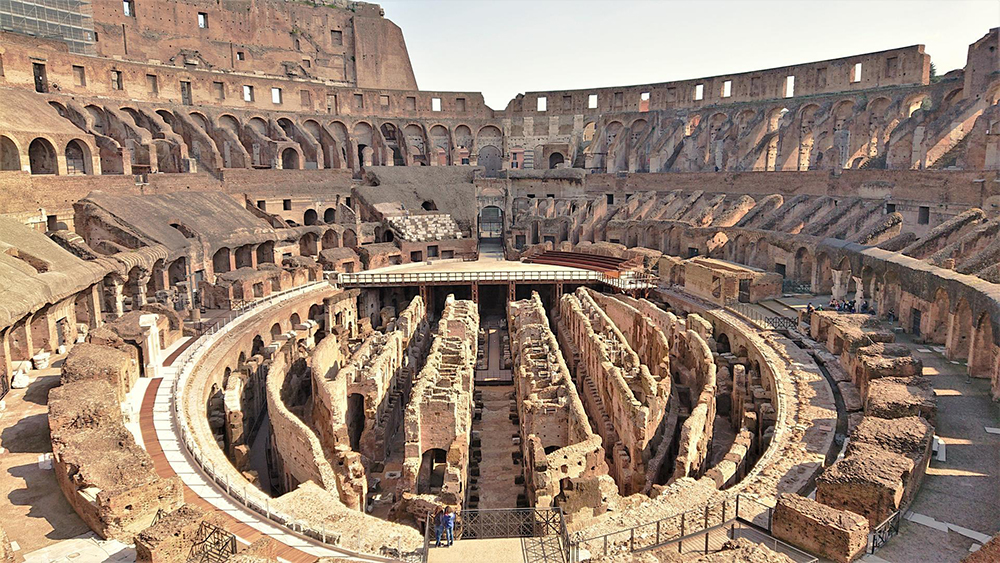
The structure, made of travertine limestone and concrete, stands as a testament to Roman engineering genius. Even after nearly two millennia, its grandeur remains awe-inspiring. Visitors today can explore multiple levels of the arena, including the underground passages where gladiators and wild animals once prepared for battle.
Walking through the Colosseum, it’s easy to imagine the roar of the crowds, the clash of swords, and the sense of spectacle that once defined Roman entertainment.
The Arch of Constantine: A Monument to Victory
Just a few steps from the Colosseum stands the Arch of Constantine, one of the best-preserved triumphal arches in Rome. Erected in 315 AD, it commemorates Emperor Constantine’s victory over Maxentius at the Battle of the Milvian Bridge in 312 AD — a turning point that led to Constantine becoming the sole ruler of the Roman Empire.
The arch is a masterpiece of Roman art and political propaganda, combining reused reliefs from earlier emperors with newly carved scenes celebrating Constantine’s triumph. The intricate sculptures depict military processions, sacrifices, and scenes of victory, blending both pagan and early Christian symbolism.
Standing beneath the arch, with the Colosseum rising behind it, visitors can feel the powerful connection between Rome’s imperial past and its enduring legacy.
Must-See & Must-Do
How to Visit
Both the Colosseum and the Arch of Constantine are located in Piazza del Colosseo, easily accessible from anywhere in Rome.
-By Metro: Take Line B to Colosseo Station. The monuments are right outside the exit.
-By Bus: Buses 75, 81, and 175 stop nearby.
-On Foot: A short walk from the Roman Forum and Palatine Hill.
The Colosseum, Roman Forum, and Palatine Hill share a combined ticket, valid for 24 hours, allowing you to explore all three archaeological sites. The Arch of Constantine, being an open monument, can be viewed freely at any time.
Best Time to Visit
The best times to visit are early morning or late afternoon, when the lighting is ideal for photography and the crowds are lighter.
Spring (April–June) and autumn (September–October) offer the most pleasant weather.
If you want a truly special experience, consider joining a night tour of the Colosseum, where you can explore the arena and underground chambers under atmospheric lighting.
Nearby Attractions
These two landmarks are surrounded by many of Rome’s most famous sites.
-The Roman Forum: Once the center of Roman political and social life.
-Palatine Hill: The legendary birthplace of Rome and home to imperial palaces.
-Piazza Venezia: Featuring the massive Altare della Patria monument.
-San Clemente Basilica: A hidden gem built on layers of ancient history.
Where to Stay?
Staying near the Colosseum allows you to enjoy breathtaking views and easy access to historic landmarks.
-Luxury: Hotel Palazzo Manfredi – Offers stunning views of the Colosseum from its rooftop restaurant.
-Mid-Range: Nerva Boutique Hotel – Elegant and cozy, close to both the Forum and the Colosseum.
-Budget: The Yellow Hostel – Affordable and lively, just a few Metro stops away.
Where to Eat and Drink?
After exploring Rome’s ancient wonders, enjoy authentic Italian cuisine nearby.
-Ristorante Aroma: Michelin-starred dining with a direct view of the Colosseum.
-Pizzeria Li Rioni: Local favorite for wood-fired pizza just behind the Colosseum.
-Caffè Roma: Great for a quick espresso or gelato break.
-La Taverna dei Fori Imperiali: Family-run trattoria offering traditional Roman dishes.
Travel Tips
Book Tickets Online: Skip the lines and choose timed entry to avoid crowds.
-Wear Comfortable Shoes: Expect plenty of walking and uneven terrain.
-Bring Water: There’s limited shade, especially in summer.
-Photography Tip: Sunset offers the best golden light on the Colosseum and Arch.
Similar Listing
Pont des Arts, Paris

Observatory of Strasbourg
Discovering Teatro alla Scala
Cimitero Monumentale di Milano
Galleria degli Uffizi, Florence
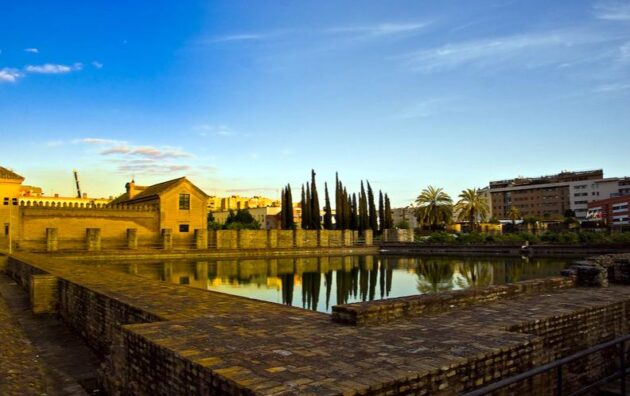
Buhiara Gardens, Seville

Albayzín, Granada
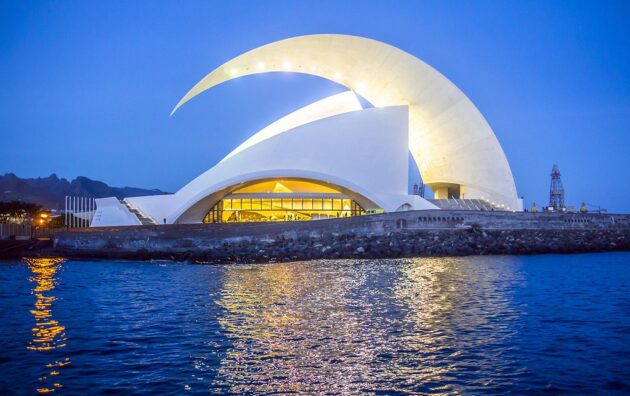
Auditorio de Tenerife

Hamamönü, Ankara