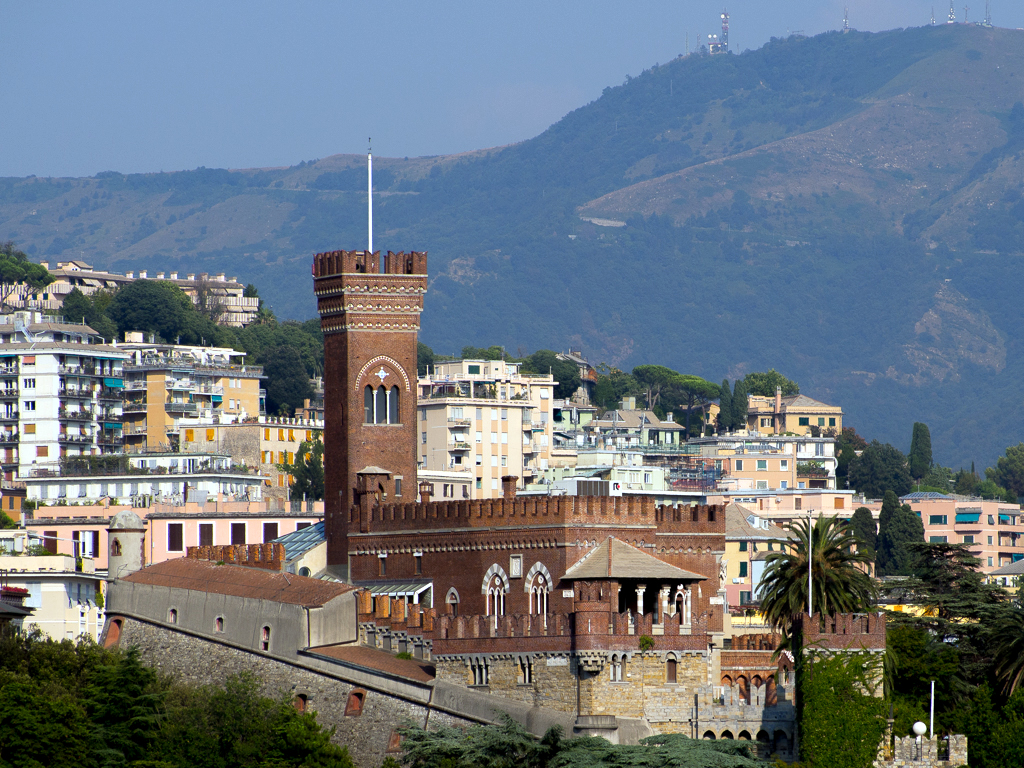
D’Albertis Castle, Genoa
Destination Description
Perched on a hill overlooking the port of Genoa, D’Albertis Castle (Castello D’Albertis) is one of the city’s most fascinating and underrated attractions. It’s not just a castle — it’s a world of adventure, culture, and imagination. Built in the late 19th century by Captain Enrico Alberto D’Albertis, an explorer, sailor, and anthropologist, the castle today serves as a museum dedicated to his life’s journeys and the many cultures he encountered.
With its romantic neo-Gothic architecture, panoramic views, and eclectic interior, D’Albertis Castle perfectly captures the adventurous spirit of its founder — making it a must-see for anyone visiting Genoa.
History and Architecture of D’Albertis Castle
Captain Enrico Alberto D’Albertis (1846–1932) was a true man of adventure. A descendant of Genoese nobility, he dedicated his life to travel and exploration, sailing around the world, studying ancient navigation techniques, and collecting artifacts from diverse cultures.
Between 1886 and 1892, he built his dream home on the remains of the Bastion of Montegalletto, a former 16th-century fortification overlooking the city. The result was an extraordinary neo-Gothic castle, inspired by medieval architecture but filled with personal treasures, nautical instruments, ethnographic collections, and exotic art from Africa, Asia, and the Americas.
After his death, D’Albertis donated the castle and its contents to the city of Genoa, transforming it into a museum that continues to celebrate exploration, cross-cultural exchange, and curiosity.
Inside the Castle: A Museum of Global Cultures
Visiting Castello D’Albertis Museo delle Culture del Mondo (Museum of World Cultures) feels like stepping into the home of an eccentric adventurer. Every room reflects Captain D’Albertis’s passion for discovery and his encounters with distant civilizations.
You’ll find collections of tribal art, indigenous weapons, masks, textiles, and navigation instruments from voyages across the globe — all displayed in vibrant, thematic rooms. The museum also explores the connections between cultures, colonial history, and the meaning of travel in the modern world.
Highlights include:
-The Navigation Room, featuring ancient maritime tools and globes.
-The African and Oceanic Rooms, showcasing tribal art and ceremonial masks.
-The Oriental Room, filled with delicate artifacts from Asia.
-The Private Quarters of D’Albertis, preserved as they were, offering a glimpse into his adventurous life.
-Interactive exhibits and multimedia displays make the experience engaging for both adults and children.
Must-See & Must-Do
Visiting Information
Address: Corso Dogali 18, Genoa, Italy
Opening Hours:
Tuesday to Friday: 10:00 AM – 6:00 PM
Saturday and Sunday: 10:00 AM – 7:00 PM
Closed on Mondays
Tickets:
Adults: €6
Reduced: €4.50 (students, seniors, groups)
Free entry for children under 18
Combined tickets available for Genoa’s civic museums.
Official Website: museidigenova.it
How to Get There
D’Albertis Castle sits above the Principe district, not far from Genoa Piazza Principe Railway Station. Despite its elevated position, reaching it is easy and fun thanks to Genoa’s unique transportation system.
-By Metro/Train: Get off at Piazza Principe Station; from there, take the Montegalletto elevator, which travels both horizontally and vertically, directly to the castle area.
-By Bus: Lines 32 and 34 stop nearby.
-On Foot: A 15-minute uphill walk from the train station (recommended only if you enjoy a good climb and scenic views).
-The journey itself is part of the adventure — as you ascend, Genoa’s rooftops and the Ligurian Sea unfold beneath you.
Best Time to Visit
-The castle is enjoyable year-round, but the best time to visit is from April to June and September to October, when the weather is mild and the surrounding gardens are in full bloom.
-Visiting in the late afternoon rewards you with spectacular sunset views over the harbor — one of the most romantic scenes in Genoa.
Nearby Attractions
D’Albertis Castle is perfectly situated near several of Genoa’s top attractions, making it easy to include in a half-day itinerary.
-Genoa Aquarium (Acquario di Genova): One of Europe’s largest, located in the Old Port.
-Galata Maritime Museum: Tells the story of Genoa’s seafaring past.
-Via Garibaldi and Palazzi dei Rolli: Elegant Renaissance palaces, UNESCO-listed.
-Castelletto Viewpoint: Offers panoramic city views, perfect for photos.
-Old Town (Centro Storico): A maze of narrow alleys filled with shops, bars, and history.
Where to Eat Nearby?
After exploring the castle and museum, head downhill toward Principe or Porto Antico for a great selection of restaurants and cafes.
-Trattoria dell’Acciughetta: Local favorite near Piazza Principe serving Ligurian seafood with a modern twist.
-Pizzeria 23 Febbraio: Cozy spot with authentic Italian pizza.
-Bar Cavo: Perfect for espresso or a light snack before catching your train.
-Osteria Carabàs: Traditional Genovese dishes and local wines in a rustic atmosphere.
Where to Stay?
If you’d like to stay nearby, the Principe area offers convenient options for all budgets.
-Luxury: Grand Hotel Savoia – Elegant 5-star hotel steps from the station, with a rooftop terrace overlooking the harbor.
-Mid-Range: Hotel Continental – Beautifully renovated Art Nouveau building with modern amenities.
-Budget: Hotel Vittoria & Orlandini – Comfortable, affordable, and walking distance to D’Albertis Castle.
Travel Tips for Visitors
Bring your camera — the views from the castle terraces are among Genoa’s best.
-The Montegalletto elevator is an experience in itself — don’t miss it!
-Allow 1–2 hours for the museum visit.
-Visit early in the day or before sunset for the best lighting and fewer crowds.
-Check for temporary exhibitions or events — the castle often hosts concerts, workshops, and cultural festivals.
Similar Listing
Eiffel Tower, Paris
Avenue des Champs-Élysées, Paris
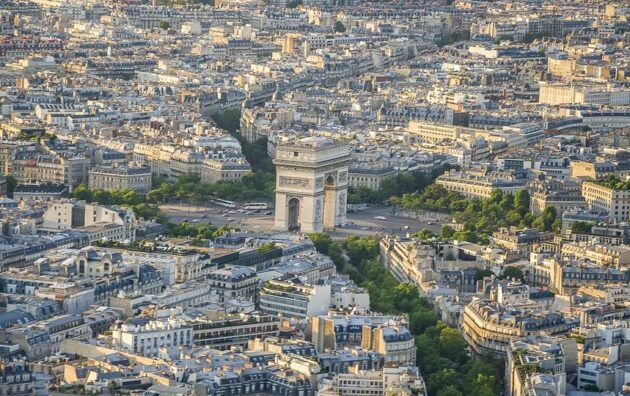
Arc de Triomphe, Paris
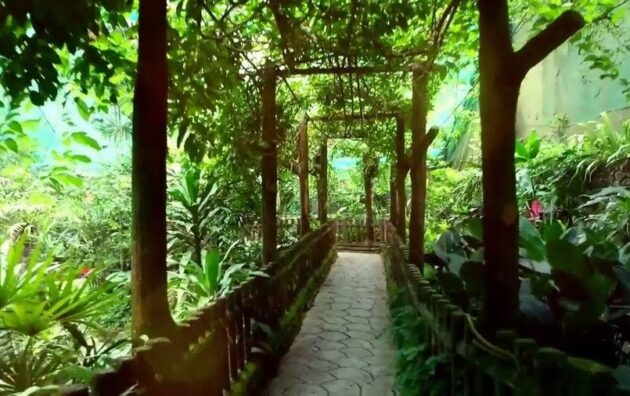
Kuala Lumpur Butterfly Park
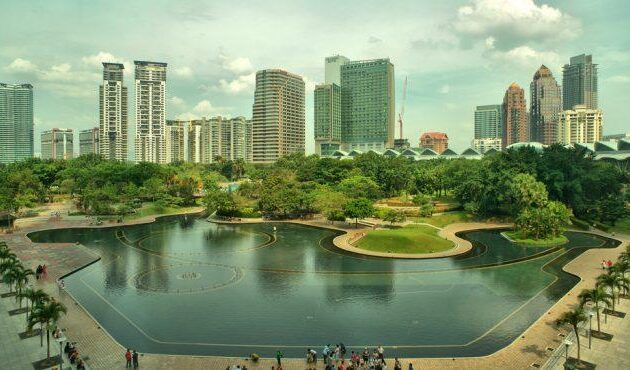
KLCC Park, Kuala Lumpur

National Museum, Kuala Lumpur
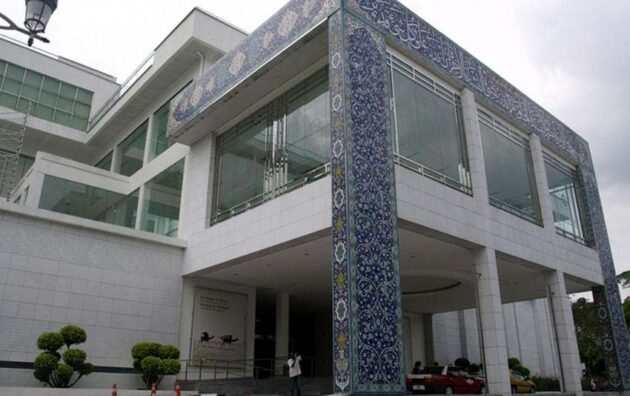
Islamic Arts Museum Malaysia
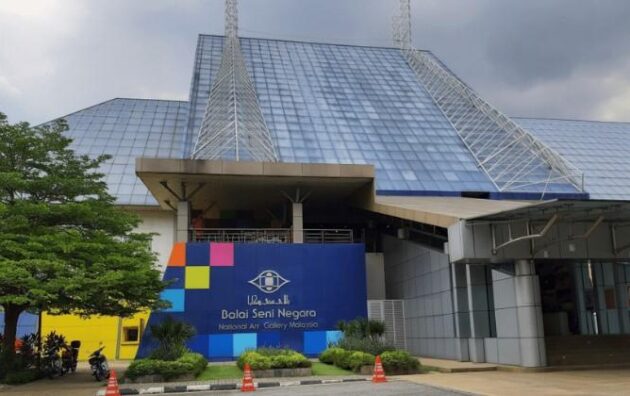
National Visual Arts Gallery, Kuala Lumpur
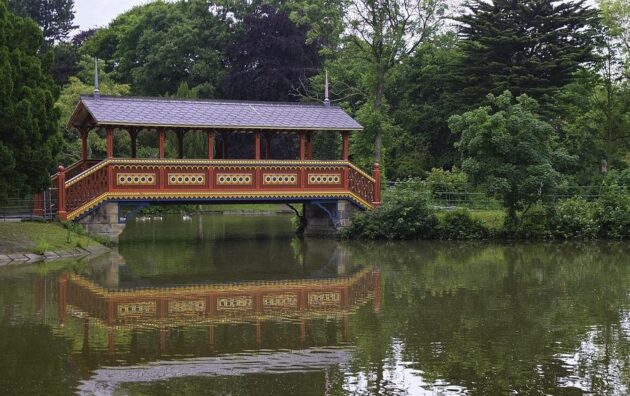
Birkenhead Park, Liverpool
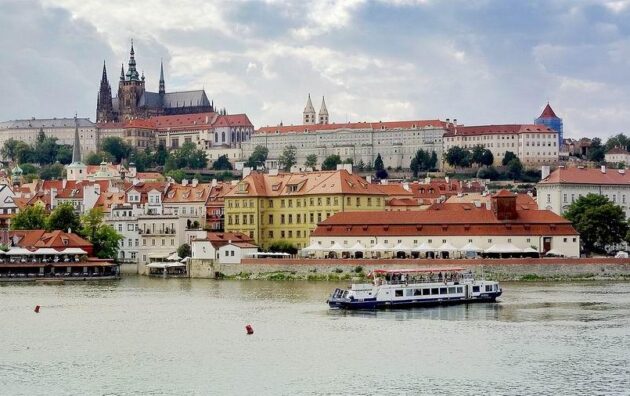
Prague Castle

Museum of Decorative Arts in Prague
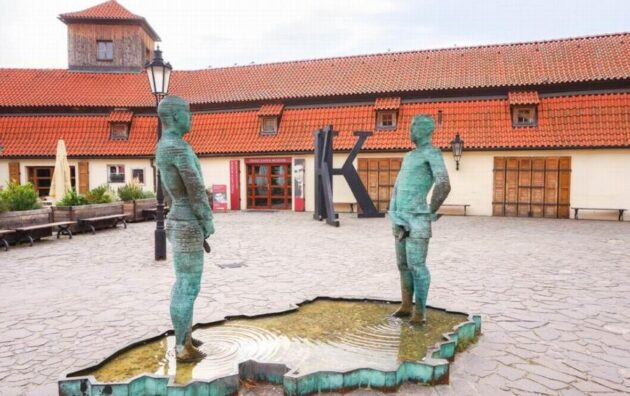
Franz Kafka Museum, Prague
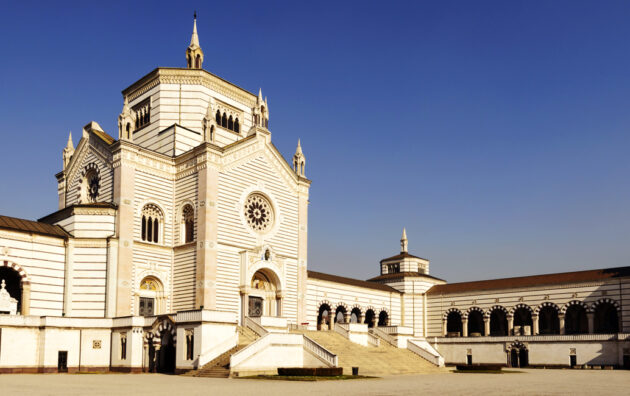
Cimitero Monumentale di Milano
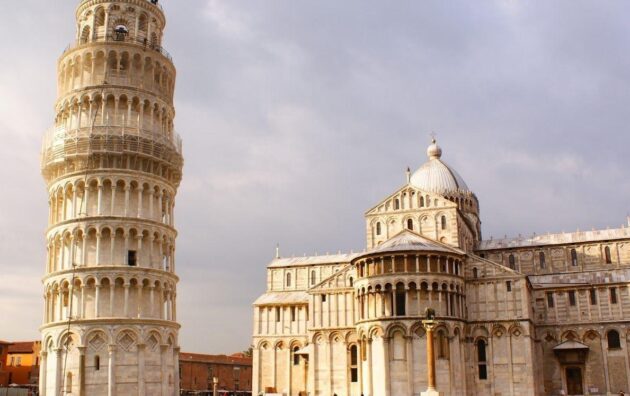
Pisa City and the Leaning Tower
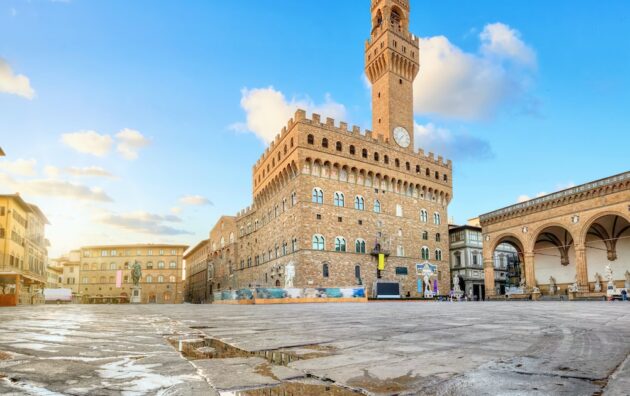
Palazzo Vecchio, Florence
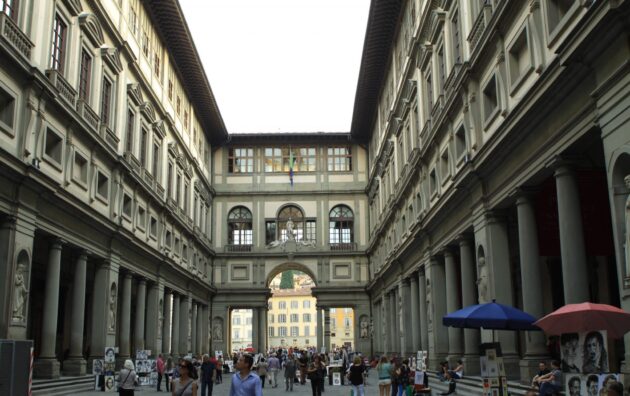
Galleria degli Uffizi, Florence
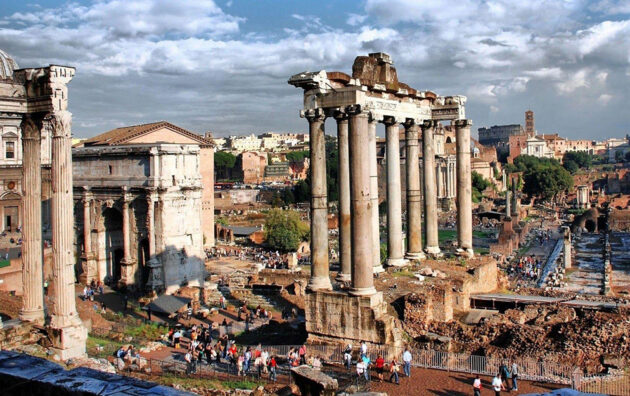
Exploring the Roman Forum
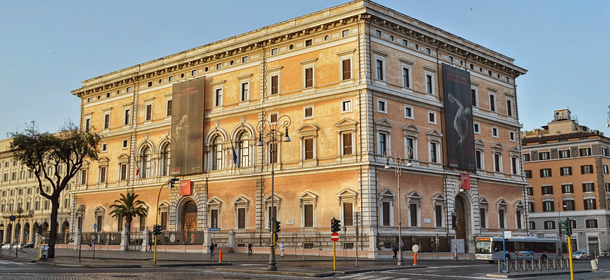
Exploring the National Roman Museum in Rome
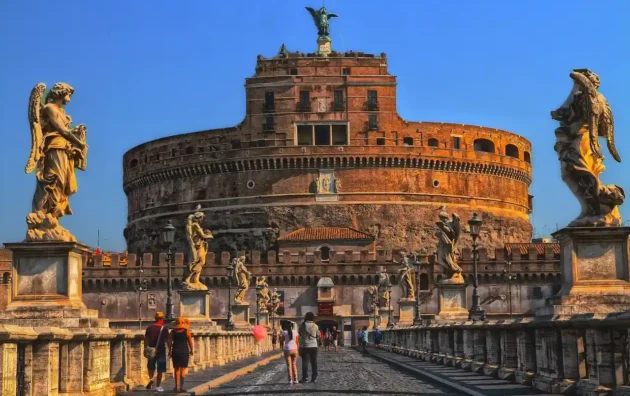
Discover Castel Sant’Angelo