Pisa City and the Leaning Tower
Destination Description
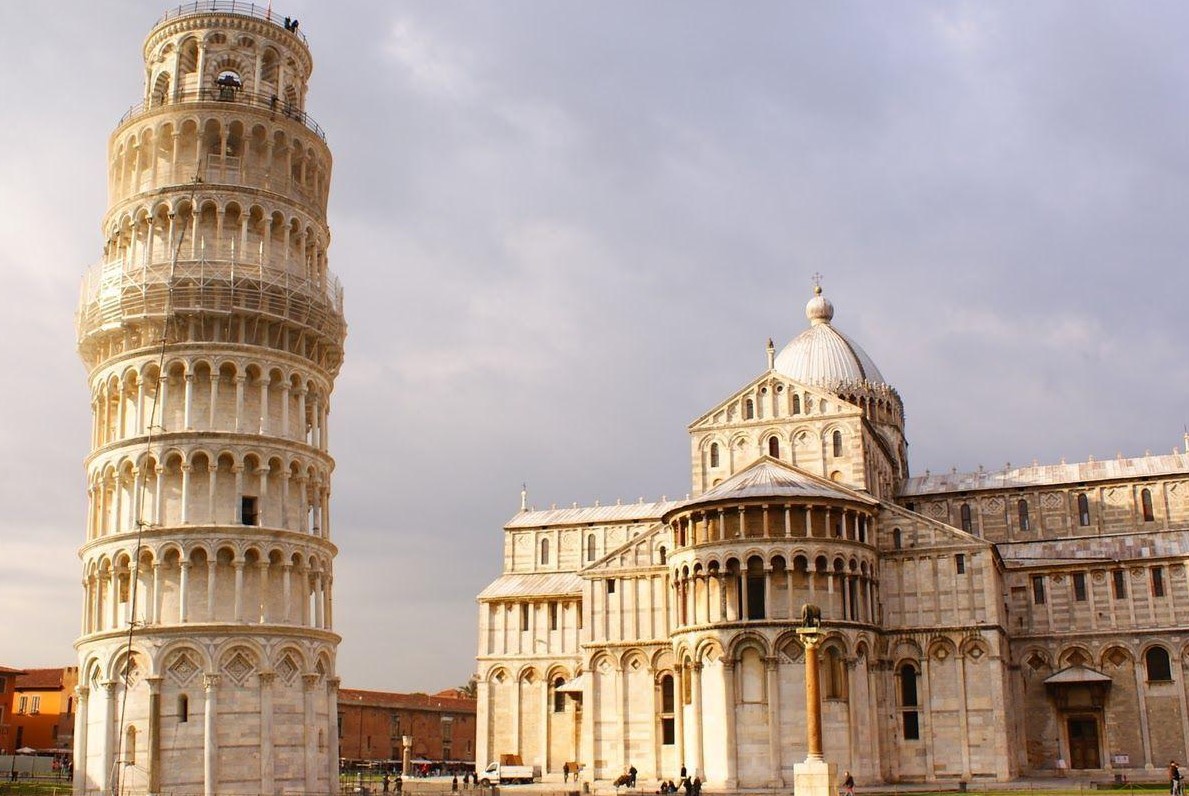
Few landmarks are as instantly recognizable as the Leaning Tower of Pisa — a structure that seems to defy gravity and time.
Nestled along the Arno River in western Tuscany, Pisa was once one of Italy’s most powerful maritime republics. Today, it attracts travelers from around the world who come to marvel at its architectural beauty, explore its charming streets, and enjoy the relaxed atmosphere of an authentic Italian town.
A Brief History of Pisa
Pisa’s history stretches back to Etruscan and Roman times, but its golden age came during the 11th to 13th centuries, when it became a major maritime power rivaling Venice and Genoa. The city’s wealth from trade and naval dominance led to the construction of grand churches, palaces, and monuments — including the world-renowned Piazza dei Miracoli (Square of Miracles).
The most famous of these monuments, the Leaning Tower of Pisa, began construction in 1173 as the bell tower of the Cathedral of Santa Maria Assunta. Due to soft ground and inadequate foundations, it began to tilt even before completion. Engineers and architects spent centuries stabilizing the tower, and today, it leans at a safe and iconic 3.97 degrees — attracting millions of visitors each year.
The Leaning Tower of Pisa: An Architectural Wonder
The Leaning Tower (Torre Pendente di Pisa) stands 56 meters tall and is one of the most photographed monuments in the world.
Architectural Style: Romanesque, with beautiful marble arcades and detailed carvings.
Height: 56 meters (183 feet)
Weight: Approximately 14,500 tons
Tilt: Currently 3.97 degrees after stabilization work
You can climb the 294 steps to the top for a breathtaking panoramic view of Pisa and the surrounding Tuscan countryside. The tower’s interior spirals upward with a unique, slightly uneven sensation due to its tilt — an unforgettable experience.
Piazza dei Miracoli: The Square of Miracles
The Leaning Tower is just one part of Pisa’s magnificent Piazza dei Miracoli, a UNESCO World Heritage Site. This stunning complex of white marble monuments is often described as one of the most beautiful squares in the world.
Cathedral of Santa Maria Assunta (Duomo):
A masterpiece of Romanesque architecture, featuring bronze doors, marble mosaics, and Giovanni Pisano’s stunning pulpit.
Baptistery of San Giovanni:
The largest baptistery in Italy, famous for its acoustics and blend of Gothic and Romanesque styles.
Camposanto Monumentale (Monumental Cemetery):
A peaceful cloister filled with medieval frescoes and marble tombs.
Together, these monuments embody the wealth, faith, and artistic vision of medieval Pisa.
Pisa City, Leaning Tower of Pisa, things to do in Pisa, Piazza dei Miracoli, Pisa travel guide, Tuscany attractions, best time to visit Pisa, how to get to Pisa, Pisa restaurants, Pisa hotels
Must-See & Must-Do
How to Get to Pisa
Pisa is one of the most accessible cities in Tuscany, making it an ideal destination for both short visits and extended stays.
-By Air:
Fly into Pisa International Airport (Galileo Galilei Airport – PSA), located just 2 km from the city center. It’s served by major European airlines and low-cost carriers.
-By Train:
Frequent trains connect Pisa Centrale station with Florence (1 hour), Lucca (30 minutes), Rome (3 hours), and Genoa (2 hours).
-By Car:
Pisa is connected via the A11 and A12 motorways. However, parking near the Leaning Tower is limited — it’s best to use park-and-ride areas or walk from central hotels.
-By Bus:
Regional buses connect Pisa with neighboring towns and the coast.
Best Time to Visit Pisa
The best time to visit Pisa is during spring (April–June) and autumn (September–October), when the weather is mild and crowds are smaller.
-Summer (July–August): Warm and lively but crowded — great for photos and events.
-Winter (November–February): Quieter and cooler, with shorter opening hours but fewer tourists.
-Best time of day: Visit early morning or late afternoon for softer light and fewer crowds at the tower.
Where to Stay in Pisa
Pisa offers accommodations for every budget, from charming guesthouses to elegant hotels.
-Luxury: Hotel Relais Dell’Orologio – 5-star comfort in a restored medieval building near the tower.
-Mid-Range: NH Pisa – Stylish and convenient, located near the train station.
-Budget: Hotel Francesco – Cozy rooms just 5 minutes from Piazza dei Miracoli.
-Unique Stay: B&B 7 Rooms – Modern rooms with a rooftop view of the Leaning Tower.
Where to Eat in Pisa
Taste authentic Tuscan cuisine in the city’s trattorias and osterias.
-Trattoria da Bruno: Famous for seafood risotto and local specialties.
-Il Ristoro della Pe’: Family-run restaurant serving handmade pasta and Tuscan wine.
- Osteria di Culegna: Cozy atmosphere, traditional recipes, and excellent Chianti.
- Gelateria De’ Coltelli: One of Italy’s best gelato shops, using organic ingredients.
Tip: For a great view, enjoy lunch or coffee at one of the cafés surrounding Piazza dei Miracoli — perfect for admiring the tower.
Things to Do in Pisa Beyond the Tower
-Stroll along the Arno River:
Walk between Ponte di Mezzo and Ponte Solferino for beautiful views of Pisa’s colorful riverside buildings.
-Visit the Museo dell’Opera del Duomo:
Home to original sculptures and artworks from the cathedral complex.
-Explore Piazza dei Cavalieri:
Designed by Giorgio Vasari, this elegant square was once the political heart of Pisa and now houses the prestigious Scuola Normale Superiore.
-Day Trip to Lucca or Florence:
Both cities are less than an hour away and perfect for a cultural extension of your Tuscan journey.
Travel Tips
Book tickets online to climb the Leaning Tower — only a limited number of visitors are allowed per day.
-Wear comfortable shoes — the spiral stairs of the tower can be steep.
-Watch your balance! The tilt inside the tower can feel disorienting.
-Photography: Tripods are not allowed, but the square offers countless photo opportunities.
-Stay for sunset: The marble monuments of Piazza dei Miracoli glow beautifully under golden light.
Similar Listing
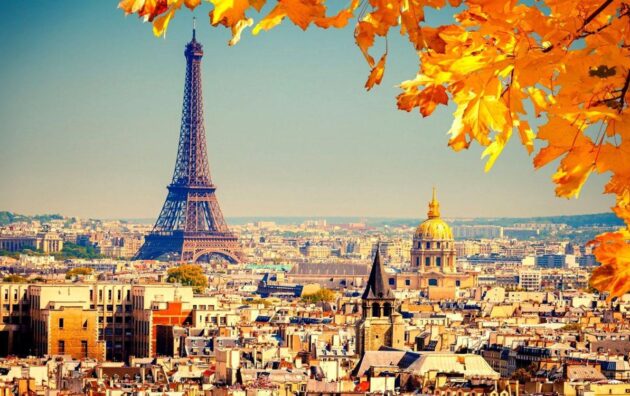
Eiffel Tower, Paris
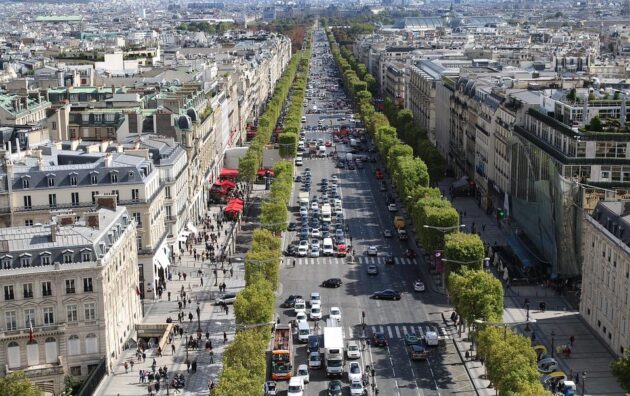
Avenue des Champs-Élysées, Paris
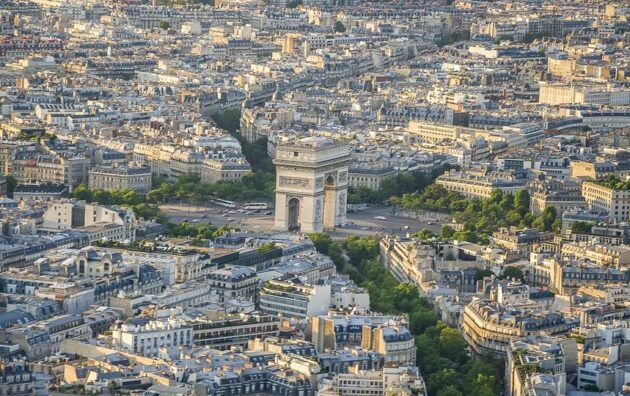
Arc de Triomphe, Paris
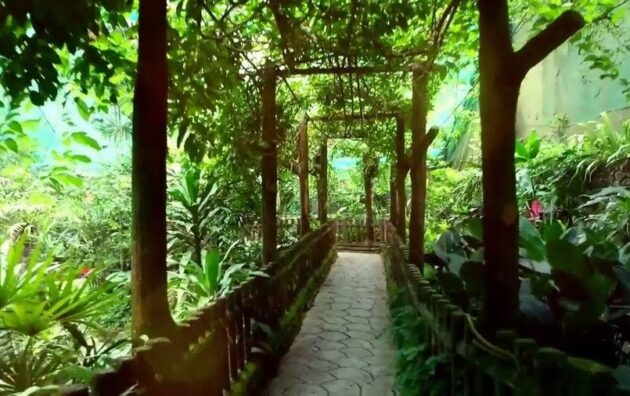
Kuala Lumpur Butterfly Park
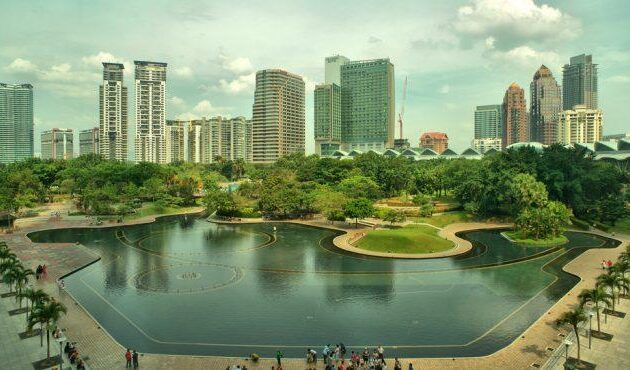
KLCC Park, Kuala Lumpur
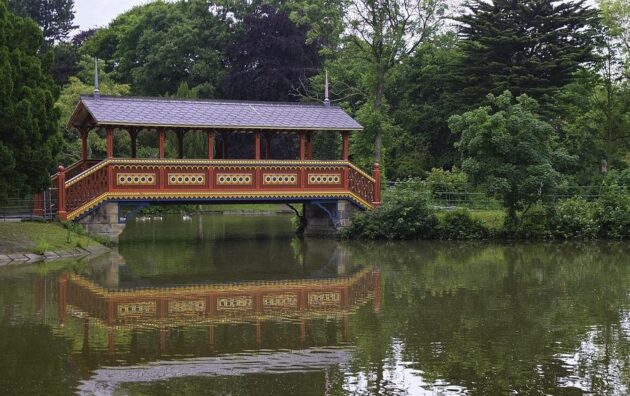
Birkenhead Park, Liverpool
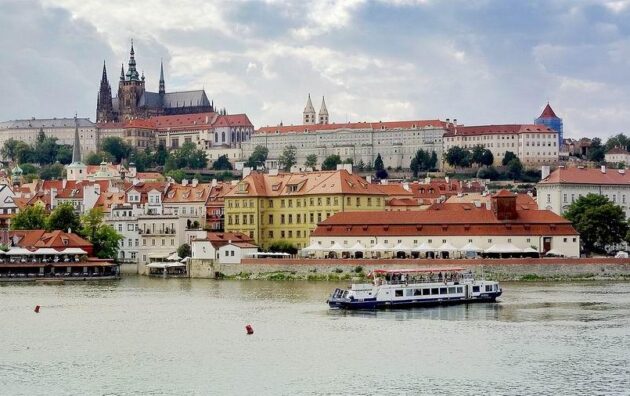
Prague Castle
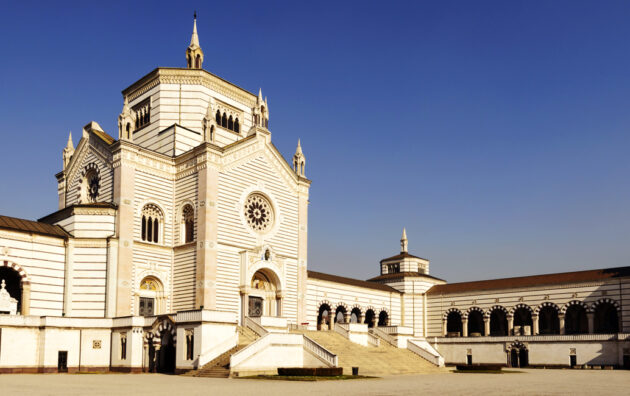
Cimitero Monumentale di Milano
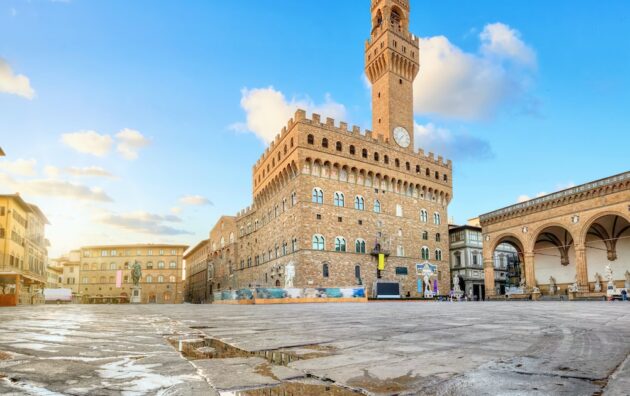
Palazzo Vecchio, Florence
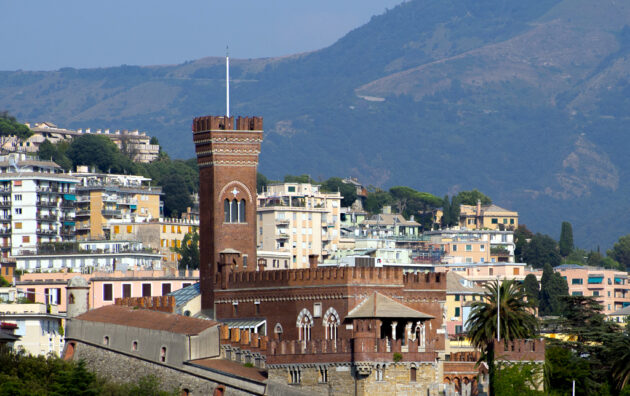
D’Albertis Castle, Genoa
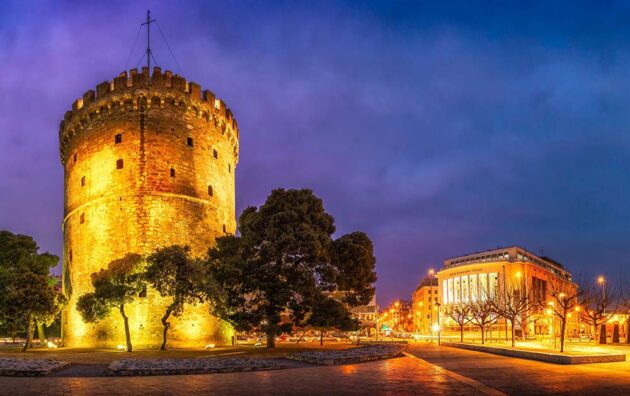
White Tower of Thessaloniki
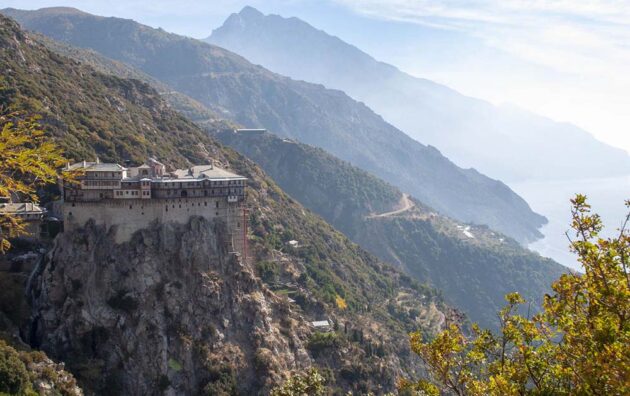
Holy Mount Athos, Greece
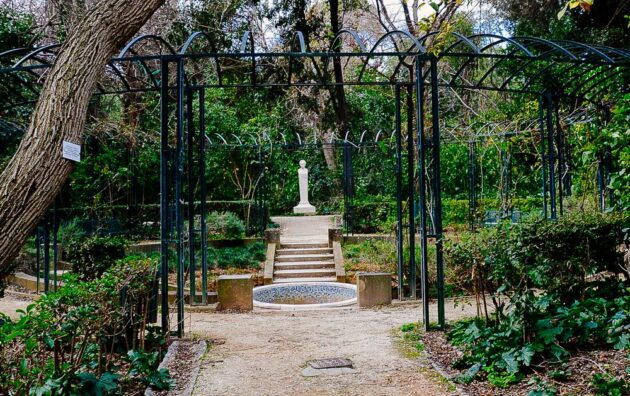
National Garden, Athens
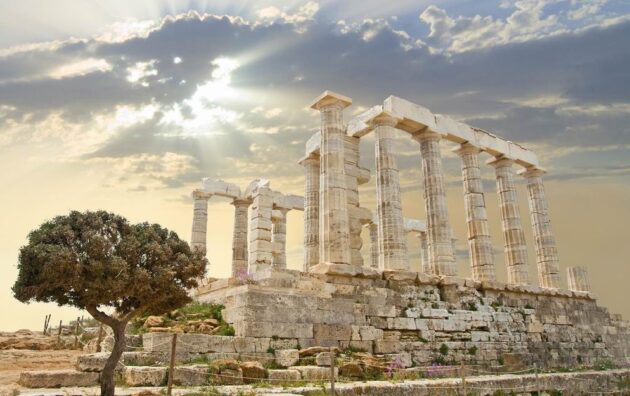
Temple of Olympian Zeus in Athens
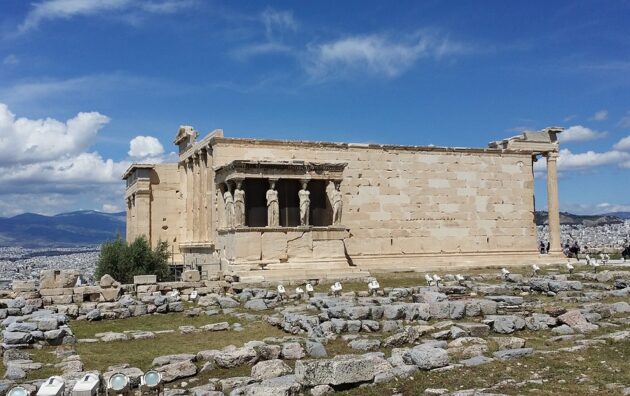
Erechtheion, Athens
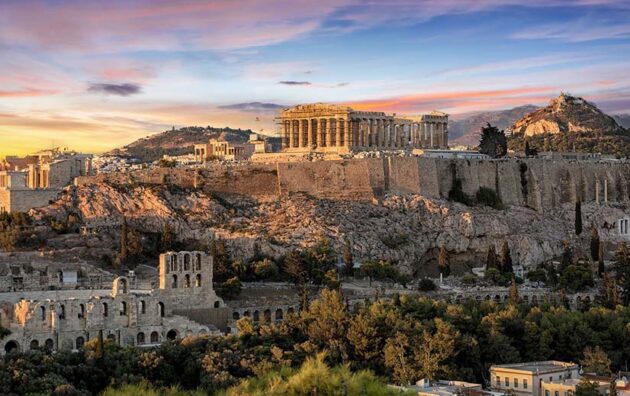
Acropolis of Athens
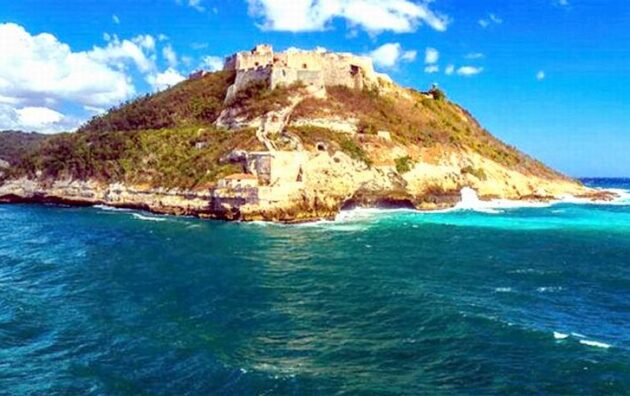
Castillo de San Pedro de la Roca
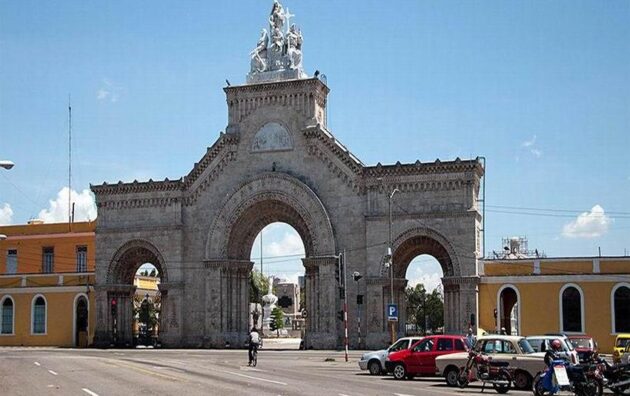
Colon Cemetery Havana
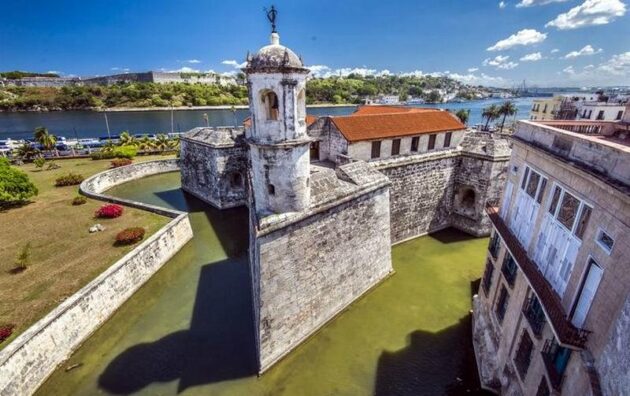
Castillo de la Real Fuerza, Havana