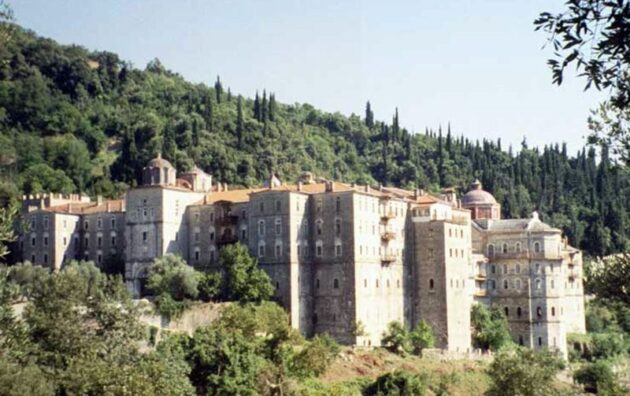
Hagia Sophia, Thessaloniki
Destination Description
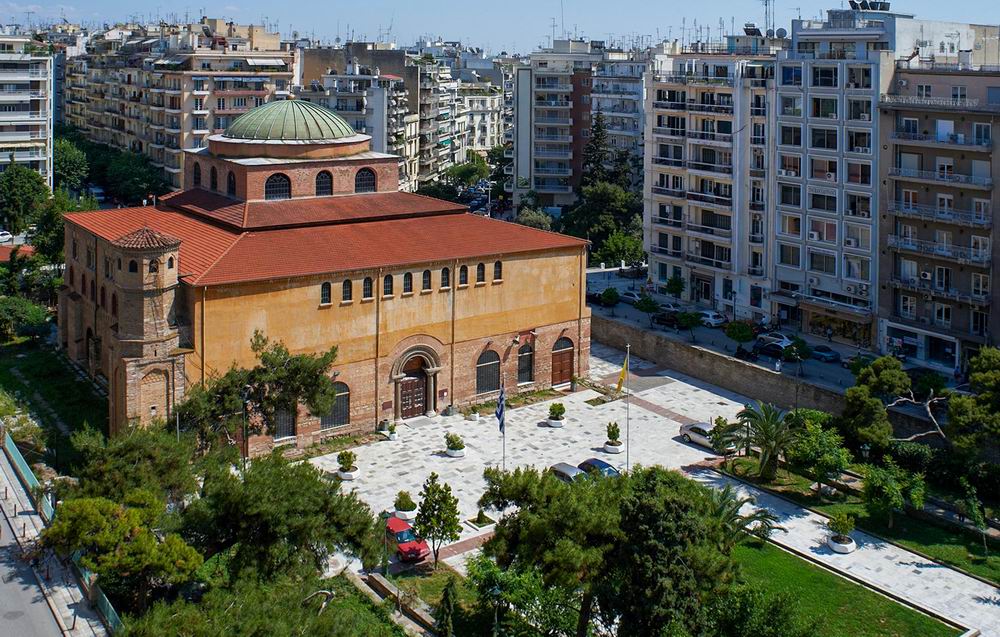
The Hagia Sophia Church in Thessaloniki, Greece, is one of the city’s most remarkable Byzantine monuments and a UNESCO World Heritage Site. Inspired by the famous Hagia Sophia in Constantinople (modern-day Istanbul), this church reflects Thessaloniki’s long and glorious past as the Byzantine Empire’s second-most important city. With its magnificent dome, ancient mosaics, and serene atmosphere, Hagia Sophia stands as a timeless symbol of faith, art, and history.
History of Hagia Sophia, Thessaloniki
The church was built in the 8th century, during the Middle Byzantine period, on the site of an earlier Christian basilica. Like its namesake in Constantinople, Hagia Sophia of Thessaloniki was dedicated to the Holy Wisdom (Agia Sophia).
It served as an Orthodox cathedral during the Byzantine Empire.
After the Ottoman conquest in 1430, it was converted into a mosque, known as “Ayasofya Camii.”
In 1912, after Thessaloniki’s liberation, it was restored to a Greek Orthodox church.
Despite fires, earthquakes, and wars, Hagia Sophia has remained a vital symbol of Thessaloniki’s resilience and spiritual heritage.
Architecture and Art of Hagia Sophia
The architectural design of Hagia Sophia combines elements of a domed basilica and cross-in-square plan, typical of Middle Byzantine style.
Key Features:
Central Dome: The grand dome symbolizes heaven and gives the church its majestic character.
Mosaics: The interior is decorated with stunning mosaics, most notably the Ascension of Christ in the dome, surrounded by golden backgrounds and angels — a masterpiece of Byzantine art.
Marble Columns and Arches: Reflect the elegance and craftsmanship of the 8th–9th centuries.
Frescoes and Icons: Later additions enhance the church’s spiritual ambiance.
Courtyard and Bell Tower: These were added during later restorations, maintaining harmony with the original design.
The Hagia Sophia Church in Thessaloniki is more than a historic monument — it is a living testament to Byzantine faith, architecture, and endurance. Its golden mosaics, elegant dome, and spiritual serenity make it one of the most inspiring landmarks in northern Greece.
Must-See & Must-Do
Location and Visitor Information
Address: Agia Sophia Square, Thessaloniki, Greece
-Opening Hours: Usually open daily; check locally for religious service times.
-Entrance: Free of charge (donations appreciated).
-How to Get There: Centrally located in the city, a short walk from Aristotelous Square and Egnatia Street.
Its central location makes Hagia Sophia easily accessible and ideal to combine with other landmarks such as the Rotunda, Church of Agios Dimitrios, and the Archaeological Museum of Thessaloniki.
Why Visit Hagia Sophia, Thessaloniki?
-To admire one of the oldest and most important Byzantine churches in Greece.
-To see the magnificent dome mosaics and religious art up close.
-To explore a site that represents Thessaloniki’s Christian and multicultural history.
-To enjoy a moment of peace and reflection in the city center.
-To experience part of the UNESCO World Heritage Monuments of Thessaloniki.
Travel Tips
-Dress modestly, as it is an active place of worship.
-Visit early in the morning for fewer crowds and beautiful light inside.
-Combine your visit with nearby attractions like the Church of Panagia Chalkeon and the Roman Forum.
-Photography is usually allowed, but avoid flash to protect the mosaics.
Similar Listing
Church of the Jacobins, Toulouse
Basilica of Saint-Sernin, Toulouse
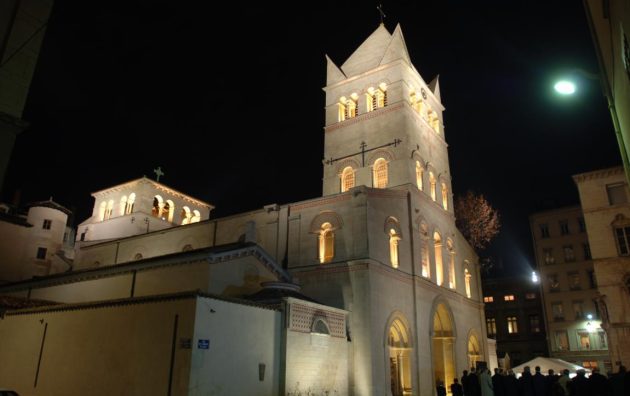
Basilica of Saint-Martin d’Ainay, Lyon
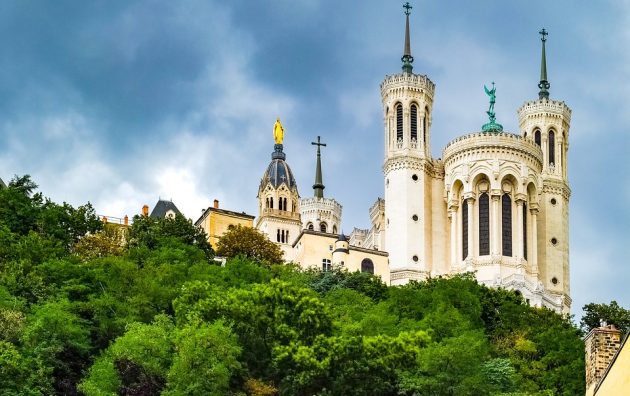
Basilica of Notre-Dame de Fourvière, Lyon
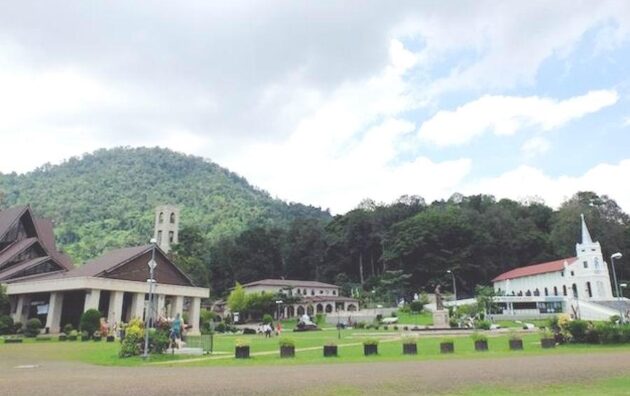
Minor Basilica of St. Anne, Seberang Perai
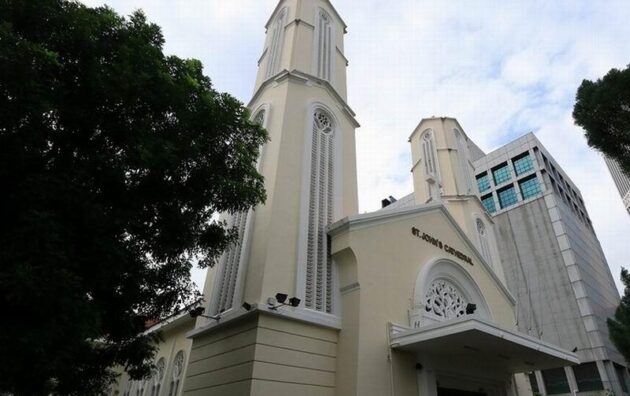
St. John’s Cathedral, Kuala Lumpur
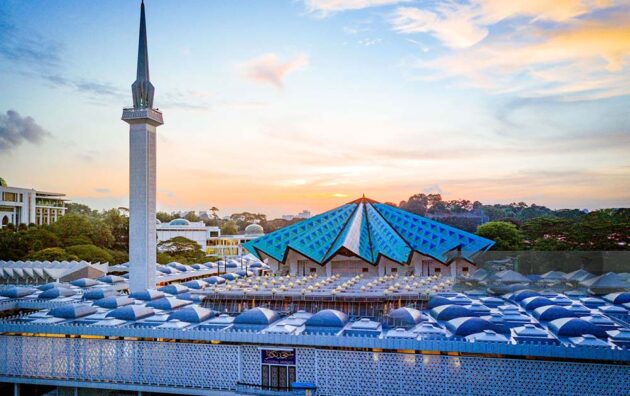
National Mosque of Malaysia
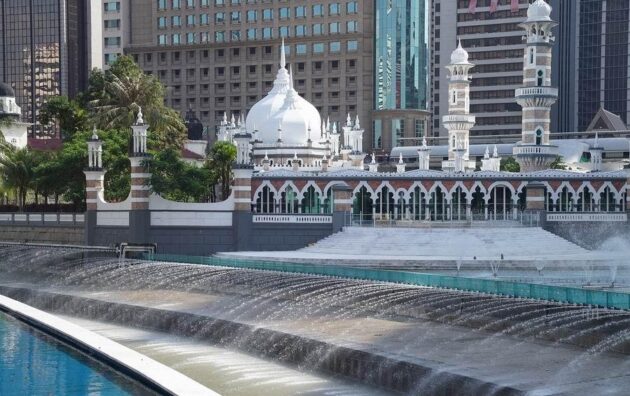
Jamek Mosque, Kuala Lampur
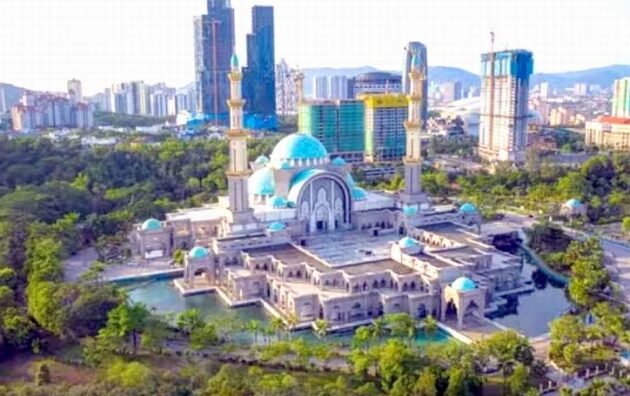
Federal Territory Mosque, Kuala Lampur
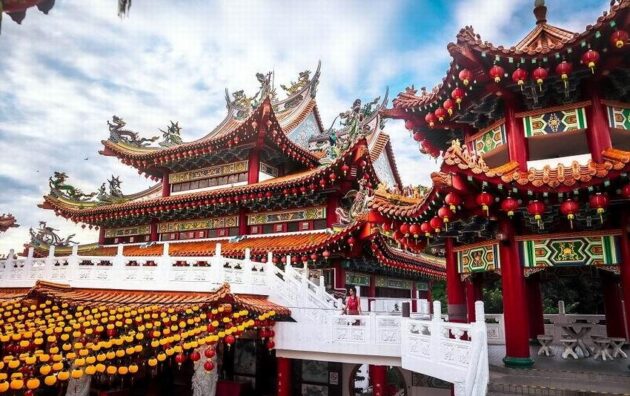
Thean Hou Temple
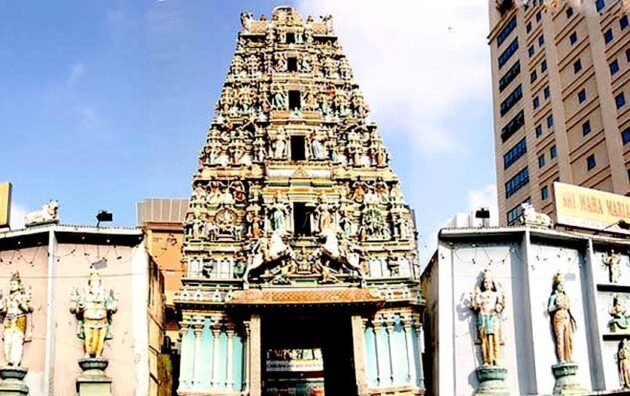
Sri Mahamariamman Temple
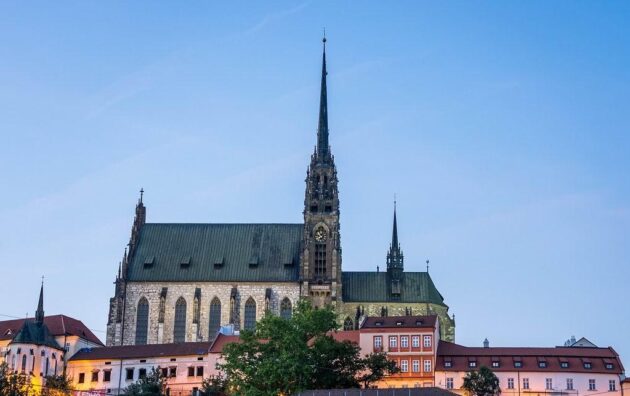
Cathedral of St. Peter and Paul, Brno
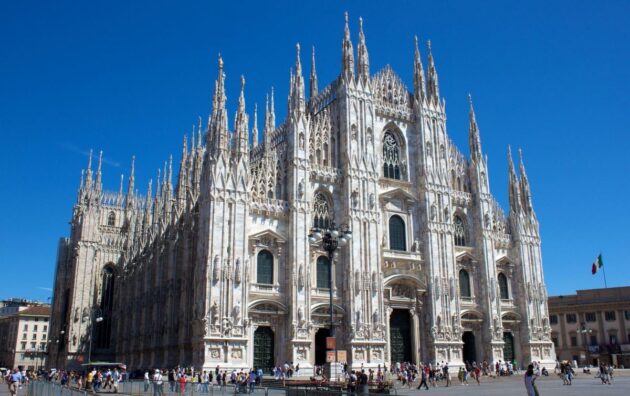
Exploring the Duomo di Milano
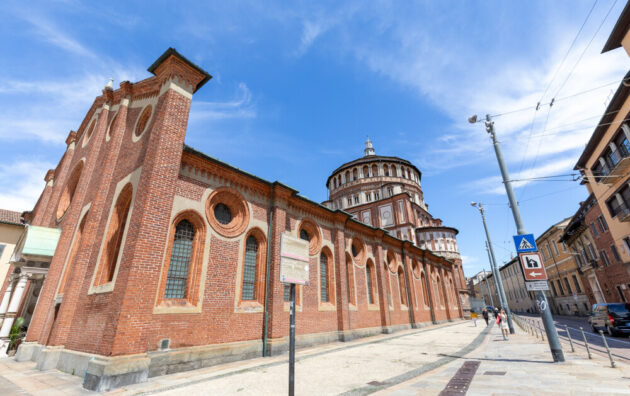
Exploring Santa Maria delle Grazie
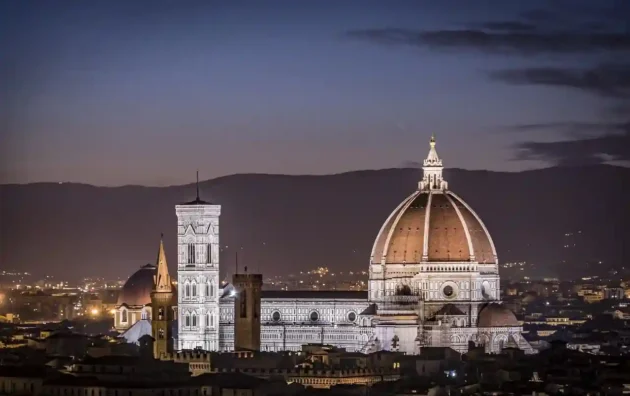
Santa Maria del Fiore, Florence
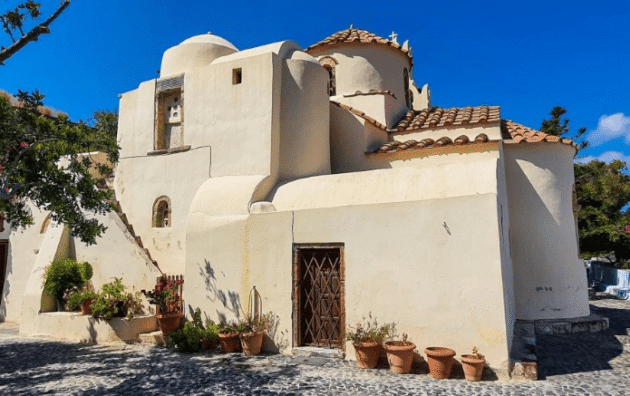
Panagia Episkopi, Santorini
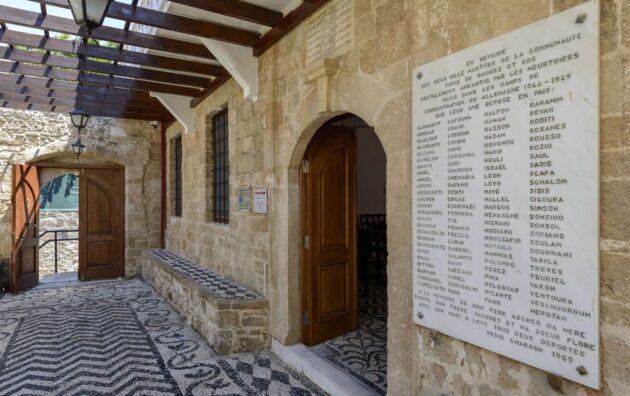
Kahal Shalom Synagogue, Rhodes
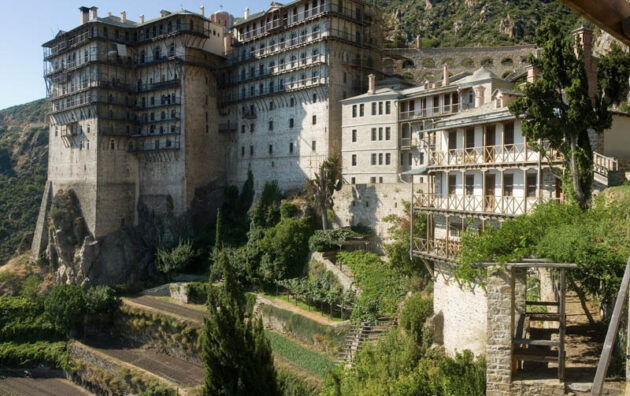
Simonopetra Monastery, Mount Athos