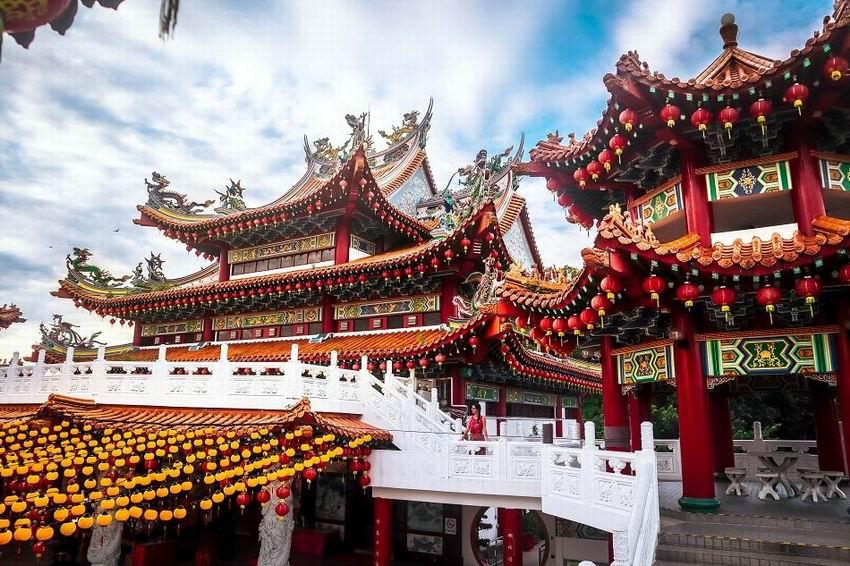
Thean Hou Temple
Destination Description
One of the most beautiful cultural landmarks in Kuala Lumpur, the Thean Hou Temple is a stunning six-level Chinese temple dedicated to Mazu, the Goddess of the Sea.
Located on top of Robson Heights near Jalan Syed Putra, the temple offers breathtaking views of the Kuala Lumpur skyline while providing a peaceful escape from the busy city atmosphere below.
The temple was completed in 1987 and officially opened in 1989 by the Hainanese community in Malaysia. It was built as a symbol of faith, tradition, and unity among the local Chinese community, and today it remains one of the largest and most impressive Chinese temples in Southeast Asia.
As visitors approach the temple, they are immediately greeted by its colorful traditional architecture, red lanterns, elegant roofs, and beautifully detailed carvings inspired by Chinese culture and mythology. Every corner of the temple reflects harmony, spirituality, and artistic beauty.
Inside the temple grounds, visitors can explore prayer halls, peaceful courtyards, ornamental gardens, and cultural spaces. The atmosphere feels calm and relaxing, making it a perfect place for reflection, photography, or simply enjoying the serene surroundings.
Thean Hou Temple is especially lively during major Chinese celebrations such as Chinese New Year, when thousands of glowing lanterns decorate the temple and cultural ceremonies fill the area with energy and tradition.
The temple is not only a religious destination but also a cultural icon that represents Kuala Lumpur’s multicultural identity.
Visitor Tips
Visit during sunset for beautiful skyline photography.
Wear respectful clothing when entering prayer areas.
Chinese New Year is the most festive time to visit.
Early mornings are quieter and cooler.
Bring a camera — the temple is highly photogenic day and night.
Must-See & Must-Do
What Makes It Special?
The Thean Hou Temple immediately captures attention with its colorful traditional Chinese architecture, elegant red pillars, curved roofs, and hundreds of hanging lanterns.
Visitors especially love:
-Beautiful Chinese-style prayer halls
-Intricate dragon and phoenix carvings
-Panoramic city views
-Ornamental gardens and courtyards
-Traditional lantern decorations
The temple beautifully combines elements of Buddhism, Taoism, and Confucian traditions, reflecting the multicultural spiritual practices of Malaysia’s Chinese community.
Nearby Attractions
The temple is conveniently located near several major attractions in Kuala Lumpur.
-Brickfields
Brickfields, also known as Little India, is famous for Indian culture, colorful streets, and authentic cuisine.
-National Museum
National Museum offers insight into Malaysian history and heritage.
-Perdana Botanical Gardens
Visitors can relax at Perdana Botanical Gardens nearby.
-KL Sentral
The nearby transportation hub provides easy access to other parts of Kuala Lumpur.
Food & Café Tips
The surrounding areas offer excellent Malaysian and Chinese dining experiences.
Visitors should try:
-Dim Sum
-Nasi Lemak
-Char Kway Teow
-Roti Canai
-Teh Tarik
Nearby cafés also offer rooftop views and trendy modern dining experiences popular with young locals and travelers.
Similar Listing
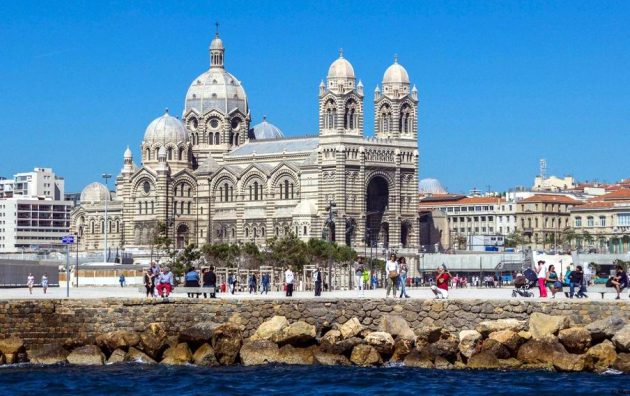
Marseille Cathedral (Cathédrale La Major) Travel Guide
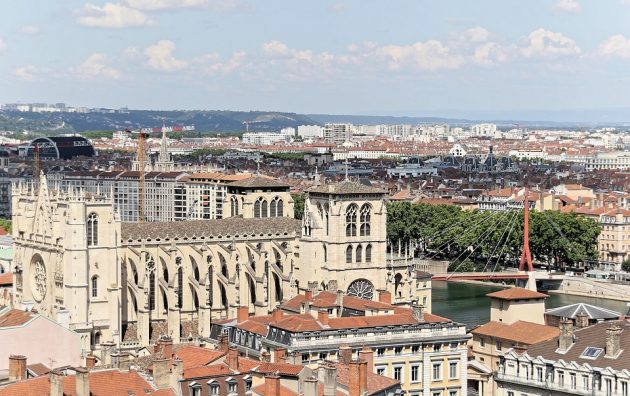
Lyon Cathedral (Saint-Jean-Baptiste Cathedral), Lyon

Lille Cathedral (Basilica of Notre-Dame de la Treille), Lille
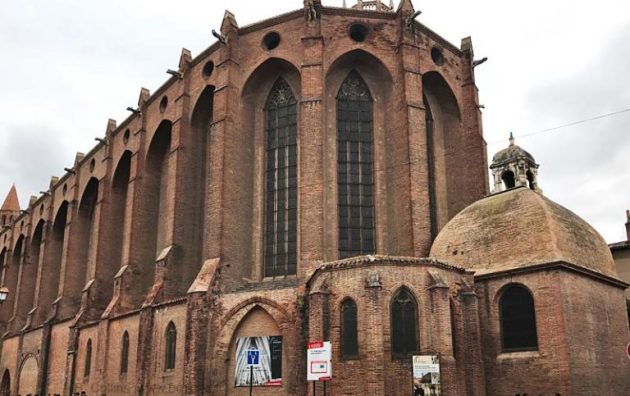
Church of the Jacobins, Toulouse
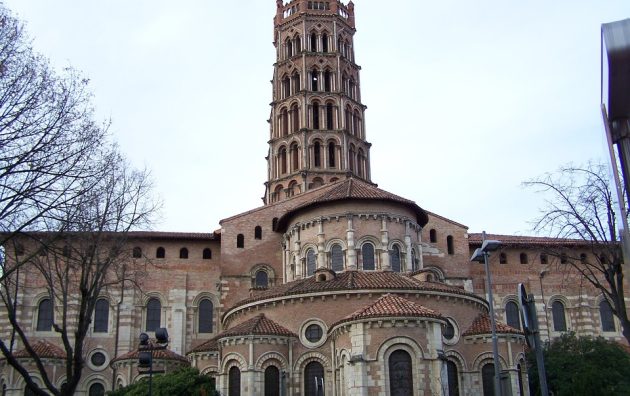
Basilica of Saint-Sernin, Toulouse
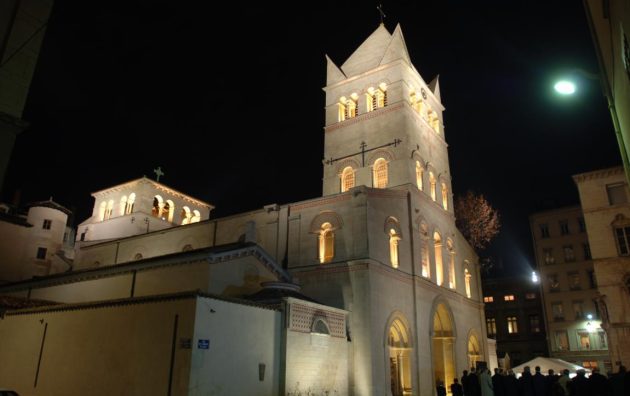
Basilica of Saint-Martin d’Ainay, Lyon
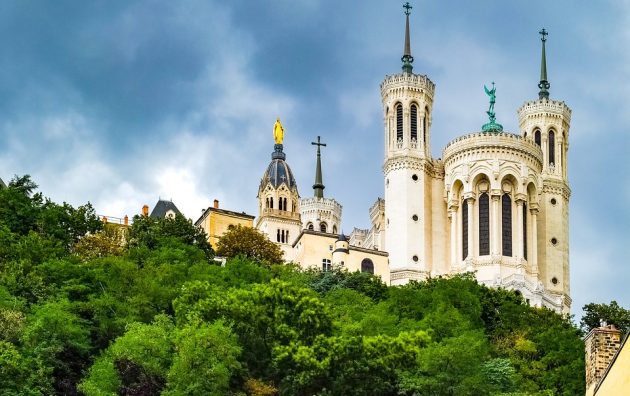
Basilica of Notre-Dame de Fourvière, Lyon
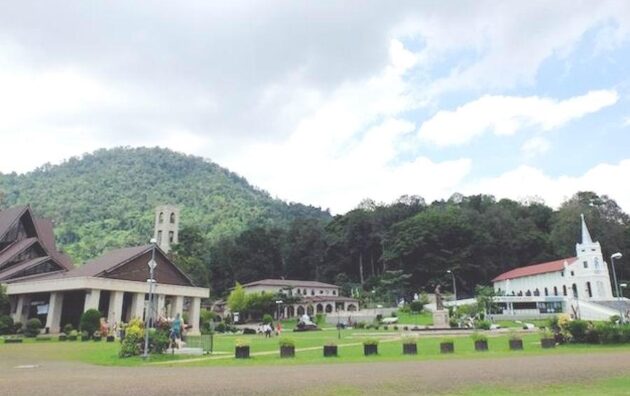
Minor Basilica of St. Anne, Seberang Perai
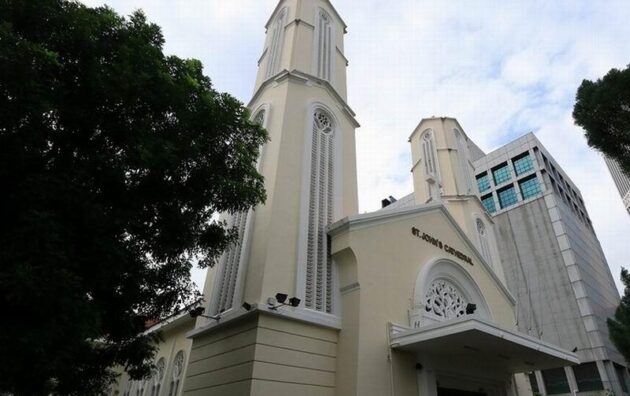
St. John’s Cathedral, Kuala Lumpur
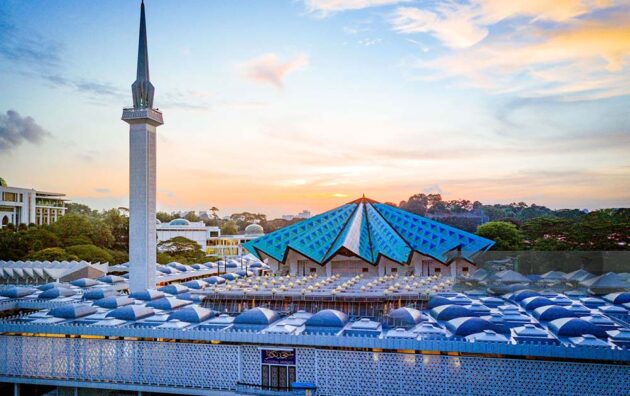
National Mosque of Malaysia
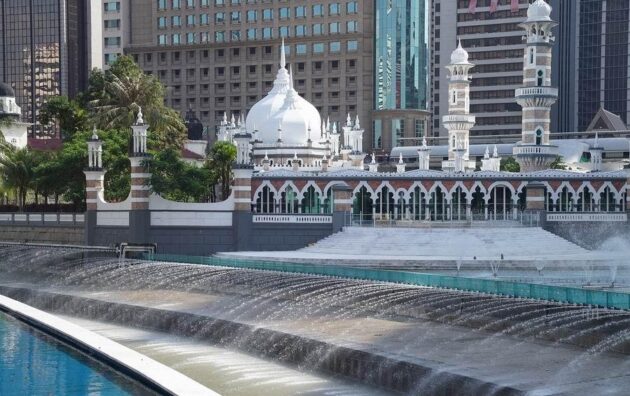
Jamek Mosque, Kuala Lampur
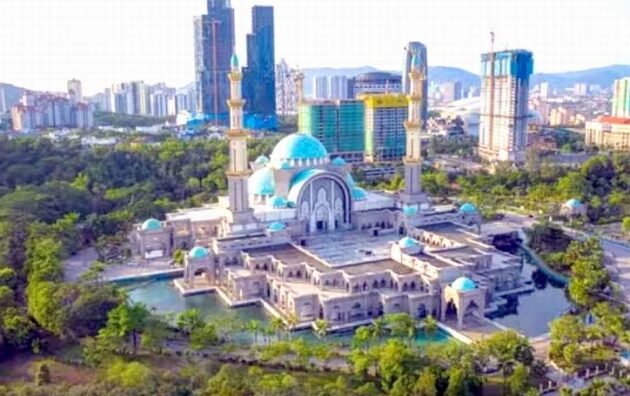
Federal Territory Mosque, Kuala Lampur
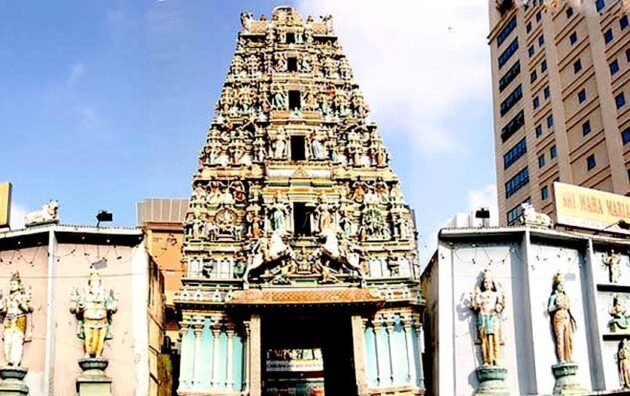
Sri Mahamariamman Temple
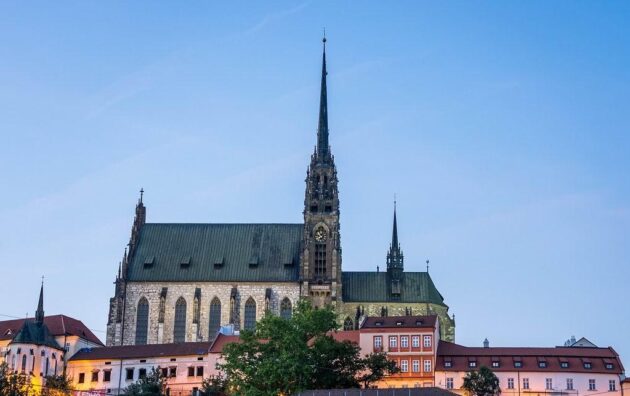
Cathedral of St. Peter and Paul, Brno
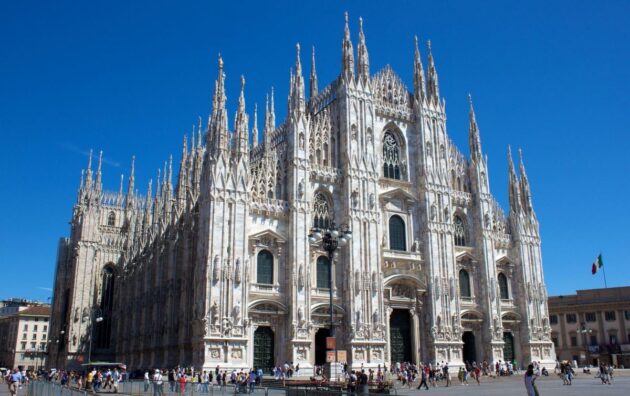
Exploring the Duomo di Milano
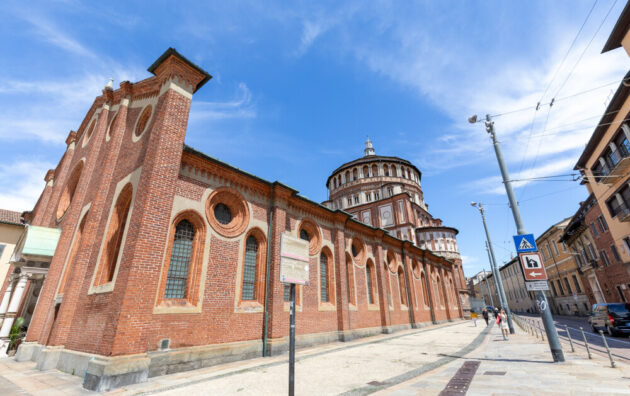
Exploring Santa Maria delle Grazie
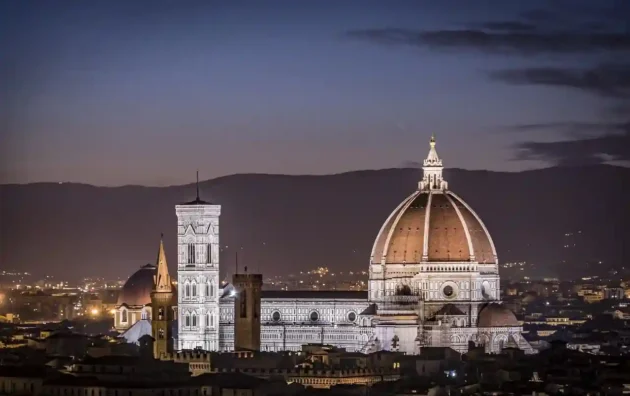
Santa Maria del Fiore, Florence
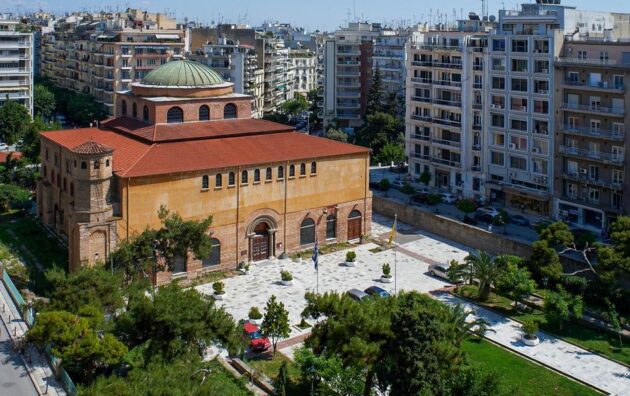
Hagia Sophia, Thessaloniki