Valencia Cathedral, Spain
Destination Description
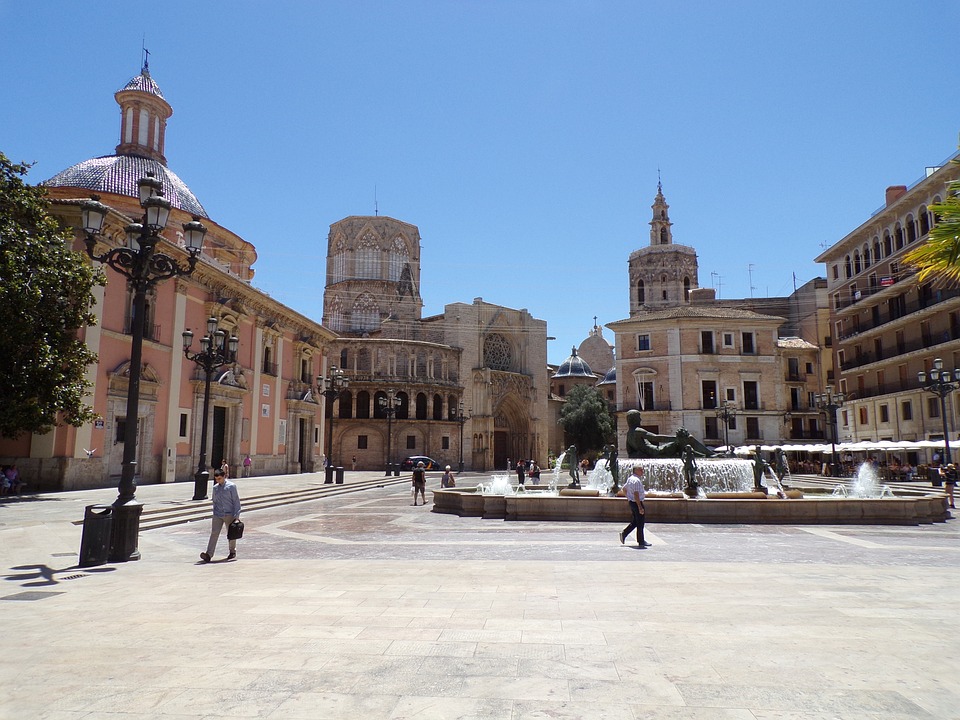
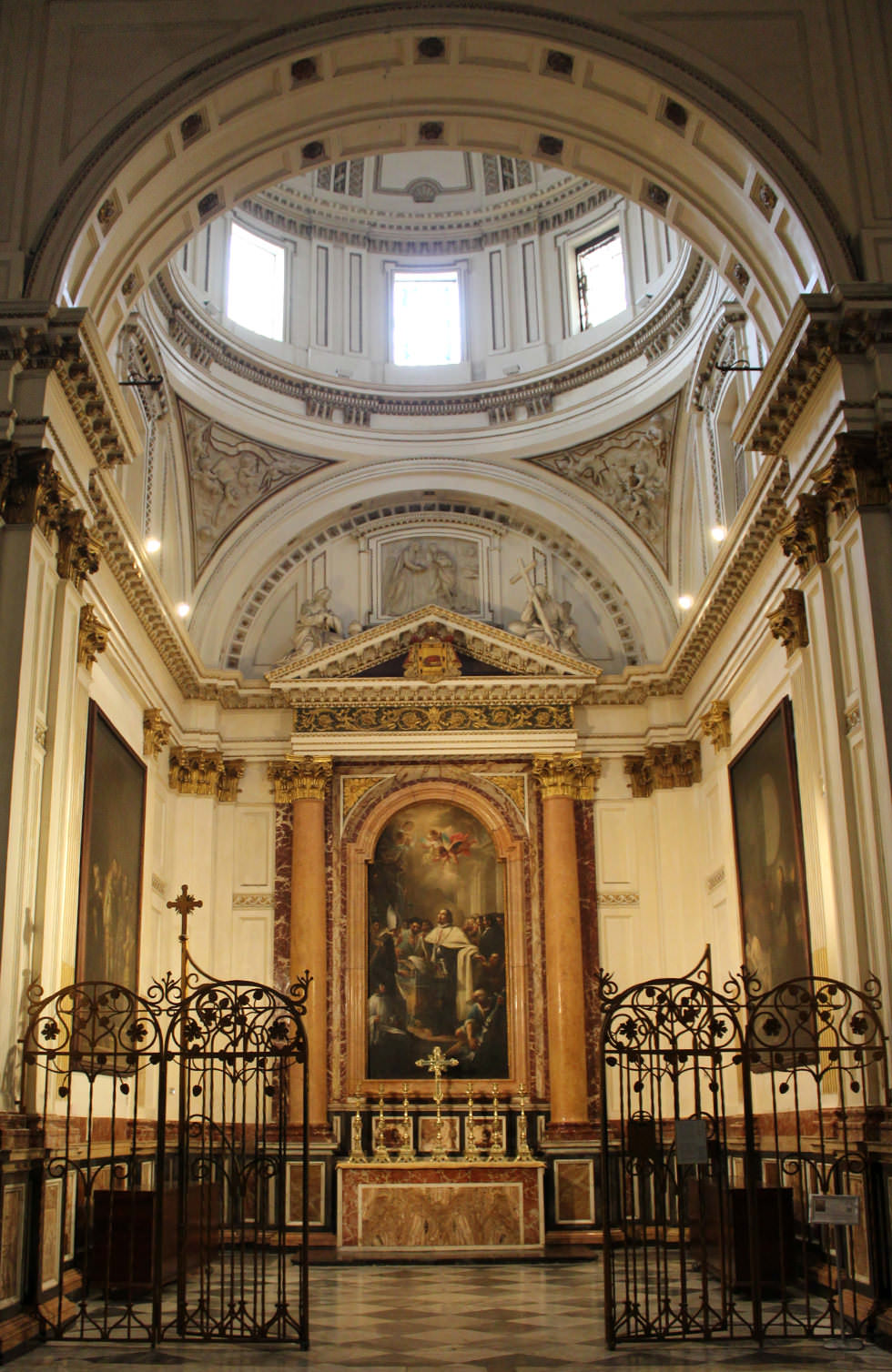
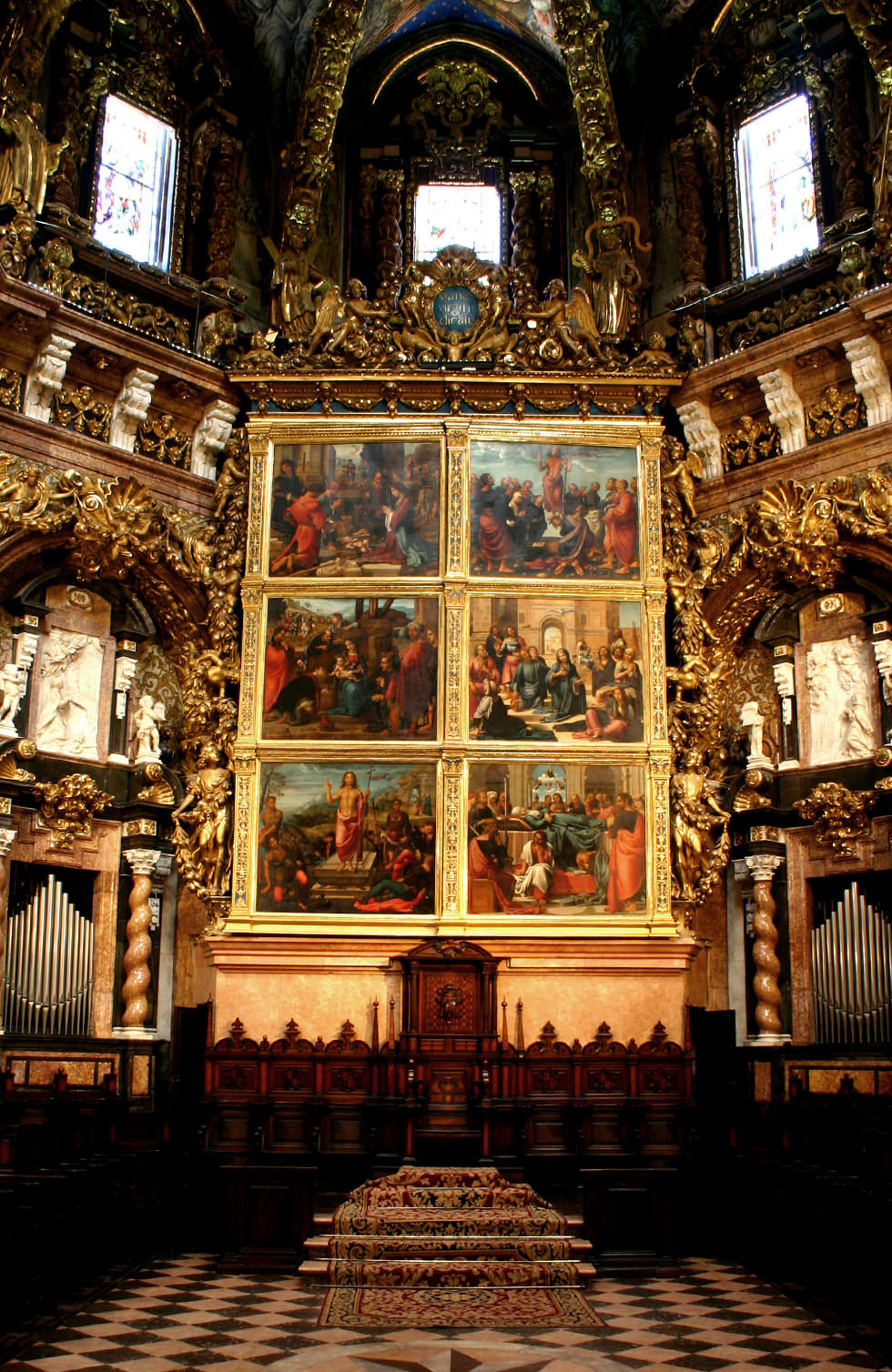
The Valencia Cathedral (Catedral de Santa María de Valencia) is one of the most iconic landmarks in Spain’s Mediterranean coast. Rising proudly in the historic center, this Gothic masterpiece blends Romanesque, Baroque, and Neoclassical elements, reflecting centuries of history and devotion. Famous for housing the Holy Grail, the cathedral is a must-see attraction for visitors to Valencia.
History of Valencia Cathedral
Construction began in 1262, shortly after the Christian reconquest of Valencia, and was completed over several centuries.
Built on the site of a former Roman temple, later transformed into a mosque during Muslim rule.
Over the centuries, it has been expanded and remodeled, creating a fascinating blend of architectural styles.
The cathedral is dedicated to the Assumption of the Virgin Mary and remains an active place of worship today.
Architecture of Valencia Cathedral
The cathedral is a living museum of architectural styles:
Romanesque Doorways: The Puerta de l’Almoina is a fine example of 13th-century Romanesque design.
Gothic Elements: The Miguelete Tower (El Micalet), built between the 14th and 15th centuries, offers panoramic views of Valencia.
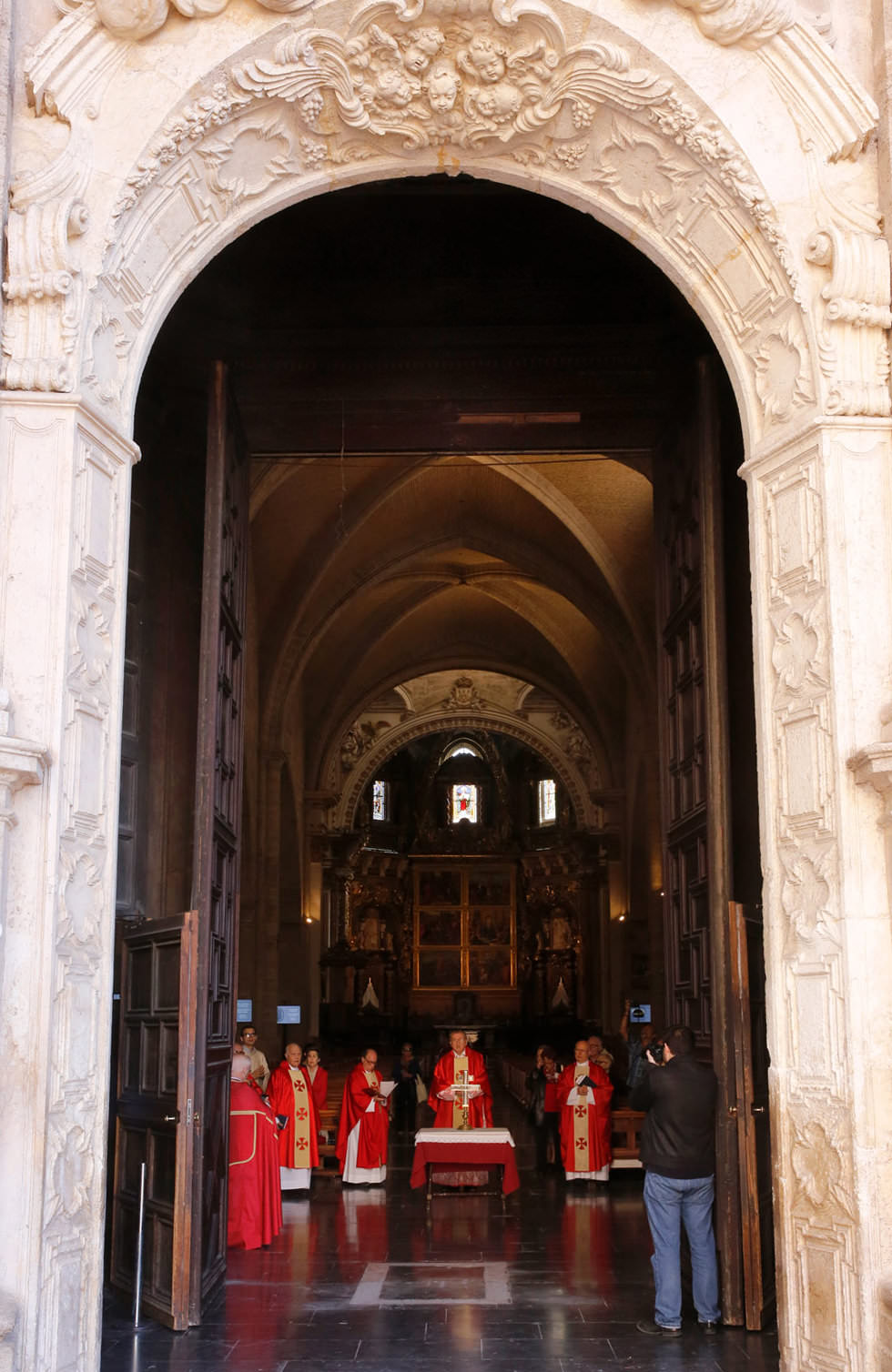
Baroque Influence: The main entrance, Puerta de los Hierros, showcases ornate Baroque decorations.
Neoclassical Features: Later renovations added balanced, symmetrical designs typical of Neoclassicism.
This mixture makes Valencia Cathedral one of the most architecturally diverse cathedrals in Spain.
The Holy Grail in Valencia Cathedral
One of the cathedral’s greatest treasures is the Holy Chalice, believed by many to be the Holy Grail used by Jesus Christ at the Last Supper.
The chalice is displayed in the Chapel of the Holy Chalice (Capilla del Santo Cáliz).
Made of agate and dating back to around the 1st century, it has been studied extensively by historians.
Recognized by the Vatican as the chalice used by Jesus, it attracts pilgrims and curious visitors alike.
Interior Highlights of Valencia Cathedral
Chapel of the Holy Chalice: Home to the famous Grail.
Renaissance Frescoes: Beautifully restored ceiling paintings depicting angels, hidden for centuries and rediscovered in 2004.
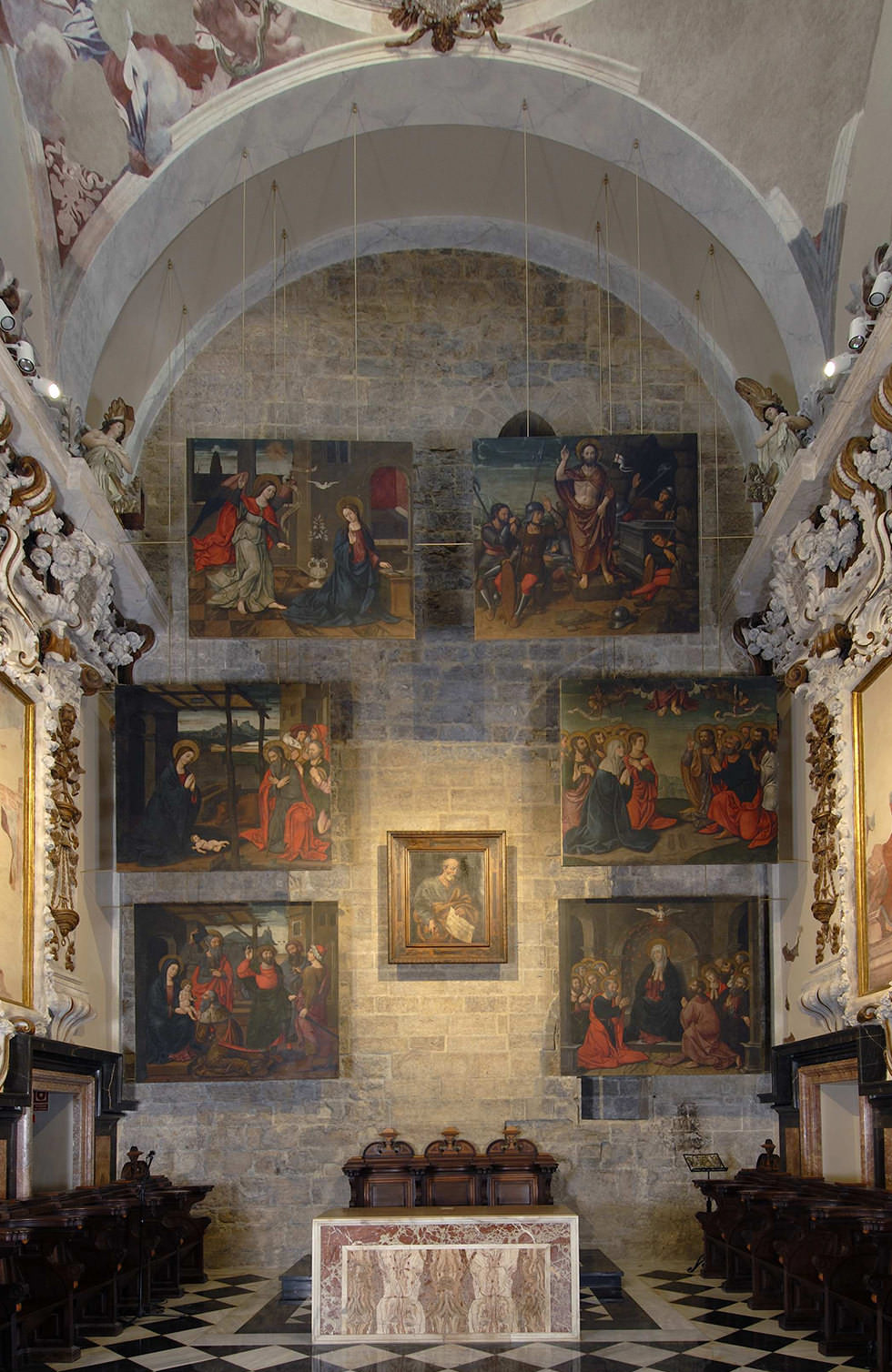
Altarpieces and Sculptures: Masterpieces from the Gothic and Renaissance periods.
Treasury: Contains priceless reliquaries, manuscripts, and liturgical objects.
Visiting Valencia Cathedral
-Opening Hours: Generally open daily, though times vary depending on religious services.
-Tickets: Entrance usually includes access to the cathedral, museum, and Miguelete Tower.
-Miguelete Tower: Climb 207 steps to enjoy breathtaking views of Valencia’s old town.
Must-See & Must-Do
Climate in Valencia for Visiting the Cathedral
Valencia enjoys a Mediterranean climate, making it possible to visit year-round:
-Spring (Mar–May): Mild and perfect for sightseeing.
-Summer (Jun–Aug): Hot (up to 35°C), but the cathedral offers a cool escape.
-Autumn (Sep–Nov): Pleasant with fewer crowds.
-Winter (Dec–Feb): Mild (10–18°C), quieter and ideal for cultural tourism.
Gastronomy Near Valencia Cathedral
-Paella Valenciana: The city’s signature dish, best enjoyed in local restaurants near Plaza de la Reina.
-Horchata and Fartons: A refreshing drink made from tiger nuts, paired with sweet pastries.
-Tapas and Seafood: Fresh Mediterranean flavors in nearby taverns.
-Local Wines: Perfect to complement traditional dishes.
Accommodation in Valencia Near the Cathedral
-Luxury: Caro Hotel – A 19th-century palace with modern design.
-Boutique: Vincci Lys – Stylish and close to Valencia’s old town.
-Budget: Hostels and apartments within walking distance of the cathedral.
How to Get to Valencia Cathedral
-By Air: Valencia Airport (VLC) is 20 minutes from the city center.
-By Train: Estación del Norte connects Valencia with Madrid, Barcelona, and Alicante.
-By Metro/Bus: Multiple lines stop near Plaza de la Reina.
-On Foot: Easily accessible within the old town (Ciutat Vella).
Nearby Attractions in Valencia
-Plaza de la Virgen: A lively square next to the cathedral.
-Basilica of the Virgin of the Forsaken: A baroque church dedicated to Valencia’s patron saint.
-Lonja de la Seda: A UNESCO World Heritage Site, former silk exchange.
-Turia Gardens: A beautiful park created in the old riverbed.
-City of Arts and Sciences: Valencia’s futuristic cultural complex, just a short bus ride away.
Travel Tips for Visiting Valencia Cathedral
-Climb the Miguelete Tower early to avoid crowds and heat.
-Check Mass times if you want to attend a service.
-Buy a combined ticket to access the cathedral, museum, and tower.
-Take a guided tour to learn more about the Holy Grail and frescoes.
Similar Listing
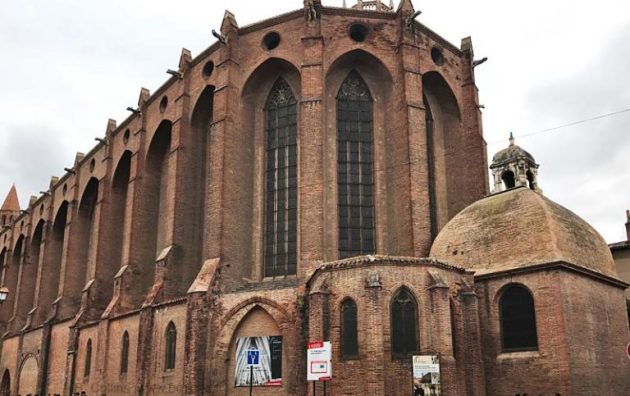
Church of the Jacobins, Toulouse
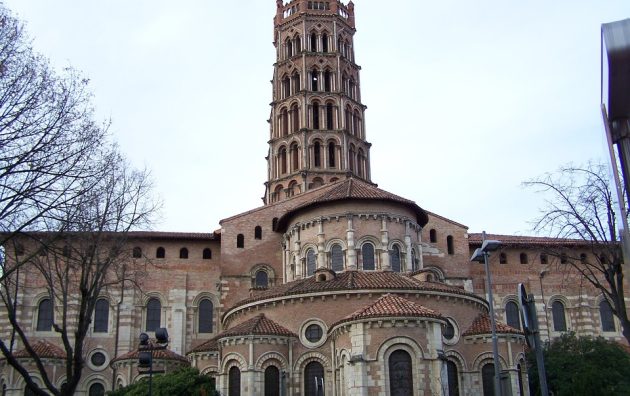
Basilica of Saint-Sernin, Toulouse
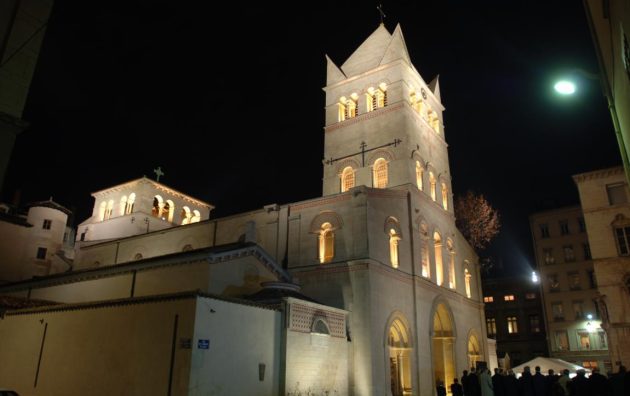
Basilica of Saint-Martin d’Ainay, Lyon
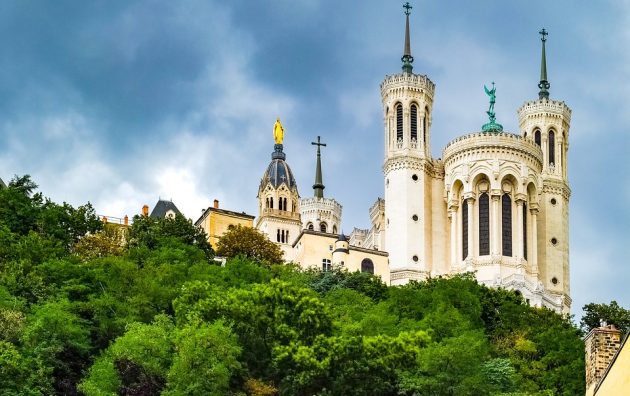
Basilica of Notre-Dame de Fourvière, Lyon
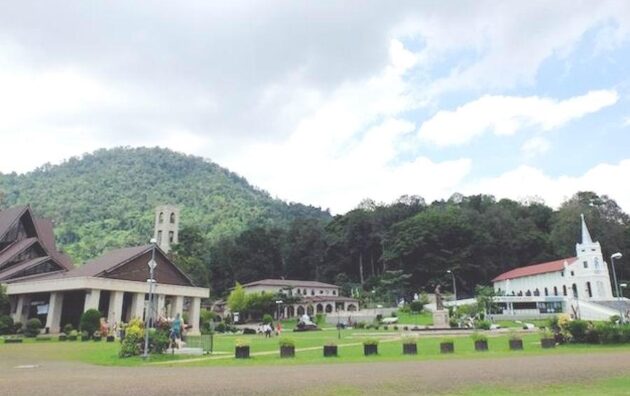
Minor Basilica of St. Anne, Seberang Perai
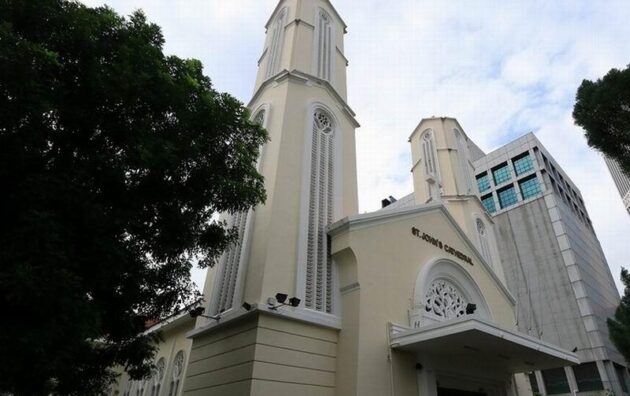
St. John’s Cathedral, Kuala Lumpur
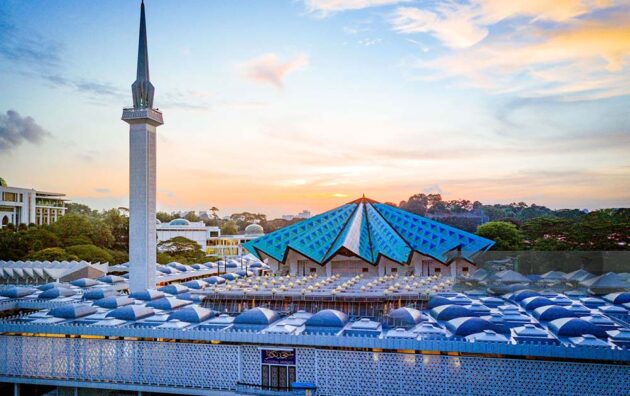
National Mosque of Malaysia
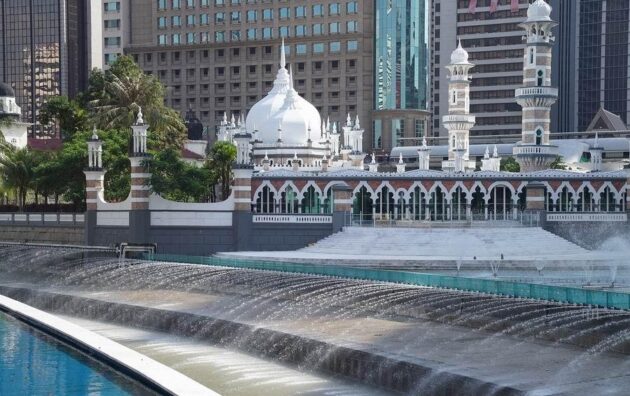
Jamek Mosque, Kuala Lampur
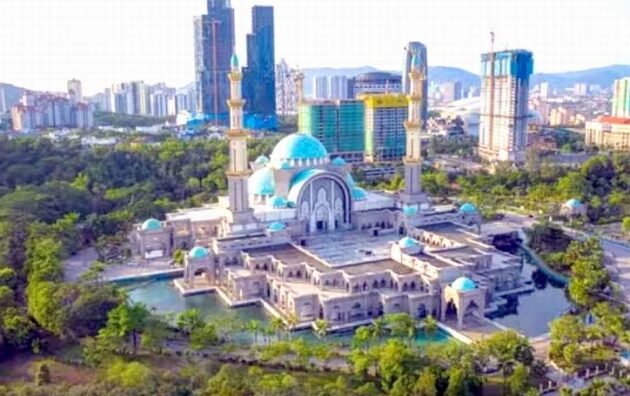
Federal Territory Mosque, Kuala Lampur
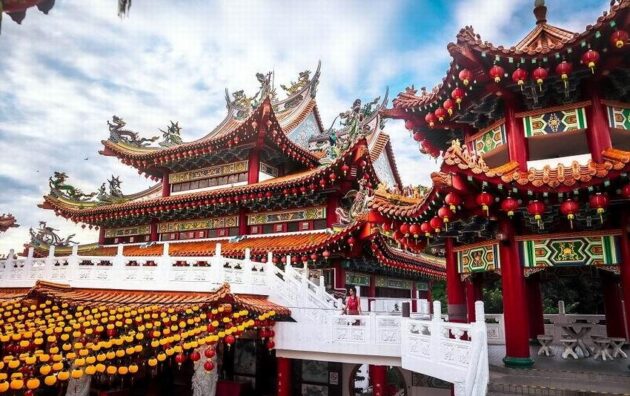
Thean Hou Temple
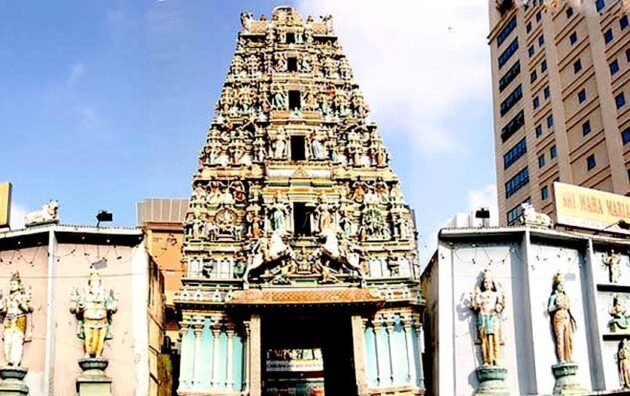
Sri Mahamariamman Temple
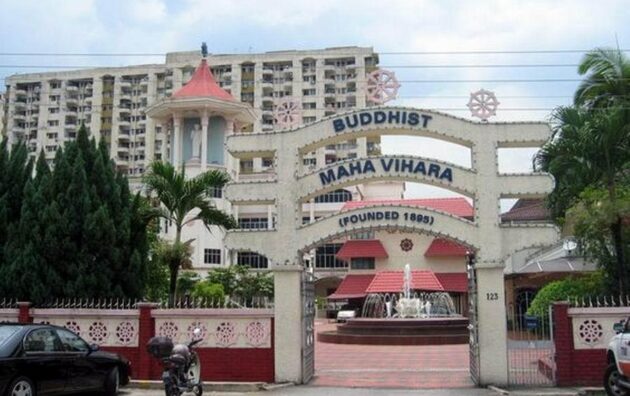
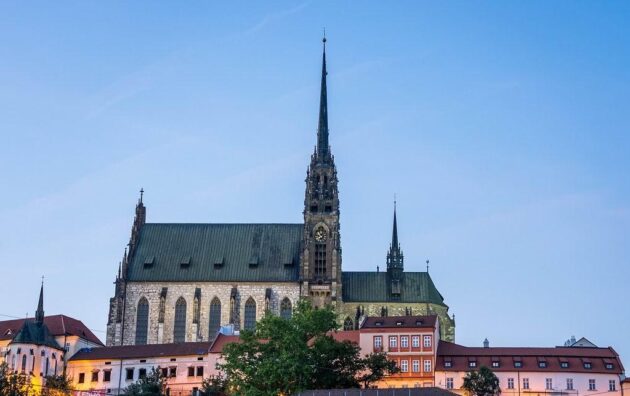
Cathedral of St. Peter and Paul, Brno
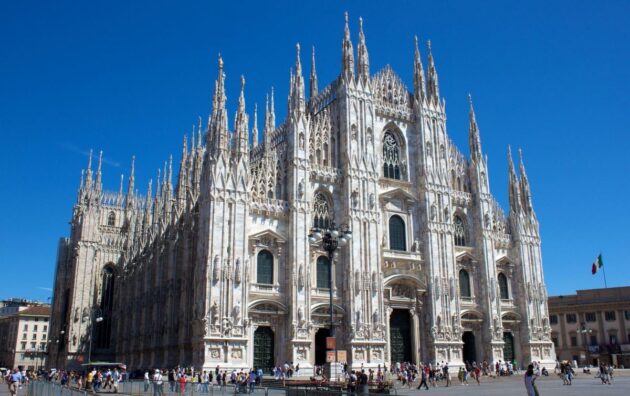
Exploring the Duomo di Milano
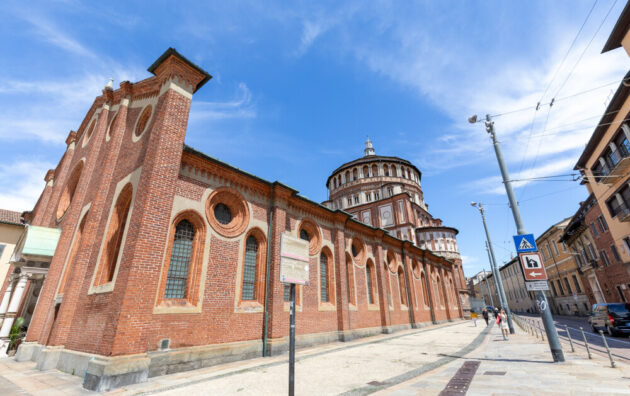
Exploring Santa Maria delle Grazie
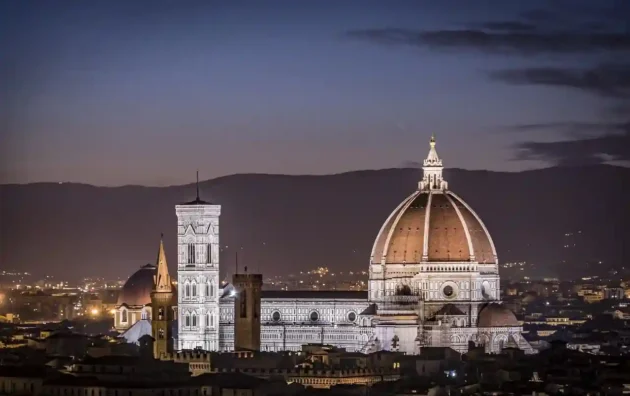
Santa Maria del Fiore, Florence
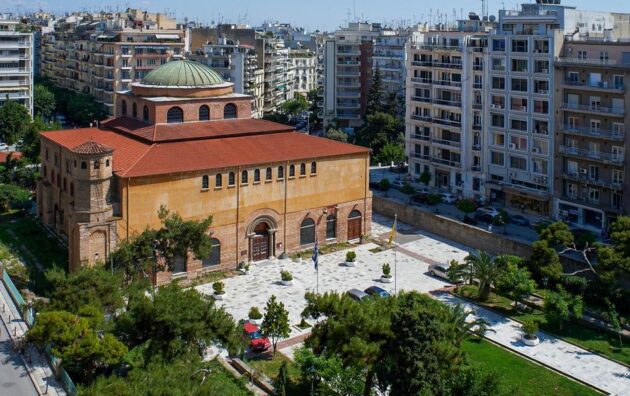
Hagia Sophia, Thessaloniki
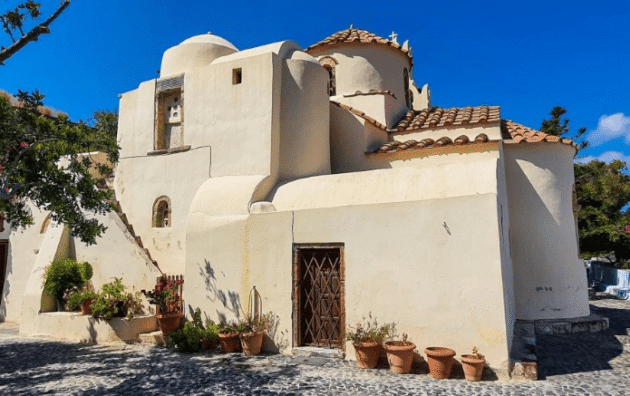
Panagia Episkopi, Santorini
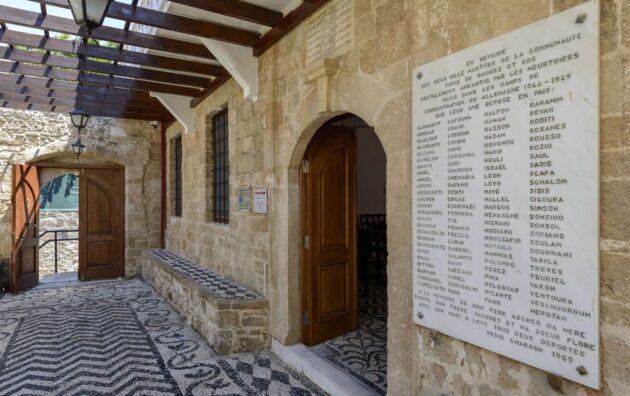
Kahal Shalom Synagogue, Rhodes