Royal Chapel of Granada
Destination Description
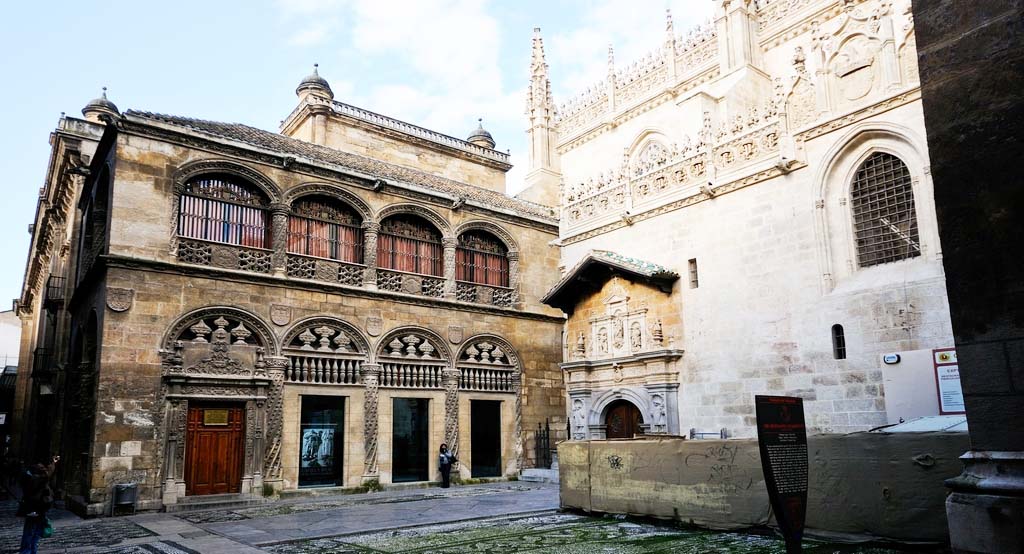
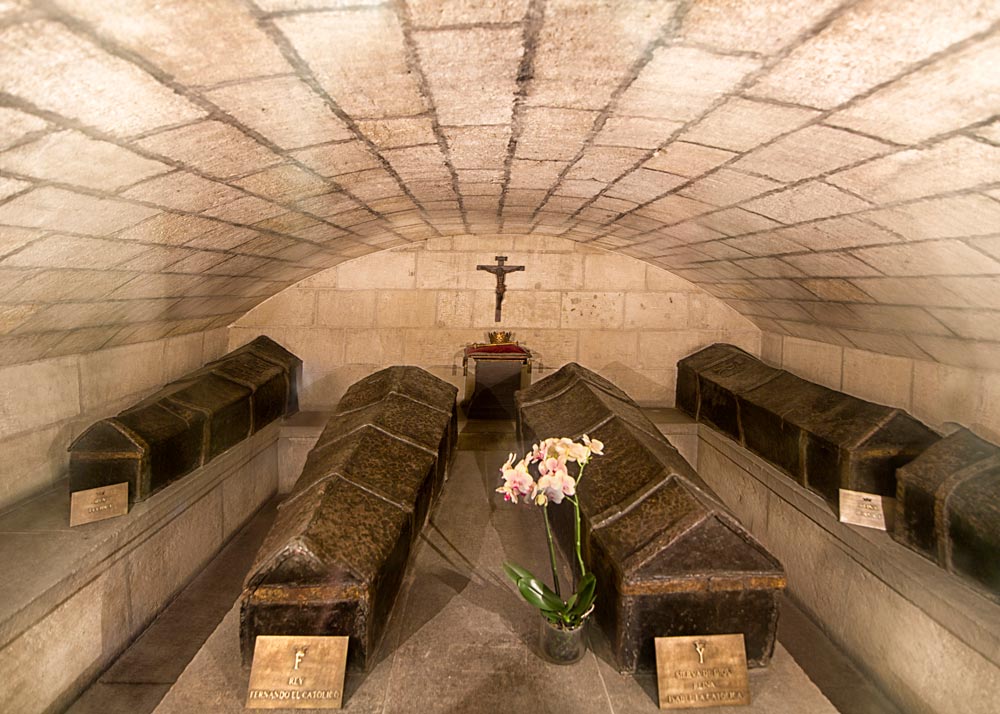
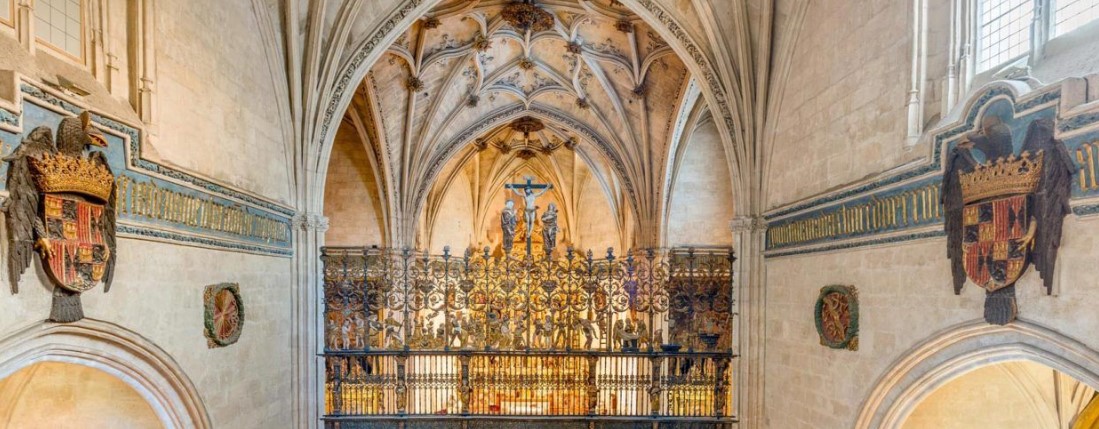
The Royal Chapel of Granada (Capilla Real de Granada) is one of the most historically significant monuments in Spain. Located next to the Granada Cathedral in the heart of the city, this Gothic-style chapel is the final resting place of Ferdinand II of Aragon and Isabella I of Castile, the Catholic Monarchs who united Spain and financed Christopher Columbus’s voyage to the New World.
History of the Royal Chapel of Granada
-Foundation: Commissioned in 1504 by the Catholic Monarchs as their burial site.
-Construction: Began in 1505 under architect Enrique Egas in the late Gothic style.
-Completion: Finished in 1517, shortly before Charles V added further embellishments.
-Purpose: Symbolized the triumph of Christianity after the Reconquista and Granada’s role as the last Muslim kingdom in Spain.
Architecture of the Royal Chapel of Granada
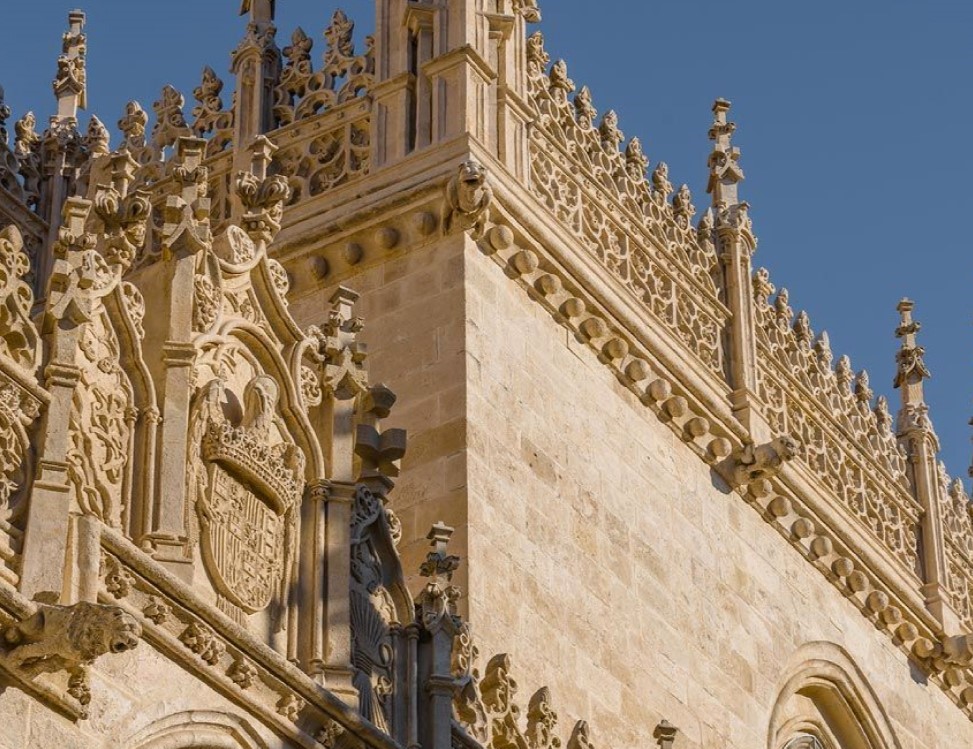
The chapel is a stunning example of Isabelline Gothic style.
-Exterior: Attached to Granada Cathedral, with an austere Gothic façade.
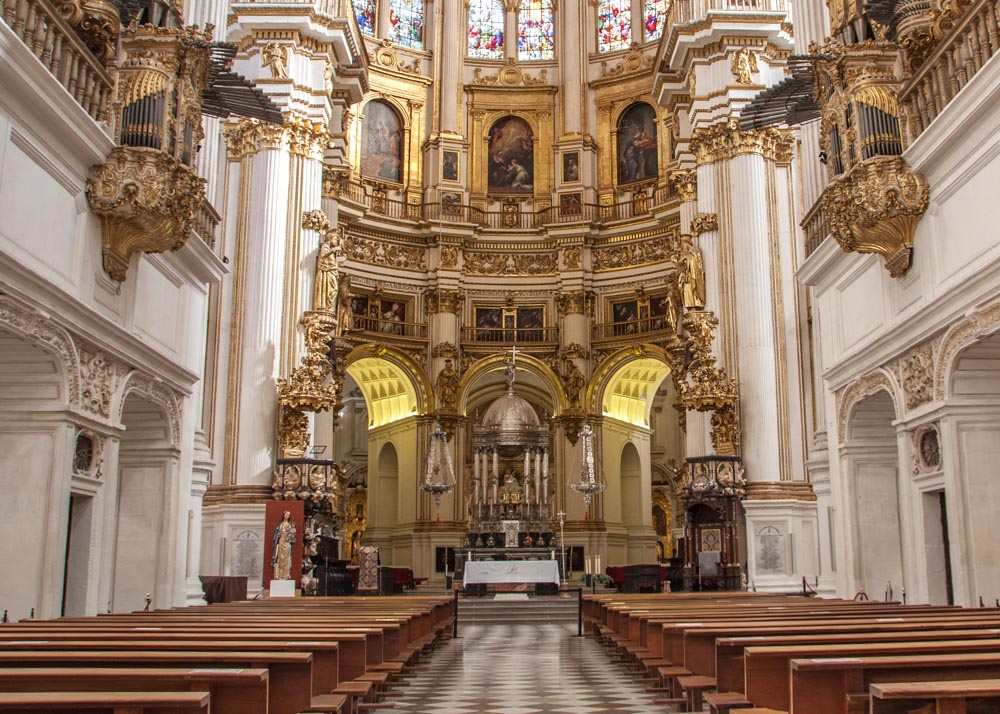
-Interior: High vaulted ceilings, elaborate stonework, and stained-glass windows.
-Royal Tombs: The marble tombs of Ferdinand and Isabella, as well as their daughter Joanna of Castile (Juana la Loca) and son-in-law Philip the Handsome (Felipe el Hermoso).
-Sarcophagi: Sculpted by Domenico Fancelli and Bartolomé Ordóñez, among the finest Renaissance funerary works in Spain.
Treasures and Collections in the Royal Chapel
The chapel houses a museum with an extraordinary collection of art and relics.
-Flemish Paintings: Works by artists such as Rogier van der Weyden, Hans Memling, and Dirk Bouts.
-Relics of the Monarchs: Queen Isabella’s crown, scepter, and personal prayer books.
-Liturgical Objects: Precious chalices, vestments, and religious artifacts.
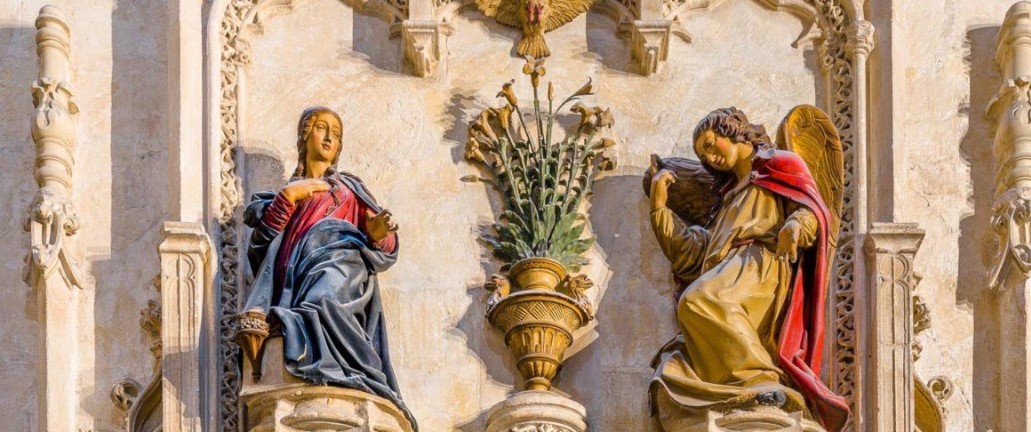
-Sculptures: Exquisite examples of Renaissance and Gothic religious art.
Must-See & Must-Do
Visiting the Royal Chapel
-Tickets: Very affordable, with audio guides available in several languages.
-Opening Hours: Open daily, though closed during major religious ceremonies.
-Guided Tours: Offer insights into the history of the monarchs and their legacy.
-Photography: Restricted inside due to the preservation of artwork.
Climate in Granada for Visiting the Royal Chapel
-Spring (Mar–May): Pleasant weather, ideal for exploring the historic center.
-Summer (Jun–Aug): Hot, so morning visits are recommended.
-Autumn (Sep–Nov): Mild temperatures and fewer crowds.
-Winter (Dec–Feb): Cool but comfortable for sightseeing.
Gastronomy Near the Royal Chapel
The chapel is surrounded by lively streets filled with restaurants, tapas bars, and cafés.
-Tapas Tradition: Enjoy free tapas with your drink, a unique custom in Granada.
-Local specialties: Piononos (sweet pastries), tortilla del Sacromonte, berenjenas con miel (eggplants with honey).
-Arab-inspired cafés: Tea houses serving mint tea and Middle Eastern sweets.
Accommodation Near the Royal Chapel
-Luxury: Boutique hotels with views of the cathedral and Alhambra.
-Mid-range: Charming Andalusian-style hotels in the old town.
-Budget: Affordable hostels and apartments within walking distance.
How to Get to the Royal Chapel
-By Foot: Centrally located, easily accessible from all major attractions.
-By Bus: Several local buses stop at nearby Gran Vía de Colón.
-By Taxi: Fast and convenient, especially from the Alhambra or train station.
-By Car: Parking available in nearby garages, but the old town is best explored on foot.
Nearby Attractions to the Royal Chapel
-Granada Cathedral: Right next door, one of Spain’s first Renaissance cathedrals.
-Alcaicería Market: A traditional Moorish-style bazaar.
-Alhambra: The city’s crown jewel, just 20 minutes uphill.
-Albayzín Quarter: Moorish neighborhood with winding streets and viewpoints.
-Plaza Nueva: Bustling square filled with cafés and nightlife.
Travel Tips for Visiting the Royal Chapel
-Allow at least 1 hour to appreciate the chapel and museum.
-Buy a combined ticket with Granada Cathedral for the best value.
-Use an audio guide to fully understand the art and history.
-Visit early morning or late afternoon for a quieter experience.
-Respect the silence inside, as it remains a sacred space.
Similar Listing
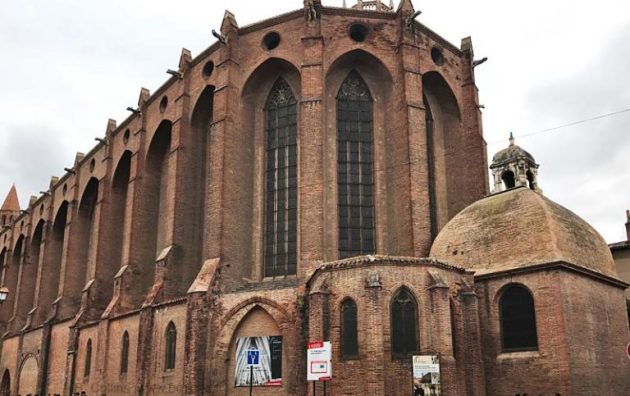
Church of the Jacobins, Toulouse
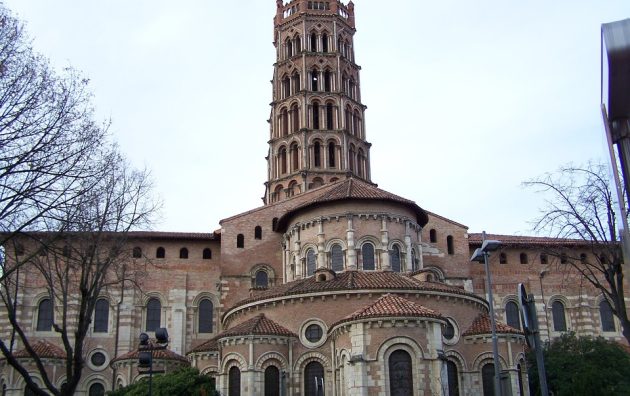
Basilica of Saint-Sernin, Toulouse
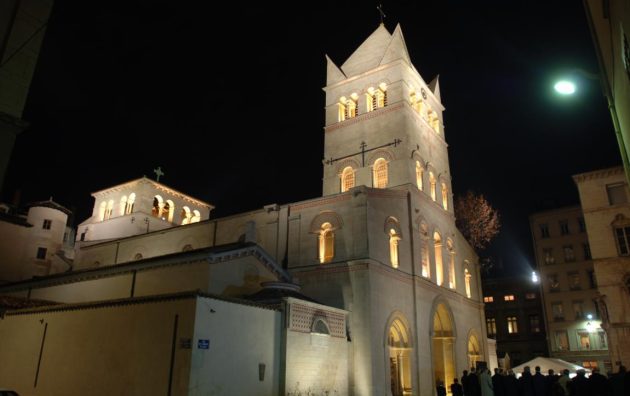
Basilica of Saint-Martin d’Ainay, Lyon
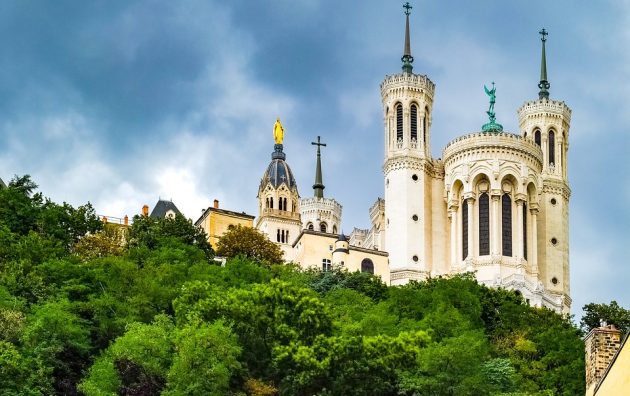
Basilica of Notre-Dame de Fourvière, Lyon
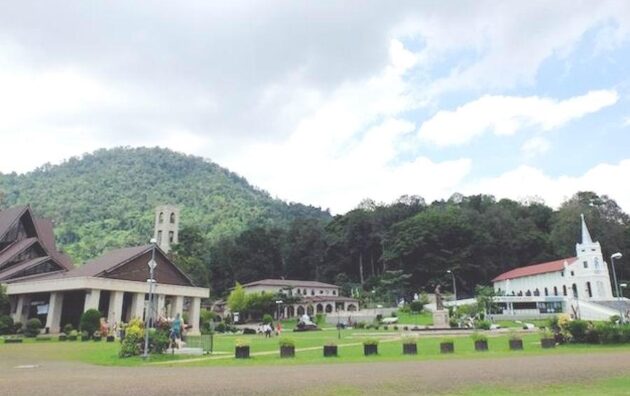
Minor Basilica of St. Anne, Seberang Perai
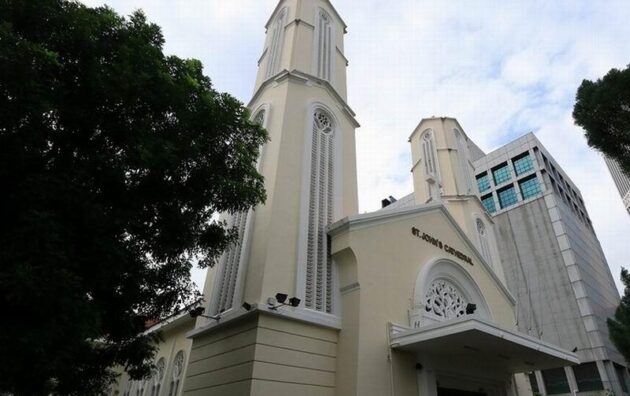
St. John’s Cathedral, Kuala Lumpur
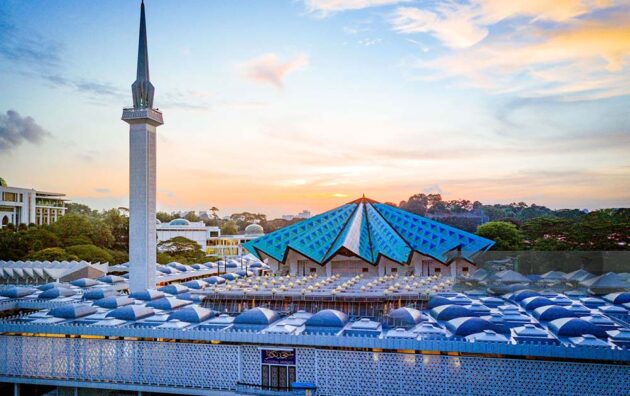
National Mosque of Malaysia
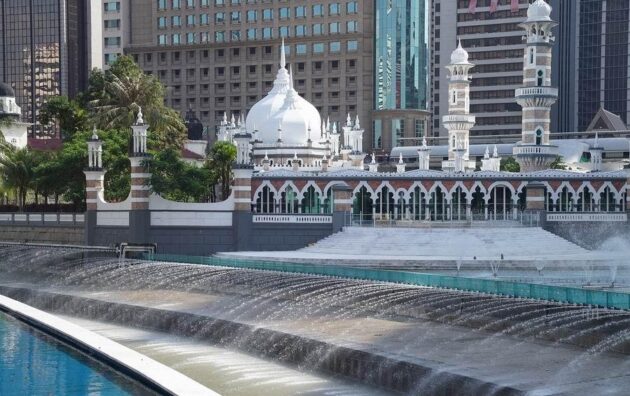
Jamek Mosque, Kuala Lampur
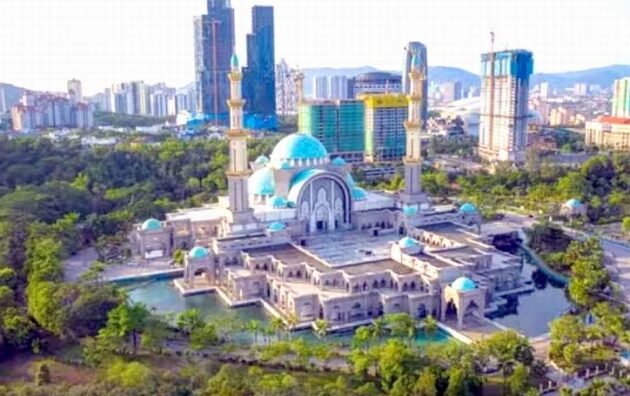
Federal Territory Mosque, Kuala Lampur
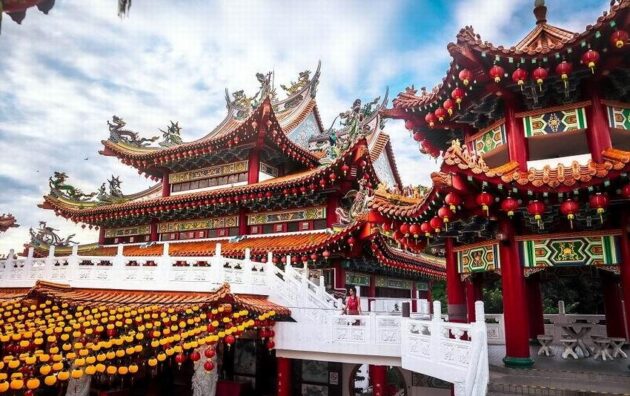
Thean Hou Temple
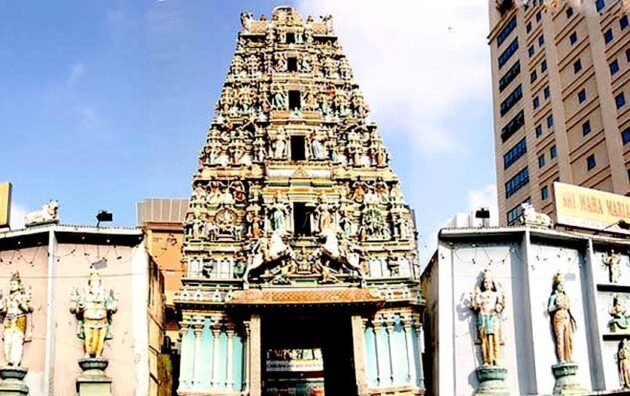
Sri Mahamariamman Temple

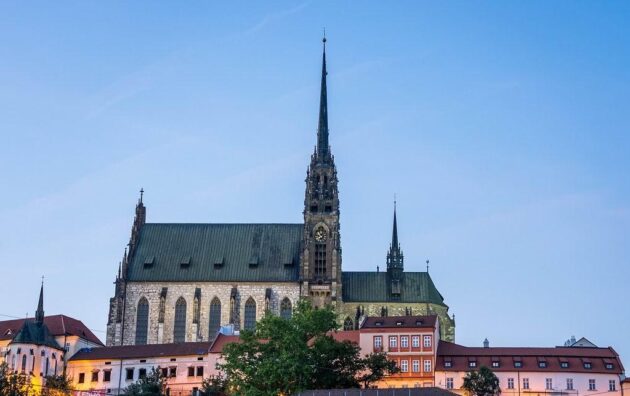
Cathedral of St. Peter and Paul, Brno

Exploring the Duomo di Milano
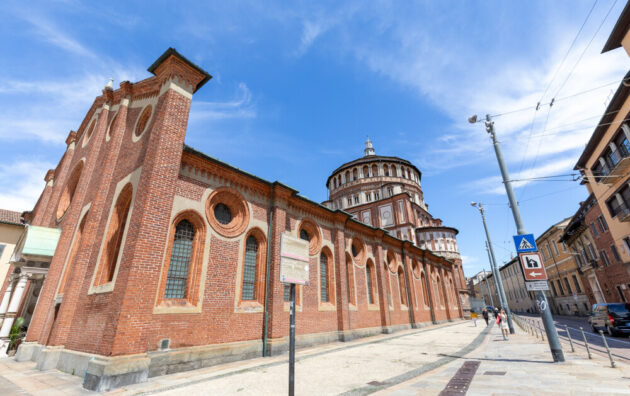
Exploring Santa Maria delle Grazie
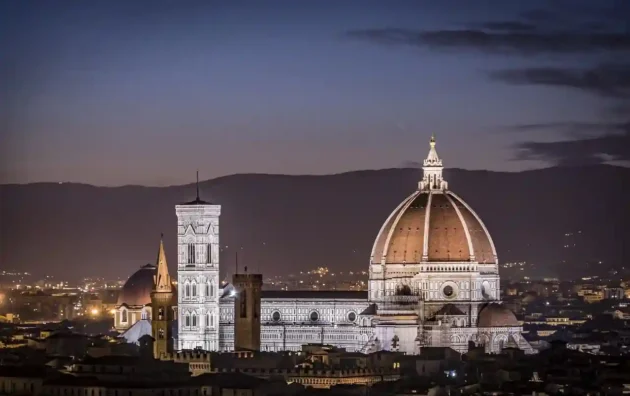
Santa Maria del Fiore, Florence
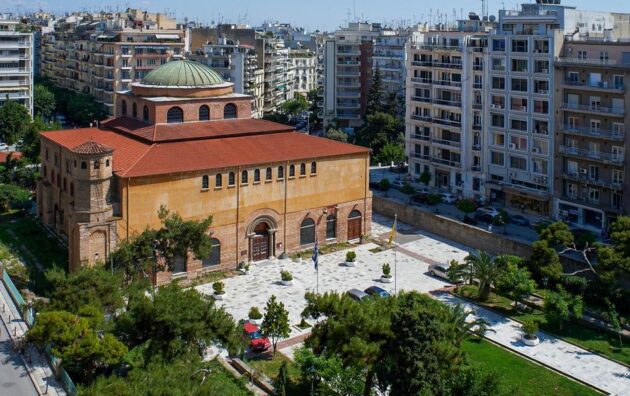
Hagia Sophia, Thessaloniki
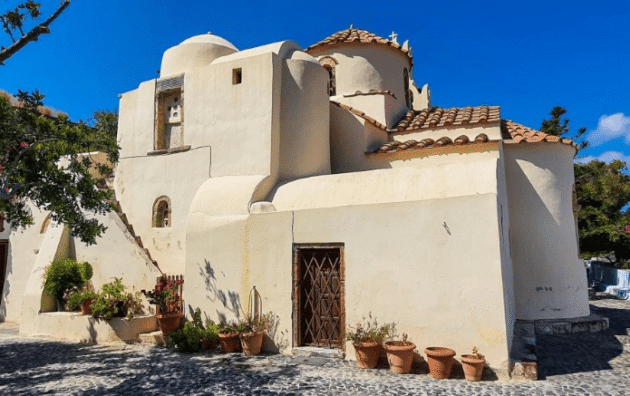
Panagia Episkopi, Santorini
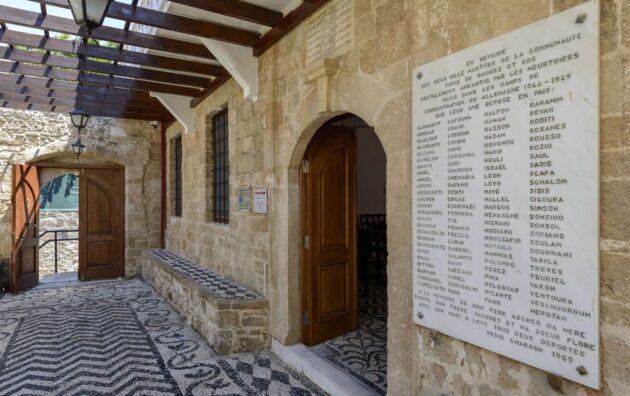
Kahal Shalom Synagogue, Rhodes