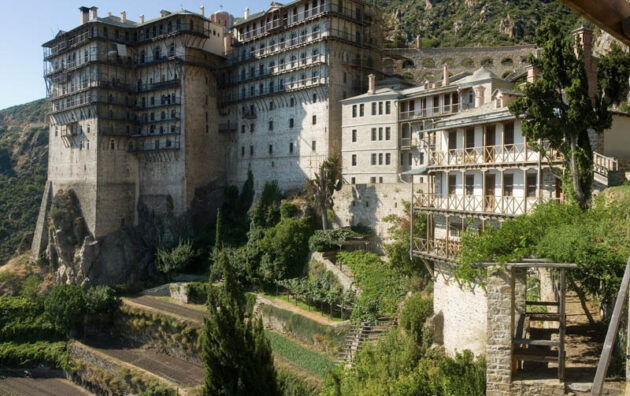
Monastery of Stavronikita, Mount Athos
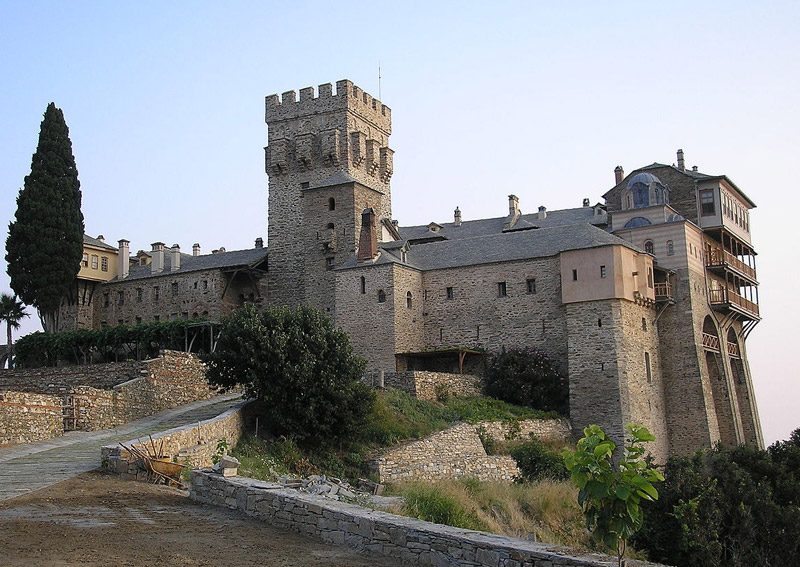
Destination Description
The Monastery of Stavronikita on Mount Athos, Greece, is the smallest of the twenty Athonite monasteries, yet one of the most historically and spiritually significant. Built on a rocky coastal site, it is admired for its Byzantine architecture, iconic treasures, and peaceful setting.
History and Foundation
The monastery was originally founded in the 10th century. Its name, Stavronikita, is believed to come either from its early benefactors (Stavros and Nikitas) or from the combination of the words stavros (cross) and Niketas (a saint).
Over the centuries, Stavronikita faced destruction from pirate attacks and fires, but it was rebuilt multiple times. In the 16th century, Patriarch Jeremias I restored the monastery and secured financial support, which helped it thrive.
Today, Stavronikita holds 15th place in the Athonite hierarchy of monasteries.
Architecture and Treasures
Despite its small size, Stavronikita is rich in artistic and spiritual heritage.
-Katholikon (Main Church) – dedicated to St. Nicholas and decorated with 16th-century frescoes by the famous painter Theophanes the Cretan.
-The Icon of St. Nicholas “Streidas” – one of the most famous Athonite icons, depicting St. Nicholas with an oyster embedded in its surface, symbolizing his miraculous power.
-Library – containing manuscripts, codices, and rare theological works.
-Fortified walls – reflecting its need for defense against pirate raids.
-Seaside setting – built on a rocky cliff with stunning views of the Aegean Sea.
Location and Access
Stavronikita Monastery is located on the northeastern coast of Mount Athos, between Pantokratoros and Iviron Monasteries.
Pilgrims usually arrive by ferry from Ouranoupolis and then travel on foot or by boat along the coast. As with all monasteries on Athos, entry is restricted to men with a Diamonitirion permit, which must be arranged in advance.
The Monastery of Stavronikita on Mount Athos may be the smallest of the Athonite monasteries, but it holds great importance for Orthodox spirituality and Byzantine heritage. With its famous icon of St. Nicholas, stunning frescoes, and serene seaside location, it is a true jewel of the Holy Mountain.
Must-See & Must-Do
Spiritual Life at Stavronikita
Though the monastery is small, it has a vibrant monastic community devoted to prayer, work, and hospitality. Pilgrims are welcomed with traditional Athonite meals, participation in services, and the opportunity to venerate the miraculous icon of St. Nicholas.
The quiet and intimate atmosphere of Stavronikita makes it one of the most spiritually rewarding monasteries to visit.
Travel Tips for Visitors
-Apply early for the Diamonitirion permit – only a limited number of visitors per day are allowed.
-Dress modestly – long trousers and simple clothing are required.
-Stay overnight if possible – to experience the peaceful rhythm of Athonite life.
-Bring good shoes – the monastery is located on rocky terrain.
-Respect monastic rules – silence, reverence, and no photography inside churches.
Nearby Attractions
-Pantokratoros Monastery – a larger fortress-like monastery nearby.
-Iviron Monastery – one of the most famous Athonite monasteries, home to the miracle-working icon “Portaitissa.”
-Scenic coastal trails – ideal for hiking between monasteries with sea views.
Similar Listing
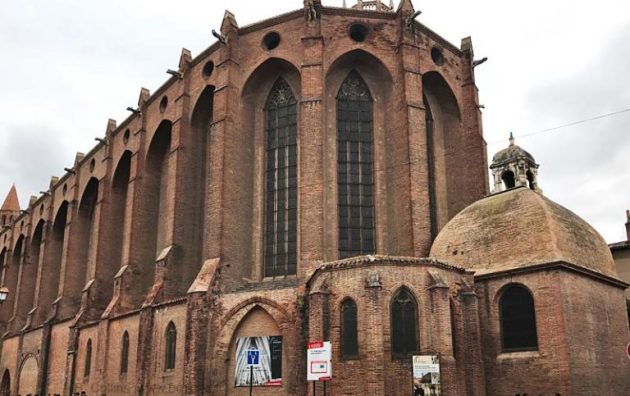
Church of the Jacobins, Toulouse
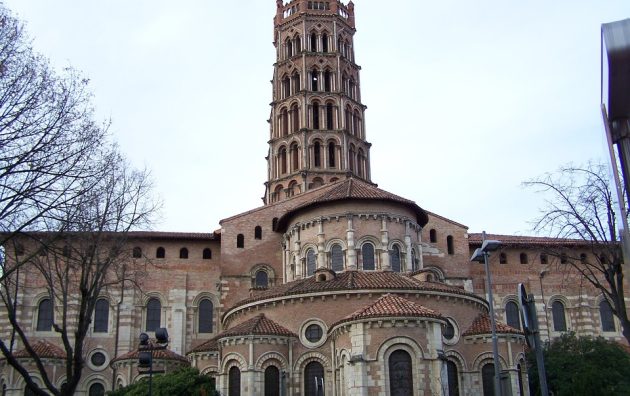
Basilica of Saint-Sernin, Toulouse
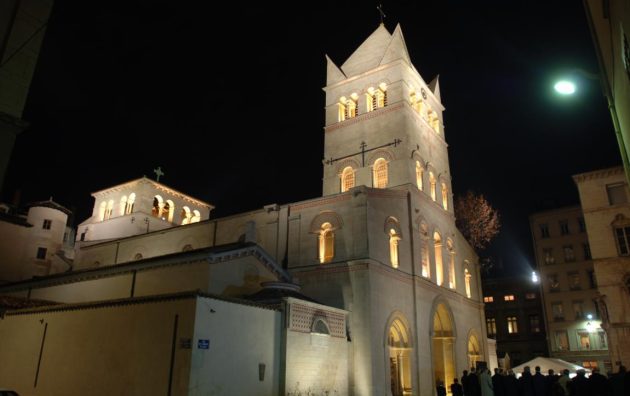
Basilica of Saint-Martin d’Ainay, Lyon
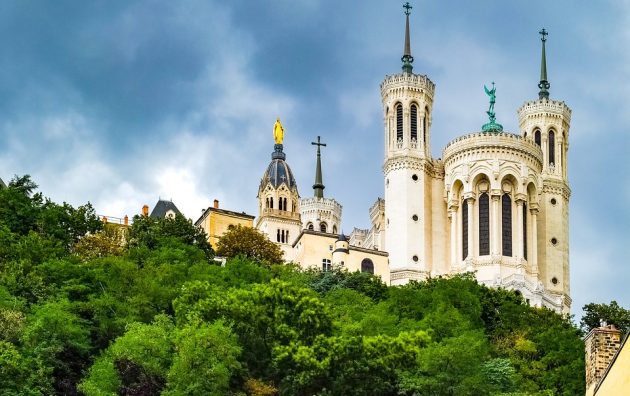
Basilica of Notre-Dame de Fourvière, Lyon
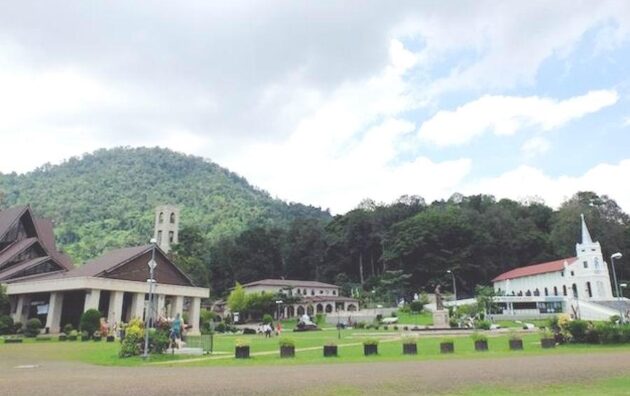
Minor Basilica of St. Anne, Seberang Perai
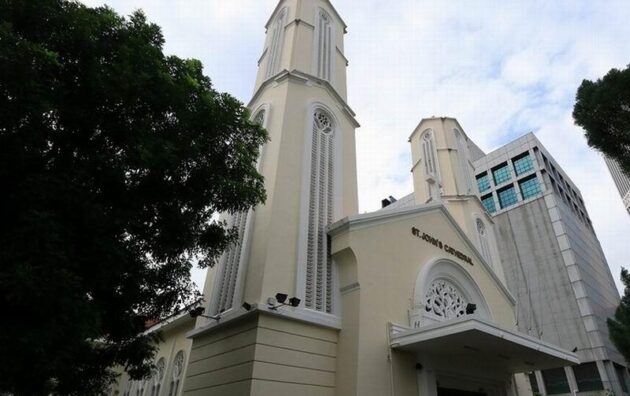
St. John’s Cathedral, Kuala Lumpur
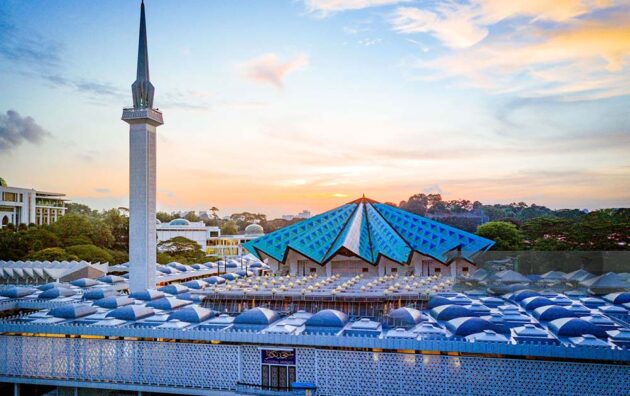
National Mosque of Malaysia
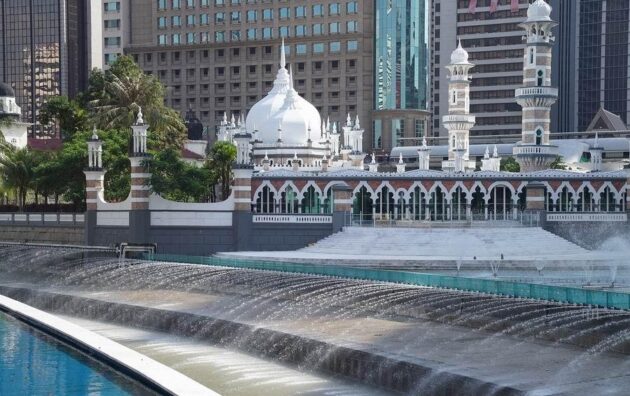
Jamek Mosque, Kuala Lampur
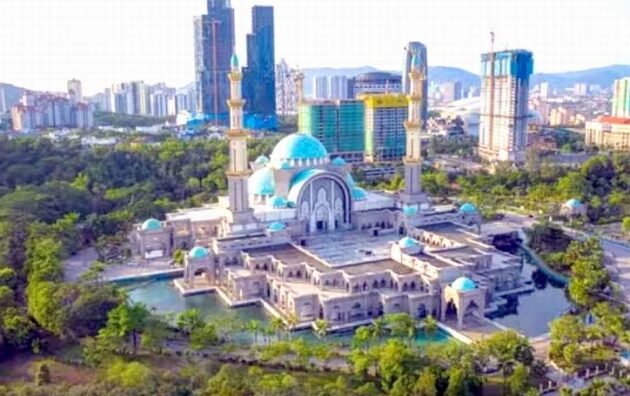
Federal Territory Mosque, Kuala Lampur
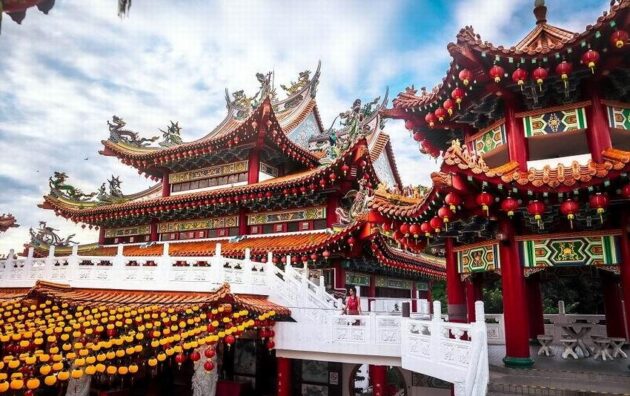
Thean Hou Temple
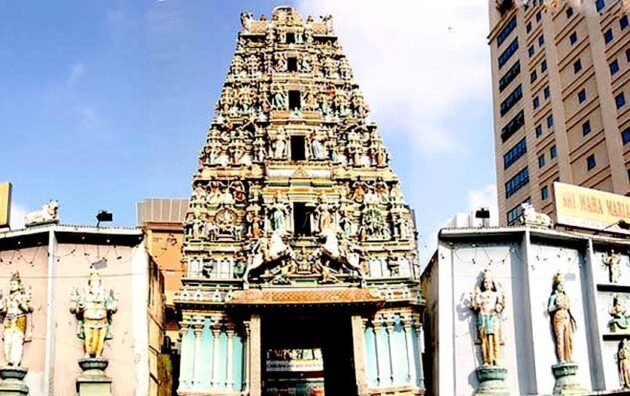
Sri Mahamariamman Temple
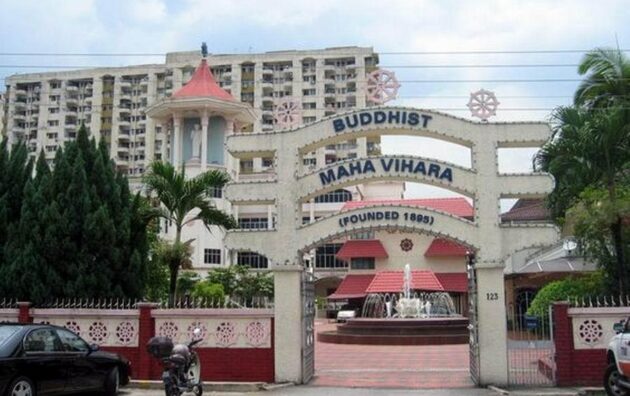
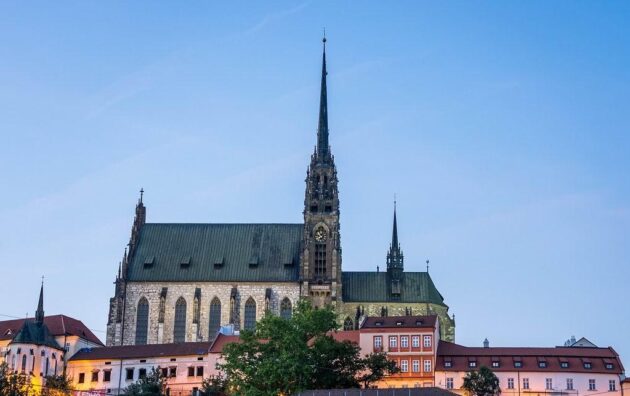
Cathedral of St. Peter and Paul, Brno
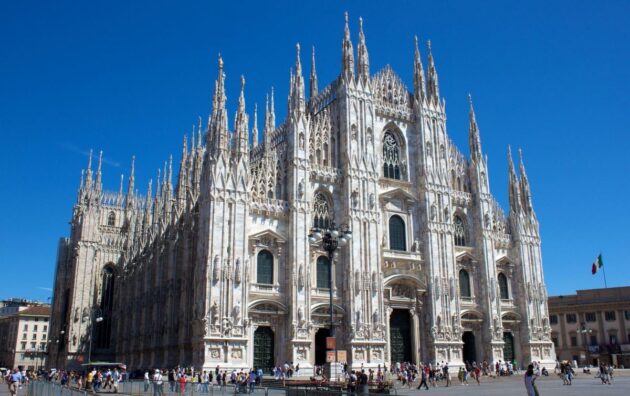
Exploring the Duomo di Milano
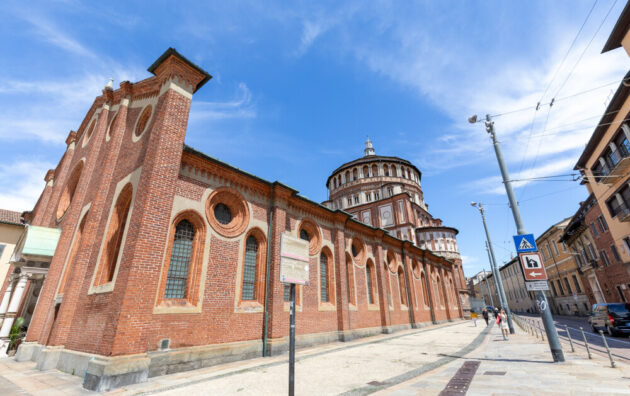
Exploring Santa Maria delle Grazie
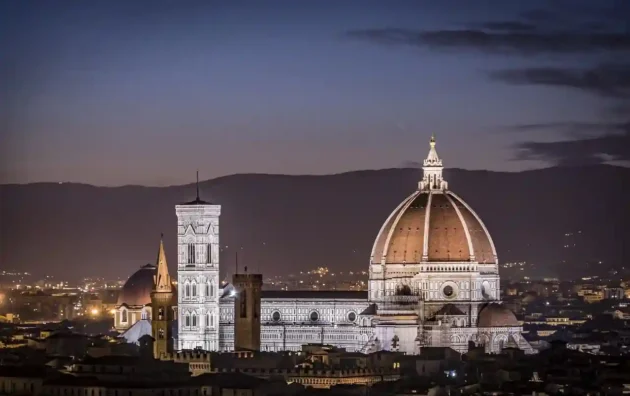
Santa Maria del Fiore, Florence
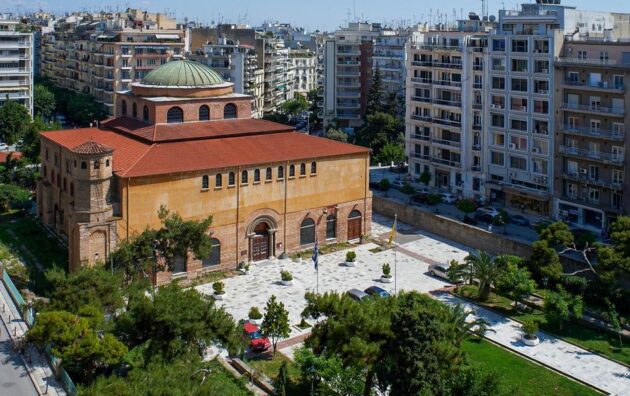
Hagia Sophia, Thessaloniki
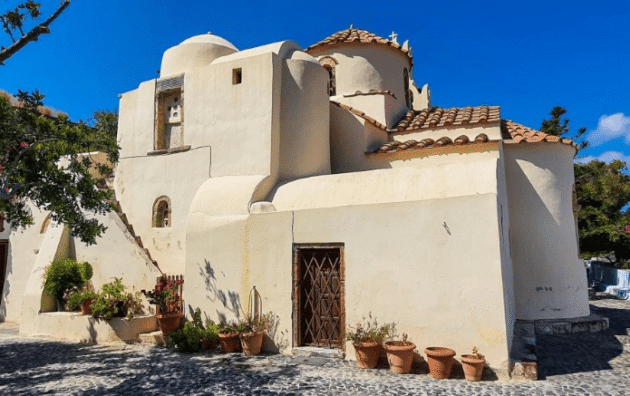
Panagia Episkopi, Santorini
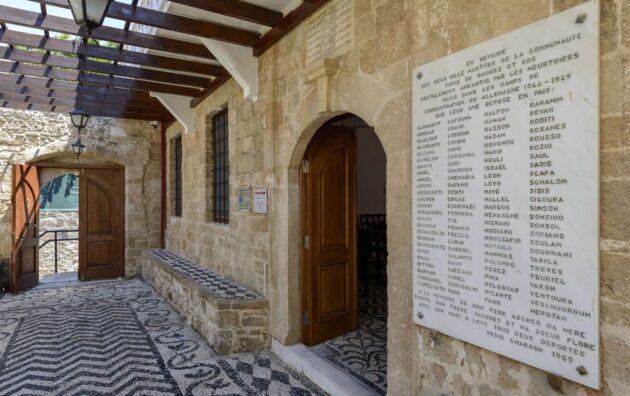
Kahal Shalom Synagogue, Rhodes