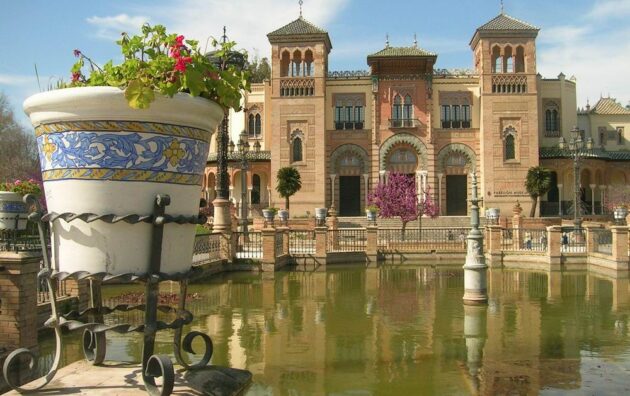
Heraklion Archaeological Museum
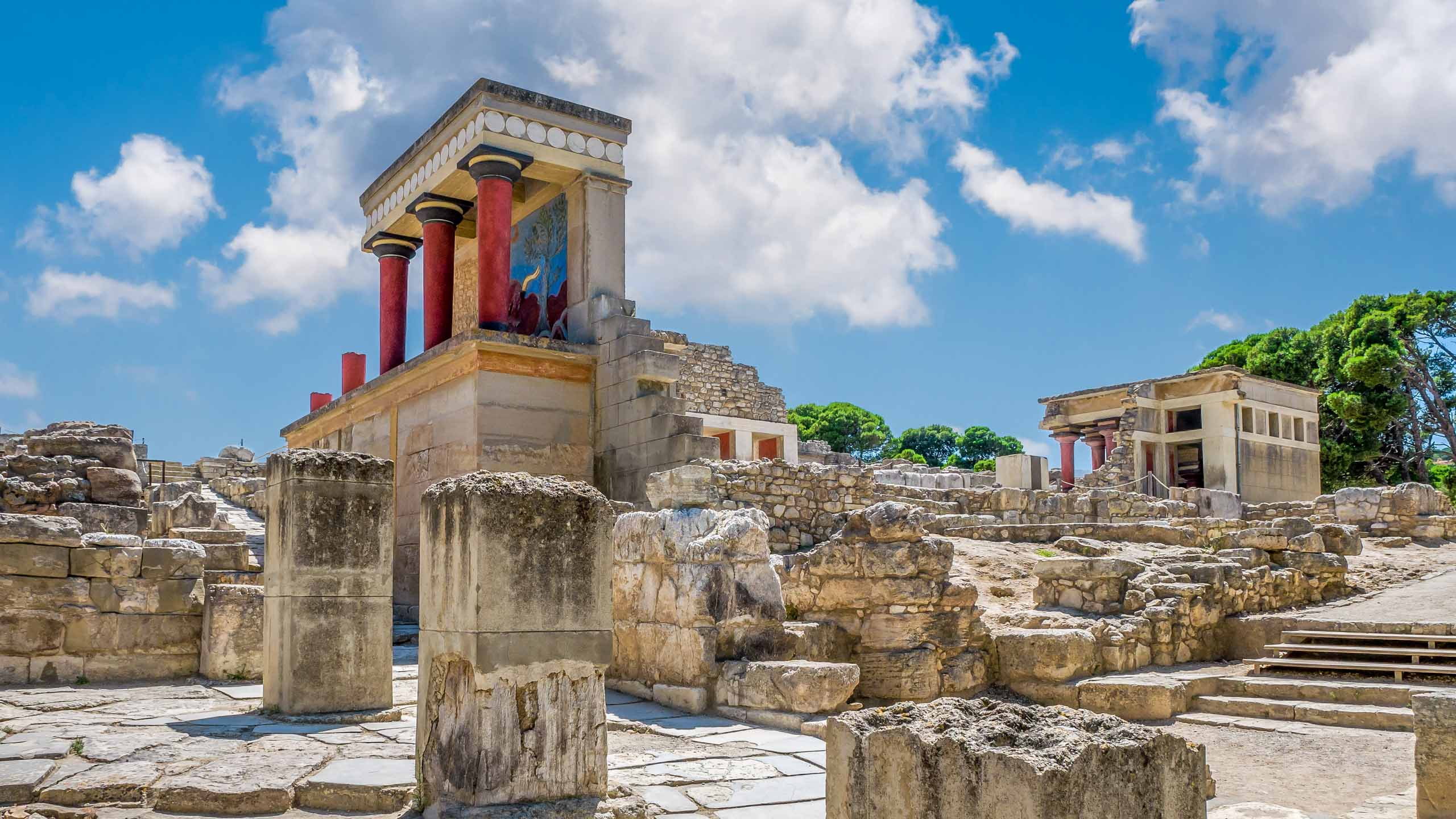
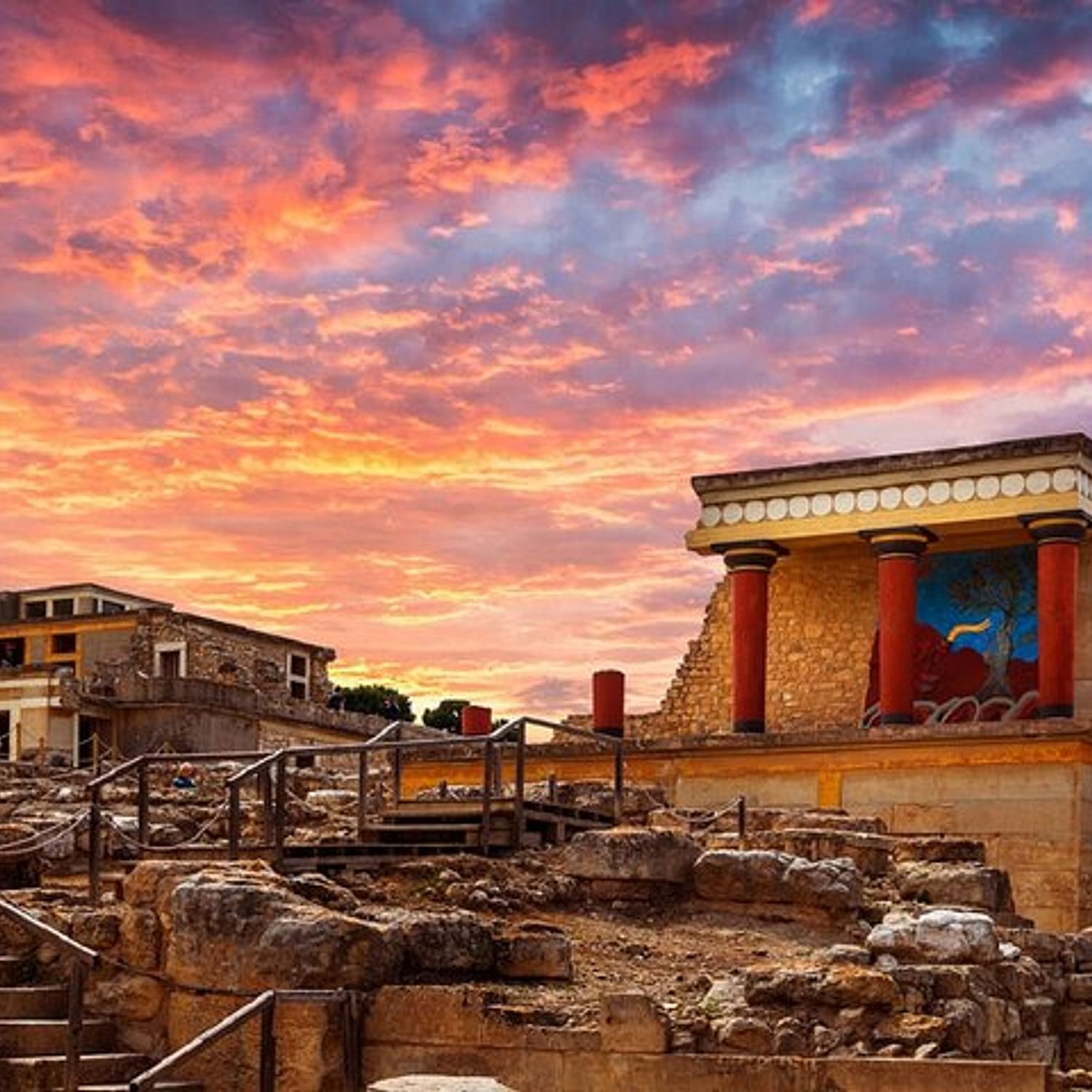
Destination Description
The Heraklion Archaeological Museum is one of the most important museums in Greece and among the most significant in Europe. Located in the heart of Heraklion, Crete, it houses the world’s most comprehensive collection of artifacts from the Minoan civilization, the first advanced society in Europe.
For history lovers, culture seekers, and curious travelers, this museum is an unmissable stop on any Crete itinerary.
A Brief History of the Museum
The museum was established in 1883 and has since become the central hub for archaeological discoveries in Crete. It underwent major renovations in recent decades, transforming into a modern, world-class exhibition space while preserving its traditional charm.
What to See in the Heraklion Archaeological Museum
The museum’s collection spans over 5,500 years of history, from the Neolithic period to Roman times.
-Minoan Frescoes – The famous Prince of the Lilies, Dolphin Fresco, and Bull-Leaping Fresco, showcasing vibrant colors and artistic mastery.
-The Phaistos Disc – A mysterious clay disc dating back to around 1700 BC, inscribed with undeciphered symbols.
-Snake Goddess Figurines – Symbolic representations of female deities from the Minoan era.
-Minoan Jewelry & Pottery – Exquisite craftsmanship that reflects the sophistication of Minoan society.
-Linear A and Linear B Tablets – Early forms of written language in Europe.
-Artifacts from Knossos, Phaistos, Malia, and Zakros – Objects discovered in Crete’s most important archaeological sites.
Must-See & Must-Do
Visitor Information
-Location: Xanthoudidou Street, near the center of Heraklion.
-Opening Hours: Vary seasonally, but generally 8:00 AM – 8:00 PM in summer. (Check official site for updates).
-Tickets: Around €12, with reduced tickets available. A combined ticket with Knossos Palace is also available and highly recommended.
-Facilities: Café, gift shop, and accessible areas for all visitors.
Travel Tips for Visiting the Museum
-Combine with Knossos Palace – Start your morning at Knossos, then visit the museum to see the artifacts in context.
-Go Early or Late – To avoid crowds, especially during peak tourist season.
-Allow at Least 2 Hours – The museum is extensive, and history lovers could easily spend half a day.
-Photography – Allowed in most areas (without flash), perfect for capturing the highlights.
-Guided Tours – Consider hiring a guide or using an audio guide for deeper insights into the exhibits.
Similar Listing

National Museum, Kuala Lumpur
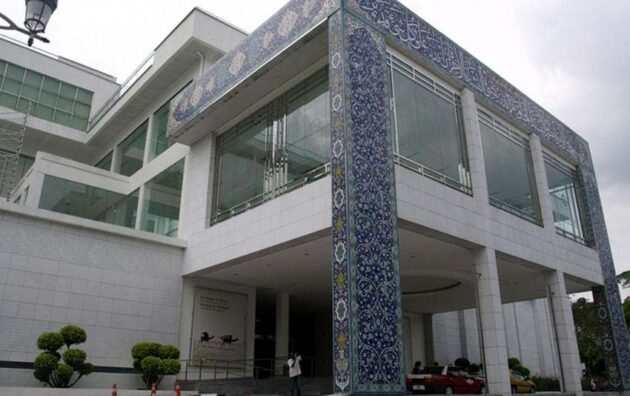
Islamic Arts Museum Malaysia
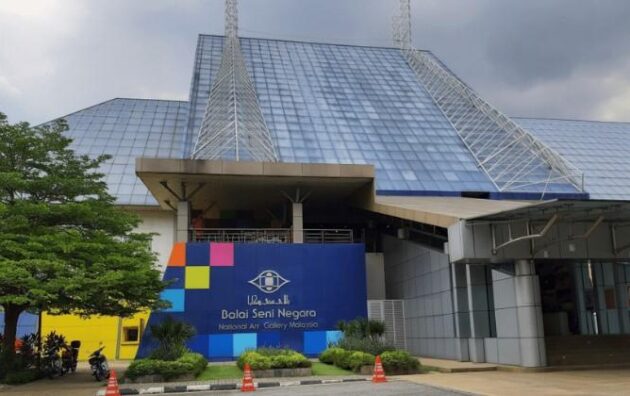
National Visual Arts Gallery, Kuala Lumpur

Museum of Decorative Arts in Prague
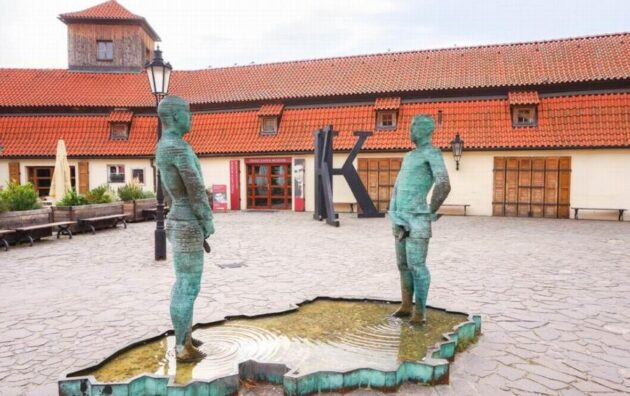
Franz Kafka Museum, Prague
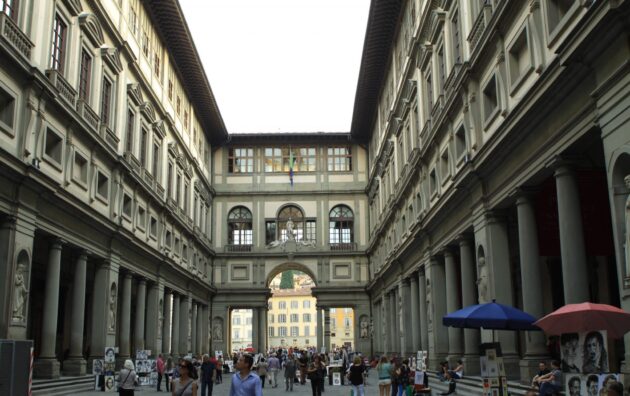
Galleria degli Uffizi, Florence
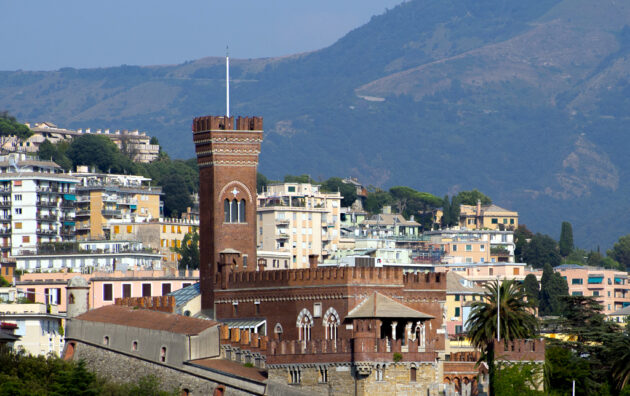
D’Albertis Castle, Genoa
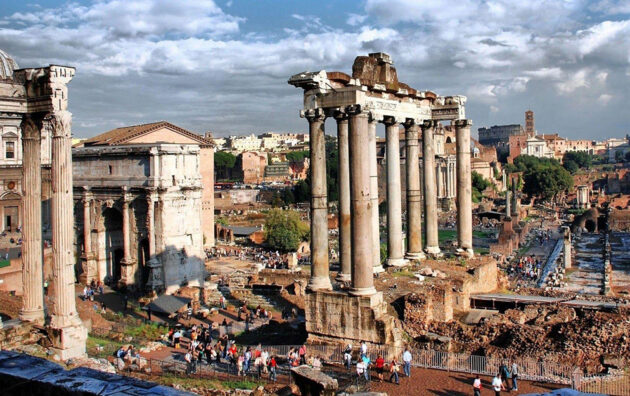
Exploring the Roman Forum
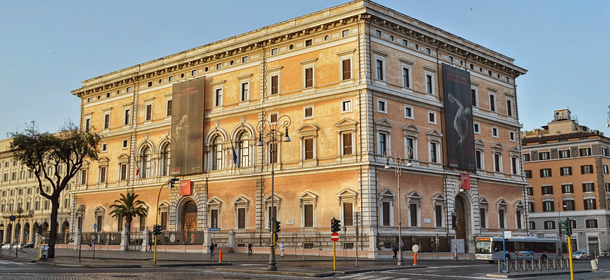
Exploring the National Roman Museum in Rome
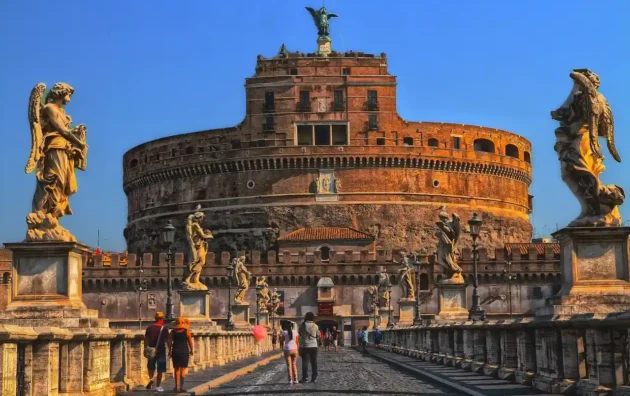
Discover Castel Sant’Angelo

Thessaloniki Science Center and Technology Museum
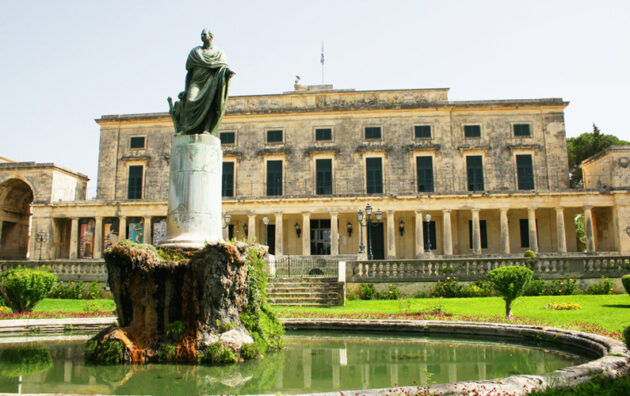
Archaeological Museum of Corfu
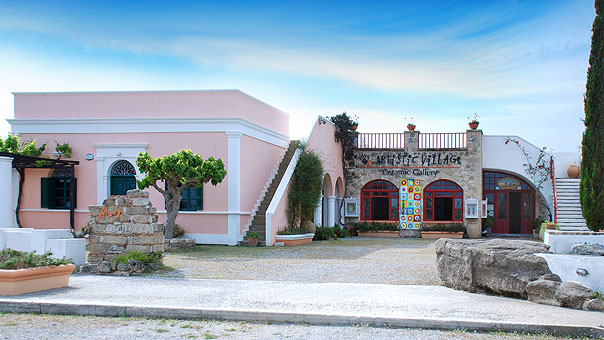
Artistic Village – Museum of Ceramic Art in Rhodes, Greece
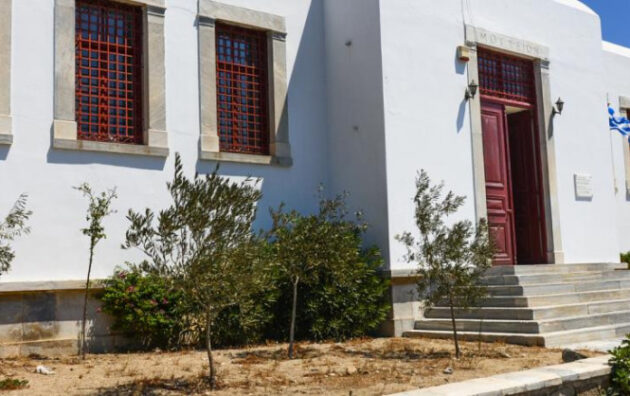
Archaeological Museum of Mykonos
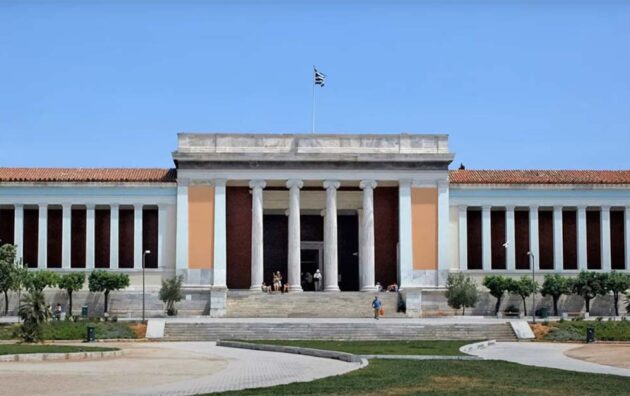
National Archaeological Museum, Athens

Museum of the Revolution Havana
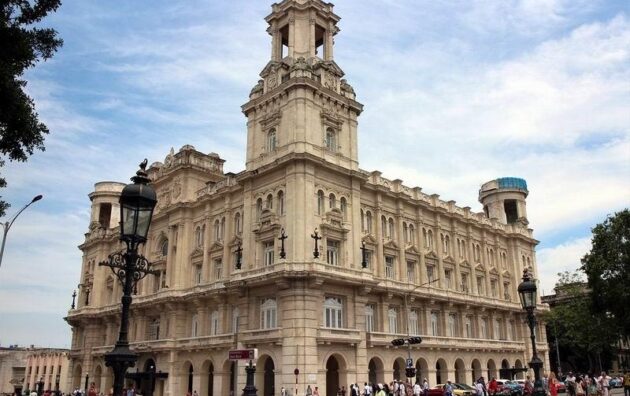
National Museum of Fine Arts of Havana
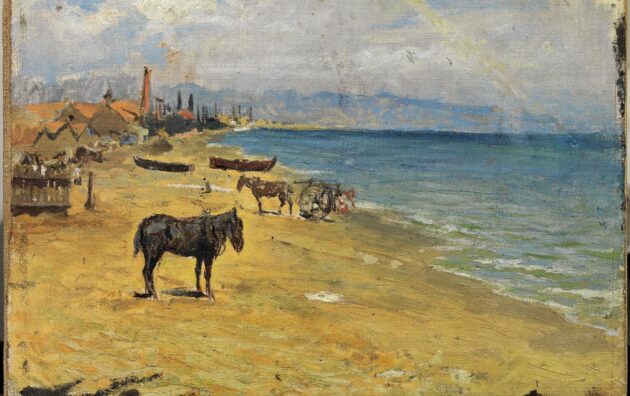
Museu Picasso, Barcelona
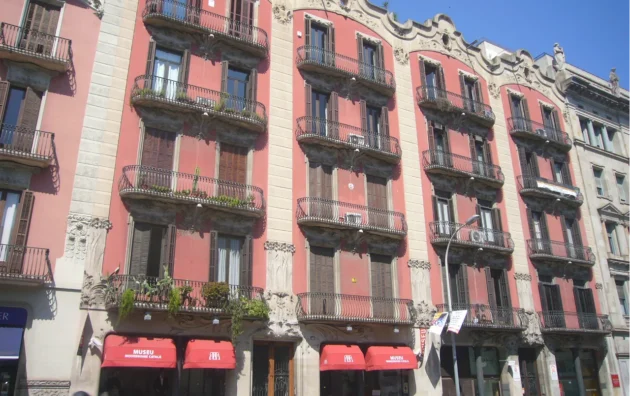
Museu del Modernisme Barcelona