Museum of the Revolution Havana
Destination Description
At the Havana Revolutionary Museum, you’ll find exhibits, iconic artifacts, nearby attractions, and travel information about the Cuban Revolution.
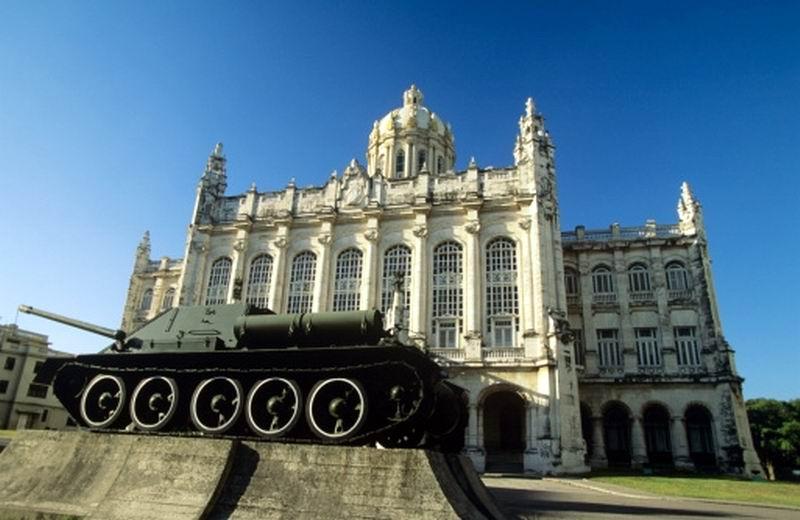
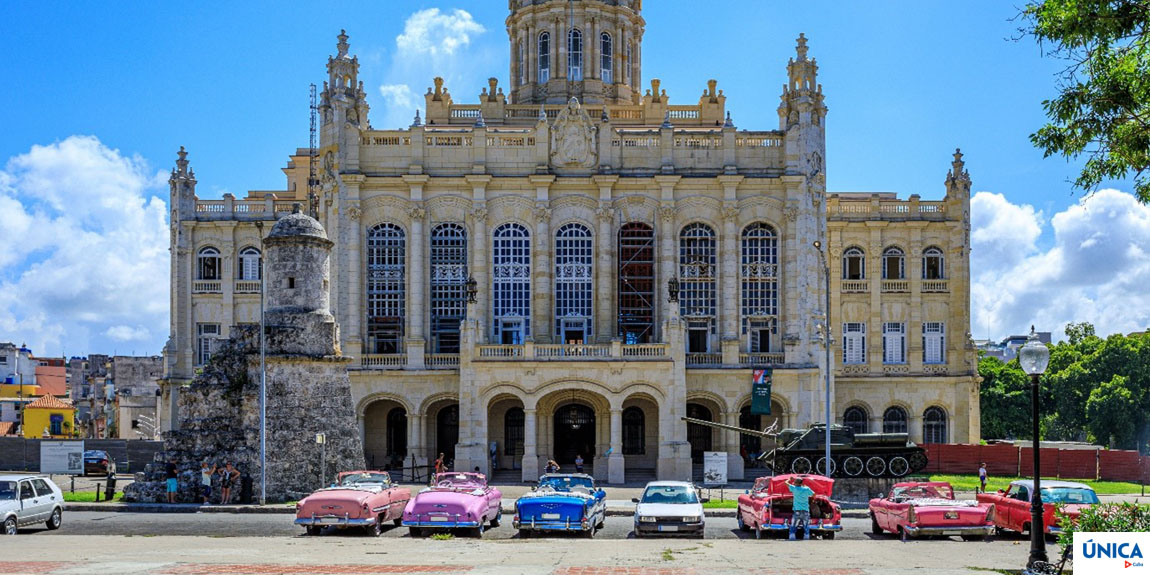
The Museum of the Revolution (Museo de la Revolución) is one of the most important landmarks in Havana, Cuba. Located in the former Presidential Palace, this museum tells the story of Cuba’s revolutionary history, from colonial struggles to the 1959 triumph led by Fidel Castro, Che Guevara, and Camilo Cienfuegos. With its impressive neoclassical architecture and powerful exhibits, the museum is a must-visit for history lovers and curious travelers alike.
A Brief History of the Building
The museum is housed in the Presidential Palace, completed in 1920 and designed by Cuban architect Carlos Maruri with Belgian architect Paul Belau. For decades, it served as the official residence and office of Cuba’s presidents. After the Cuban Revolution in 1959, the palace was transformed into the Museum of the Revolution to preserve and share the story of Cuba’s struggle for independence and socialism.
Exhibits and Highlights
Revolutionary History
The museum chronicles Cuba’s journey from colonial times through the wars of independence against Spain, the rise of revolutionary movements in the 20th century, and the eventual triumph of January 1, 1959.
Key Displays
-Artifacts of Fidel Castro and Che Guevara: Personal belongings, uniforms, and weapons.
-Granma Yacht: The vessel that carried Castro, Che, and 80 other revolutionaries from Mexico to Cuba in 1956. The yacht is displayed in a glass pavilion outside the main building.
-Cuban Independence Struggles: Exhibits on José Martí and 19th-century freedom fighters.
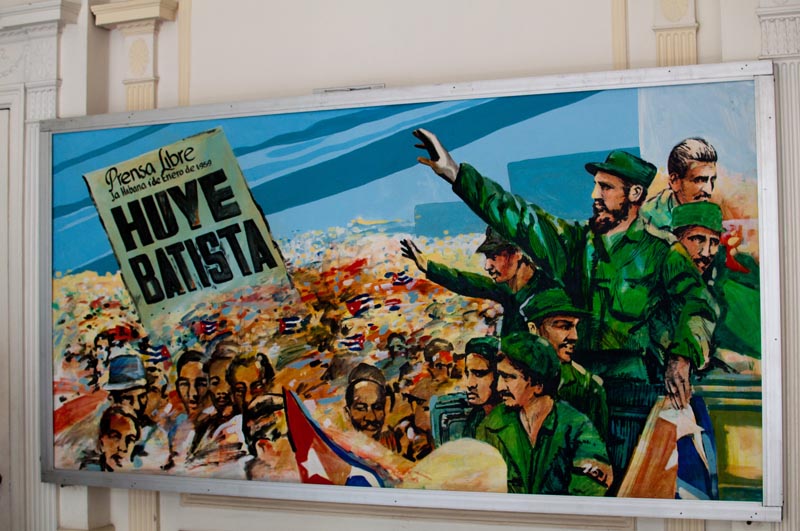
-Propaganda Art: Murals, photographs, and revolutionary posters.
Architecture
-The palace’s interior was decorated by Tiffany & Co., including ornate ceilings and grand staircases.
-The Hall of Mirrors resembles Versailles, adding a touch of grandeur to the revolutionary narrative.
Must-See & Must-Do
Visiting Information
-Opening Hours: Daily from 9:30 AM – 4:00 PM. Closed on some public holidays.
-Entry Fee: Around 4–5 USD equivalent in local currency.
-Guided Tours: Not always available, but signage offers English and Spanish explanations.
-Photography: Allowed, though some areas may have restrictions.
Visitor Tips
Plan at least 1–2 hours to explore the museum fully.
-The museum is more atmospheric than high-tech—expect a traditional exhibit style.
-Don’t miss the Granma Pavilion outside the main building.
Location and Transportation
-Address: Located near Parque Central, Old Havana.
-Walking: Easy to reach from central Old Havana attractions.
-Taxi: Classic car taxis can drop you off at the main entrance.
-Tour Buses: Hop-on hop-off buses stop nearby.
Nearby Restaurants and Cafés
-El Floridita: Famous for daiquiris and Hemingway’s visits.
-Los Nardos: Generous portions of Cuban and Spanish cuisine.
-La Guarida: Trendy rooftop restaurant, one of Havana’s most famous dining spots.
Accommodation Near the Museum
-Luxury: Gran Hotel Manzana Kempinski, Iberostar Parque Central.
-Mid-range: Hotel Inglaterra, Hotel Plaza.
-Budget: Casas Particulares in Old Havana for authentic local experiences.
Climate and Best Time to Visit
Havana’s tropical climate makes the museum accessible year-round.
-Dry Season (Nov–Apr): Best for sightseeing and walking tours around Old Havana.
-Wet Season (May–Oct): Hot and humid, making indoor museums a great escape during afternoon rains.
Similar Listing
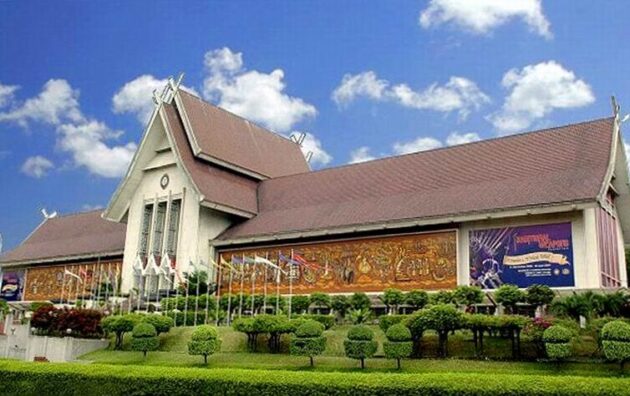
National Museum, Kuala Lumpur
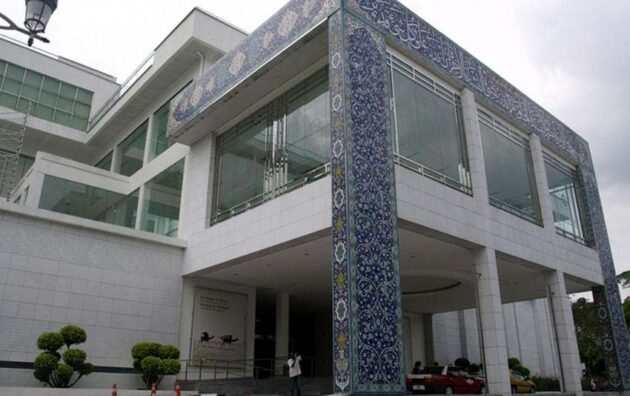
Islamic Arts Museum Malaysia
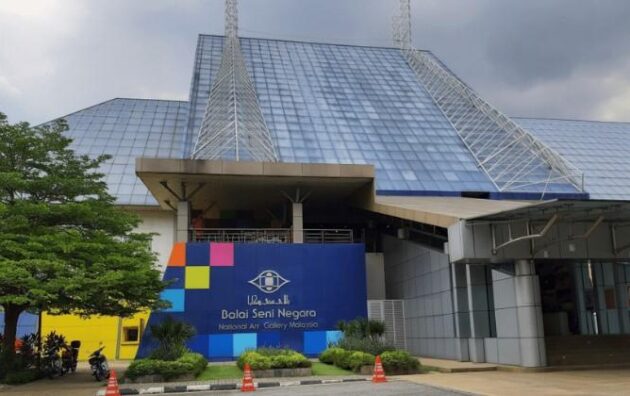
National Visual Arts Gallery, Kuala Lumpur
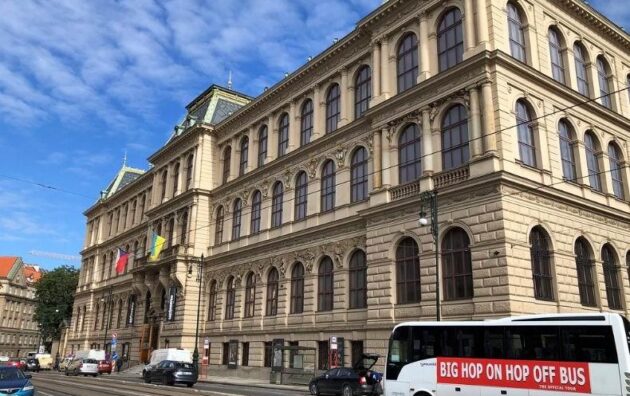
Museum of Decorative Arts in Prague
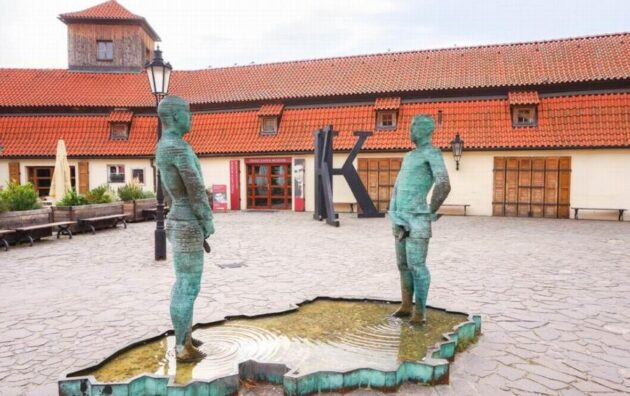
Franz Kafka Museum, Prague
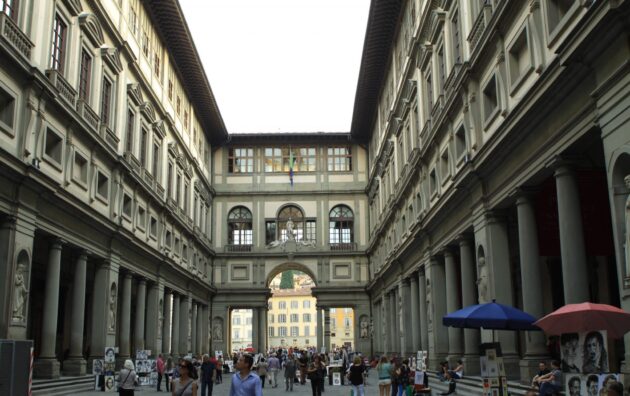
Galleria degli Uffizi, Florence
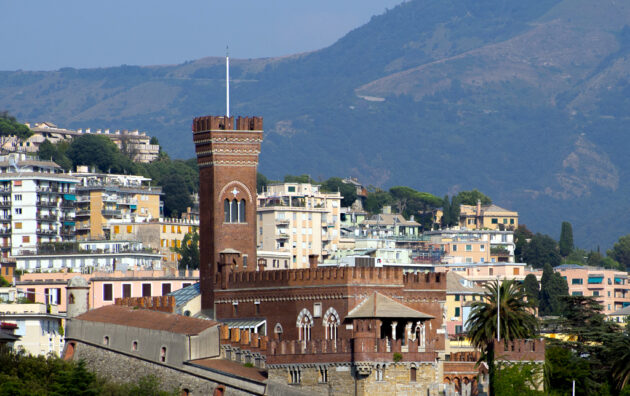
D’Albertis Castle, Genoa
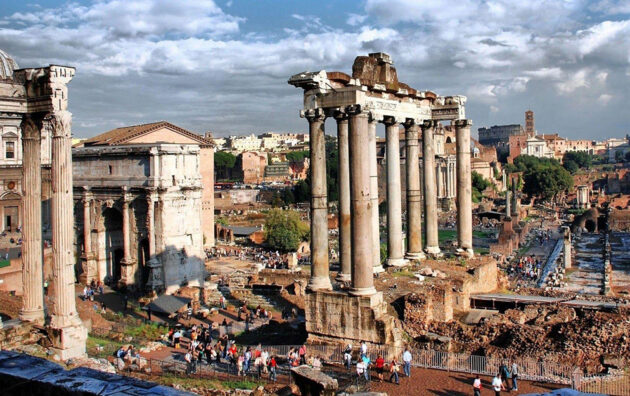
Exploring the Roman Forum
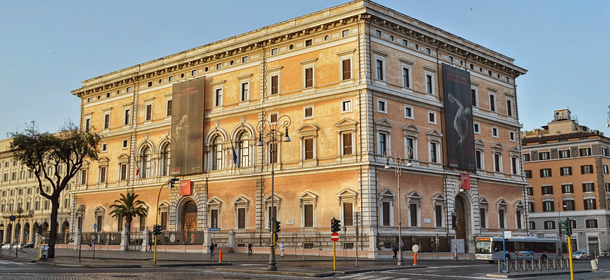
Exploring the National Roman Museum in Rome
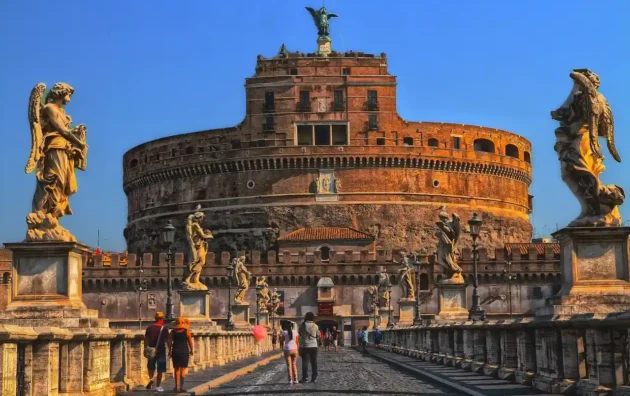
Discover Castel Sant’Angelo

Thessaloniki Science Center and Technology Museum
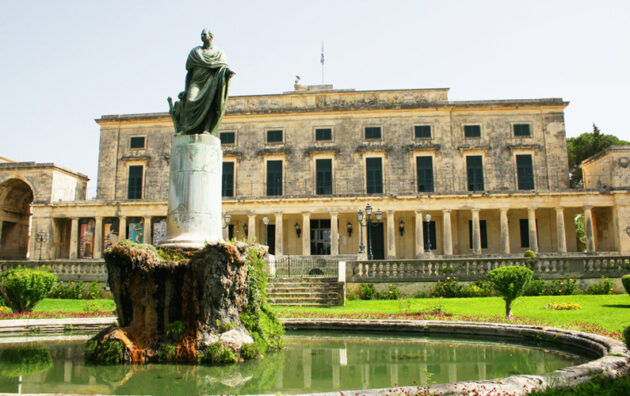
Archaeological Museum of Corfu
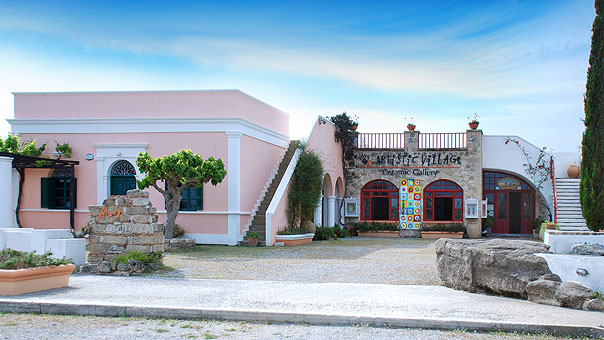
Artistic Village – Museum of Ceramic Art in Rhodes, Greece
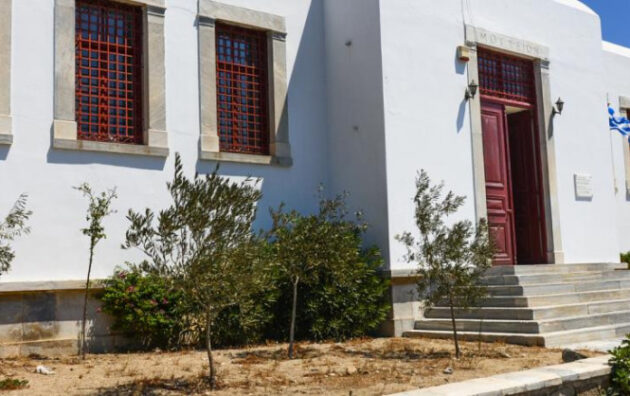
Archaeological Museum of Mykonos
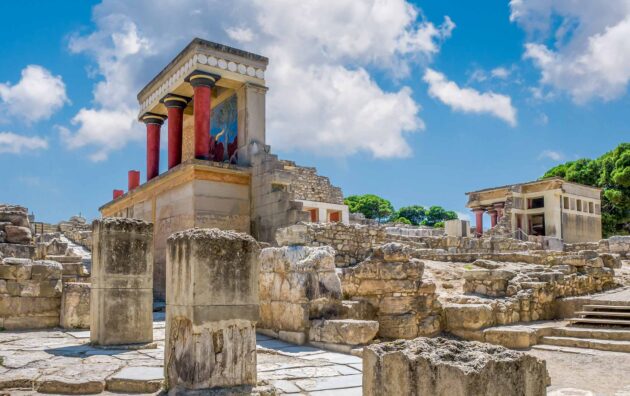
Heraklion Archaeological Museum
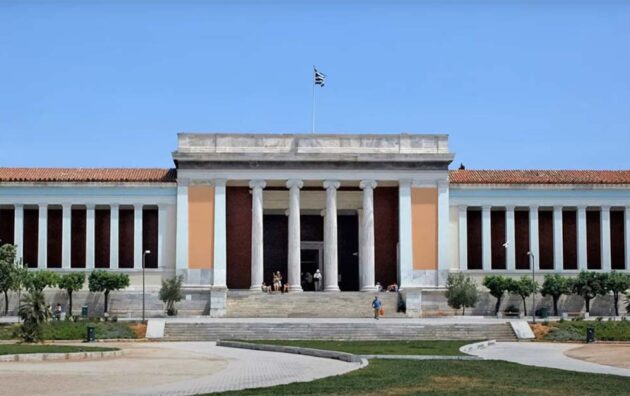
National Archaeological Museum, Athens
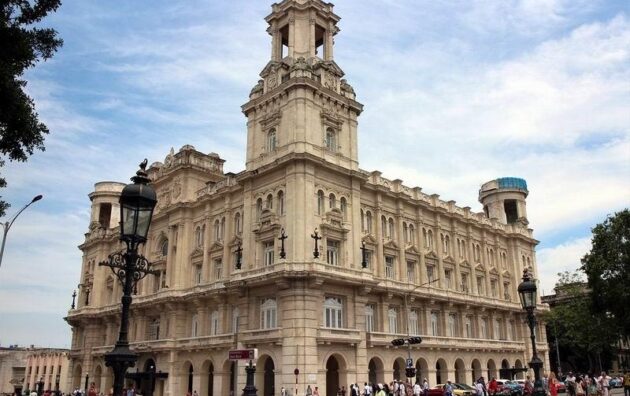
National Museum of Fine Arts of Havana
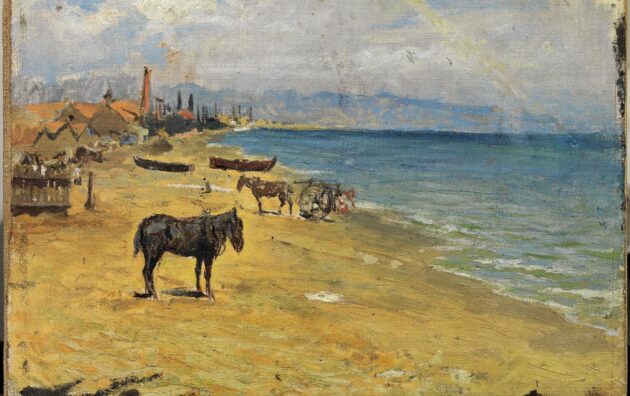
Museu Picasso, Barcelona
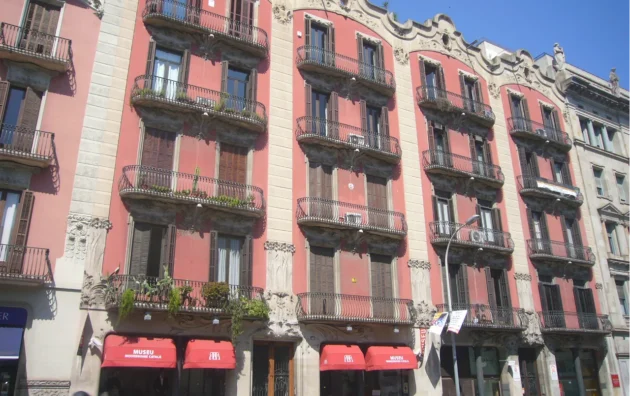
Museu del Modernisme Barcelona