Temple of Olympian Zeus in Athens
Destination Description
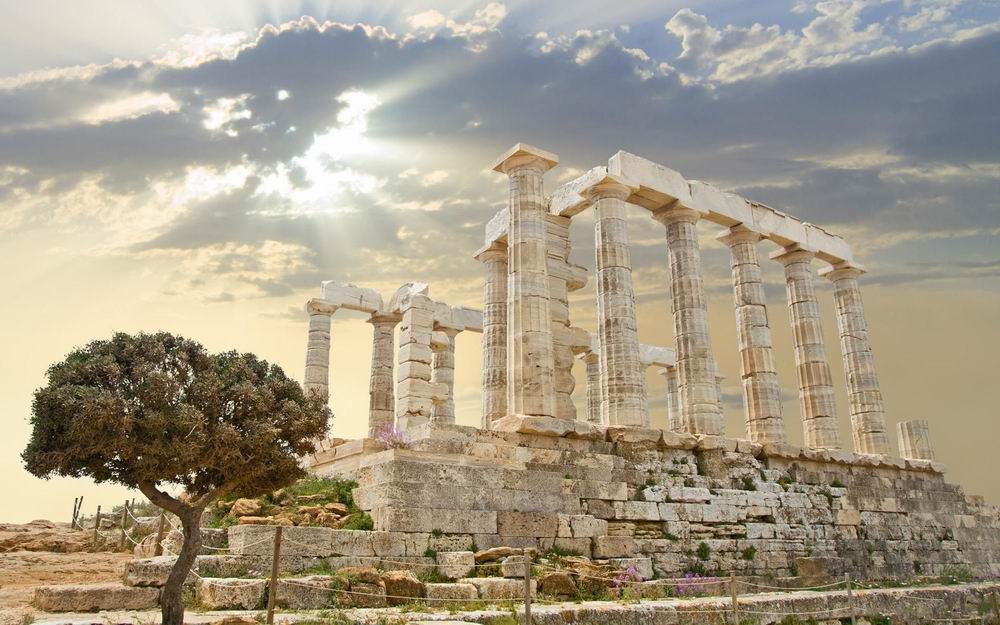
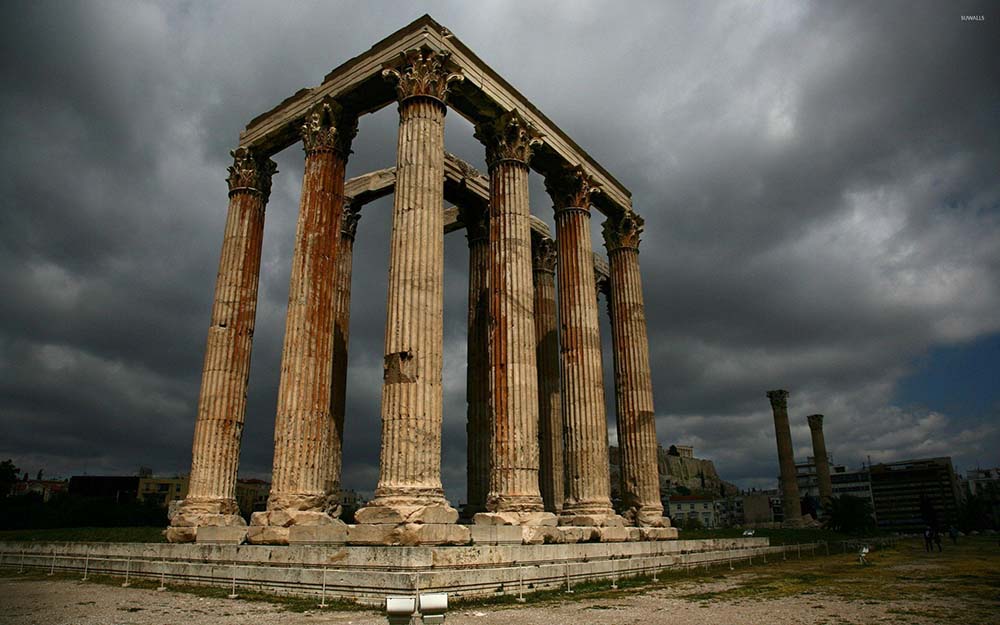
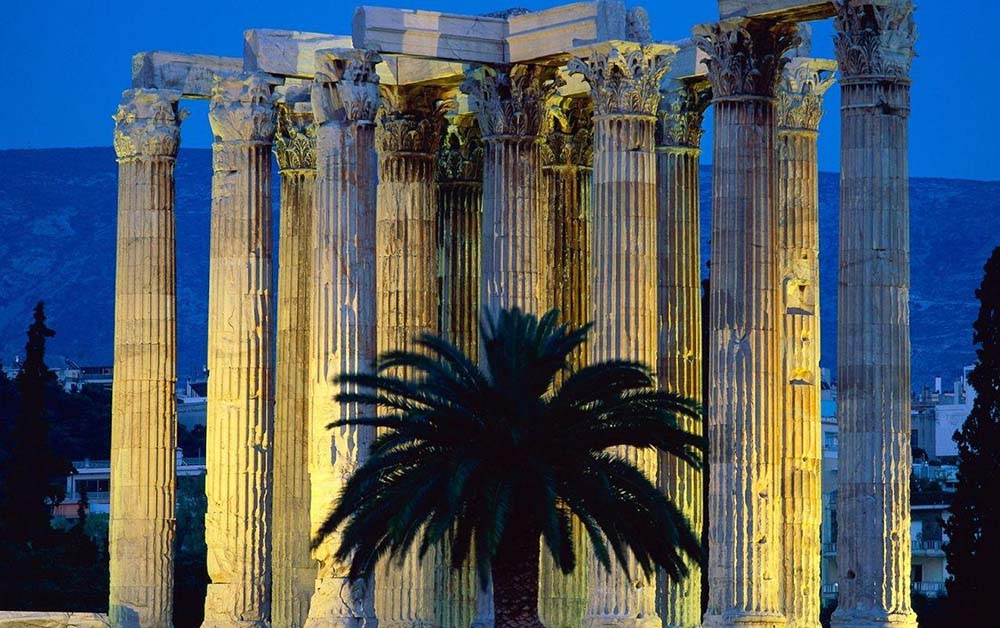
The Temple of Olympian Zeus, also known as the Olympieion, is one of Athens’ most impressive ancient landmarks. Located just 500 meters southeast of the Acropolis and a short walk from Syntagma Square, this monumental site offers travelers a glimpse into the grandeur of ancient Greece and Rome. Though now in ruins, its towering marble columns remain a breathtaking reminder of Athens’ glorious past.
A Brief History of the Temple of Olympian Zeus
Construction of the temple began in the 6th century BC under the rule of Peisistratus and his sons, who dreamed of building the largest temple in the ancient world.
The project was abandoned for centuries until 174 BC, when King Antiochus IV Epiphanes revived construction using Corinthian-style marble columns—the first time this style appeared on the exterior of such a massive temple.
Finally, under the Roman Emperor Hadrian, the temple was completed in the 2nd century AD, more than 600 years after it was first planned.
At its peak, the temple had 104 colossal columns, each 17 meters high, making it the largest temple in Greece.
Sadly, the temple’s glory was short-lived. It was damaged by invasions, stripped for building materials, and eventually fell into ruin. Today, only 16 of the original columns stand, yet they remain one of the most awe-inspiring sights in Athens.
The Temple of Olympian Zeus may be in ruins, but its towering columns still inspire awe and admiration. As the largest temple ever built in Greece, it stands as a symbol of ambition, history, and cultural legacy.
Must-See & Must-Do
What to See:
-Towering Corinthian Columns – The scale and elegance of the remaining 16 columns are breathtaking.
-Open-Air Setting – The temple sits in a large archaeological park with stunning views of the Acropolis.
-Arch of Hadrian – Located nearby, this monumental arch honors Emperor Hadrian and frames the approach to the temple.
Visitor Information
Location: 500 m southeast of the Acropolis, easily accessible on foot from central Athens.
-Opening Hours: Typically 8:00 AM – 8:00 PM (hours vary seasonally).
-Tickets: Around €6 for a single entry, or included in the Acropolis combo ticket (€30).
-Best Time to Visit: Early morning or late afternoon for fewer crowds and softer light for photography.
Top Travel Tips for Visiting the Temple of Olympian Zeus
Buy the Combo Ticket – Instead of a single entry (€6), purchase the Acropolis combo ticket (€30), which includes access to the Acropolis, Ancient Agora, Roman Agora, Hadrian’s Library, and more. Perfect if you plan to see multiple sites.
Visit Early Morning or Evening – The temple is in an open-air archaeological park with little shade. Arrive early or late to avoid the midday sun and capture stunning photos with soft light.
Wear Comfortable Shoes – The ground is uneven in parts, so sturdy shoes will make your visit more enjoyable.
Bring Water and Sun Protection – Especially in summer, temperatures can be high. Carry water, sunscreen, and a hat.
Combine with Nearby Attractions – The Arch of Hadrian is right next to the temple, and you can also walk to the National Garden, Zappeion Hall, or Plaka neighborhood in just a few minutes.
Photography Tip – Position yourself so the columns frame the Acropolis in the background for one of the best Athens travel shots.
Allow 30–45 Minutes – The site isn’t very large, so you won’t need more than an hour unless you want to take your time with photos and enjoy the surroundings.
Similar Listing

Eiffel Tower, Paris

Avenue des Champs-Élysées, Paris

Arc de Triomphe, Paris

Kuala Lumpur Butterfly Park

KLCC Park, Kuala Lumpur
Birkenhead Park, Liverpool

Prague Castle
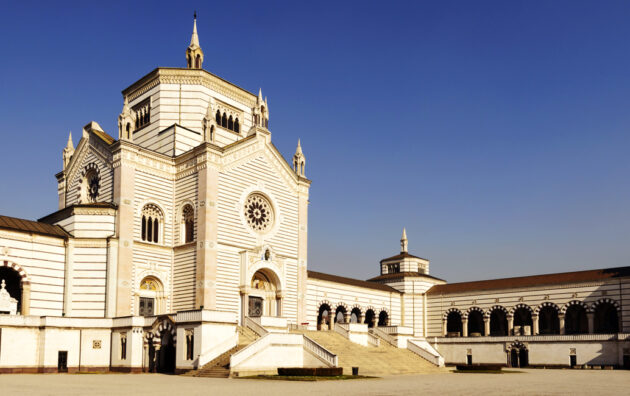
Cimitero Monumentale di Milano
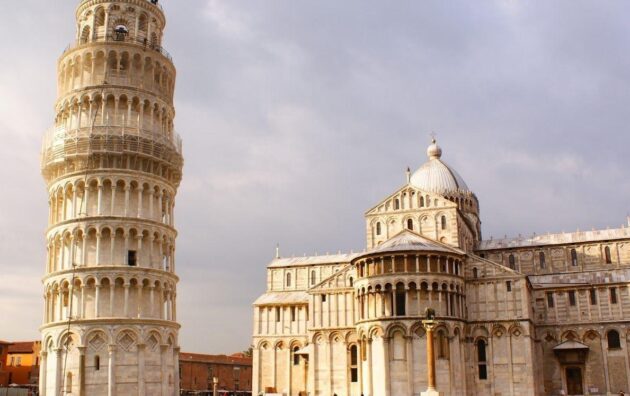
Pisa City and the Leaning Tower

Palazzo Vecchio, Florence
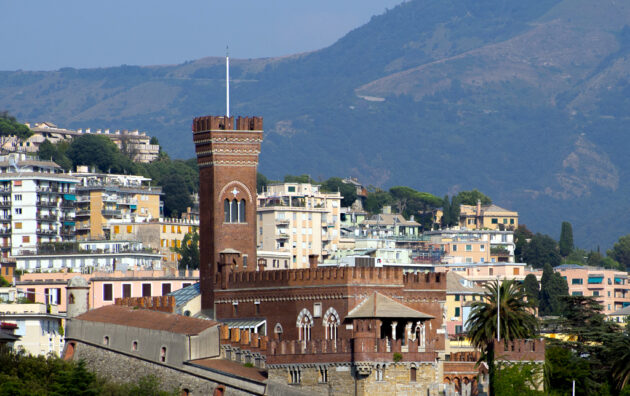
D’Albertis Castle, Genoa

White Tower of Thessaloniki
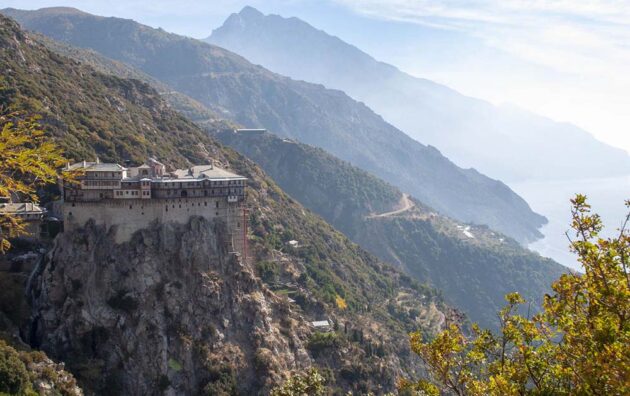
Holy Mount Athos, Greece
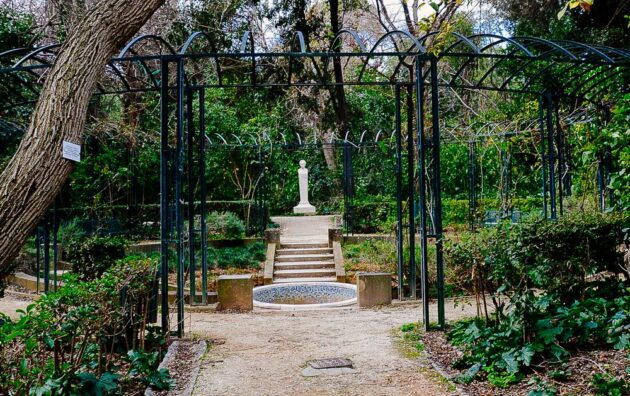
National Garden, Athens
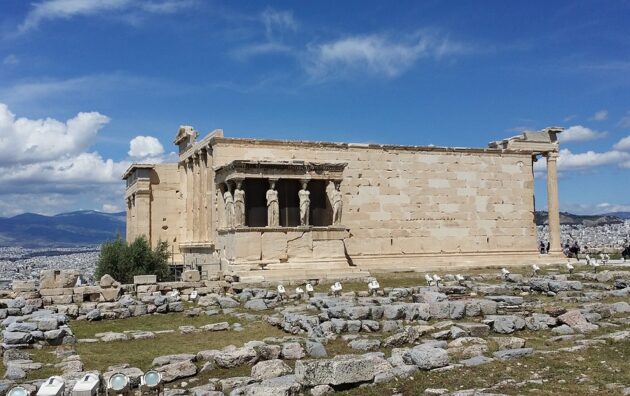
Erechtheion, Athens
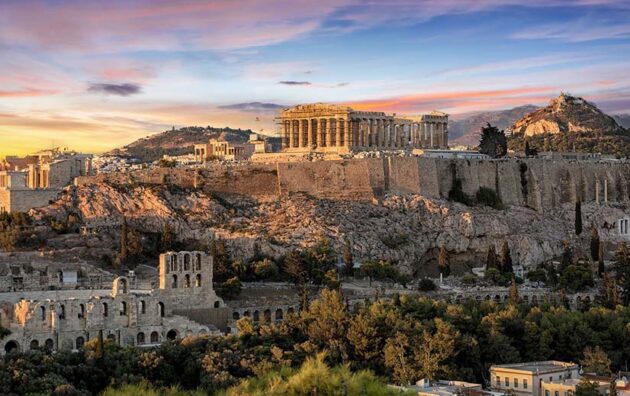
Acropolis of Athens
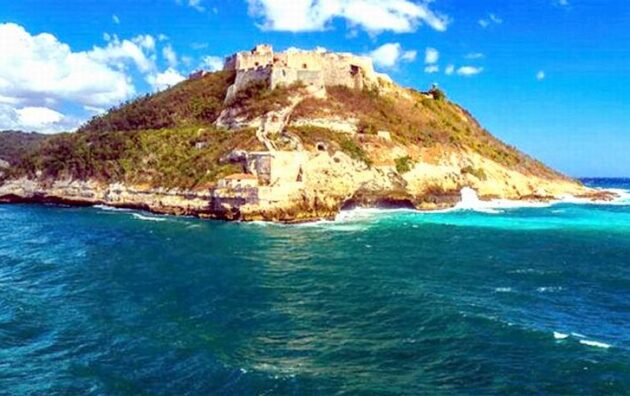
Castillo de San Pedro de la Roca

Colon Cemetery Havana

Castillo de la Real Fuerza, Havana