Kuala Lampur Guide
Destination Description
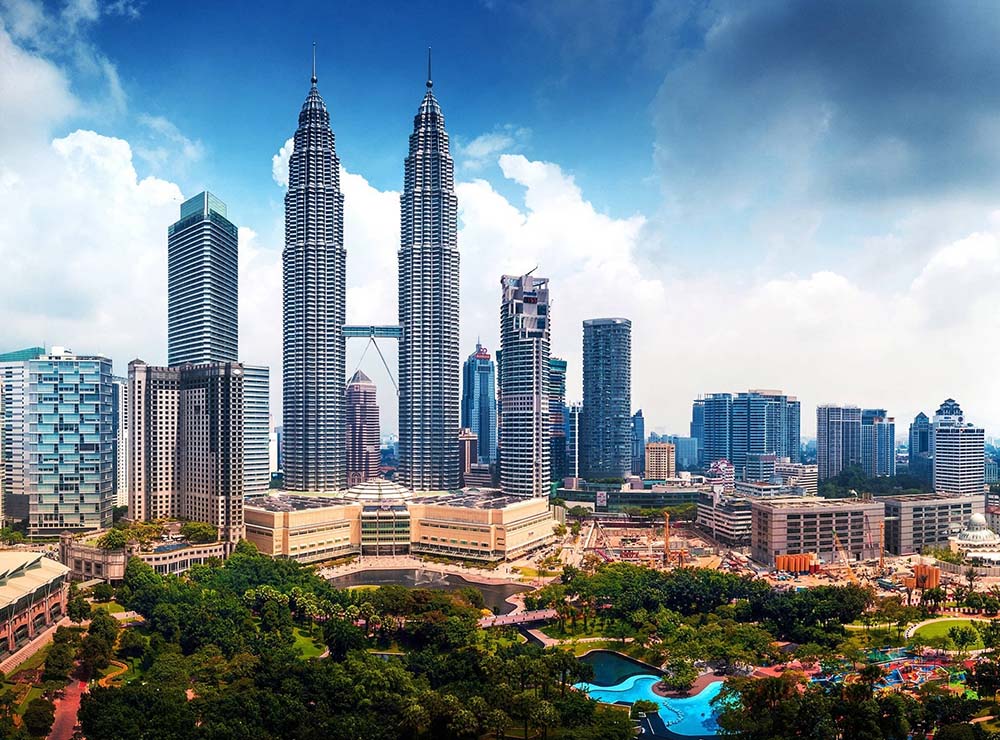
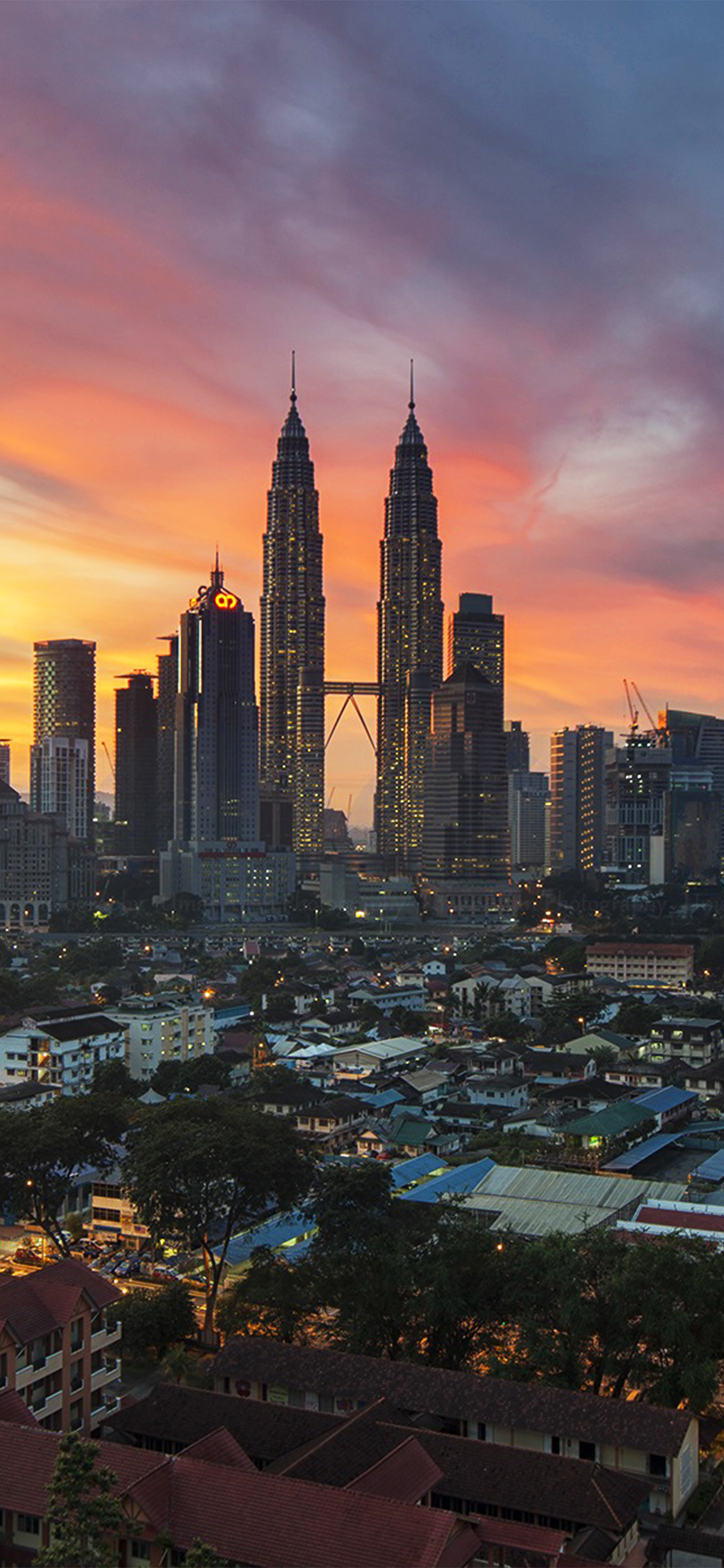
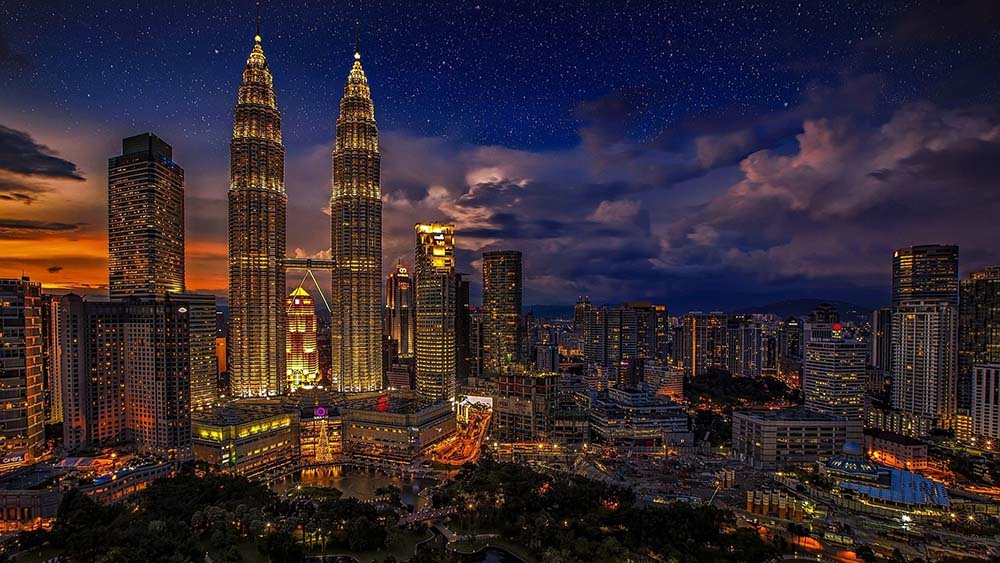
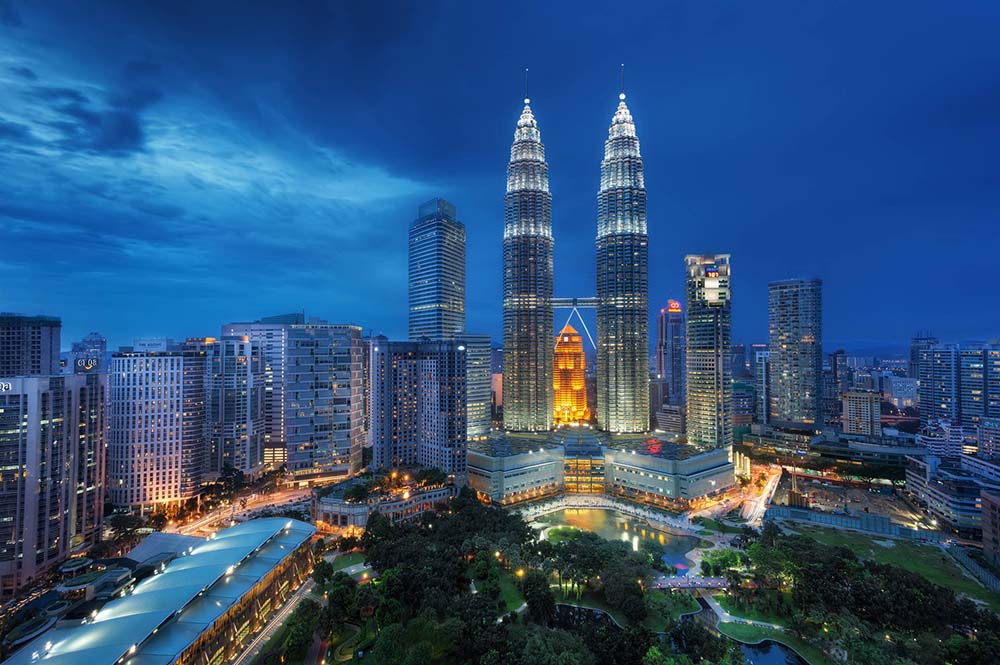
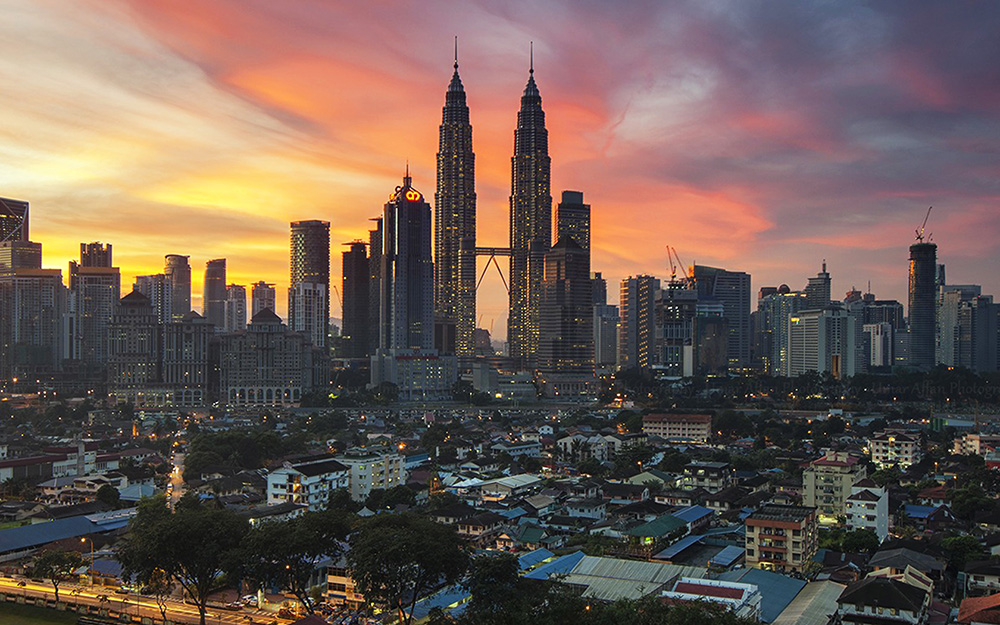
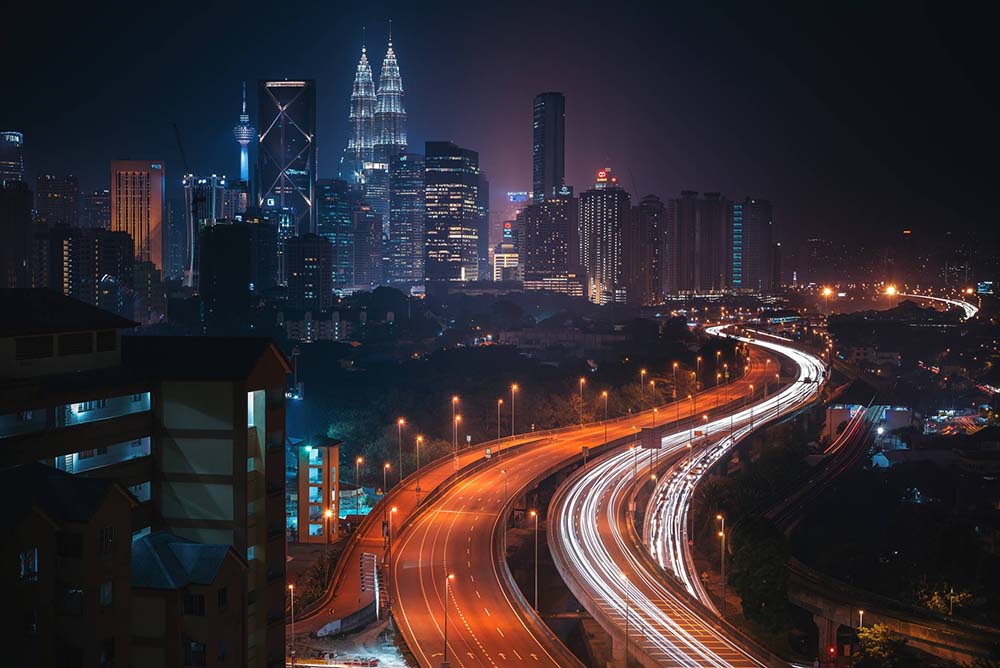
Kuala Lumpur is one of Southeast Asia’s most exciting capitals — a city where futuristic skyscrapers stand beside colonial buildings, colorful temples, lively street markets, and tropical greenery.
The city offers a mix of Malay, Chinese, and Indian cultures, creating a unique atmosphere that feels energetic yet welcoming.
History of Kuala Lumpur
The history of Kuala Lumpur began in the 1850s when Chinese tin miners settled at the meeting point of the Klang and Gombak rivers. The name “Kuala Lumpur” literally means “muddy confluence” in Malay, referring to the city’s early geographical condition.
During the late 19th century, Kuala Lumpur developed rapidly due to the booming tin mining industry. Under British colonial rule, the city became an important administrative and commercial center. Many of the colonial-era buildings that still stand today reflect this period of British influence.
After Malaysia gained independence in 1957, Kuala Lumpur transformed into the political, economic, and cultural heart of the country. Over the decades, it evolved into a modern metropolis famous for its skyline, international business districts, and iconic landmarks such as the Petronas Twin Towers.
Today, Kuala Lumpur represents both Malaysia’s rapid modernization and its deep respect for multicultural heritage.
Cultural Values and Local Traditions
One of Kuala Lumpur’s greatest strengths is its multicultural identity. Different ethnic communities have lived together for generations, shaping the city’s traditions, cuisine, architecture, festivals, and daily life.
Religious Diversity
Islam is the official religion of Malaysia, but Kuala Lumpur is also home to Buddhist temples, Hindu shrines, and Christian churches. Religious harmony is an important cultural value in the city.
Visitors should dress respectfully when entering religious sites, especially mosques and temples.
Festivals and Celebrations
Kuala Lumpur celebrates a variety of cultural festivals throughout the year, including:
Hari Raya Aidilfitri — celebrated by the Muslim community after Ramadan.
Chinese New Year — famous for lanterns, lion dances, and fireworks.
Deepavali — celebrated by the Indian community with colorful decorations and traditional sweets.
These festivals give visitors the opportunity to experience the city’s cultural richness and diversity firsthand.
Must-See & Must-Do
Climate and Best Time to Visit
Kuala Lumpur has a tropical rainforest climate with warm temperatures and high humidity all year. Average temperatures range from 24°C to 33°C (75°F–91°F).
Rain showers are frequent but usually short. The best periods to visit are generally between May and July or December and February when rainfall is slightly lower.
Light clothing, sunscreen, and an umbrella are highly recommended.
Transportation
The city has an efficient transportation network including MRT, LRT, monorail, buses, and commuter trains. Most major tourist attractions are connected by public transportation.
The KLIA Express train provides fast airport access, while ride-hailing services such as Grab are affordable and commonly used.
Walking is convenient in modern districts like KLCC and Bukit Bintang, although the tropical climate can feel quite hot during the afternoon.
Accommodation
Kuala Lumpur offers accommodation options for all budgets.
-Luxury Hotels
The KLCC district is ideal for luxury travelers who want skyline views and proximity to the Petronas Twin Towers.
-Mid-Range Hotels
Bukit Bintang is popular for shopping, entertainment, and nightlife.
-Budget Accommodation
Chinatown and Brickfields provide affordable guesthouses and culturally rich surroundings.
Food and Dining
Kuala Lumpur is considered a paradise for food lovers. Malay, Chinese, and Indian cuisines combine to create one of Asia’s richest culinary scenes.
-Must-try dishes include:
Nasi Lemak
Satay
Roti Canai
Char Kway Teow
Teh Tarik
Street food culture is an essential part of daily life. Jalan Alor is especially famous for its lively evening food scene.
Top Tourist Attractions
-Petronas Twin Towers
The world-famous Petronas Twin Towers are the city’s most recognizable landmark.
-Batu Caves
Batu Caves is an important Hindu pilgrimage site known for its giant golden statue and colorful staircase.
-Merdeka Square
Merdeka Square is historically important as the place where Malaysian independence was declared.
-KL Tower
KL Tower offers panoramic city views and a famous glass sky deck.
-Islamic Arts Museum Malaysia
Islamic Arts Museum Malaysia displays Islamic art, manuscripts, textiles, and architecture from around the world.
Shopping Experience
Kuala Lumpur is one of Southeast Asia’s top shopping destinations. Luxury malls, local markets, and street bazaars offer everything from designer brands to traditional handicrafts.
Popular souvenirs include batik textiles, local snacks, handmade crafts, and Malaysian tea products.
Safety and Travel Tips
Kuala Lumpur is generally safe for tourists, especially in central areas. Travelers should still remain careful in crowded places and use licensed transportation services.
English is widely spoken, especially in tourist districts and shopping centers. The local currency is the Malaysian Ringgit (MYR).
Respect for local customs and religious traditions is highly appreciated.
Similar Listing
Toulouse Travel Guide
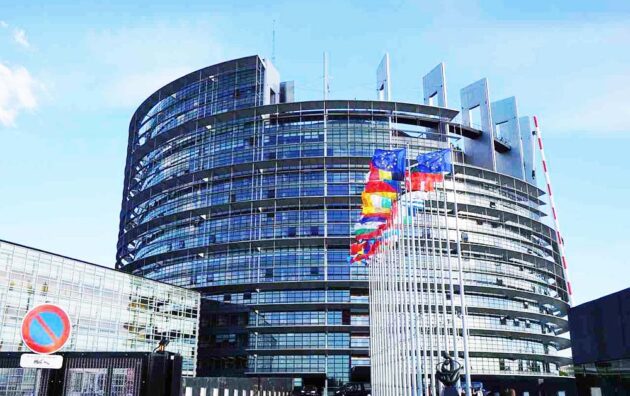
Strasbourg Travel Guide
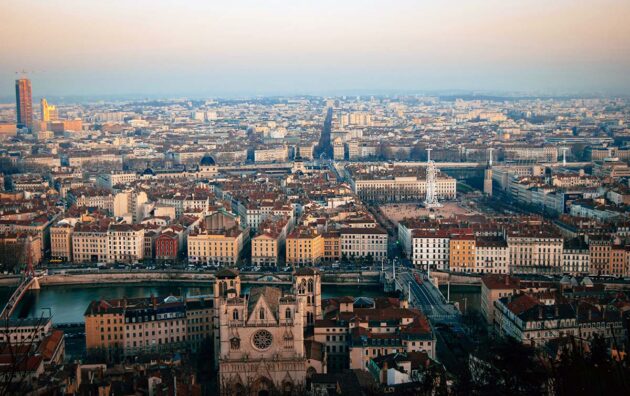
Lyon Travel Guide
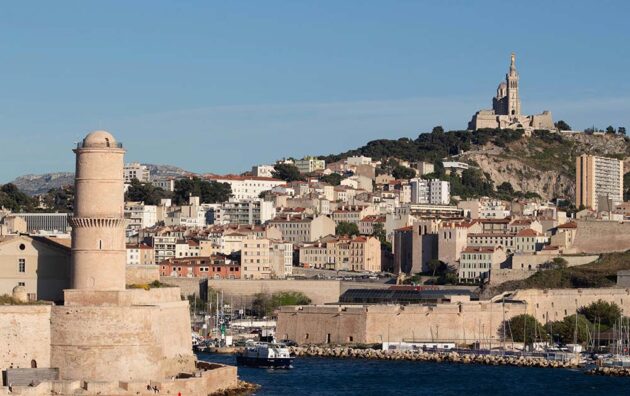
Marseille Travel Guide
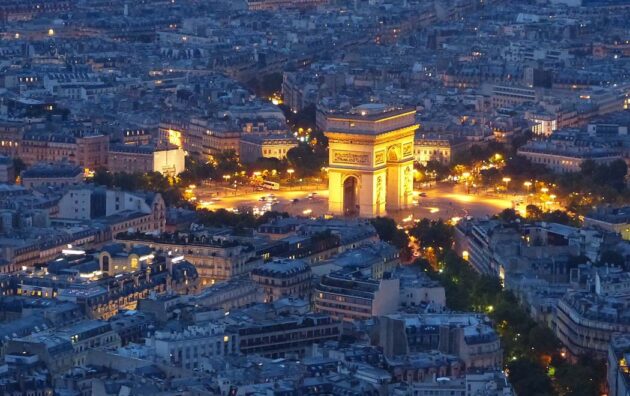
Paris Vacation Guide
Lille Vacation Guide
France Travel Guide
Seberang Perai Vacation Guide
Malaysia Vacation Guide
Liverpool Travel Guide
Norway Travel Guide
Santo Domingo Travel Guide
Discover the Dominican Republic
Discovering Brno
Exploring Prague
Discovering the Czech Republic
Discovering Venice
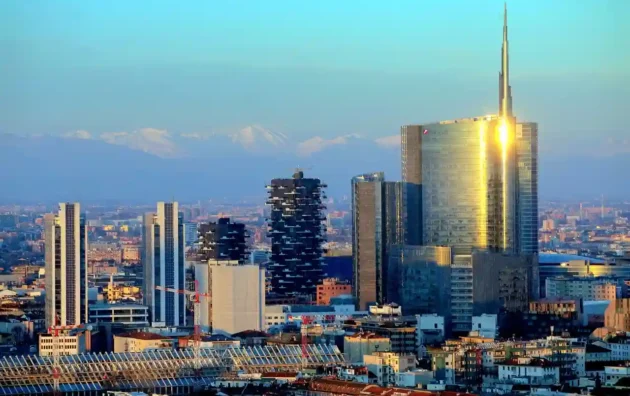
Milan Travel Guide
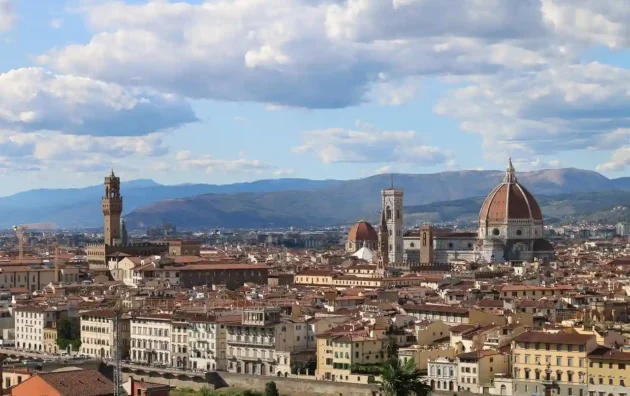
Florence Travel Guide