Amasya Yalıboyu Houses
Destination Description
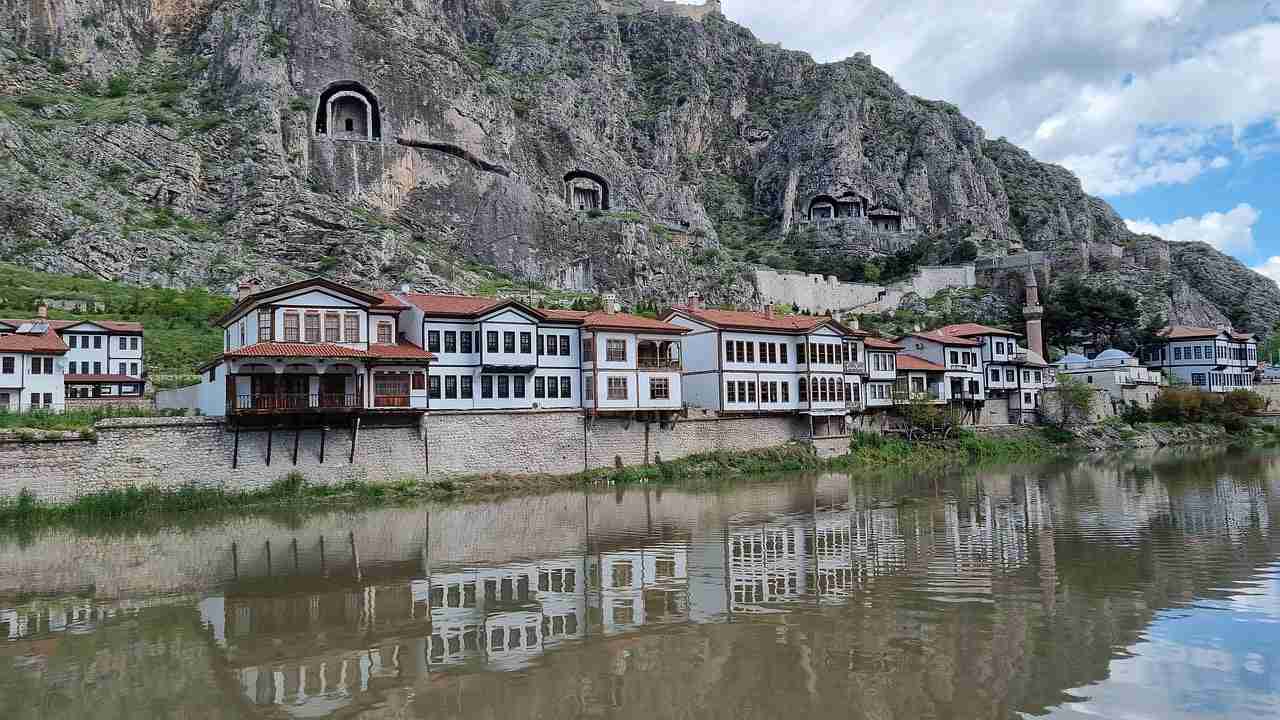
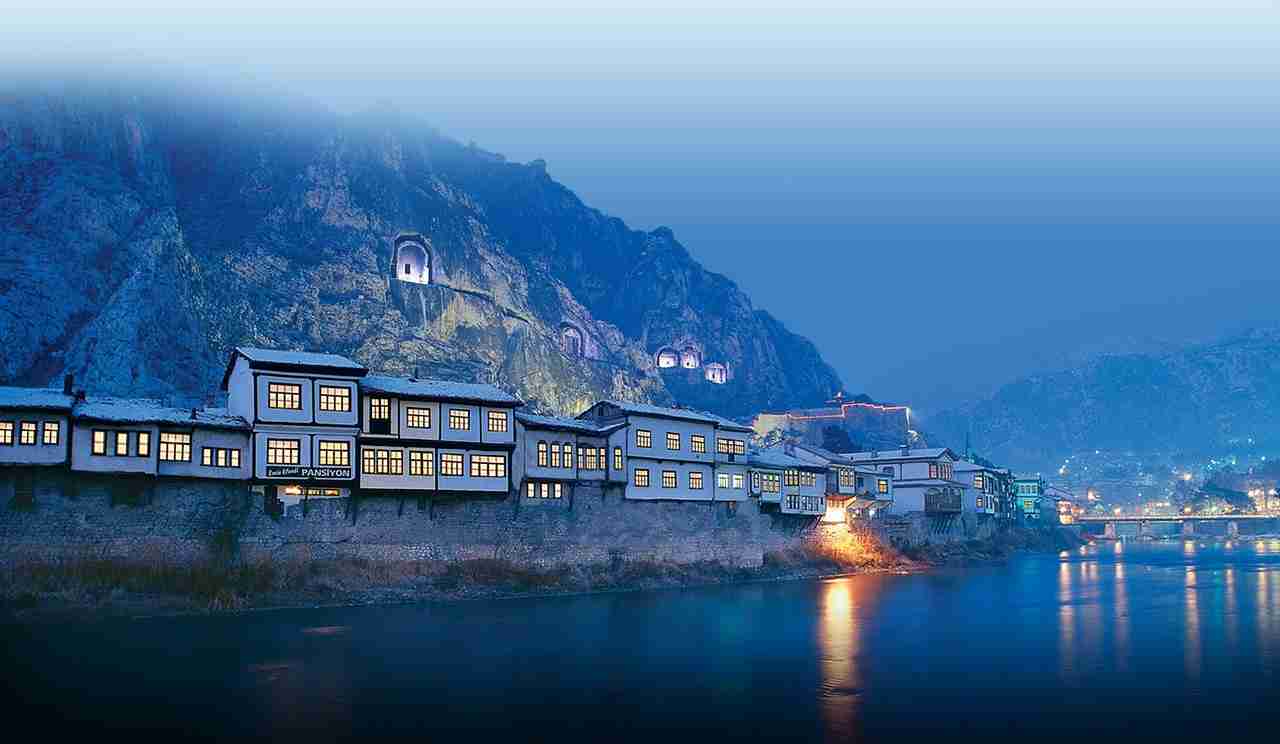
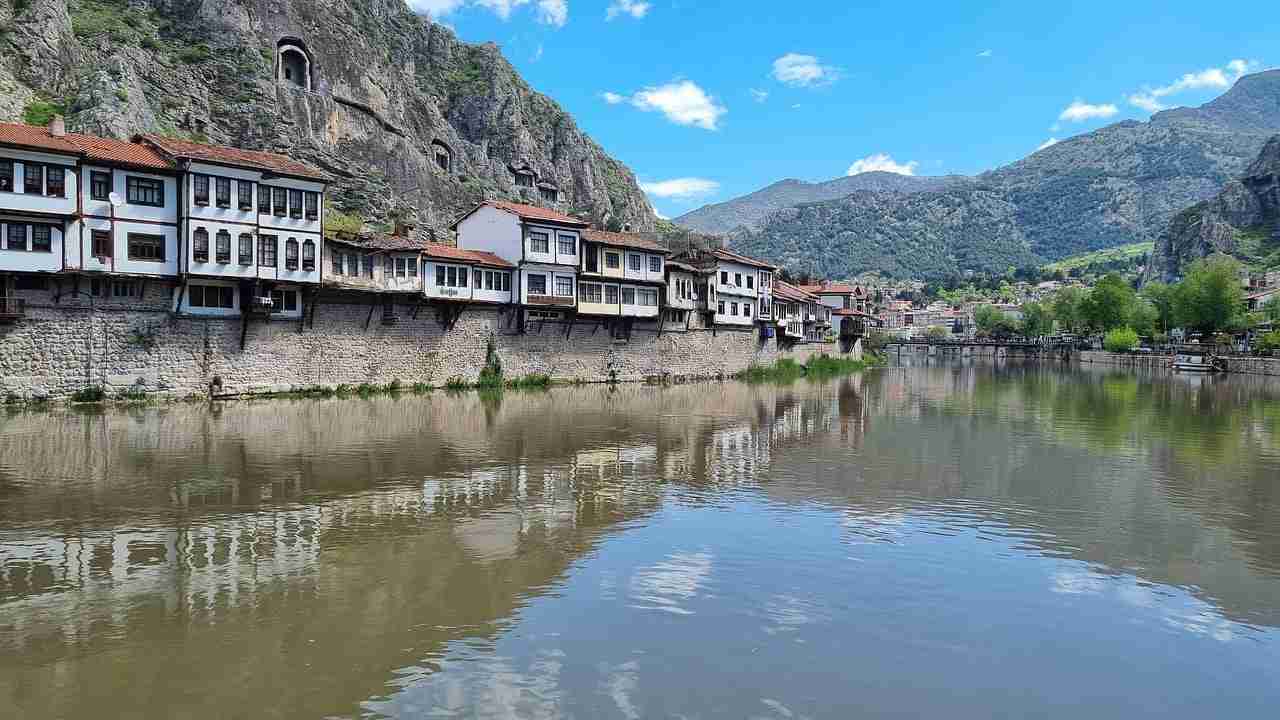
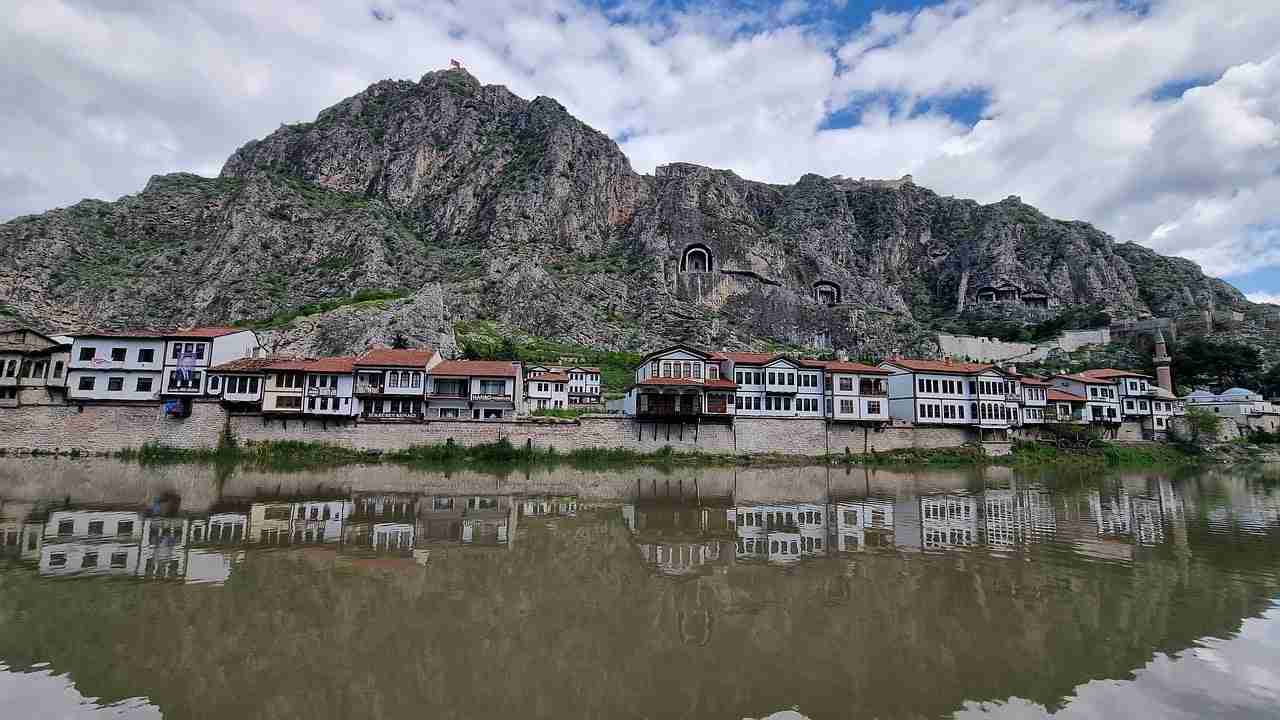
Stretching gracefully along the banks of the Yeşilırmak River, the Yalıboyu Houses of Amasya are among the city’s most captivating sights. With their whitewashed walls, wooden bay windows, and red-tiled roofs, these traditional Ottoman-era houses create a postcard-perfect view that has become a symbol of Amasya’s charm.
Riverside Atmosphere
Set directly on the riverbank, the houses are mirrored beautifully on the calm waters of the Yeşilırmak, especially at sunrise and sunset. This scenic riverside view has made the Yalıboyu Houses one of the most photographed spots in Amasya.
Visitors strolling along the river promenade can enjoy the atmosphere of history blended with the everyday life of the city, as many of the houses now serve as boutique hotels, cafés, and restaurants.
A Symbol of Amasya
Together with the Rock Tombs of the Kings rising just above them, the Yalıboyu Houses form one of the most iconic cityscapes in Turkey. They symbolize the elegance of Ottoman urban design and have become a must-see attraction for travelers who want to experience the authentic spirit of Amasya.
The Yalıboyu Houses of Amasya are more than historic dwellings; they are a living part of the city’s identity. Whether you’re exploring on foot, relaxing at a riverside café, or capturing their reflection in the Yeşilırmak, these houses will leave a lasting impression of elegance and tradition.
Must-See & Must-Do
Visiting Yalıboyu Houses
The best time to visit is during the golden hours of the day—early morning or evening—when the sunlight enhances their beauty.
Many of the restored houses offer the chance to stay overnight or dine by the river, allowing visitors to fully immerse themselves in the city’s historical atmosphere.
Don’t forget your camera—the riverside view with the houses and the tombs above is unforgettable!
History & Architecture
The Yalıboyu Houses date back to the Ottoman period, built by wealthy families and statesmen who wanted both elegance and proximity to the river. Their unique design combines stone foundations with timber-framed upper floors, creating a distinctive architectural style that reflects both tradition and practicality.
These houses not only display the artistry of Ottoman domestic life but also reflect the city’s cultural richness, standing as a bridge between past and present.
Similar Listing

Eiffel Tower, Paris
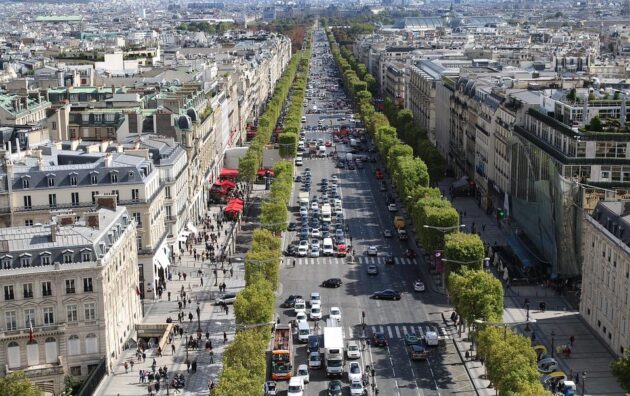
Avenue des Champs-Élysées, Paris
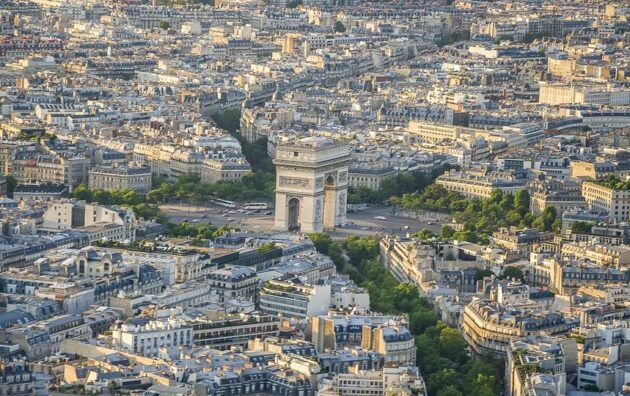
Arc de Triomphe, Paris

Kuala Lumpur Butterfly Park
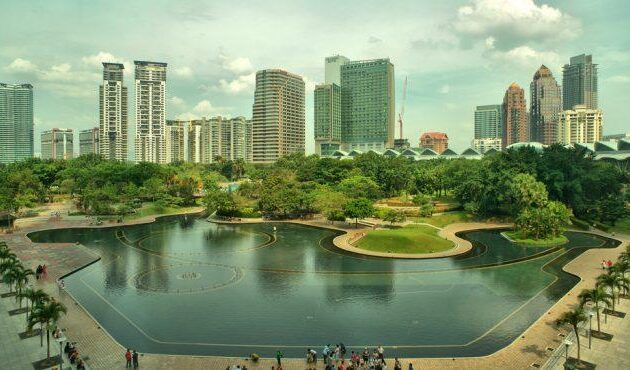
KLCC Park, Kuala Lumpur
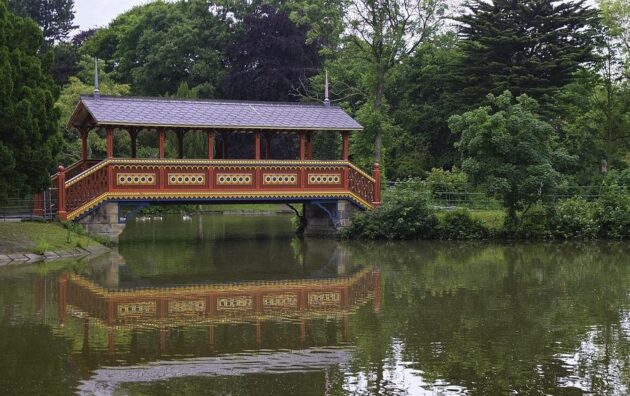
Birkenhead Park, Liverpool
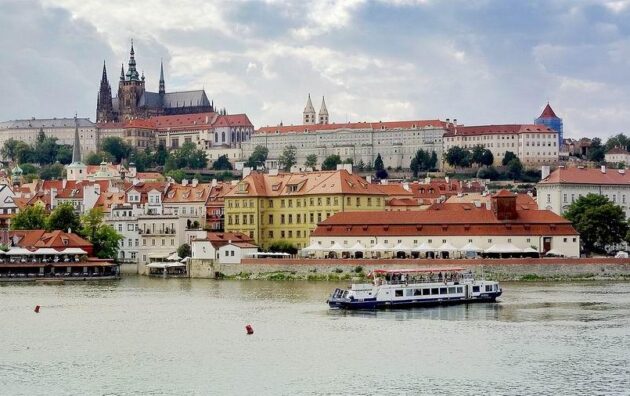
Prague Castle
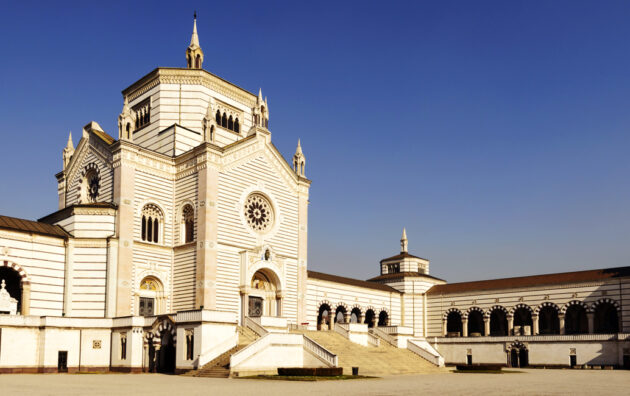
Cimitero Monumentale di Milano
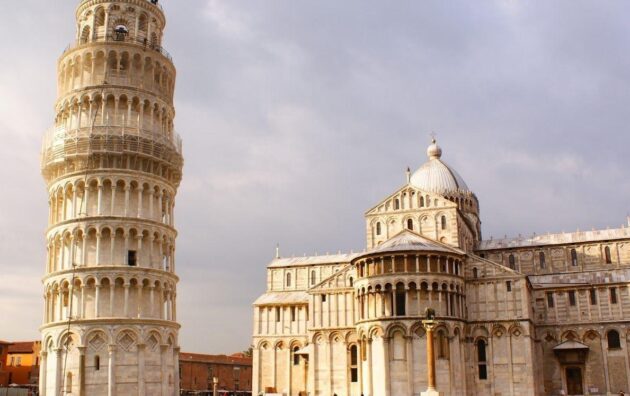
Pisa City and the Leaning Tower
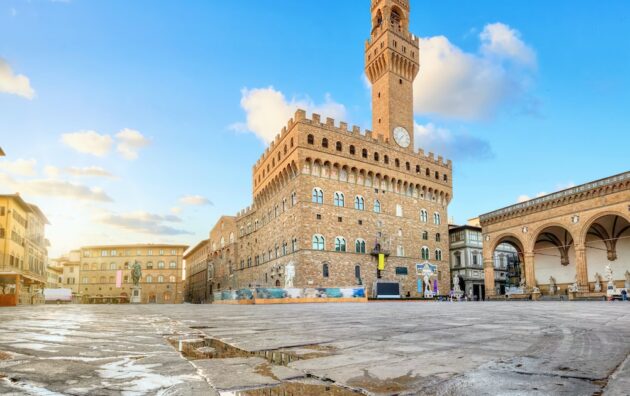
Palazzo Vecchio, Florence
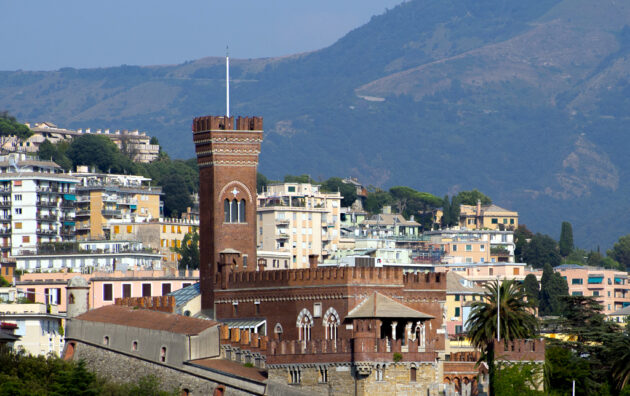
D’Albertis Castle, Genoa
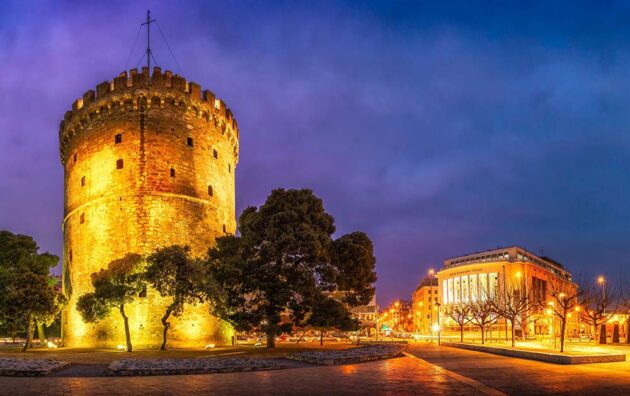
White Tower of Thessaloniki
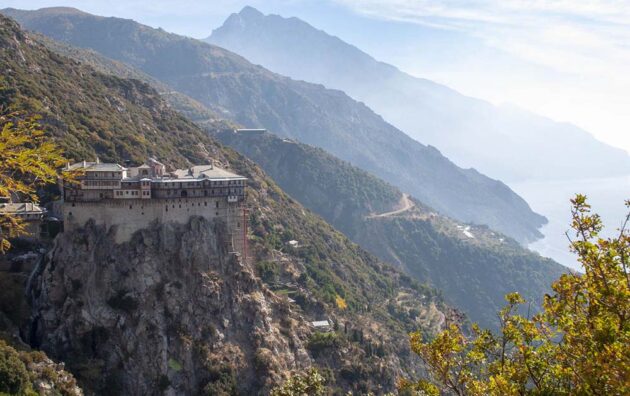
Holy Mount Athos, Greece
National Garden, Athens
Temple of Olympian Zeus in Athens
Erechtheion, Athens
Acropolis of Athens
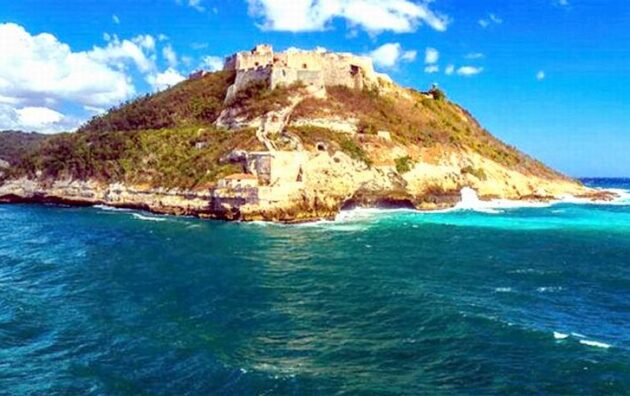
Castillo de San Pedro de la Roca
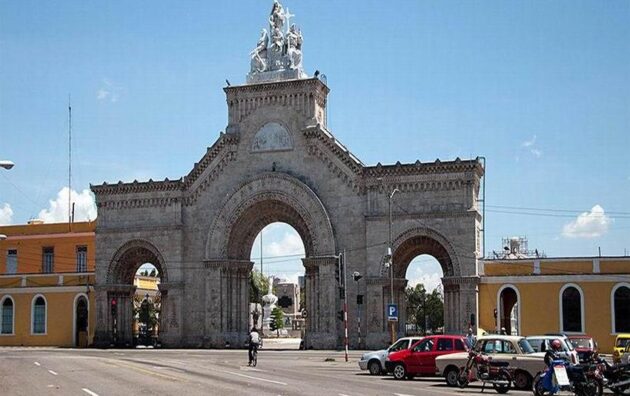
Colon Cemetery Havana