Amasya Museum of Archaeology
Destination Description
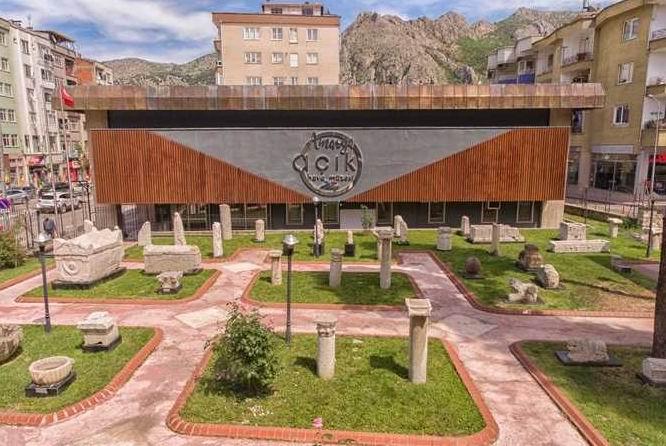
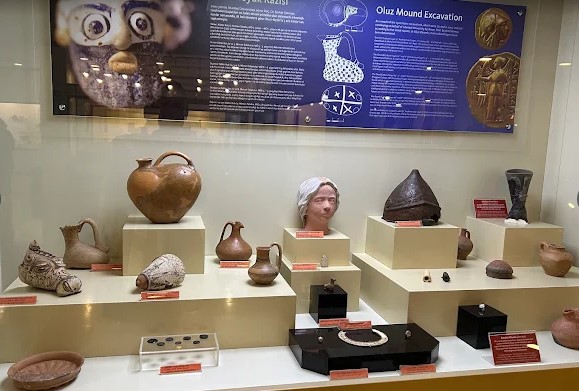
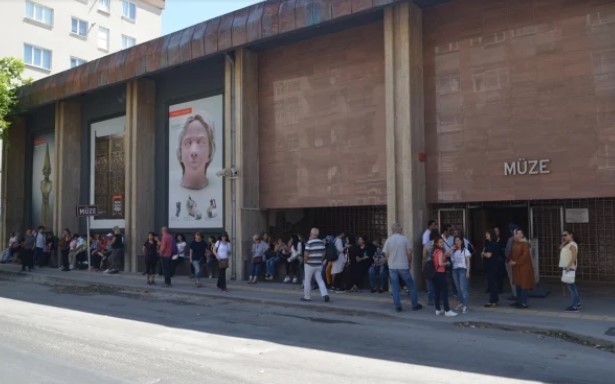
No trip to Amasya is complete without a visit to the Amasya Museum of Archaeology, one of the city’s most fascinating cultural treasures. Founded in 1925 and moved several times before settling into its current home in 1980, the museum takes visitors on a remarkable journey through thousands of years of history. Inside, the museum houses artifacts from as far back as the Chalcolithic Period, spanning a total of twelve different civilizations.
From the Bronze Age, Hittites, Urartians, Phrygians, and Scythians to the Hellenistic, Roman, Byzantine, Seljuk, and Ottoman eras, each section reveals the deep and diverse cultural heritage of Anatolia. The museum’s garden is equally impressive. Here, you can see striking examples of stonework from civilizations including the Hittite, Hellenistic, Roman, Byzantine, Ilkhanate, Seljuk, and Ottoman periods. These outdoor displays provide a perfect complement to the collections inside.
Perhaps the most unique and memorable part of the museum is its mummy collection. Displayed in the tomb of Sultan Mesud I, the mummies date back to the 14th century and belong to the Ilkhanate period. Believed to be the remains of important historical figures, they are among the museum’s most popular and intriguing attractions. The museum is well-organized, accessible, and allows visitors to capture memories—amateur photography and filming are permitted throughout the exhibits.
Must-See & Must-Do
Why Visit?
The Amasya Museum of Archaeology is not just a place to see artifacts—it’s a journey through civilizations that shaped Anatolia.
Similar Listing

National Museum, Kuala Lumpur
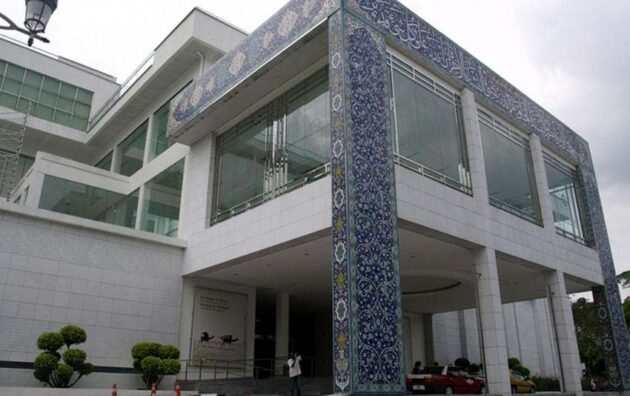
Islamic Arts Museum Malaysia
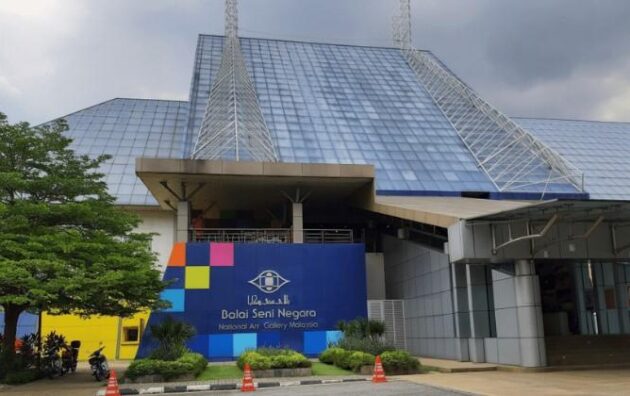
National Visual Arts Gallery, Kuala Lumpur

Museum of Decorative Arts in Prague
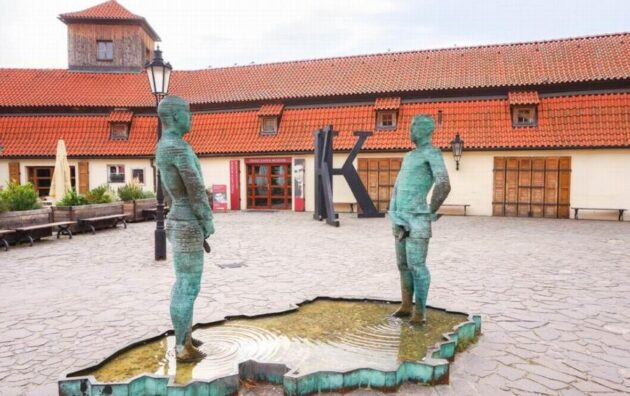
Franz Kafka Museum, Prague
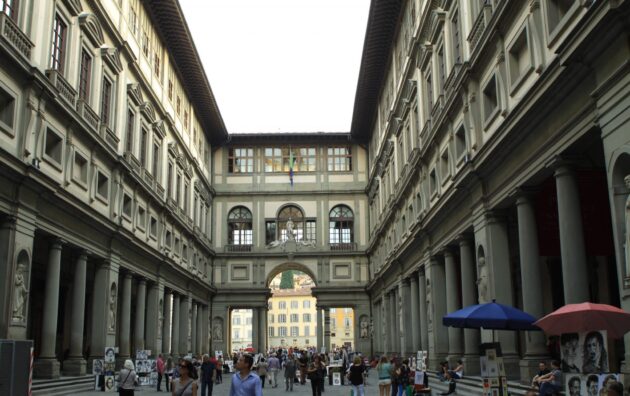
Galleria degli Uffizi, Florence
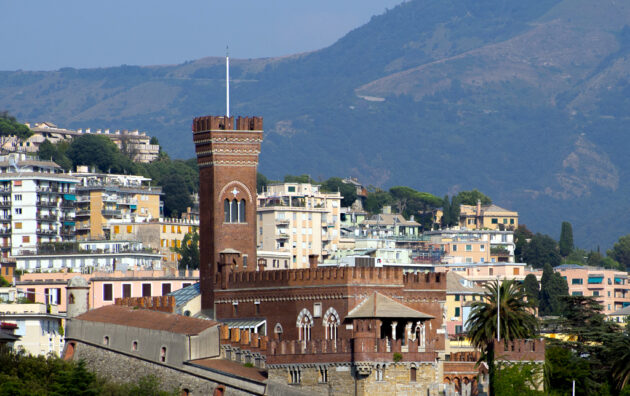
D’Albertis Castle, Genoa
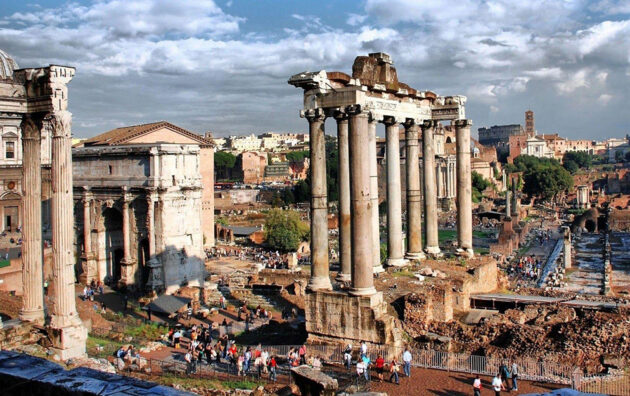
Exploring the Roman Forum
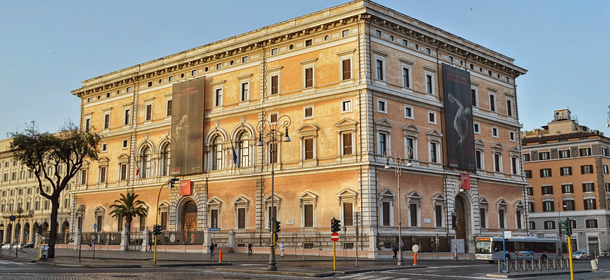
Exploring the National Roman Museum in Rome
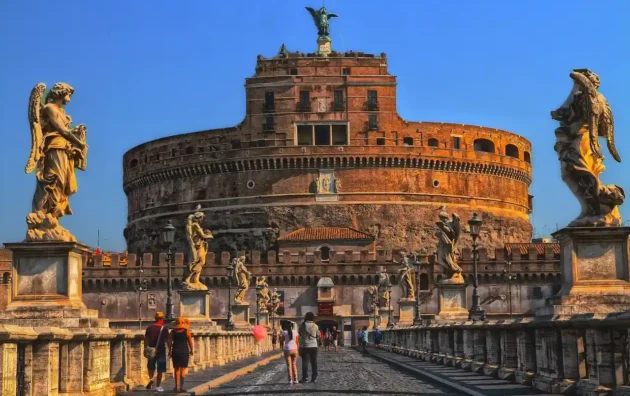
Discover Castel Sant’Angelo

Thessaloniki Science Center and Technology Museum
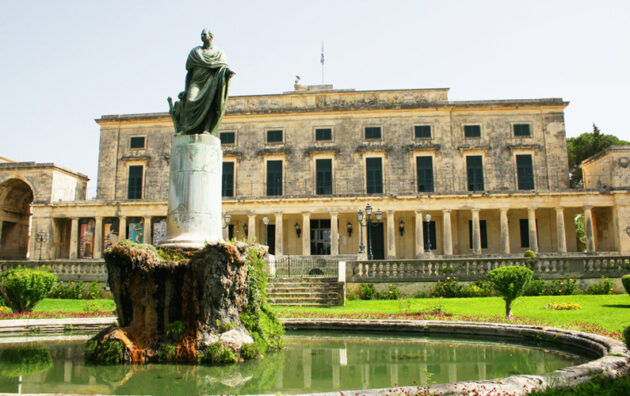
Archaeological Museum of Corfu
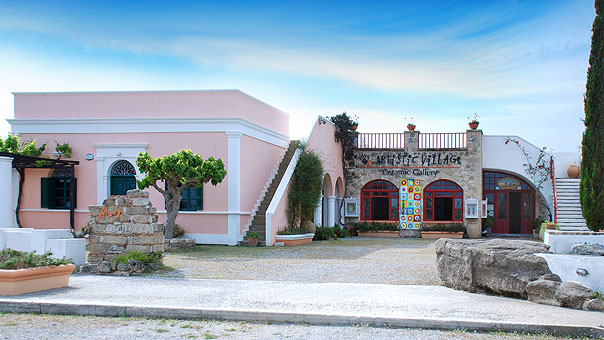
Artistic Village – Museum of Ceramic Art in Rhodes, Greece
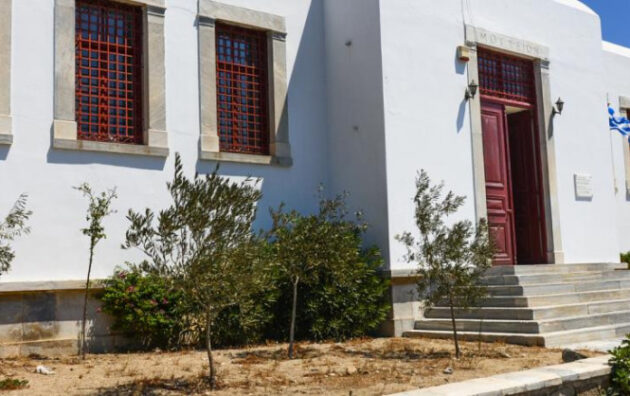
Archaeological Museum of Mykonos
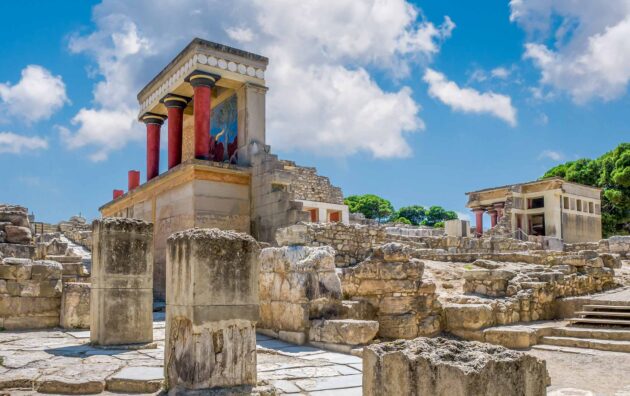
Heraklion Archaeological Museum
National Archaeological Museum, Athens

Museum of the Revolution Havana
National Museum of Fine Arts of Havana
Museu Picasso, Barcelona