Explore the Ancient City of Xanthos
Destination Description
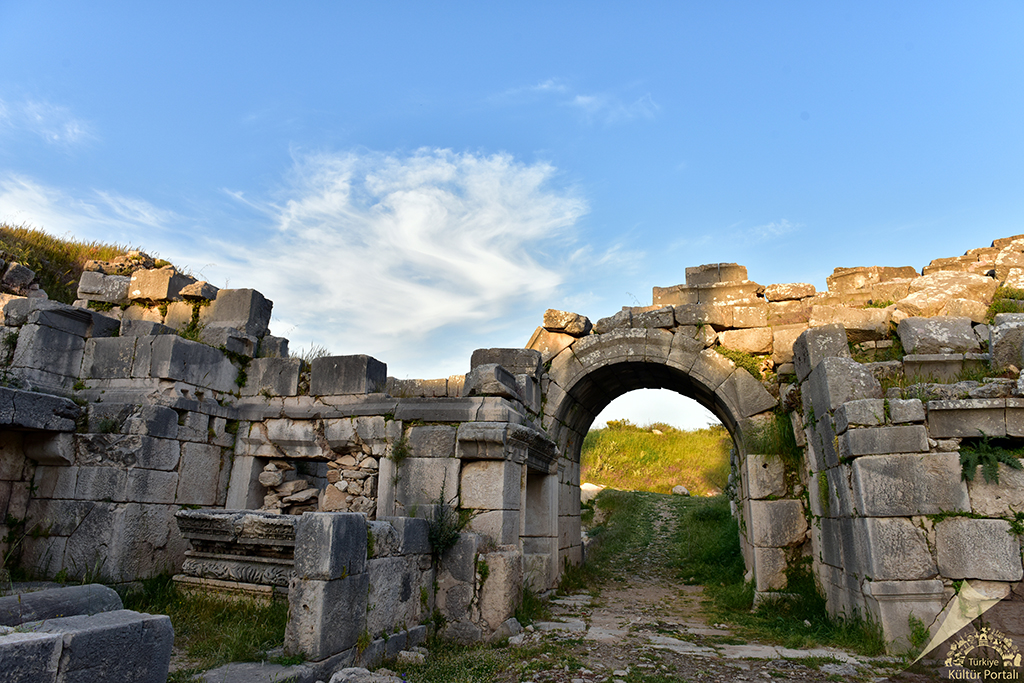
Located in the Lycian region of Antalya, the Ancient City of Xanthos is one of Turkey’s most significant archaeological sites and a designated UNESCO World Heritage Site. Once the capital of ancient Lycia, Xanthos offers visitors a fascinating journey into the past with its unique Lycian culture, monumental tombs, and Roman-era remains.
A Journey Through Lycian History
Founded around the 8th century BC, Xanthos became the political and cultural heart of Lycia, a federation of city-states in southwestern Anatolia. The city is remembered for its resilience and tragic history—Xanthos famously resisted invasions by Persians and later Romans, with its inhabitants choosing destruction over surrender.
Despite these turbulent times, Xanthos flourished under Roman rule, blending Lycian traditions with Greco-Roman architecture. Today, visitors can explore the ruins that reflect both Lycian uniqueness and Roman grandeur.
Highlights of Xanthos
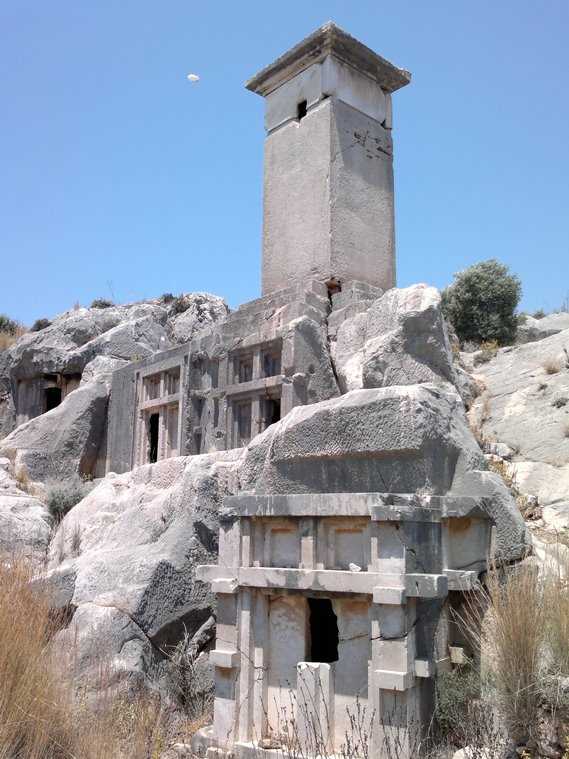
-Lycian Tombs: The city is best known for its pillar tombs and sarcophagi, including the famous Nereid Monument, now displayed in the British Museum.
-Roman Theatre: A large, well-preserved structure showcasing the Roman influence on the Lycian capital.
-Harpy Monument: A unique funerary pillar decorated with carvings, believed to depict mythological scenes.
-Acropolis: Offering panoramic views of the Xanthos Valley and surrounding landscapes.
-Inscriptions: Some of the longest known Lycian inscriptions, providing invaluable insights into the language and culture of Lycia.
Visiting Xanthos
-Location: Near Kınık, between Fethiye and Kaş, about 60 km from Antalya.
-Best Time to Visit: Spring and autumn for mild weather and lush scenery.
-Tours: Often included in day trips from Kaş, Fethiye, or Patara, along with nearby Letoon, another UNESCO site.
-Tips: Wear comfortable shoes, bring water, and allow at least 2 hours to explore the site fully.
Why Xanthos is Unmissable
The Ancient City of Xanthos is not just a collection of ruins—it is a place where Lycian identity and Roman heritage intertwine. Its unique funerary monuments, inscriptions, and dramatic history make it an unforgettable stop on any Lycian Coast itinerary. Whether you are a history enthusiast, archaeology lover, or curious traveler, Xanthos offers a powerful connection to one of Anatolia’s most fascinating civilizations.
Ancient City of Xanthos, Xanthos Antalya, Lycian ruins Turkey, UNESCO sites Antalya, historical sites in Antalya, things to do in Kaş, Xanthos Letoon, Lycian tombs, ancient cities Turkey, archaeology in Antalya.
Must-See & Must-Do
Highlights of Xanthos
-Lycian Tombs: The city is best known for its pillar tombs and sarcophagi, including the famous Nereid Monument, now displayed in the British Museum.
-Roman Theatre: A large, well-preserved structure showcasing the Roman influence on the Lycian capital.
-Harpy Monument: A unique funerary pillar decorated with carvings, believed to depict mythological scenes.
-Acropolis: Offering panoramic views of the Xanthos Valley and surrounding landscapes.
-Inscriptions: Some of the longest known Lycian inscriptions, providing invaluable insights into the language and culture of Lycia.
Visiting Xanthos
-Location: Near Kınık, between Fethiye and Kaş, about 60 km from Antalya.
-Best Time to Visit: Spring and autumn for mild weather and lush scenery.
-Tours: Often included in day trips from Kaş, Fethiye, or Patara, along with nearby Letoon, another UNESCO site.
-Tips: Wear comfortable shoes, bring water, and allow at least 2 hours to explore the site fully.
Why Xanthos is Unmissable
The Ancient City of Xanthos is not just a collection of ruins—it is a place where Lycian identity and Roman heritage intertwine. Its unique funerary monuments, inscriptions, and dramatic history make it an unforgettable stop on any Lycian Coast itinerary.
Similar Listing

Eiffel Tower, Paris
Avenue des Champs-Élysées, Paris

Arc de Triomphe, Paris

Kuala Lumpur Butterfly Park
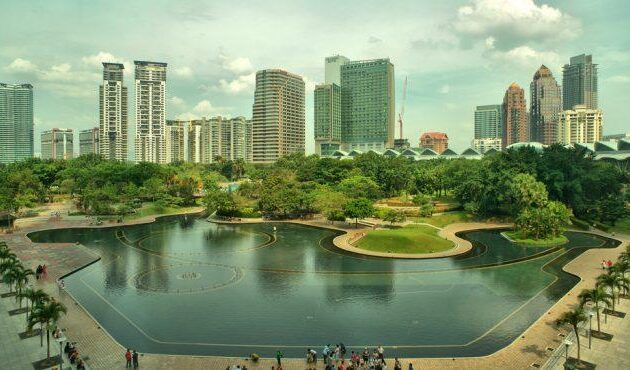
KLCC Park, Kuala Lumpur
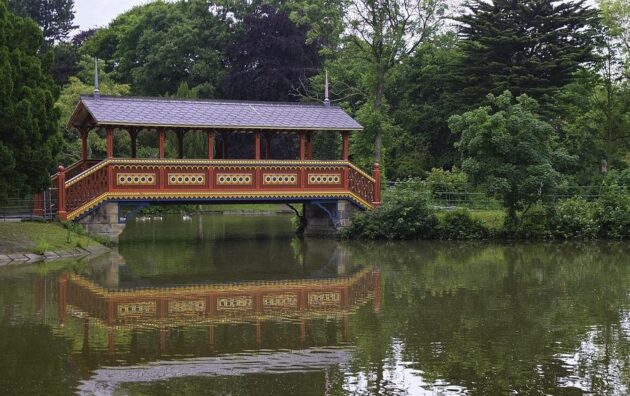
Birkenhead Park, Liverpool
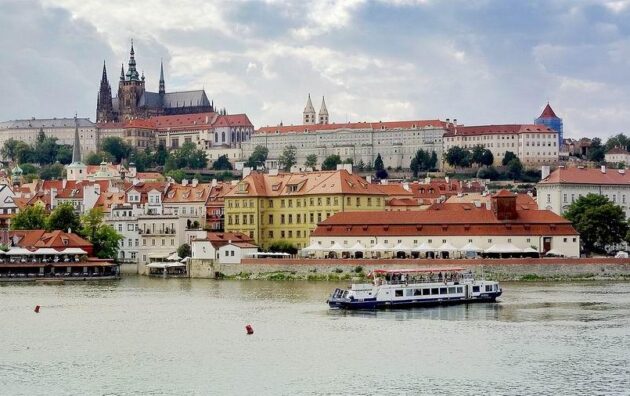
Prague Castle
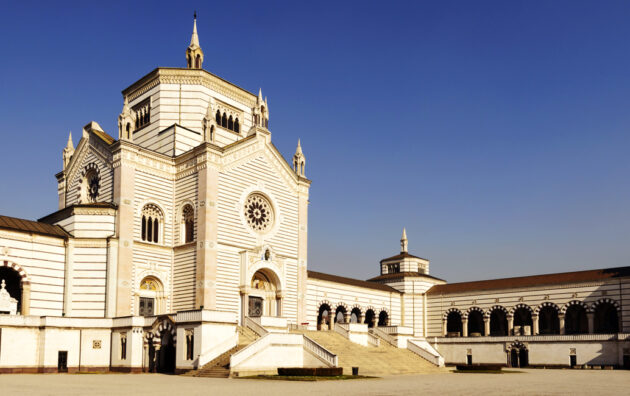
Cimitero Monumentale di Milano
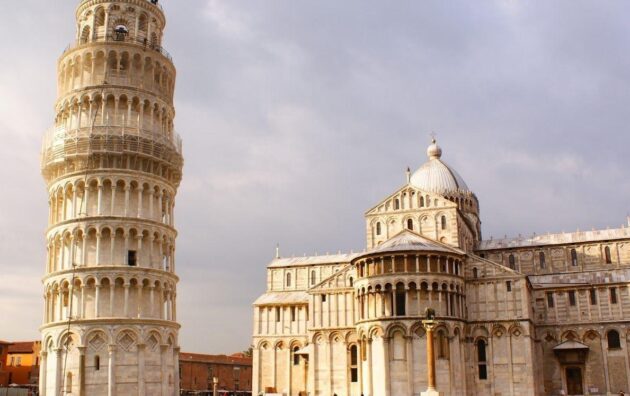
Pisa City and the Leaning Tower
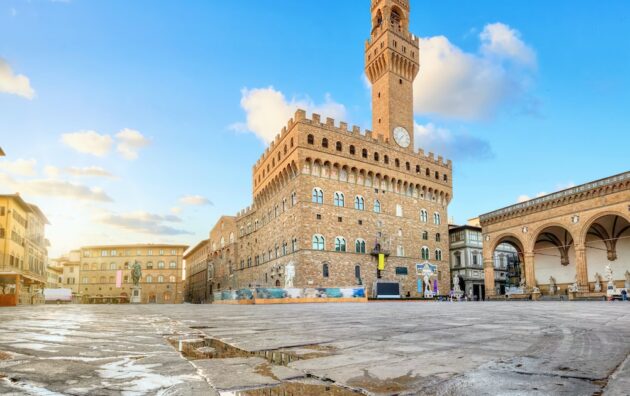
Palazzo Vecchio, Florence
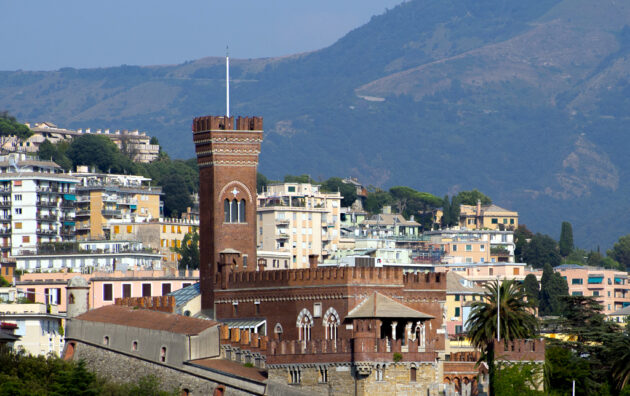
D’Albertis Castle, Genoa
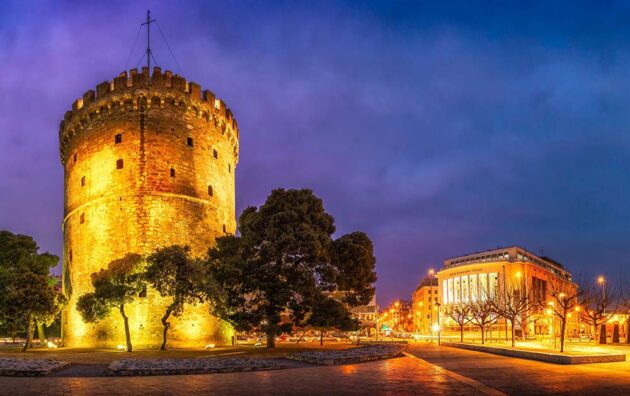
White Tower of Thessaloniki
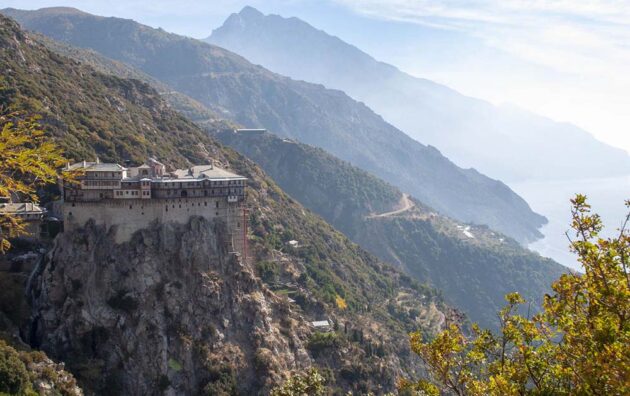
Holy Mount Athos, Greece
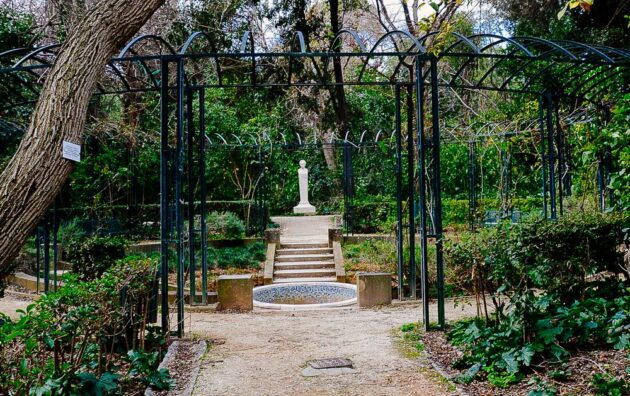
National Garden, Athens
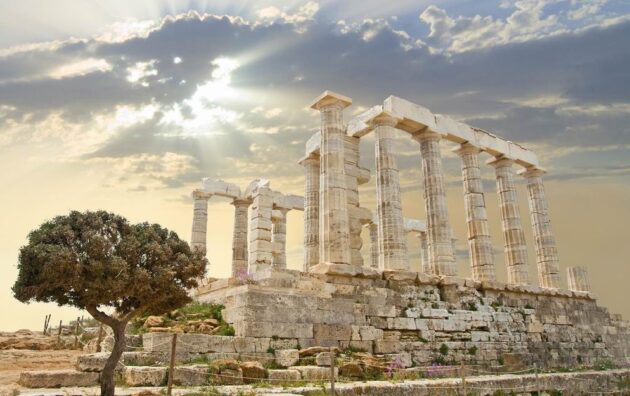
Temple of Olympian Zeus in Athens
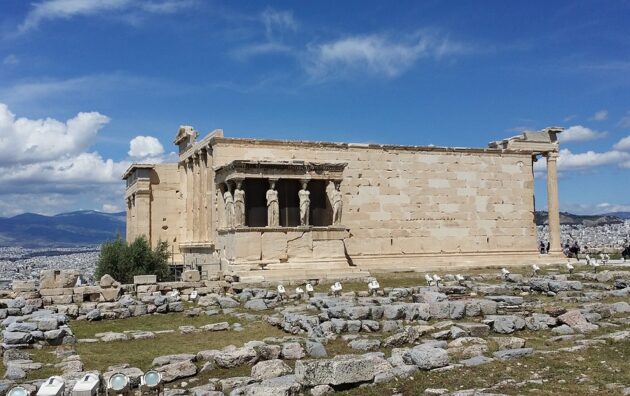
Erechtheion, Athens
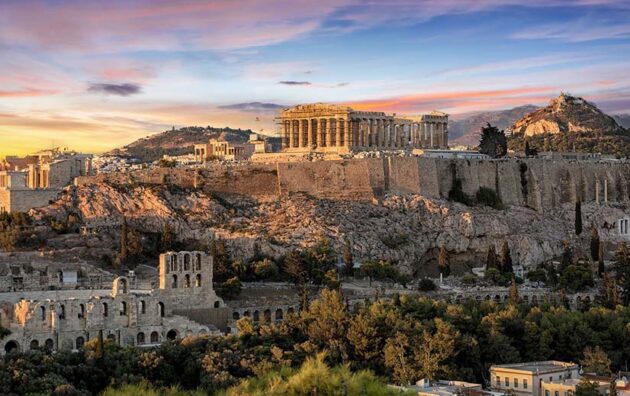
Acropolis of Athens
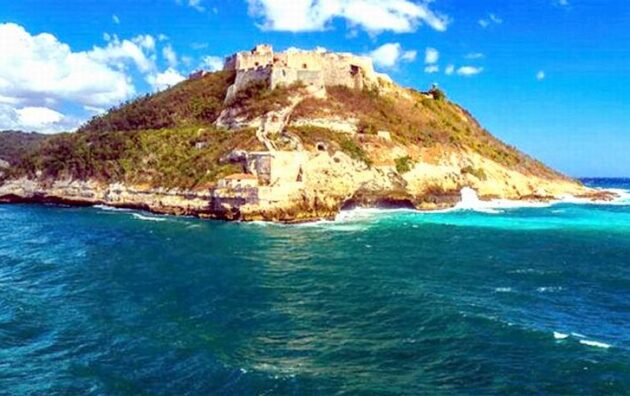
Castillo de San Pedro de la Roca
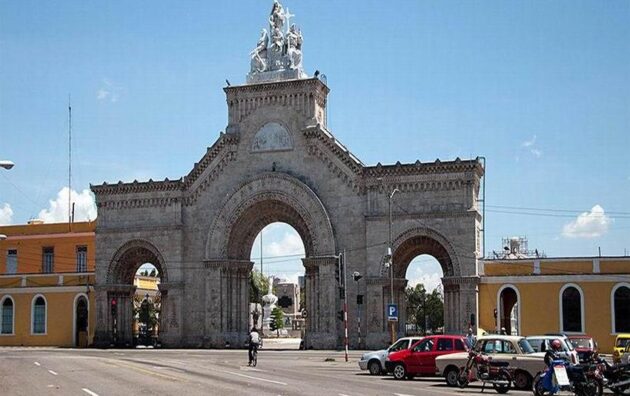
Colon Cemetery Havana