Royal Alcázars of Seville
Destination Description
The Royal Alcázars of Seville (Reales Alcázares de Sevilla) is one of the most impressive monuments in Spain and a UNESCO World Heritage Site.
This royal palace complex, still in use by the Spanish monarchy, is a dazzling showcase of Mudéjar, Gothic, Renaissance, and Baroque architecture.
Known for its intricate palaces, lush gardens, and breathtaking tilework, it is a must-visit landmark in the city of Seville and a place where centuries of history and culture blend harmoniously.
The history of the Alcázar stretches back to the 10th century when it began as a Moorish fortress under the Umayyad Caliphate of Córdoba. During the 12th century, the Almohads expanded the complex with Islamic palaces and courtyards. After Seville was conquered in 1248 by Ferdinand III of Castile, the fortress was converted into a royal residence. One of the most remarkable contributions came in the 14th century, when King Pedro I, also known as Pedro the Cruel, commissioned the Mudéjar Palace, which remains the highlight of the Alcázar today.
Over the centuries, Gothic halls, Renaissance structures, and Baroque decorations were added, making the Alcázar a layered masterpiece of styles.
To this day, the Spanish royal family resides in the upper levels of the palace, making it the oldest royal residence in Europe still in use.
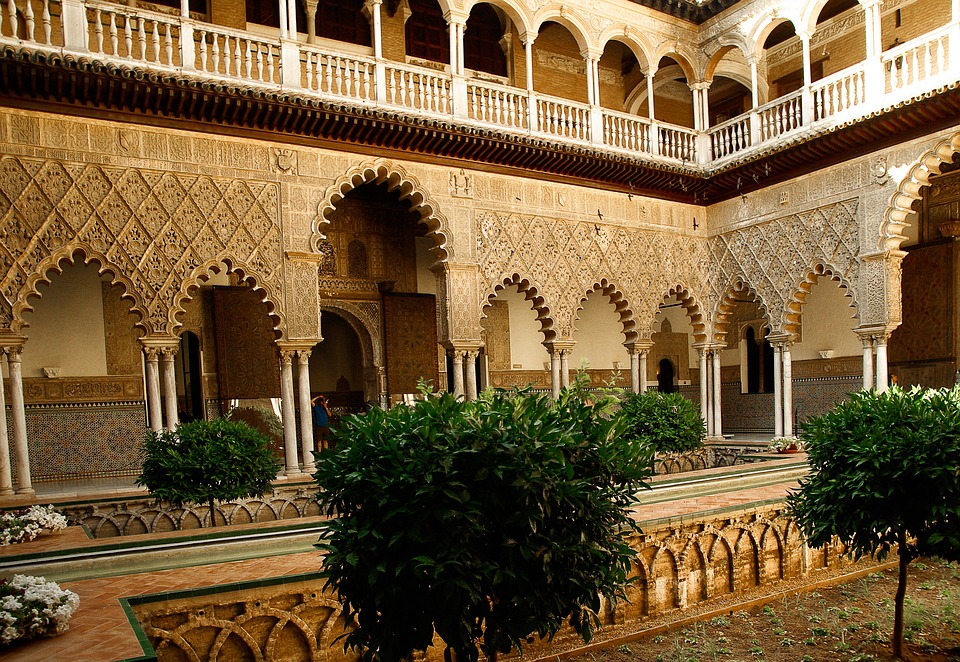
The Alcázar is famous for its architectural beauty. The Mudéjar Palace of Pedro I dazzles visitors with horseshoe arches, elaborate stucco, and colorful ceramic tiles.
The Gothic Palace, built by Alfonso X, impresses with ribbed vaults and spacious halls. Renaissance influences are seen in the House of Trade, where explorers like Columbus and Magellan once planned their voyages.
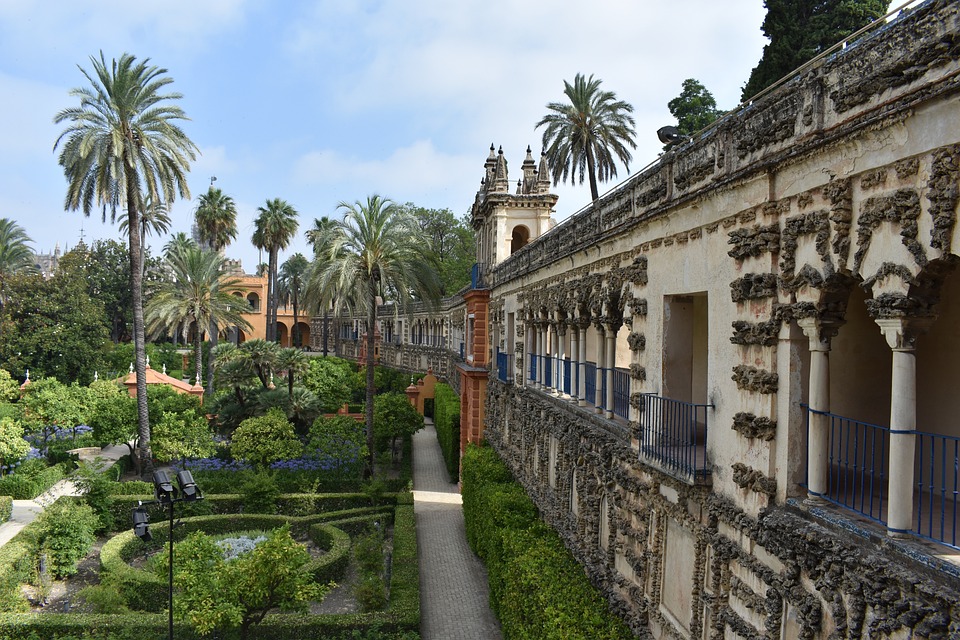
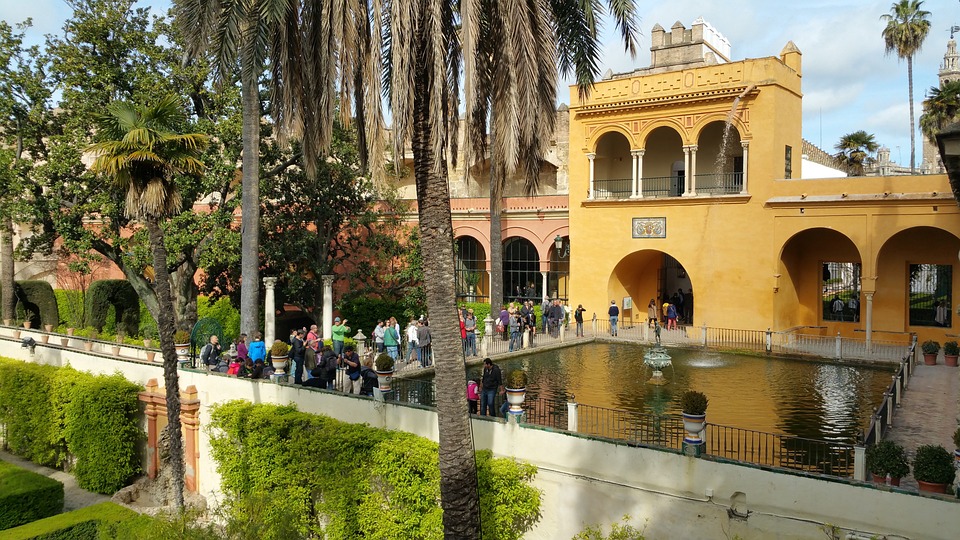
The Baroque era enriched chapels and rooms with ornate designs, while the vast gardens—filled with fountains, orange trees, and even peacocks—offer a peaceful retreat within the city.
Among the highlights are the Courtyard of the Maidens with its reflecting pool, the Hall of Ambassadors with its stunning golden dome, the underground Baths of Doña María de Padilla, and the beautifully landscaped Renaissance gardens. Several rooms also feature Flemish tapestries that depict major historical events.
Visiting the Alcázar is an unforgettable experience. It is highly recommended to book tickets online in advance, as lines are often long. The palace is open daily throughout the year, except for a few major holidays, and guided tours are available for those who wish to dive deeper into its history. Fans of Game of Thrones will also recognize parts of the Alcázar, as it was used as the set for the Water Gardens of Dorne.
The best time to visit Seville and the Alcázar is in spring and autumn, when the weather is mild and the city is alive with festivals.
Summers can be extremely hot, with temperatures often rising above 40°C, so early morning visits are recommended. Winters are mild and quiet, making them another good option.
Exploring the Alcázar is not only about history and architecture but also about experiencing the spirit of Seville itself.
Nearby, visitors can enjoy Andalusian cuisine with dishes like salmorejo, jamón ibérico, pescaito frito, or the local favorite espinacas con garbanzos. The vibrant tapas bars around Santa Cruz offer the perfect way to end a day of sightseeing.
For accommodation, travelers can choose from luxurious five-star hotels in restored palaces, charming boutique hotels in the old Jewish quarter, or budget-friendly hostels within walking distance of the historic center.
The Alcázar is located in the very heart of Seville, right next to the Cathedral and La Giralda.
It is easily accessible on foot, by tram, or by bus, with the nearest stop at Puerta de Jerez. Taxis and public parking are available, but walking is often the most enjoyable way to explore the area. The palace is surrounded by other iconic attractions such as the Seville Cathedral, the Barrio Santa Cruz, the Plaza de España, the Metropol Parasol, and the Torre del Oro by the river.
The Royal Alcázar of Seville is a living monument where Islamic art, Christian splendor, and centuries of Spanish history come together in a breathtaking place.
Must-See & Must-Do
Accommodation Near the Royal Alcázars of Seville
-Luxury: 5-star hotels in restored palaces near the Alcázar.
-Boutique Hotels: Charming Andalusian-style accommodations in Santa Cruz.
-Budget Options: Hostels and guesthouses within walking distance of the old town.
How to Get to the Royal Alcázars of Seville
-By Foot: Located in the heart of Seville, next to the Cathedral.
-By Tram/Bus: Several lines stop at Puerta de Jerez, a short walk away.
-By Taxi: Convenient for direct access, especially in summer.
-By Car: Limited parking in the historic center; public garages nearby.
Nearby Attractions to the Royal Alcázars of Seville
-Seville Cathedral & La Giralda: Right next to the Alcázar, another UNESCO site.
-Barrio Santa Cruz: The old Jewish quarter with narrow streets and hidden squares.
-Metropol Parasol (Las Setas): Modern architecture offering panoramic views.
-Plaza de España: A stunning 20th-century square with tiled alcoves representing Spain’s provinces.
-Torre del Oro: A 13th-century watchtower by the river.
Travel Tips for Visiting the Alcázar of Seville
-Book tickets online weeks ahead, especially in high season.
-Arrive early morning to avoid crowds and enjoy cooler weather.
-Plan at least 2–3 hours to explore palaces and gardens fully.
-Don’t miss the gardens, often overlooked but breathtaking.
-Check events, as concerts are sometimes held in the gardens.
Similar Listing

Eiffel Tower, Paris

Avenue des Champs-Élysées, Paris

Arc de Triomphe, Paris

Kuala Lumpur Butterfly Park
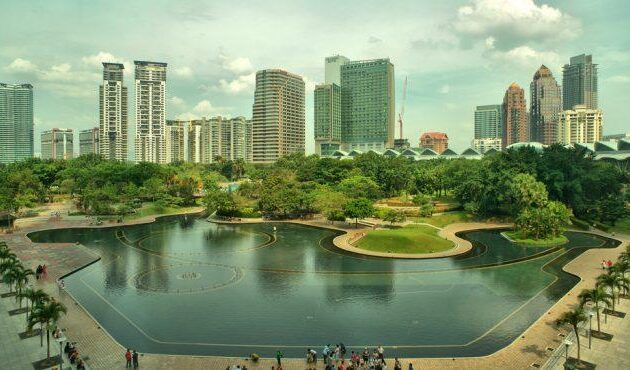
KLCC Park, Kuala Lumpur
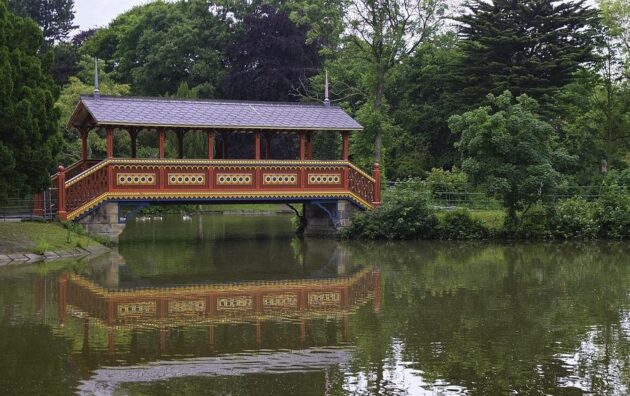
Birkenhead Park, Liverpool
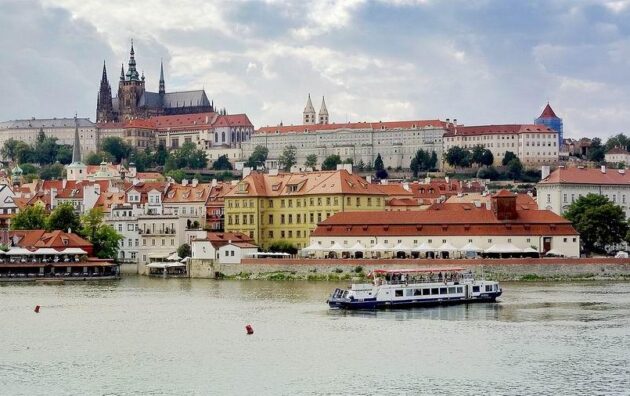
Prague Castle
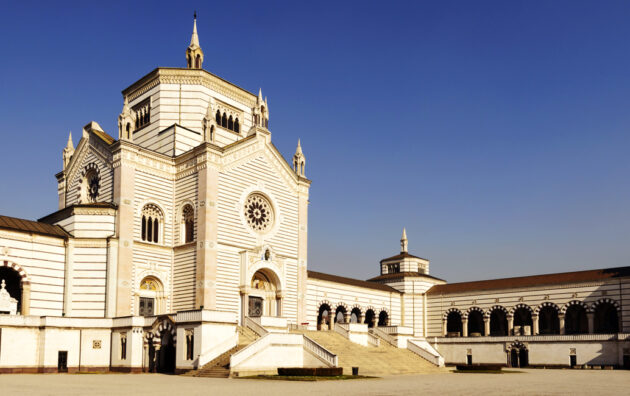
Cimitero Monumentale di Milano
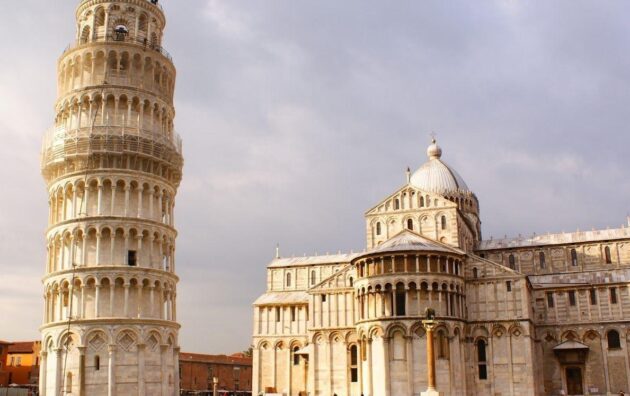
Pisa City and the Leaning Tower
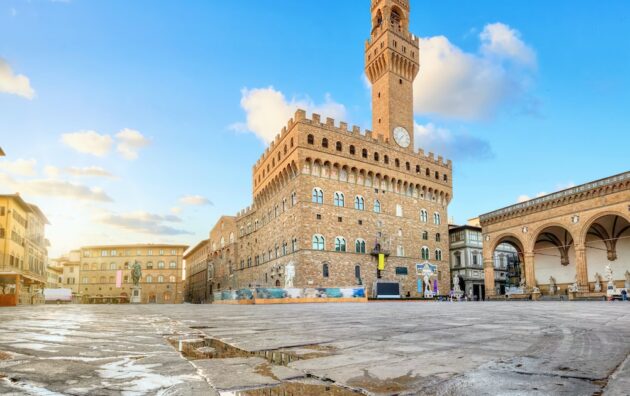
Palazzo Vecchio, Florence
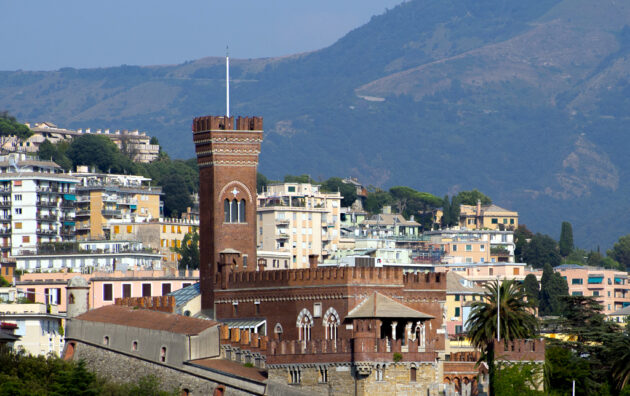
D’Albertis Castle, Genoa
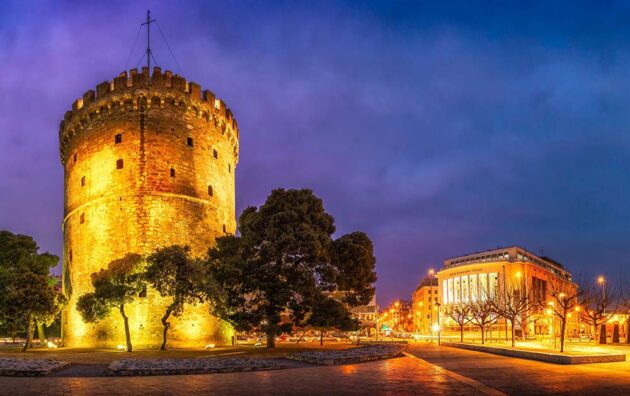
White Tower of Thessaloniki
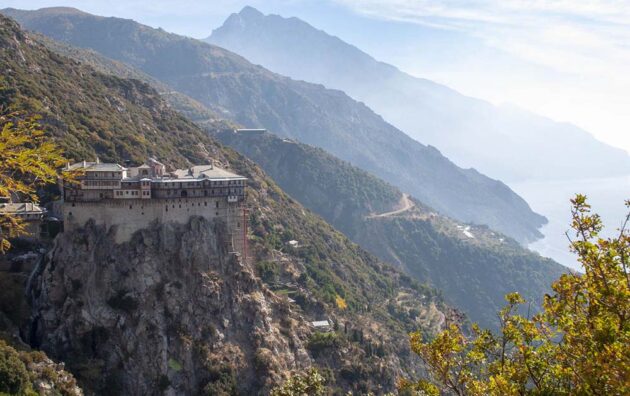
Holy Mount Athos, Greece
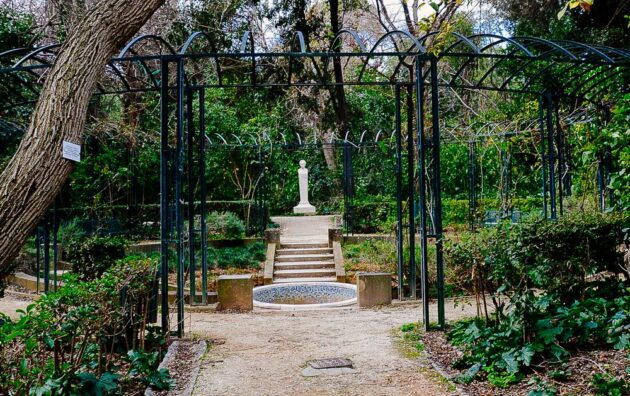
National Garden, Athens

Temple of Olympian Zeus in Athens
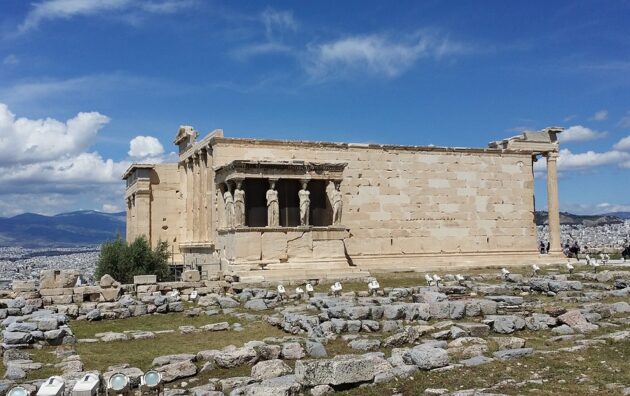
Erechtheion, Athens

Acropolis of Athens
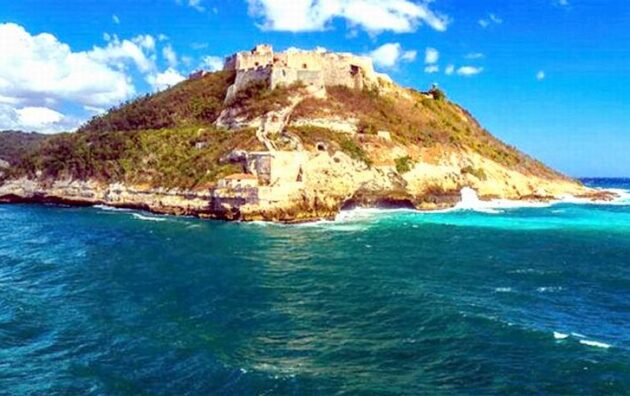
Castillo de San Pedro de la Roca
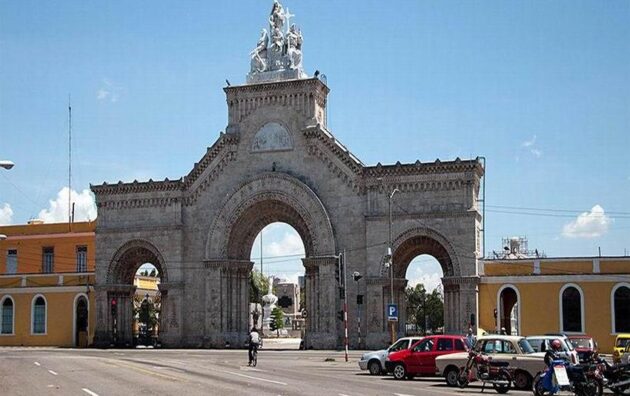
Colon Cemetery Havana