Archeological Museum of Seville
Destination Description
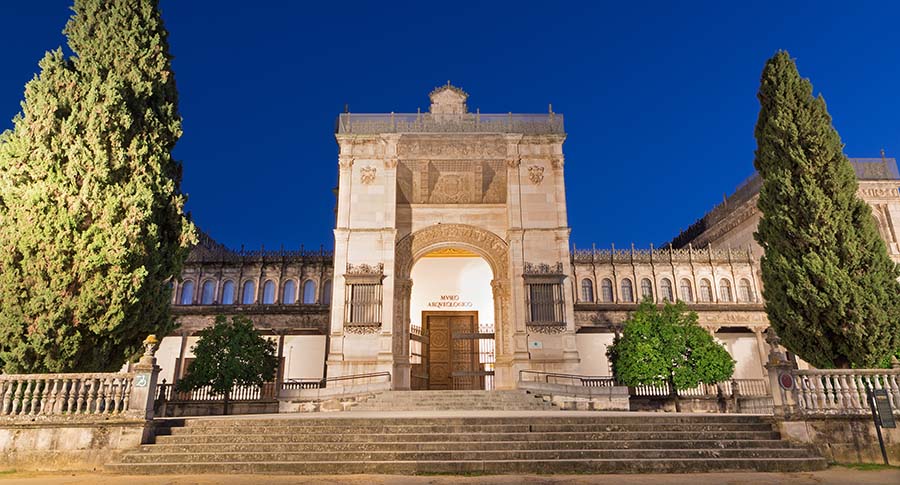
The Archaeological Museum of Seville (Museo Arqueológico de Sevilla) is one of Spain’s finest museums for history and archaeology lovers.
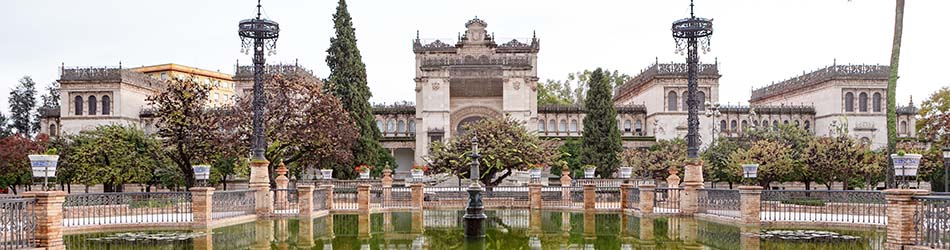
Located in the heart of María Luisa Park, inside a Renaissance Revival pavilion designed by architect Aníbal González for the Ibero-American Exposition of 1929, the museum offers a fascinating journey through the civilizations that shaped Andalusia, from prehistory to the Middle Ages.
The museum is most famous for its extraordinary collections from Italica, the nearby Roman city where emperors Trajan and Hadrian were born.
Visitors will be amazed by the Roman statues, mosaics, and everyday artifacts that reveal the grandeur of this ancient settlement. Among the highlights is the statue of the goddess Diana, as well as mosaics depicting mythological scenes that once decorated Italica’s villas.
One of the museum’s treasures is the Treasure of El Carambolo, an astonishing collection of 21 gold pieces, including necklaces, bracelets, and pendants, dating back to the Tartessian civilization of the 8th century BC. This discovery shed light on one of the oldest cultures in the Iberian Peninsula, blending local traditions with Phoenician influences.
The museum is divided into several sections, each dedicated to different eras. The Prehistoric collection features tools, ceramics, and idols that illustrate life in the Guadalquivir valley thousands of years ago.
The Roman collection is the largest, with statues of emperors, intricate mosaics, and amphorae. The Visigothic and Islamic sections showcase the cultural transitions of Andalusia through decorative stonework, jewelry, and architectural remains.
The building itself enhances the visitor experience. Its spacious galleries and elegant architecture make the displays more impressive, while the surrounding Parque de María Luisa creates a relaxing environment perfect for combining culture and leisure.
Visiting the museum is convenient and affordable. It is generally free for EU citizens, while non-EU visitors pay a small entrance fee. The museum is open year-round, though it closes on Mondays and on major holidays.
It is easily accessible on foot from the city center or by tram and bus, with the nearby Plaza de España and Parque de María Luisa offering additional attractions.
After exploring the exhibits, visitors can enjoy a walk through the park’s shaded paths or relax in one of the nearby cafés and tapas bars. For those interested in history, combining the museum with a trip to Italica, located just outside Seville, makes for an unforgettable cultural experience.
The Archaeological Museum of Seville is more than just a museum – it is a gateway into the ancient world of Andalusia. From the Tartessian gold of El Carambolo to the Roman splendor of Italica, it tells the story of a land shaped by many civilizations.
For travelers seeking to go beyond Seville’s famous Alcázar and Cathedral, this museum offers a deeper understanding of the city’s roots and is one of the most rewarding cultural visits in Seville.
Archaeological Museum of Seville, Museo Arqueológico de Sevilla, El Carambolo Treasure, Italica Seville, Seville museums, things to do in Seville, Roman history Seville, Seville attractions.
Must-See & Must-Do
Highlights of the Museum
-Treasure of El Carambolo: A collection of 21 gold pieces from the Tartessian civilization (8th century BC), including necklaces, bracelets, and pendants. It is one of the most important archaeological finds in Spain.
-Roman Statues from Italica: Including representations of emperors Trajan and Hadrian, both born near Seville.
-Roman Mosaics: Intricate works with mythological and geometric designs, originally from villas in Italica.
-Goddess Diana Statue: A masterpiece of Roman sculpture.
-Prehistoric Collection: Ceramics, tools, and idols that show life in Andalusia thousands of years ago.
-Visigothic and Islamic Sections: Decorative stonework, jewelry, and architectural elements reflecting the cultural transitions of the region.
Visiting Information
Location: Plaza de América, inside María Luisa Park, Seville.
Opening Hours:
Tuesday to Saturday: 9:00 – 21:00
Sunday and holidays: 9:00 – 15:00
Closed on Mondays and major holidays (January 1, May 1, December 25).
Tickets:
Free entry for EU citizens.
Small fee (around €1.50) for non-EU visitors.
Duration of Visit: 1–2 hours recommended.
Facilities: Accessible building, guided tours available, and gift shop with history books and replicas.
How to Get There
-On Foot: A pleasant 20-minute walk from the Seville Cathedral through the historic center.
-By Tram: Line T1 stops at Prado de San Sebastián, just a short walk from the museum.
-By Bus: Several local buses stop around María Luisa Park.
-By Taxi: Quick and easy from anywhere in central Seville.
Nearby Attractions
-Plaza de España: Just across the park, one of Seville’s most iconic landmarks.
-María Luisa Park: Perfect for a relaxing stroll before or after your museum visit.
-Museum of Popular Arts and Traditions: Located in the same square, showcasing Andalusian folk culture.
-Seville Cathedral & Alcázar: About a 15-minute walk away, ideal to combine for a full cultural day.
Travel Tips
-Visit in the morning to enjoy the museum when it is quieter.
-Combine your visit with a walk through Plaza de España and María Luisa Park.
-Bring a bottle of water in summer – Seville can get very hot.
-If you are a history enthusiast, plan a day trip to Italica, the Roman city that provided many of the museum’s treasures.
-Don’t miss the El Carambolo Treasure – it’s one of Spain’s greatest archaeological discoveries.
Similar Listing
National Museum, Kuala Lumpur
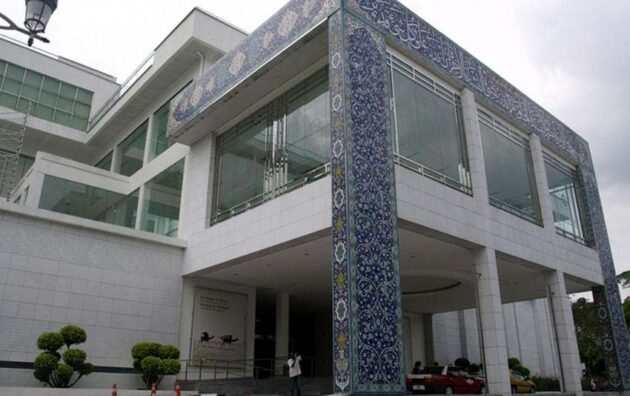
Islamic Arts Museum Malaysia
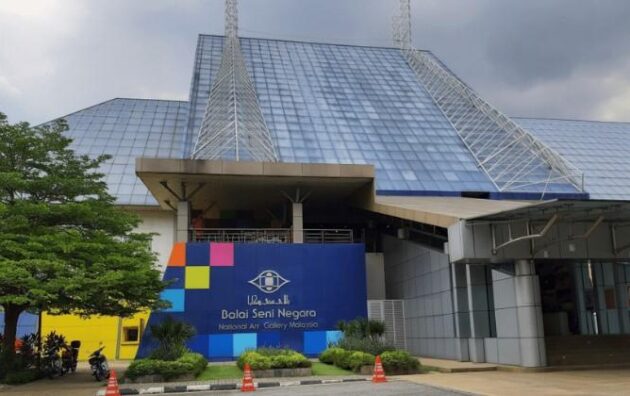
National Visual Arts Gallery, Kuala Lumpur
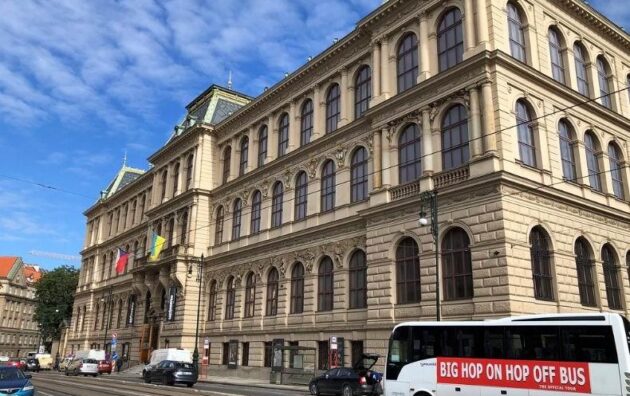
Museum of Decorative Arts in Prague
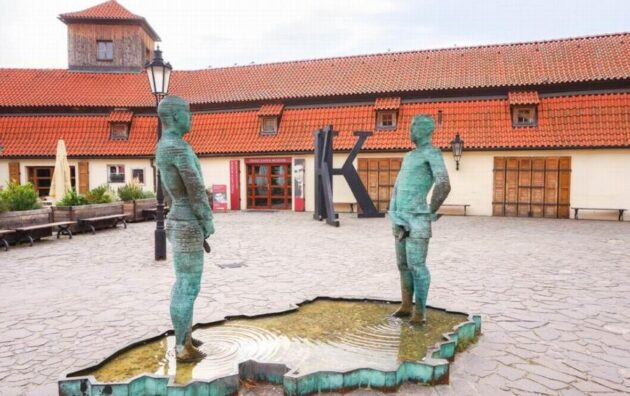
Franz Kafka Museum, Prague
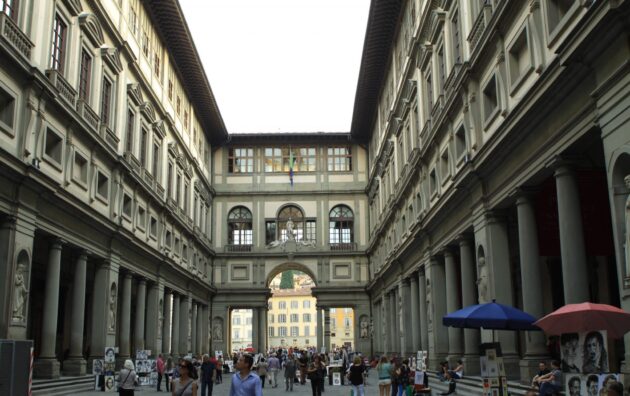
Galleria degli Uffizi, Florence
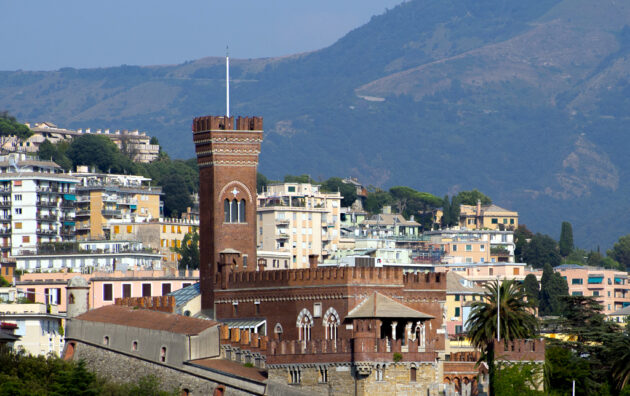
D’Albertis Castle, Genoa
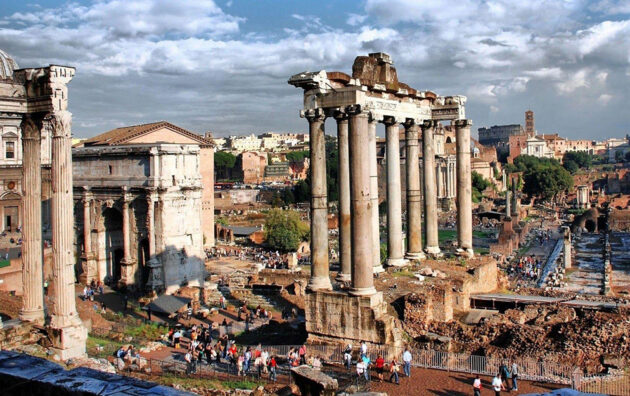
Exploring the Roman Forum
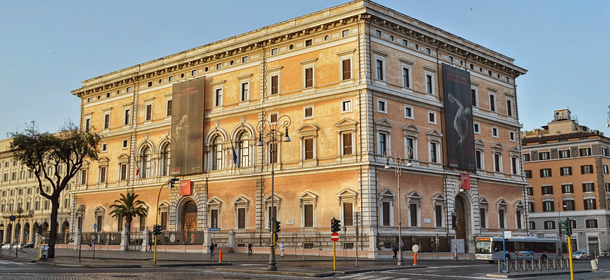
Exploring the National Roman Museum in Rome
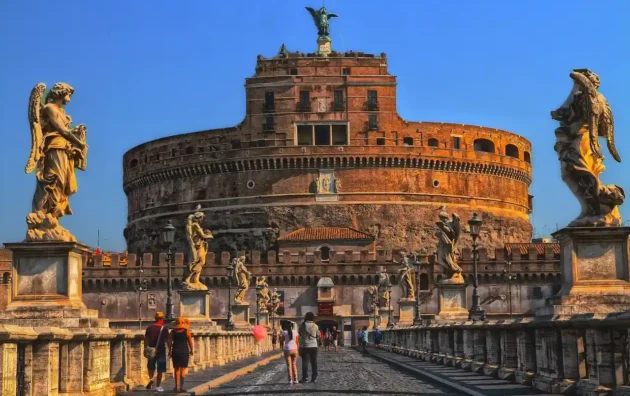
Discover Castel Sant’Angelo
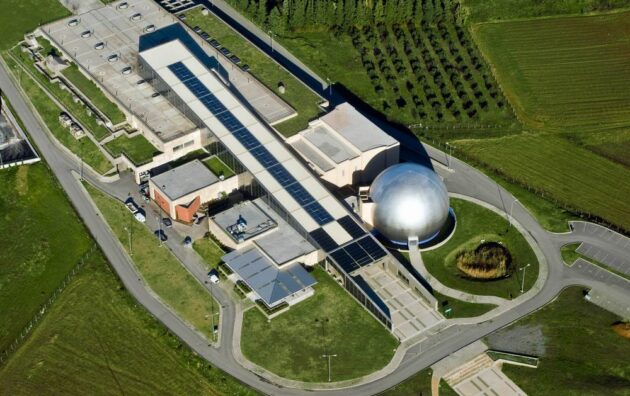
Thessaloniki Science Center and Technology Museum
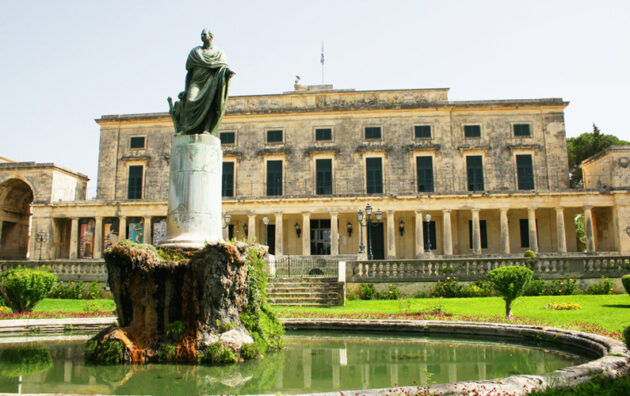
Archaeological Museum of Corfu
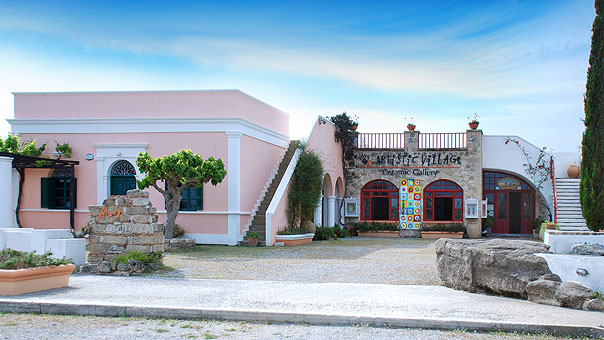
Artistic Village – Museum of Ceramic Art in Rhodes, Greece
Archaeological Museum of Mykonos
Heraklion Archaeological Museum
National Archaeological Museum, Athens
Museum of the Revolution Havana
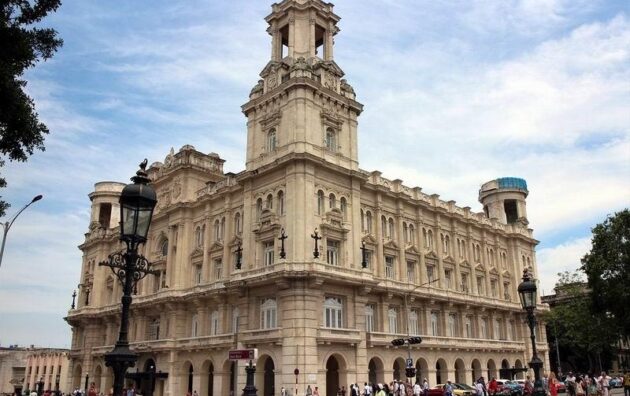
National Museum of Fine Arts of Havana
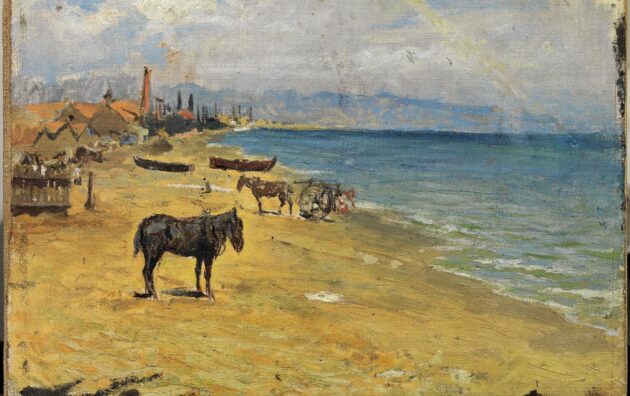
Museu Picasso, Barcelona