Erechtheion, Athens
Destination Description
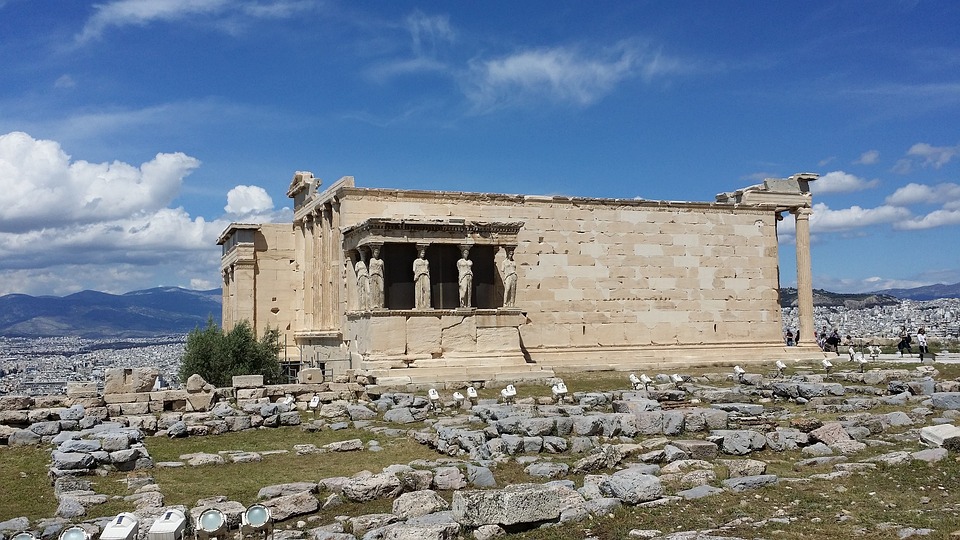
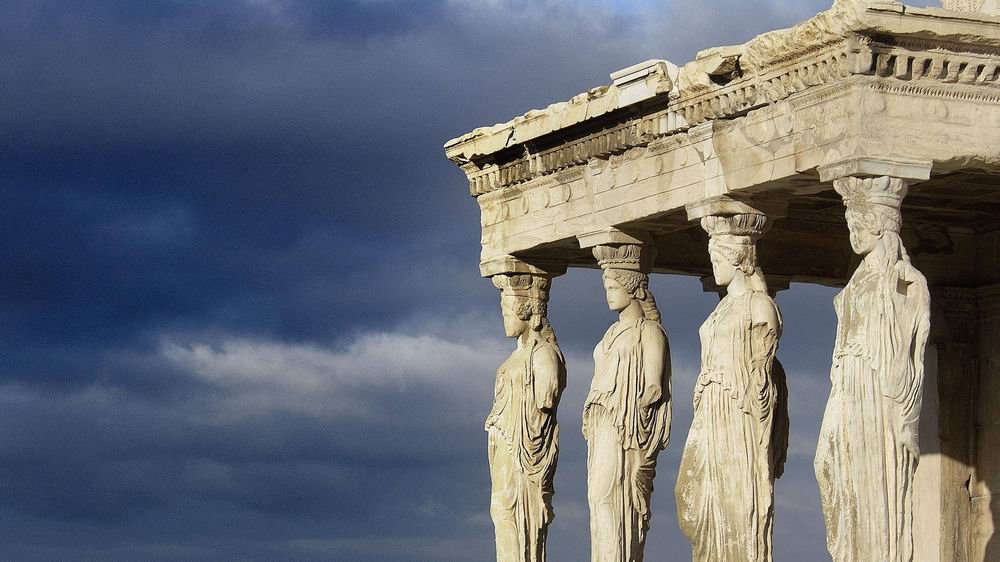
The Erechtheion is one of the most fascinating monuments of the Acropolis of Athens, admired for its unique architecture and deep mythological significance. Built between 421 and 406 BC during the Golden Age of Pericles, the Erechtheion was dedicated to both Athena and Poseidon, making it one of the most sacred temples of ancient Athens. Today, it is most famous for the Porch of the Caryatids, where graceful female statues replace traditional columns, creating one of the most iconic images of classical architecture.
History of the Erechtheion
Unlike the Parthenon, which was a grand and symmetrical temple, the Erechtheion had a more complex and irregular design due to the uneven terrain and its religious purpose. According to Greek mythology, this was the site of the legendary contest between Athena and Poseidon over the patronage of Athens. Athena offered the olive tree, symbolizing peace and prosperity, while Poseidon struck the ground with his trident, creating a saltwater spring. The Athenians chose Athena, and the city was named in her honor.
The Erechtheion was constructed to honor both deities and to house ancient cults and sacred relics, including the olive tree of Athena.
Architectural Features
The Erechtheion is considered a masterpiece of Ionic architecture with several unique elements.
-Porch of the Caryatids – Six elegant female figures, known as Caryatids, support the roof instead of columns. The originals are housed in the Acropolis Museum, while replicas stand at the temple.
-Asymmetrical Layout – The temple’s design adapts to the rocky landscape, making it different from other classical temples.
-Sacred Spaces – Different parts of the temple were dedicated to various gods and heroes, reflecting its strong religious role in ancient Athens.
Must-See & Must-Do
Visiting the Erechtheion
The Erechtheion is located on the north side of the Acropolis, just a short walk from the Parthenon. Visitors can admire its unique design and the breathtaking view of Athens from the site.
Practical Information:
-Opening Hours: Daily from 8:00 AM to 8:00 PM (seasonal changes apply).
-Tickets: Included in the general Acropolis ticket (around €20).
-Best Time to Visit: Early morning or evening to avoid crowds and strong heat.
-Nearby Attractions: The Parthenon, Temple of Athena Nike, and Acropolis Museum.
The Caryatids in the Acropolis Museum
Five of the original Caryatids are preserved in the Acropolis Museum, where they have been carefully restored and displayed. The sixth Caryatid is housed in the British Museum in London, as part of the controversial Elgin Marbles collection. Seeing the Caryatids up close in the museum provides a deeper appreciation of their artistry and detail.
Similar Listing

Eiffel Tower, Paris

Avenue des Champs-Élysées, Paris

Arc de Triomphe, Paris

Kuala Lumpur Butterfly Park
KLCC Park, Kuala Lumpur
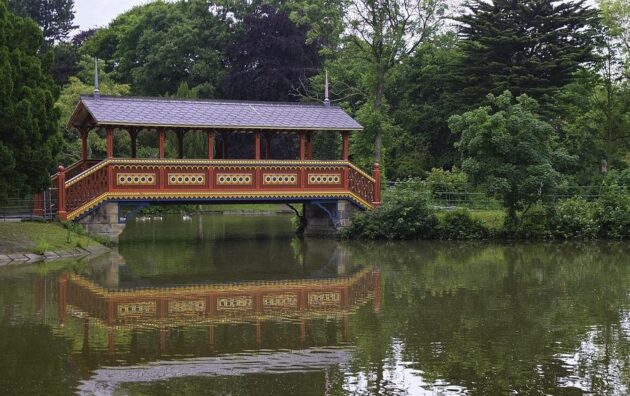
Birkenhead Park, Liverpool

Prague Castle
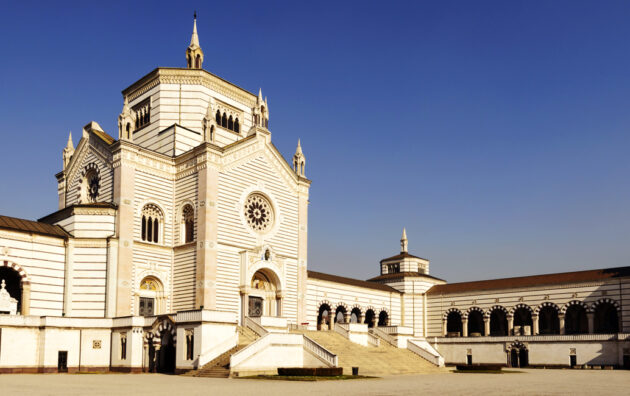
Cimitero Monumentale di Milano
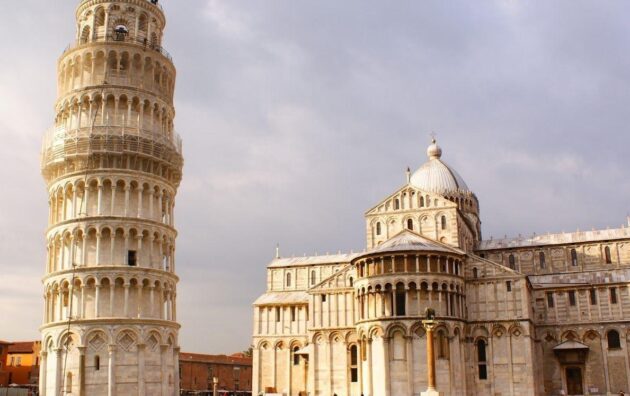
Pisa City and the Leaning Tower
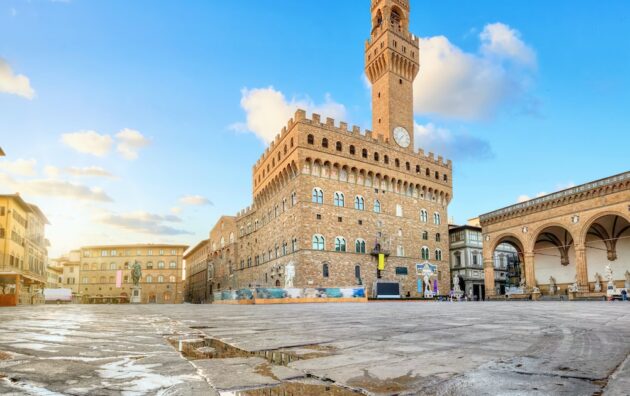
Palazzo Vecchio, Florence
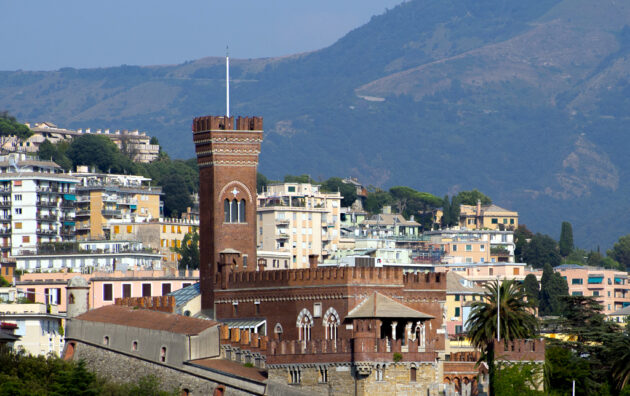
D’Albertis Castle, Genoa
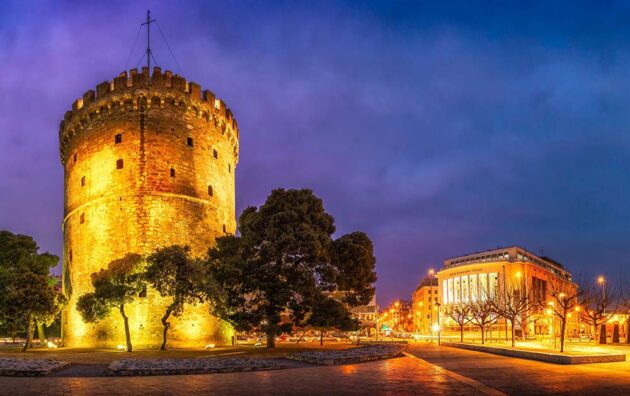
White Tower of Thessaloniki

Holy Mount Athos, Greece
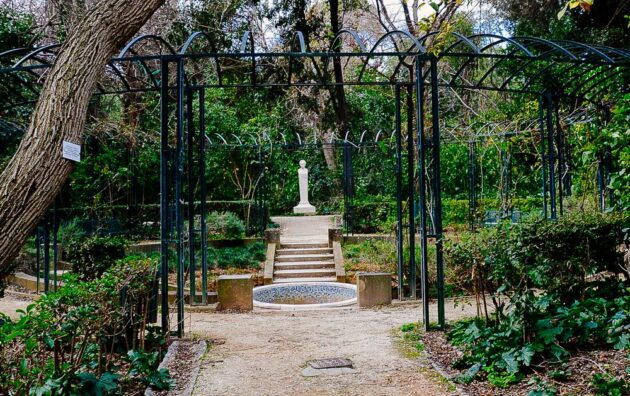
National Garden, Athens
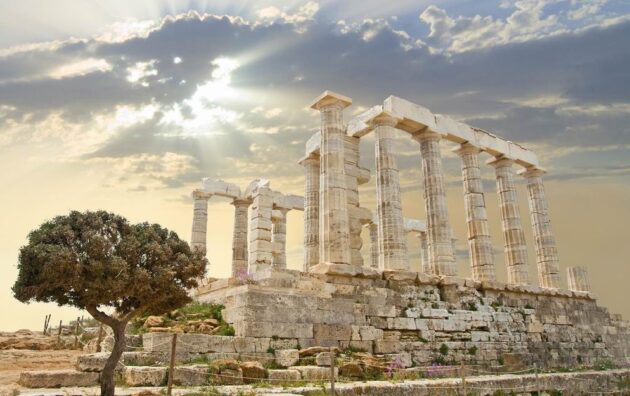
Temple of Olympian Zeus in Athens
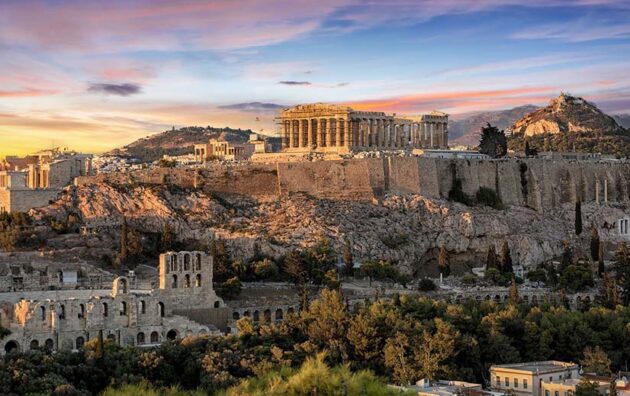
Acropolis of Athens
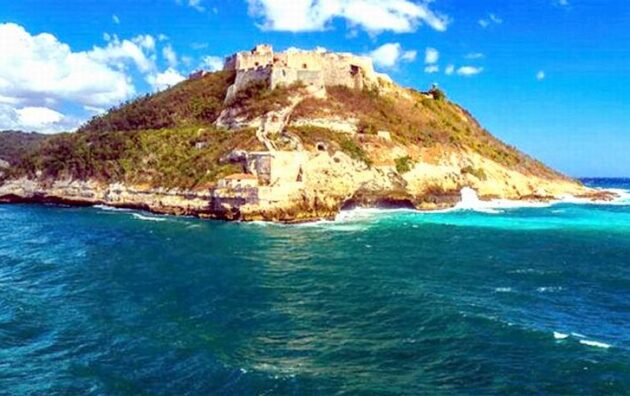
Castillo de San Pedro de la Roca
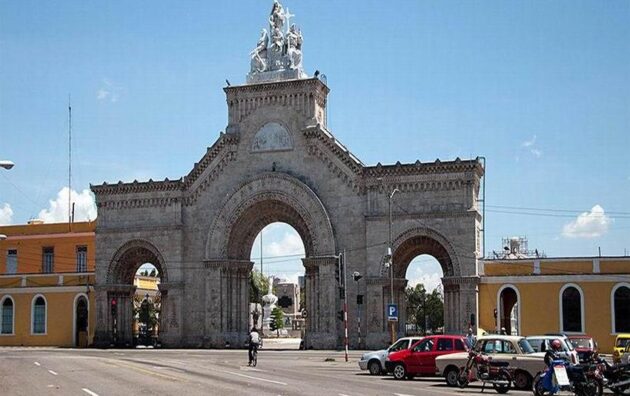
Colon Cemetery Havana
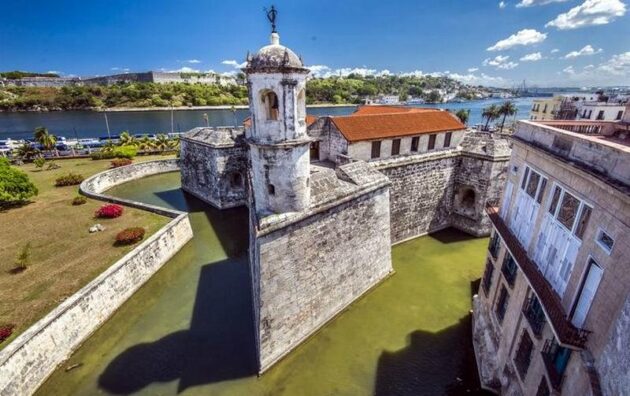
Castillo de la Real Fuerza, Havana