White Tower of Thessaloniki
Destination Description
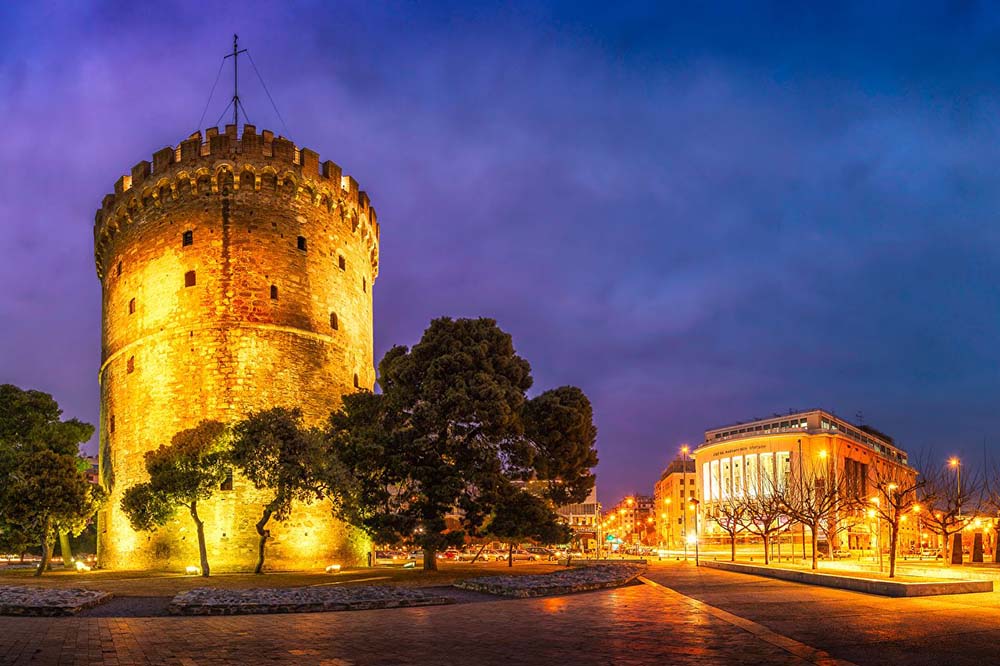
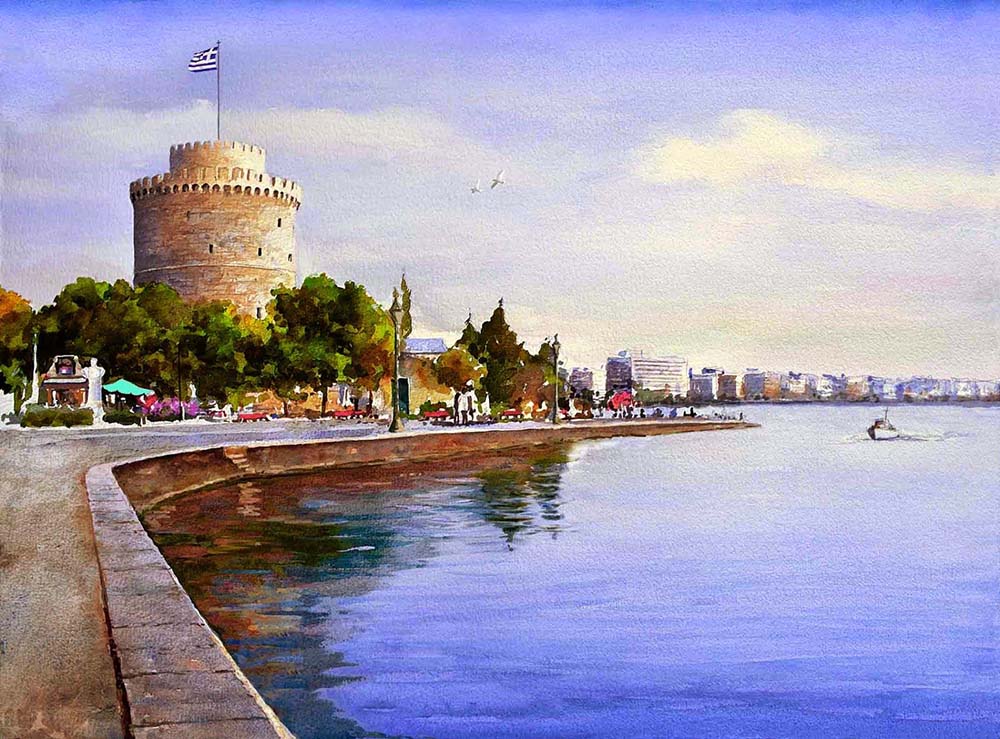
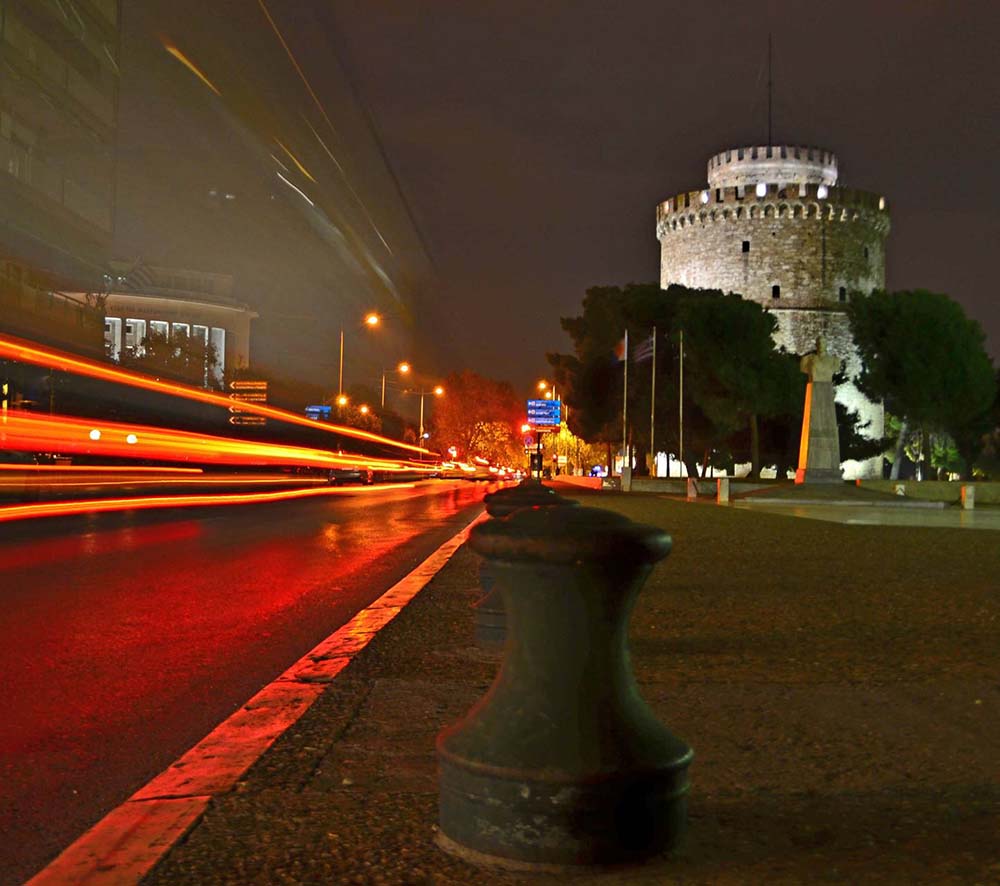
The White Tower of Thessaloniki is the most recognizable landmark of northern Greece and a proud symbol of the city’s rich history. Standing majestically on the Thessaloniki waterfront, this 15th-century monument offers panoramic views of the Thermaic Gulf and serves as a fascinating museum dedicated to the city’s past.
History of the White Tower of Thessaloniki
The White Tower was constructed by the Ottomans in the late 15th century, after they captured Thessaloniki in 1430. It replaced an older Byzantine tower that had been part of the city’s defensive walls.
Originally known as the “Tower of the Lion” or “Tower of Blood”, it served multiple purposes over the centuries — as a fortress, garrison, and prison. During the Ottoman period, it gained a grim reputation for its use as a place of execution.
After Thessaloniki was liberated in 1912 and became part of modern Greece, the tower was whitewashed as a symbolic act of purification — giving it the name “White Tower.” Today, it stands not only as a monument of the city’s turbulent past but also as a symbol of rebirth and unity.
Architecture and Structure
The White Tower stands 34 meters high and 22 meters in diameter, built in circular form from stone and brick.
Key Features:
Six floors connected by a spiral staircase leading to the rooftop.
Exhibition spaces displaying the history of Thessaloniki from the Roman, Byzantine, and Ottoman eras to the modern day.
Observation platform at the top, offering spectacular views of the city skyline, the port, and Mount Olympus on clear days.
The tower’s simplicity in design contrasts beautifully with its historical depth, representing both the strength and endurance of Thessaloniki through the centuries.
The Museum Inside the White Tower
Today, the White Tower houses a permanent exhibition organized by the Thessaloniki History Center and the Byzantine Museum.
The exhibits include:
Multimedia presentations about the urban development of Thessaloniki.
Artifacts, maps, and photos illustrating daily life through the ages.
Interactive displays that bring to life the city’s Byzantine, Ottoman, and modern periods.
Each floor represents a different era or theme, making your ascent to the top both educational and inspiring.
The White Tower of Thessaloniki is not just an architectural landmark — it’s a living symbol of the city’s identity. From a fortress of war to a beacon of peace and culture, the tower embodies Thessaloniki’s transformation through the ages.
Climb to the top, breathe in the sea breeze, and gaze over the vibrant city below — the same view that has inspired generations.
Must-See & Must-Do
Visiting Information
Location: Nikis Avenue, Thessaloniki Waterfront, Greece
-Opening Hours: Usually daily from morning until sunset (hours may vary by season)
- Entrance Fee: Around €4 for adults; reduced tickets available for students and seniors
- How to Get There: Easily reachable by foot from Aristotelous Square, or by local bus/taxi.
The promenade area around the tower is perfect for a leisurely walk, especially at sunset when the sea reflects the golden light on the monument’s stone walls.
Why Visit the White Tower of Thessaloniki?
-To explore the most iconic monument in Thessaloniki.
-To learn about 2,000 years of city history through interactive exhibits.
-To enjoy panoramic views of the Thermaic Gulf and the city.
-To photograph one of the most scenic spots in northern Greece.
-To experience the symbolic heart of Thessaloniki.
Nearby Attractions
-Aristotelous Square – the city’s central hub for cafes and culture.
-Rotunda and Arch of Galerius – ancient Roman monuments.
-Museum of Byzantine Culture – for deeper insight into Thessaloniki’s spiritual past.
-Thessaloniki Waterfront Promenade – perfect for a stroll or bike ride.
Similar Listing

Eiffel Tower, Paris
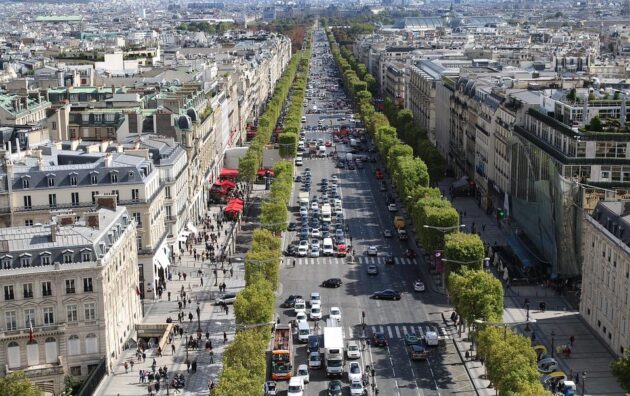
Avenue des Champs-Élysées, Paris
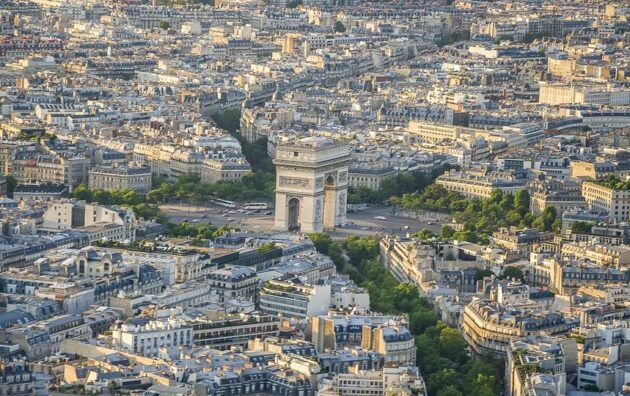
Arc de Triomphe, Paris
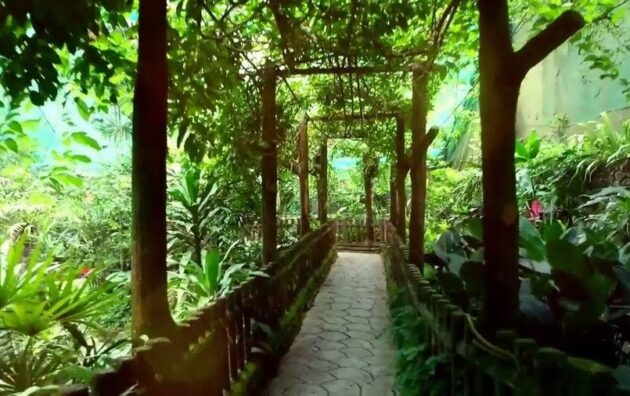
Kuala Lumpur Butterfly Park
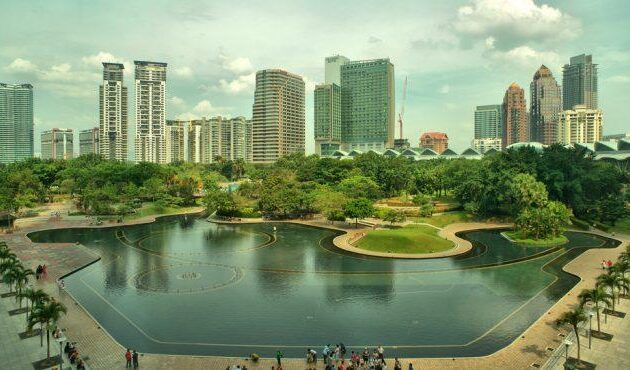
KLCC Park, Kuala Lumpur
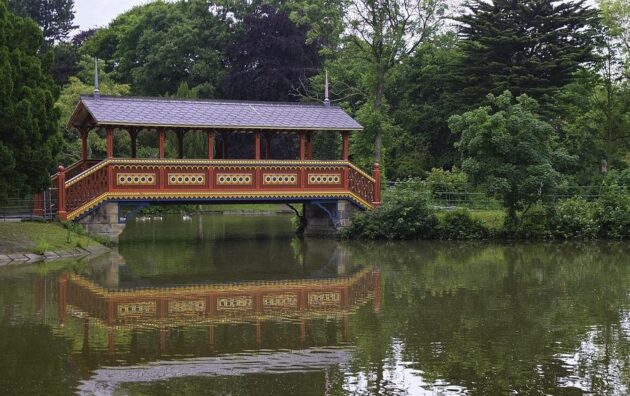
Birkenhead Park, Liverpool
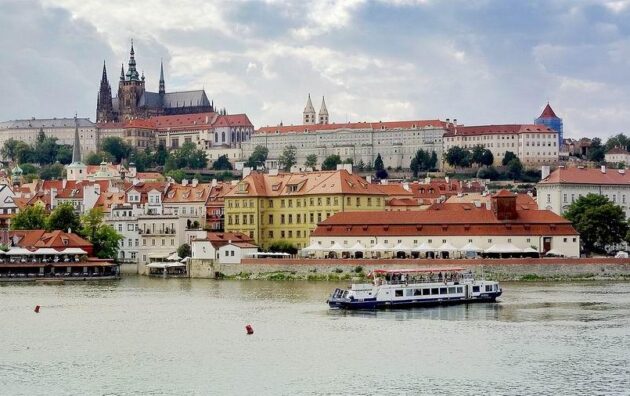
Prague Castle
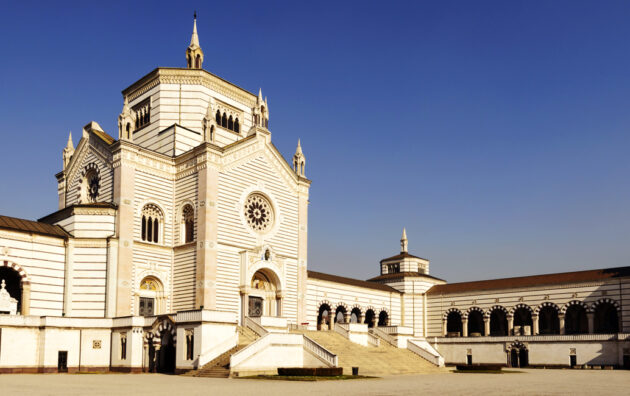
Cimitero Monumentale di Milano
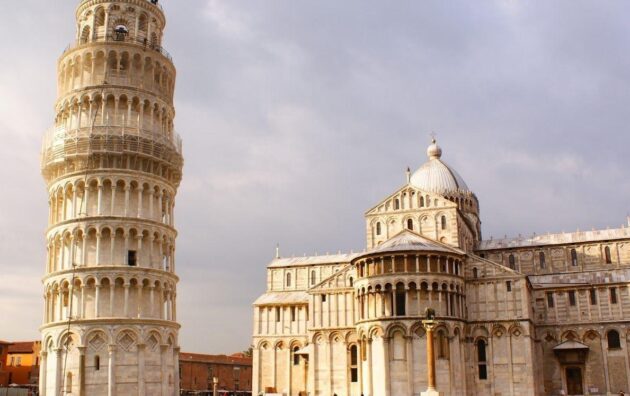
Pisa City and the Leaning Tower
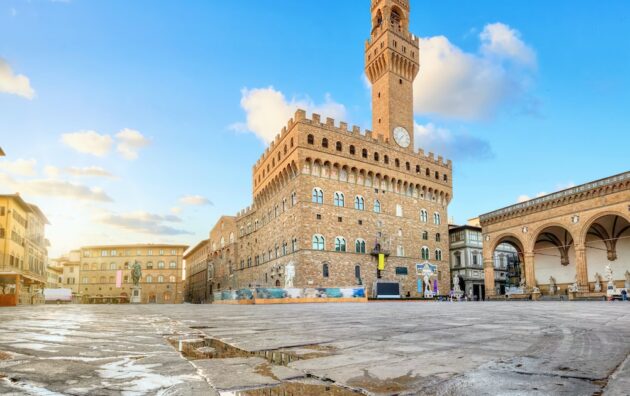
Palazzo Vecchio, Florence
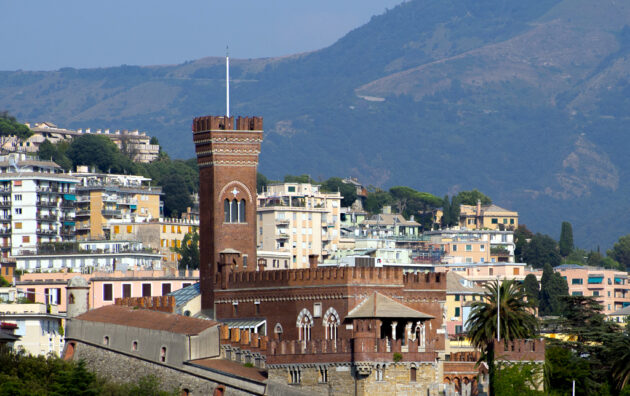
D’Albertis Castle, Genoa
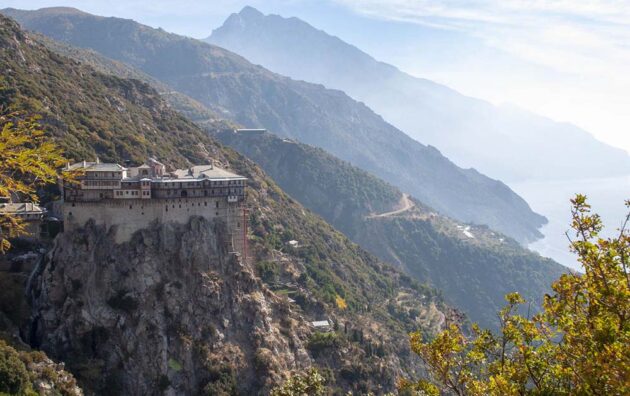
Holy Mount Athos, Greece
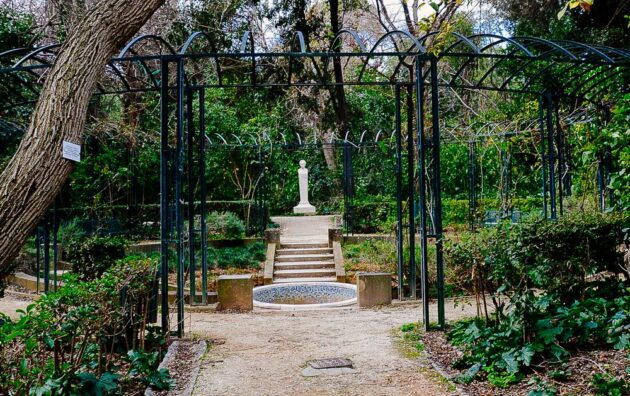
National Garden, Athens
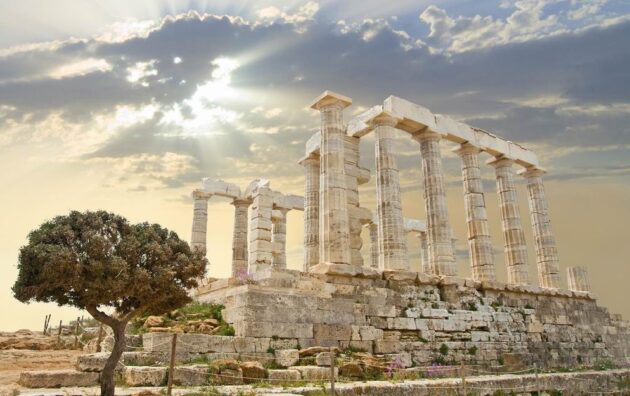
Temple of Olympian Zeus in Athens
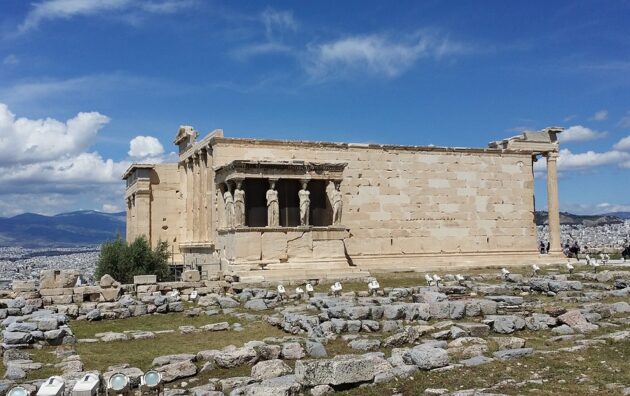
Erechtheion, Athens
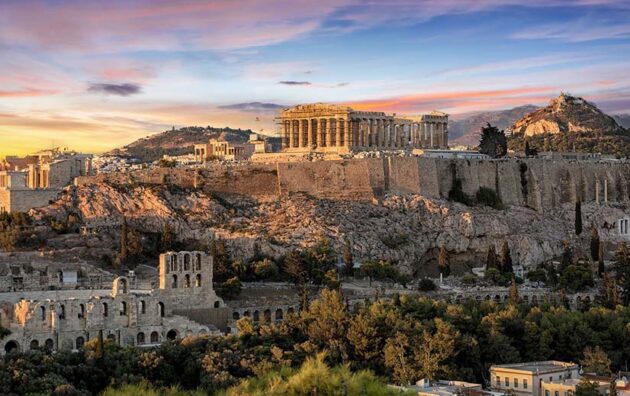
Acropolis of Athens
Castillo de San Pedro de la Roca
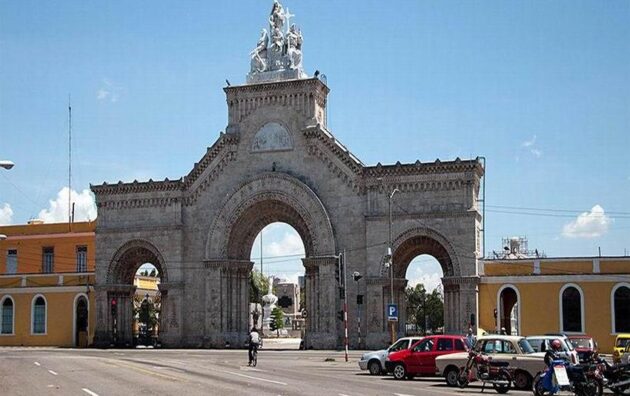
Colon Cemetery Havana
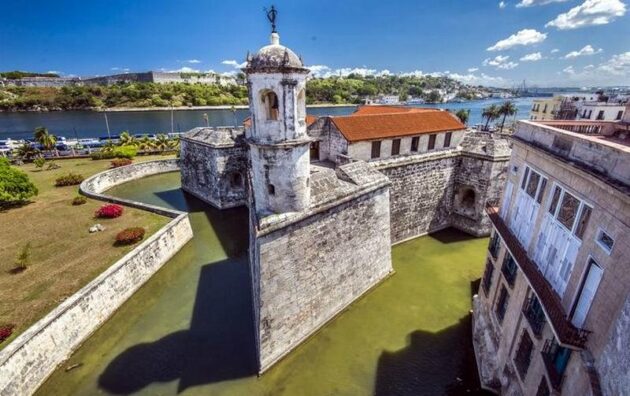
Castillo de la Real Fuerza, Havana