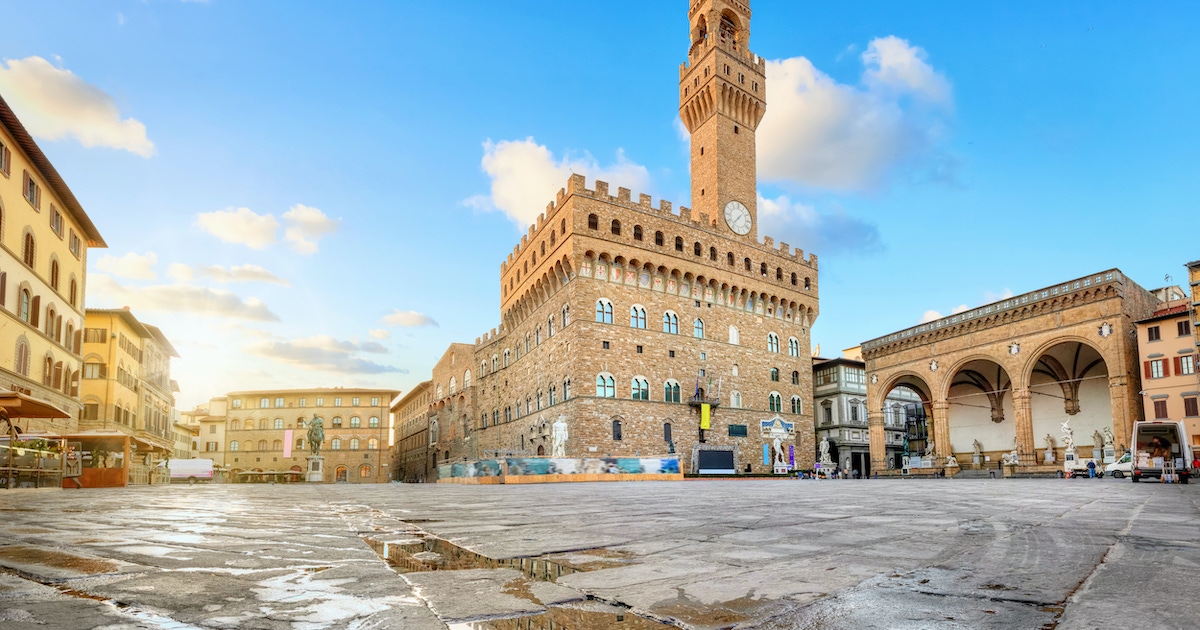
Palazzo Vecchio, Florence
Destination Description
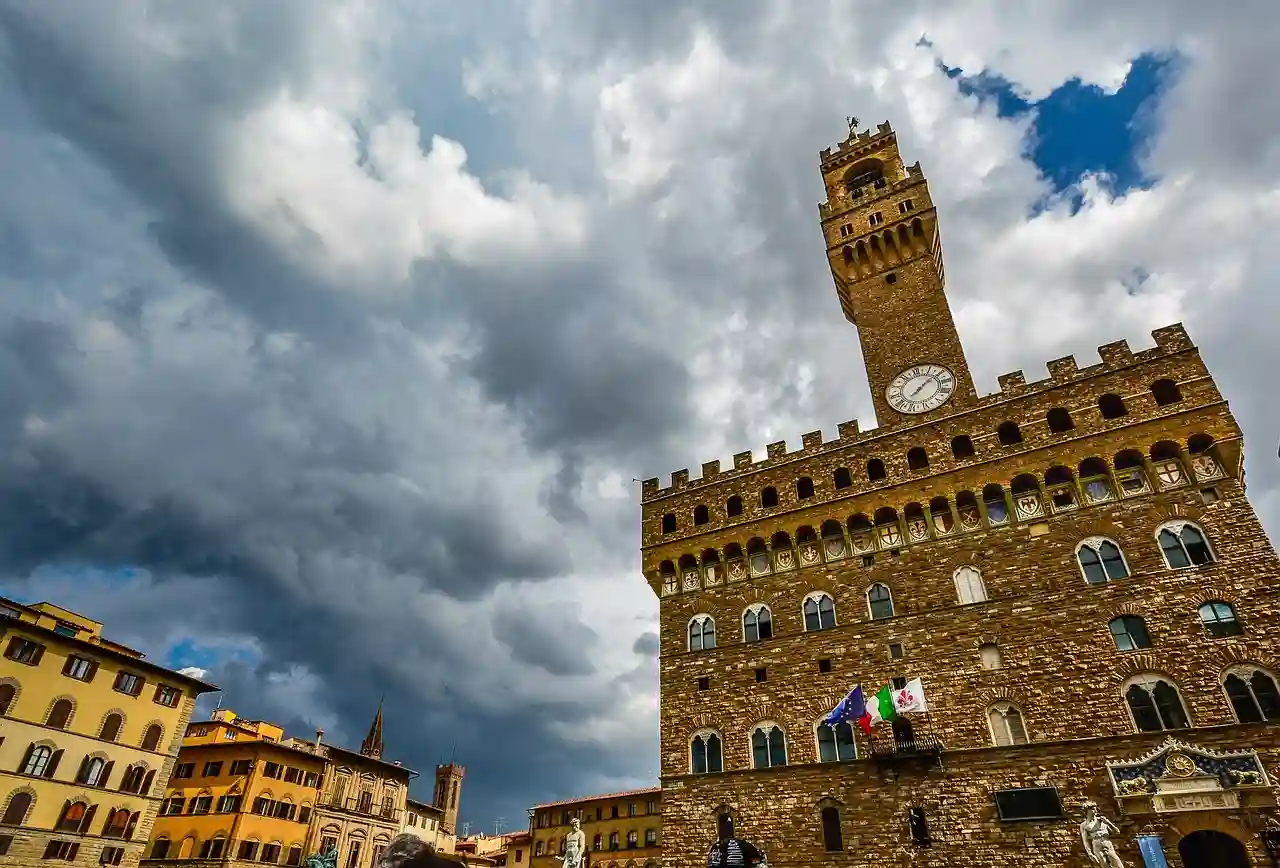
Standing proudly in Piazza della Signoria, the Palazzo Vecchio is one of Florence’s most recognizable landmarks — a powerful symbol of civic pride, history, and Renaissance art. With its towering Arnolfo Tower, elegant halls, and priceless artworks, this medieval palace tells the story of Florence’s political glory and artistic genius.
Today, Palazzo Vecchio serves as both a museum and the city’s town hall, blending centuries of history with modern-day governance. Visiting it means stepping back into the heart of the Renaissance, where the city’s fate was once shaped by great families like the Medici.
A Brief History of Palazzo Vecchio
Construction of Palazzo Vecchio began in 1299, designed by architect Arnolfo di Cambio, who also worked on Florence’s Cathedral (the Duomo). Originally known as the Palazzo della Signoria, it served as the seat of the Florentine Republic’s government — housing the Signoria, the city’s ruling council.
In the 16th century, when the Medici family rose to power, Duke Cosimo I de’ Medici made the palace his official residence. He transformed it into a magnificent Renaissance palace, hiring artists like Giorgio Vasari to decorate its grand halls with frescoes celebrating Florence’s power and culture.
After the Medici moved to the Palazzo Pitti, the building became known as Palazzo Vecchio (“Old Palace”) — a name that remains to this day.
Architecture and Design
Palazzo Vecchio’s architecture reflects Florence’s medieval strength and Renaissance elegance. The massive stone façade, crenellated battlements, and 94-meter Arnolfo Tower give it the appearance of a fortress, while its richly decorated interiors reveal the city’s love for art and grandeur.
Inside, each room is a masterpiece of design and symbolism. The combination of military strength and artistic beauty perfectly represents Florence’s spirit — a city that valued both wisdom and power.
Highlights Inside Palazzo Vecchio
Exploring Palazzo Vecchio is like walking through the pages of Florence’s history. Here are some of the most remarkable rooms and features:
Salone dei Cinquecento (Hall of the Five Hundred):
The palace’s grandest room, built in 1494 for meetings of Florence’s Great Council. The hall is adorned with enormous frescoes by Giorgio Vasari, celebrating the military victories of Florence. Don’t miss the ceiling panels — richly painted scenes glorifying the Medici family.
The Apartments of the Medici Family:
Private chambers designed for Cosimo I de’ Medici and his wife Eleanor of Toledo, featuring exquisite frescoes, sculptures, and tapestries.
The Map Room (Stanza delle Mappe):
A unique room displaying a 16th-century world map and ancient globes — reflecting the era’s growing curiosity about geography and exploration.
The Tower of Arnolfo:
Climb 418 steps to the top for panoramic views of Florence, including the Duomo, Ponte Vecchio, and the rolling Tuscan hills.
The Hall of Lilies (Sala dei Gigli):
Decorated with golden fleur-de-lis symbols and sculptures, including a stunning copy of Donatello’s Judith and Holofernes.
Must-See & Must-Do
Visitor Information
Address: Piazza della Signoria, Florence, Italy
-Opening Hours:
April – September: 9:00 AM – 11:00 PM (Thursday until 2:00 PM)
October – March: 9:00 AM – 7:00 PM (Thursday until 2:00 PM)
Tower access closes one hour earlier.
Closed: December 25, January 1
-Ticket Prices:
Museum only: €12.50
Museum + Tower: €17.50
Reduced: €10 (students, seniors)
Free entry for children under 18
Tip: For a complete experience, book the combined ticket that includes both the museum and the tower climb.
Official Website: musefirenze.it/palazzo-vecchio
How to Get There
Palazzo Vecchio is located in the heart of Florence’s historic center, easily reachable from anywhere on foot.
From Santa Maria Novella Station: A 10–15 minute walk via Via dei Calzaiuoli.
-By Bus: Routes C1 or C3 stop near Piazza della Signoria.
-By Taxi: Readily available but often unnecessary — most of central Florence is pedestrian-friendly.
If you’re walking from the Duomo, you’ll reach Palazzo Vecchio by following the bustling Via Calzaiuoli straight to Piazza della Signoria.
Nearby Attractions
The palace sits among some of Florence’s most famous sights, making it perfect for a half-day exploration.
-Uffizi Gallery: One of the world’s greatest art museums, just next door.
-Ponte Vecchio: Florence’s famous bridge over the Arno River.
-Santa Croce Basilica: Resting place of Michelangelo and Galileo.
-Loggia dei Lanzi: Open-air sculpture gallery featuring Perseus by Cellini and The Rape of the Sabine Women.
Where to Eat Nearby
After exploring the palace, enjoy a meal or coffee in one of Florence’s nearby trattorias or cafes.
-Trattoria Anita – Traditional Tuscan dishes at fair prices.
-Osteria Vini e Vecchi Sapori – A local favorite for authentic home-style cooking.
-La Prosciutteria Firenze – Great for casual sandwiches and wine.
-Gelateria dei Neri – Perfect stop for artisanal gelato after your visit.
Most of these are within a 5-minute walk from Piazza della Signoria.
Where to Stay in Florence
Stay near the historic center to be close to Palazzo Vecchio and other landmarks.
-Luxury: Hotel Bernini Palace – 5-star hotel located just behind the palace.
-Mid-Range: Hotel degli Orafi – Elegant rooms near the Uffizi and Arno River.
-Budget: Hotel Bavaria – Charming and affordable, a few steps from Piazza della Signoria.
Best Time to Visit
The best time to visit Palazzo Vecchio is early morning (9–10 AM) or late afternoon (after 5 PM) when the crowds thin out.
Spring (April–June) and fall (September–October) offer the most pleasant weather for exploring both the palace and Florence’s outdoor attractions.
Travel Tips
Book tickets online to skip lines, especially during peak months.
-Wear comfortable shoes — there are many stairs inside the tower.
-Photography is allowed without flash; tripods are not permitted.
-Combine your visit with the nearby Uffizi Gallery or Ponte Vecchio for a full cultural experience.
-Check for evening events — Palazzo Vecchio occasionally hosts concerts and special exhibits.
Similar Listing
Eiffel Tower, Paris
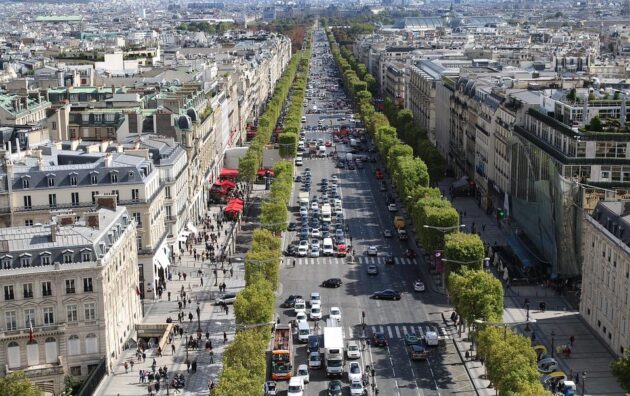
Avenue des Champs-Élysées, Paris
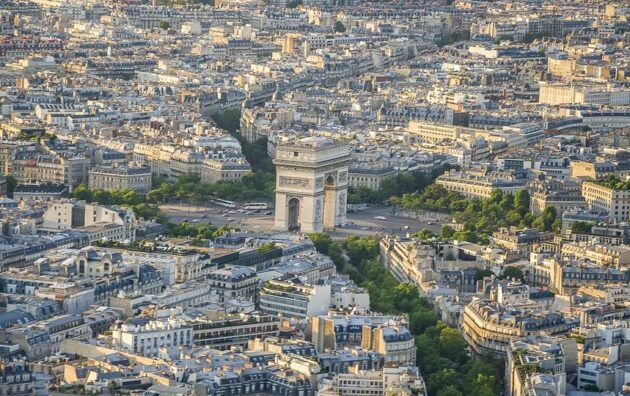
Arc de Triomphe, Paris
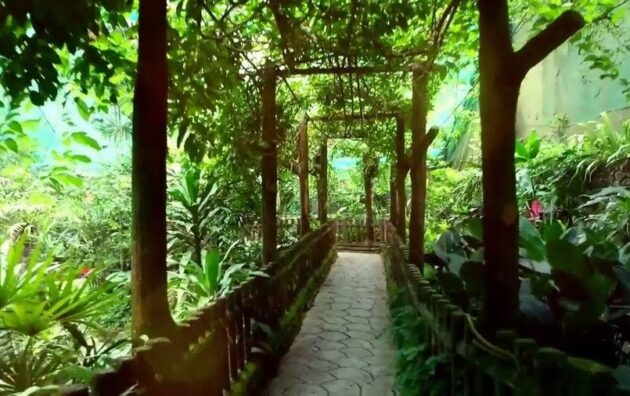
Kuala Lumpur Butterfly Park
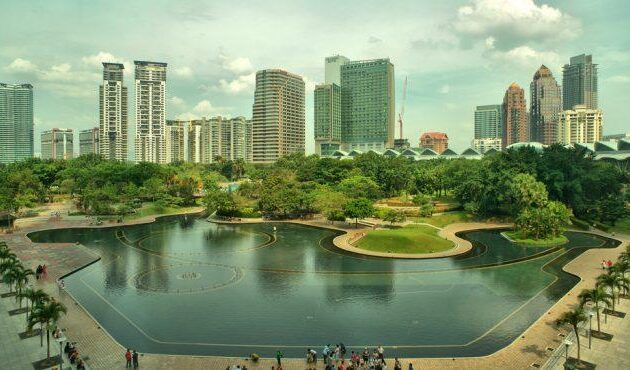
KLCC Park, Kuala Lumpur
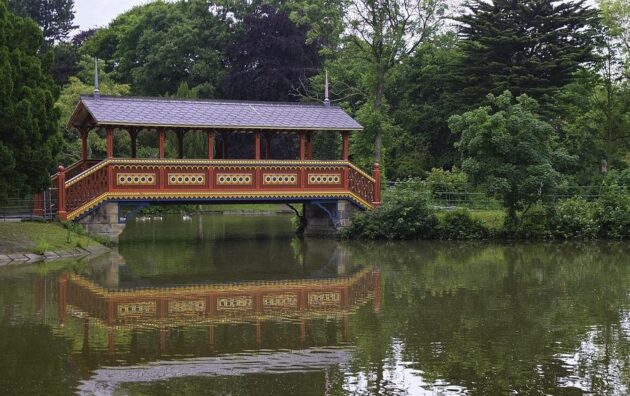
Birkenhead Park, Liverpool
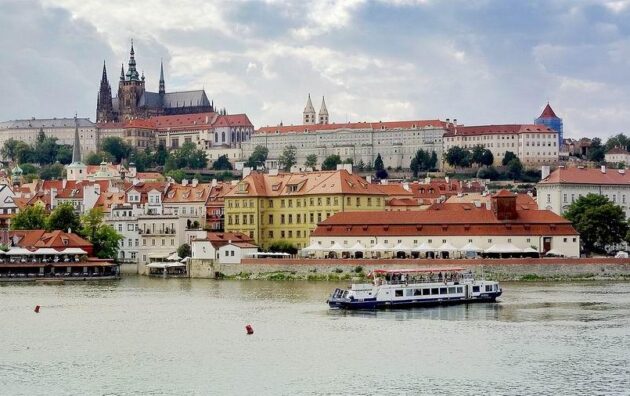
Prague Castle
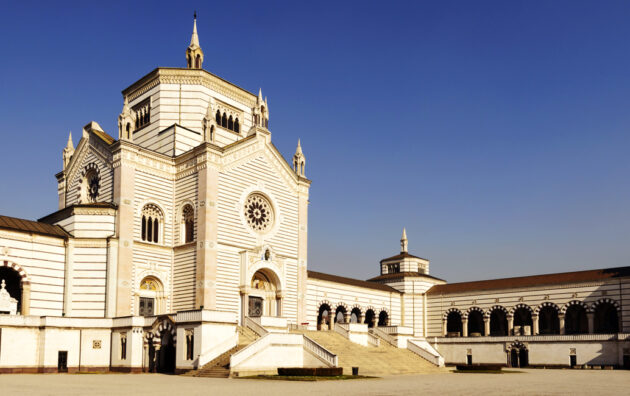
Cimitero Monumentale di Milano
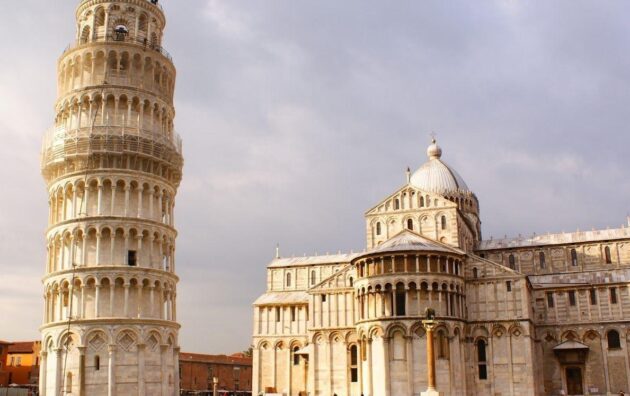
Pisa City and the Leaning Tower
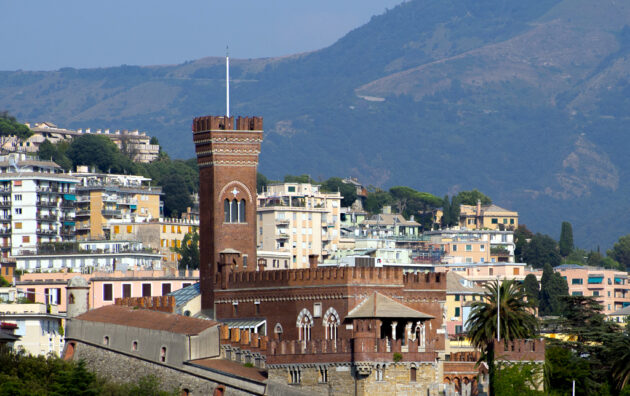
D’Albertis Castle, Genoa
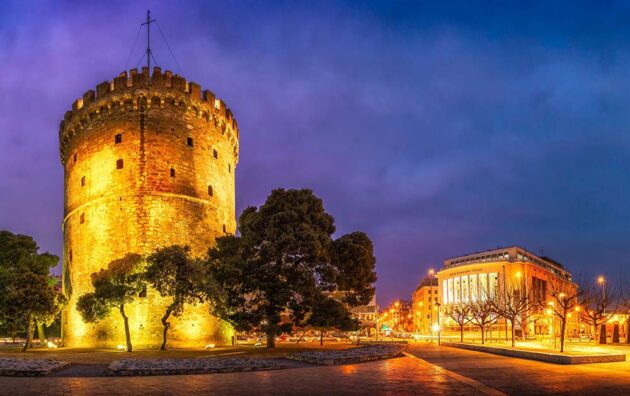
White Tower of Thessaloniki
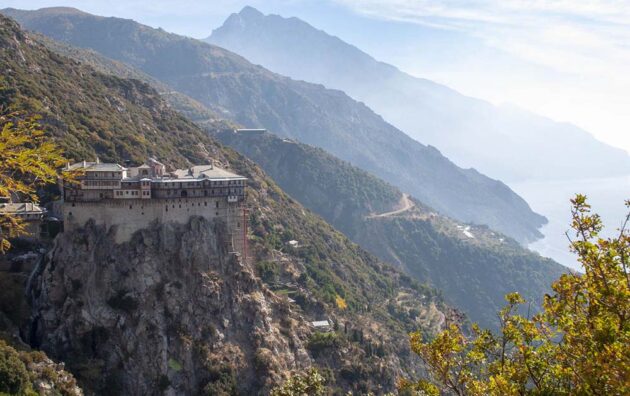
Holy Mount Athos, Greece
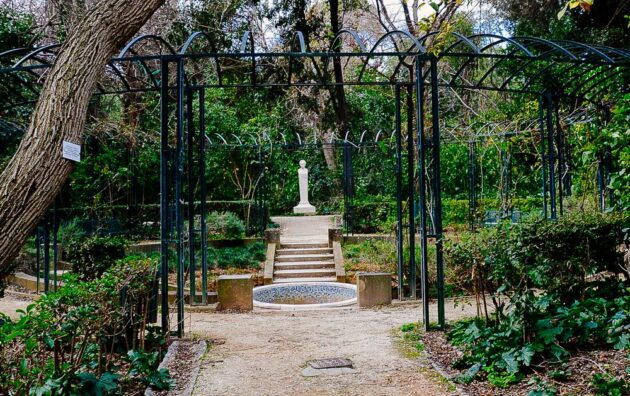
National Garden, Athens
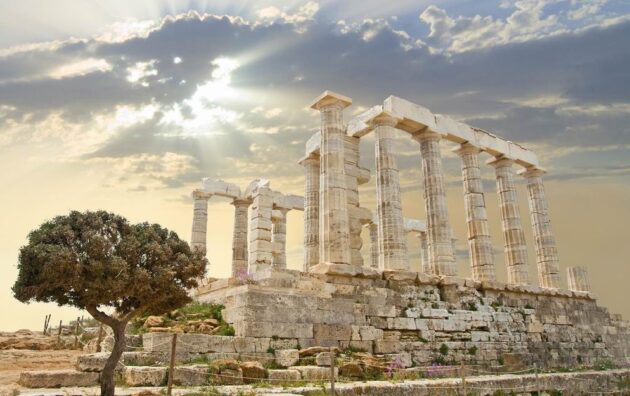
Temple of Olympian Zeus in Athens
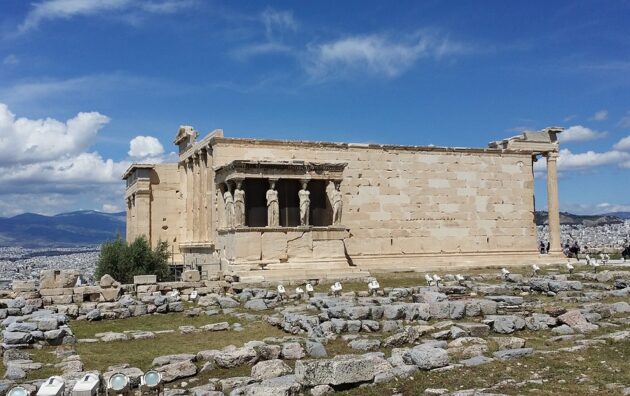
Erechtheion, Athens
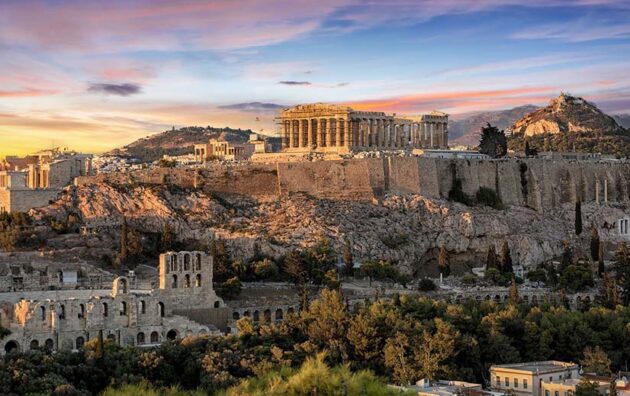
Acropolis of Athens
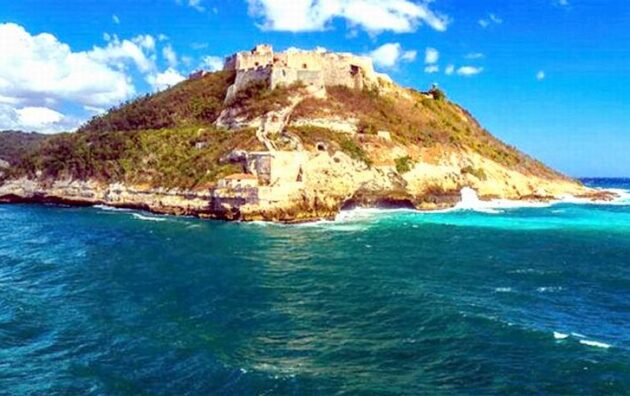
Castillo de San Pedro de la Roca
Colon Cemetery Havana
Castillo de la Real Fuerza, Havana