Cimitero Monumentale di Milano
Destination Description
In a city celebrated for its fashion, art, and innovation, one of the most surprising and fascinating places to visit is the Cimitero Monumentale di Milano (Monumental Cemetery of Milan).
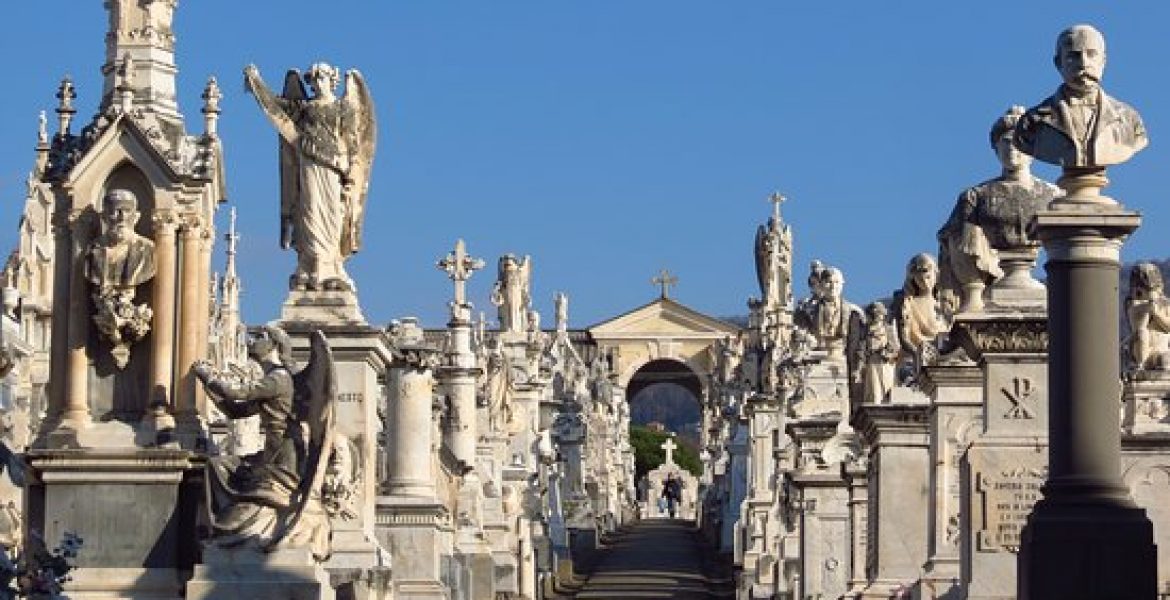
More than a burial ground, it’s a vast open-air museum, filled with sculptures, mausoleums, and monuments that reflect Milan’s artistic and cultural soul.
Since its opening in the 19th century, the cemetery has become a symbol of Milanese history — a place where art, memory, and architecture intertwine in a peaceful and majestic setting.
A Brief History of the Monumental Cemetery
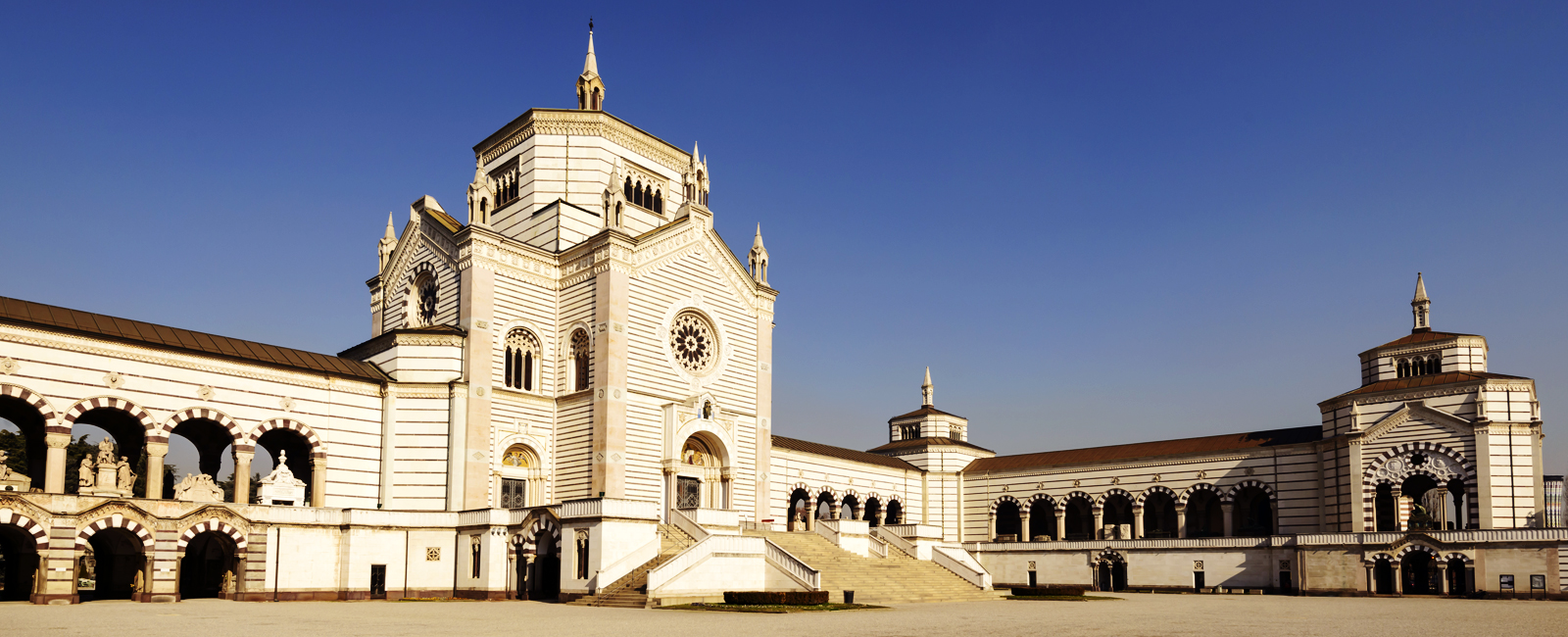
The Cimitero Monumentale was inaugurated in 1866, designed by architect Carlo Maciachini.
His vision was to create a single monumental cemetery that could replace the smaller, overcrowded graveyards around the city.
Maciachini’s design combined Byzantine, Gothic, and Romanesque styles, giving the site a distinctive and harmonious appearance. Over time, it became the final resting place of many of Milan’s most prominent citizens — artists, writers, politicians, and industrialists — making it a chronicle of the city’s past two centuries.
Architectural and Artistic Highlights
Cimitero Monumentale is renowned for its extraordinary funerary art. Each tomb tells a story, blending emotion with creativity through marble, bronze, and stone. Walking through the cemetery feels like exploring a vast sculpture park.
The Famedio (Hall of Fame)
The grand entrance building, known as the Famedio, serves as Milan’s Pantheon — a monumental chapel honoring the city’s most notable figures.
-Alessandro Manzoni, the great 19th-century novelist.
-Carlo Cattaneo, philosopher and patriot.
-Arturo Toscanini, world-famous conductor.
-The structure itself is adorned with stunning mosaics, frescoes, and sculptures — a masterpiece of Italian funerary architecture.
Artistic Tombs and Monuments
As you stroll through the cemetery, you’ll encounter hundreds of elaborate and imaginative monuments.
-The Bernocchi Family Mausoleum: Resembling a miniature temple, adorned with symbolic sculptures.
-The Campari Family Tomb: A striking Art Deco-style monument by Giannino Castiglioni, featuring bronze figures symbolizing life and death — dedicated to the founders of the Campari brand.
-The Toscanini Family Tomb: A graceful marble structure representing eternal music and harmony.
-The cemetery is also home to fascist-era and modernist memorials, illustrating changing styles and ideologies through the decades.
Must-See & Must-Do
Visitor Information
Address: Piazzale Cimitero Monumentale, 20154 Milano, Italy
Opening Hours:
Tuesday – Sunday: 8:00 AM – 6:00 PM
Closed on Mondays and public holidays.
Admission: Free entry for all visitors.
Guided Tours:
The city of Milan organizes free guided tours (in Italian and English) on select days. Private guided tours can also be arranged through local tour companies.
Tip: Pick up a map at the entrance — the cemetery covers 250,000 square meters, and a map helps you locate the most important monuments.
How to Get There
-The cemetery is located just north of the city center and is easily accessible by public transport.
-By Metro: Take Line 5 (Lilac Line) to Monumentale station — the cemetery is right outside.
-By Tram: Lines 2, 4, 12, 14 all stop nearby.
-By Bus: Routes 37 and 70 stop at Piazzale Cimitero Monumentale.
-By Walk: About a 20-minute walk from Porta Garibaldi or the Brera district.
Best Time to Visit
The best time to visit is during spring (April–June) or autumn (September–October), when the weather is mild and the light enhances the marble details of the sculptures.
Visit in the morning for quiet reflection and photography — the soft light brings out the artistic features of the tombs beautifully.
Nearby Attractions
-Porta Nuova District: Milan’s modern skyline with skyscrapers and stylish cafés.
- Brera District: Known for art galleries, boutiques, and the famous Pinacoteca di Brera.
-Castello Sforzesco: A 15-minute tram ride away, this Renaissance fortress houses several museums.
-Corso Como: Trendy shopping and nightlife area, perfect for lunch or aperitivo after your visit.
Where to Eat Nearby
After exploring the cemetery’s peaceful grounds, you’ll find plenty of great dining options in the surrounding neighborhoods.
-Eataly Milano Smeraldo – Gourmet food market offering authentic Italian dishes and wines.
-Berberè Pizzeria – Modern pizzeria known for its organic dough and creative toppings.
-Ratanà – Stylish restaurant serving Milanese classics like risotto alla Milanese and ossobuco.
-Pavé – Popular café and bakery for espresso, pastries, and brunch.
All are within a 10–15 minute walk.
Where to Stay in Milan
-Luxury: Hotel VIU Milan – Elegant hotel with rooftop pool and views of Porta Nuova.
-Mid-Range: Hotel Tocq – Comfortable and stylish, close to Corso Como.
-Budget: Ostello Bello Grande – Friendly and affordable hostel near Milano Centrale.
Travel Tips
-Wear comfortable shoes — the cemetery is vast, with uneven stone paths.
-Photography is allowed but be respectful; avoid taking photos during ceremonies.
-Visit early or late afternoon for the best light and atmosphere.
-Take your time — Cimitero Monumentale is not a place to rush. Each sculpture has artistic and symbolic depth worth appreciating.
Similar Listing
Pont des Arts, Paris
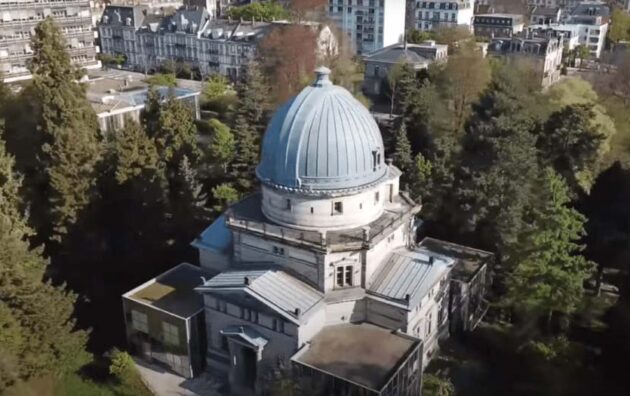
Observatory of Strasbourg
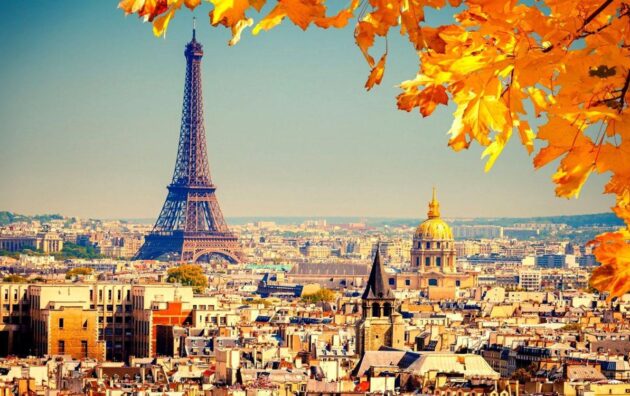
Eiffel Tower, Paris
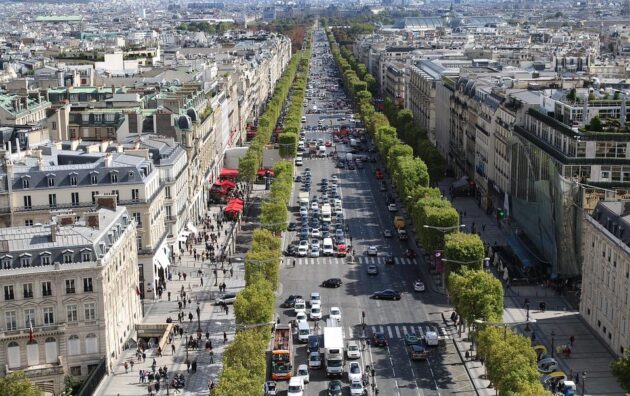
Avenue des Champs-Élysées, Paris
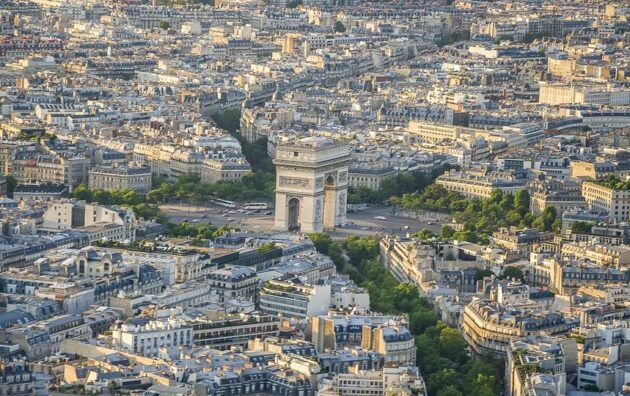
Arc de Triomphe, Paris
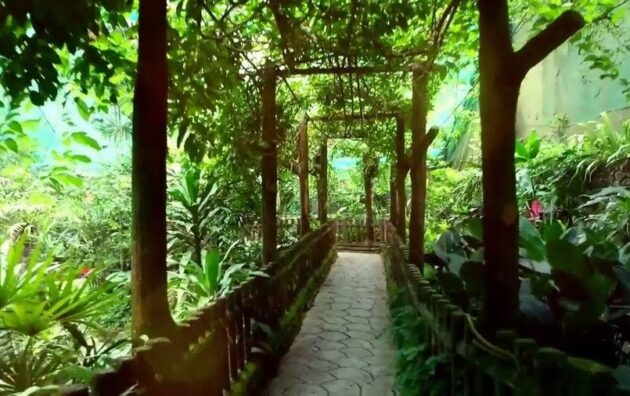
Kuala Lumpur Butterfly Park
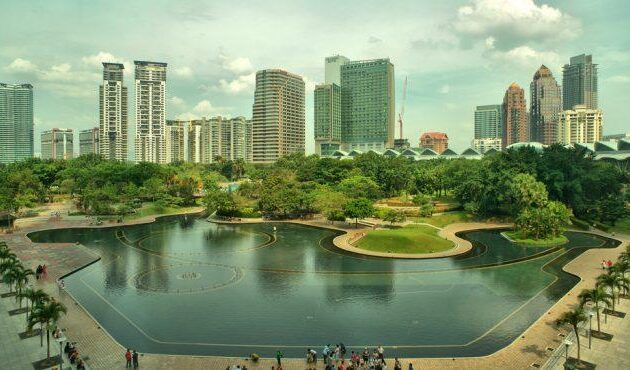
KLCC Park, Kuala Lumpur
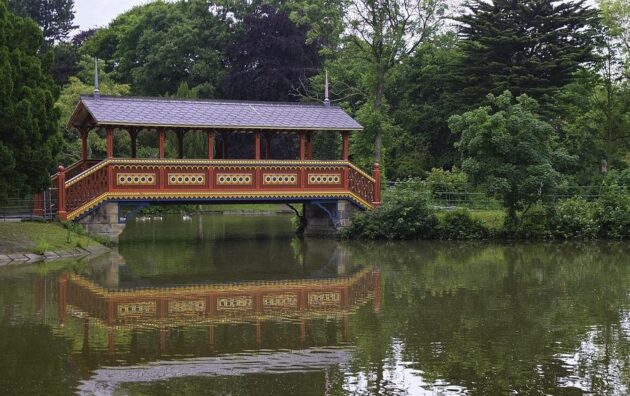
Birkenhead Park, Liverpool
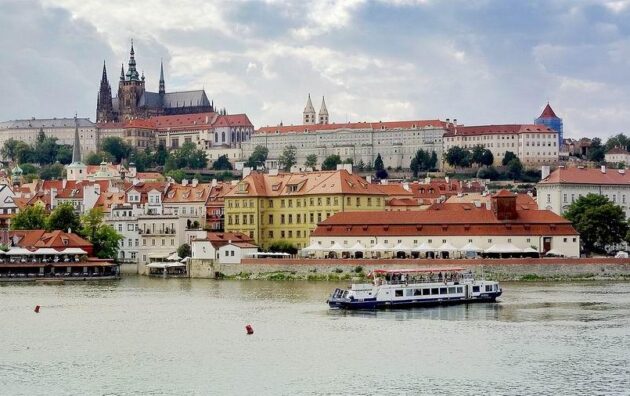
Prague Castle
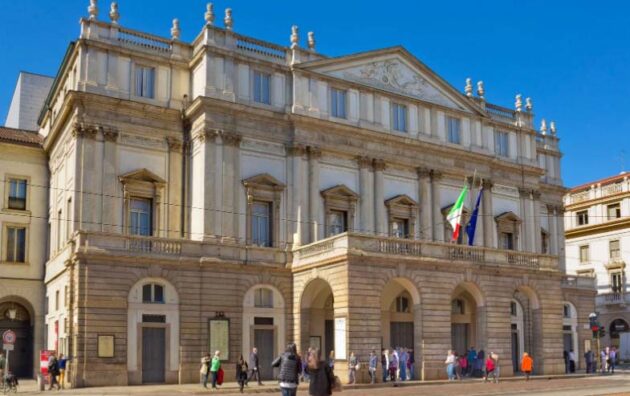
Discovering Teatro alla Scala
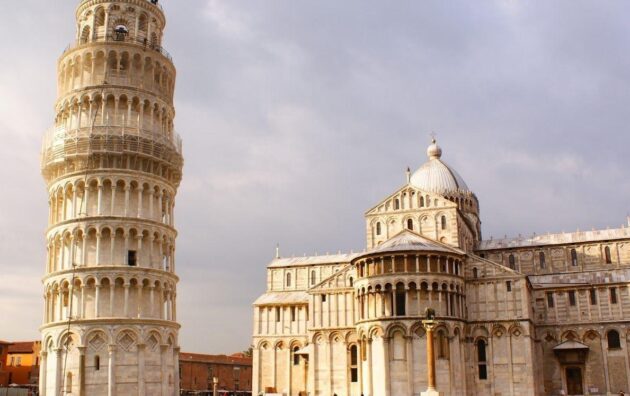
Pisa City and the Leaning Tower
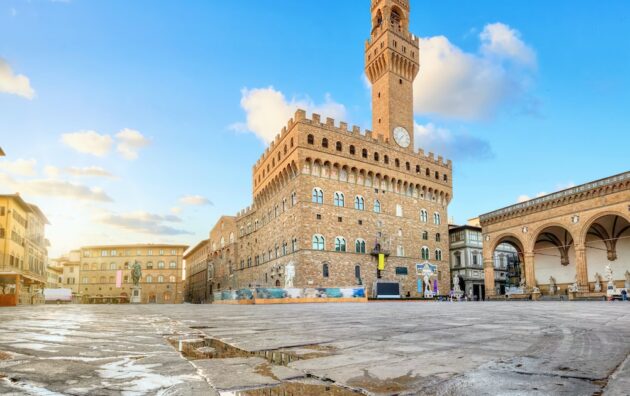
Palazzo Vecchio, Florence
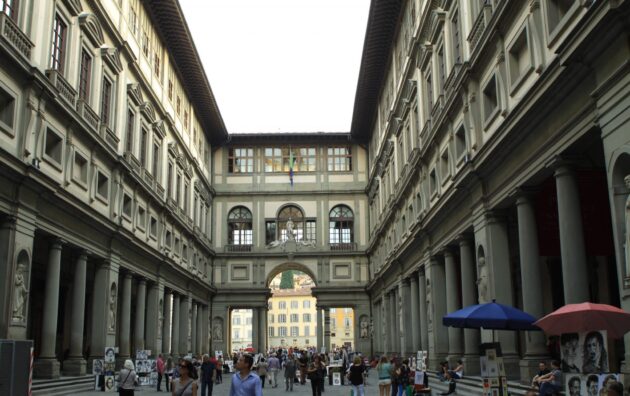
Galleria degli Uffizi, Florence
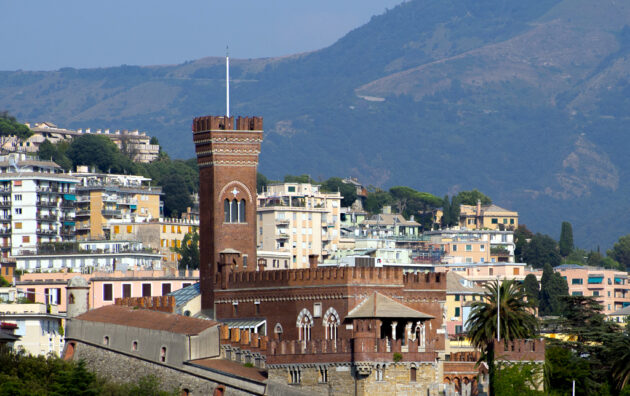
D’Albertis Castle, Genoa
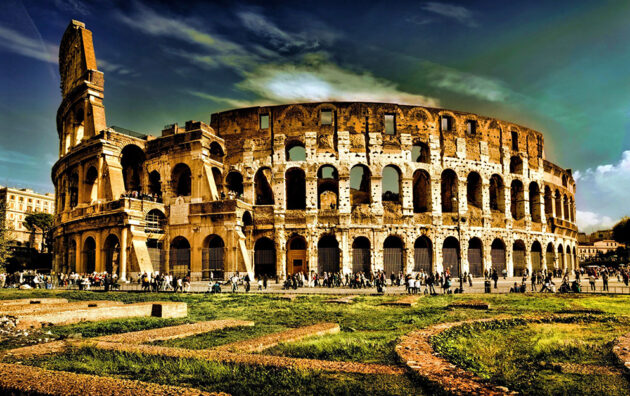
The Colosseum and the Arch of Constantine
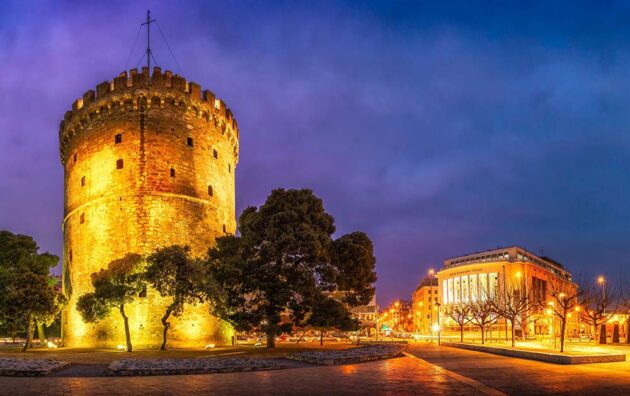
White Tower of Thessaloniki
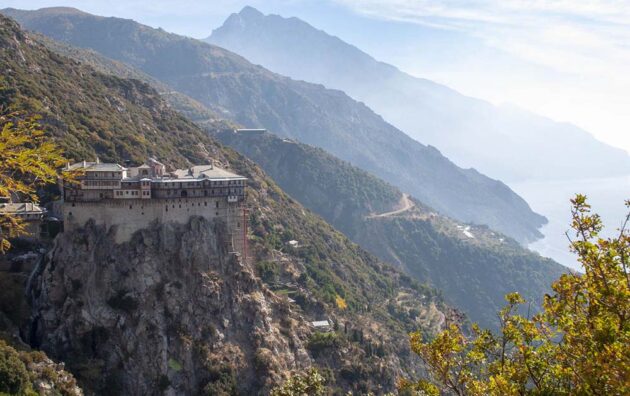
Holy Mount Athos, Greece
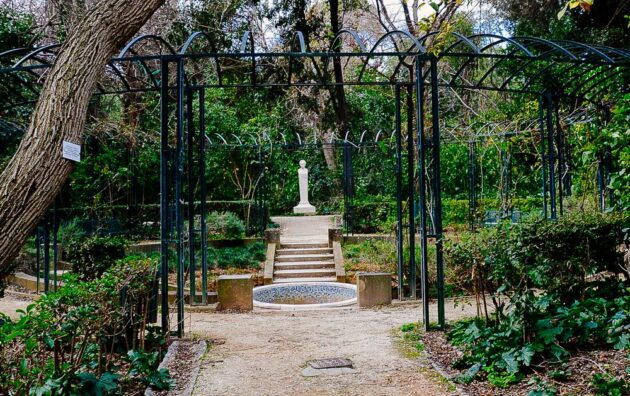
National Garden, Athens
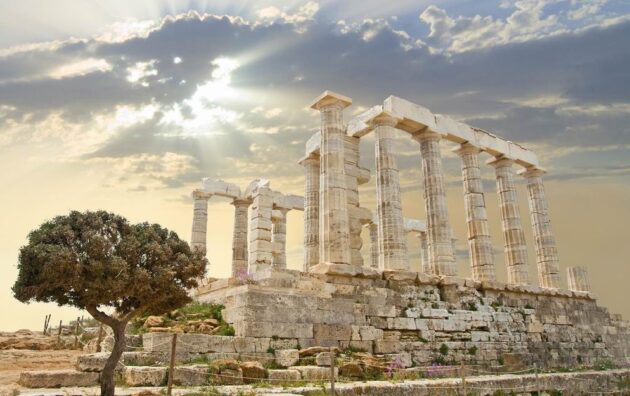
Temple of Olympian Zeus in Athens