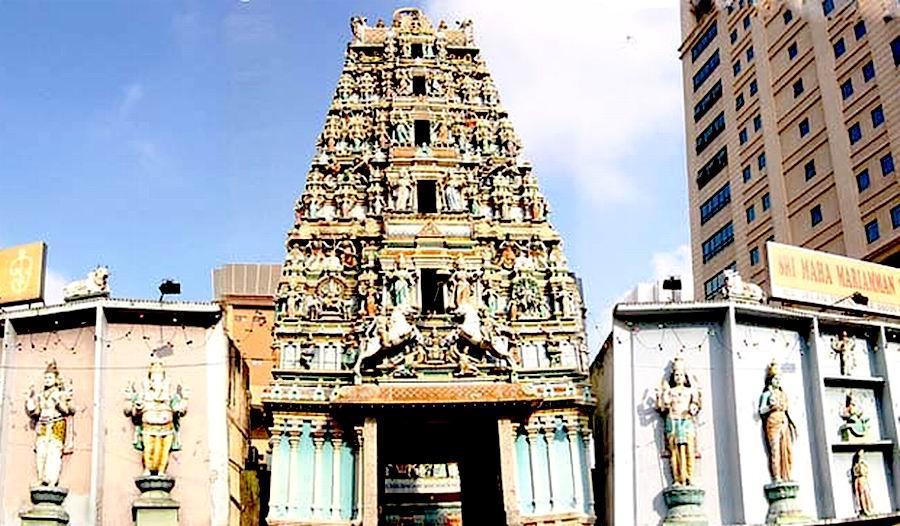
Sri Mahamariamman Temple
Destination Description
Located in the heart of Kuala Lumpur near the lively streets of Chinatown, the Sri Mahamariamman Temple is the oldest and one of the most important Hindu temples in the city. Rich in history, spirituality, and architectural beauty, the temple stands as a powerful symbol of Kuala Lumpur’s multicultural identity and religious harmony.
Founded in 1873 by early Indian immigrants, the temple originally served as a private shrine for the Tamil Hindu community who had settled in British Malaya. Over time, it became an important spiritual center where worshippers gathered to preserve their traditions, faith, and cultural roots far from their homeland.
One of the temple’s most iconic features is its magnificent Raja Gopuram — the towering entrance gateway completed in 1968. Covered with colorful sculptures of Hindu deities, mythological figures, and intricate carvings inspired by South Indian temple architecture, the structure has become one of Kuala Lumpur’s most photographed cultural landmarks.
Stepping inside the temple feels like entering a different world. The noise of the city fades into the background, replaced by the calming sound of prayers, temple bells, and devotional chants. The scent of incense fills the air while oil lamps flicker beside beautifully decorated altars, creating a deeply spiritual and peaceful atmosphere.
The temple remains an active place of worship and plays an important role during major Hindu celebrations, especially Thaipusam. During this annual festival, thousands of devotees gather at the temple before beginning the religious procession toward Batu Caves, one of the largest Hindu pilgrimage events in Southeast Asia.
Beyond its religious significance, the Sri Mahamariamman Temple also serves as a cultural and historical treasure that reflects the contributions of the Indian community to Malaysia’s development and diversity. Visitors from around the world come to admire its architecture, learn about Hindu traditions, and experience the spiritual energy that has existed here for generations.
Visitor Tips
Dress respectfully when entering the temple.
Remove shoes before entering prayer areas.
Visit during the morning for a quieter atmosphere.
Photography is usually allowed but should remain respectful.
Must-See & Must-Do
What Makes It Special?
The first thing visitors notice is the temple’s magnificent Raja Gopuram — the towering entrance gate covered with colorful statues of Hindu gods, goddesses, and mythological figures.
Completed in 1968, this beautifully detailed structure reflects traditional South Indian temple architecture and has become one of Kuala Lumpur’s most photographed religious landmarks.
Inside the temple, visitors are welcomed by:
Intricate Hindu sculptures
Colorful ceiling artwork
Sacred prayer halls
Traditional oil lamps
Fragrant incense and flower offerings
The sound of prayers, bells, and devotional music creates a deeply calming and authentic cultural experience.
Nearby Attractions
The temple’s central location makes it easy to explore nearby attractions on foot.
-Chinatown
Chinatown is filled with markets, street food, cafés, and souvenir shops.
-Central Market
Central Market offers local handicrafts, art, and cultural shopping experiences.
-Jamek Mosque
The historic Jamek Mosque is located nearby at the meeting point of Kuala Lumpur’s rivers.
-Merdeka Square
Visitors can also explore Merdeka Square and its colonial-era architecture.
Food & Café Tips
The surrounding area is one of the best places in Kuala Lumpur to experience authentic Malaysian and Indian cuisine.
Visitors should try:
-Banana Leaf Rice
-Roti Canai
-Nasi Lemak
-Teh Tarik
-Murukku
Nearby Chinatown is also famous for street food and trendy cafés.
Similar Listing
Minor Basilica of St. Anne, Seberang Perai
St. John’s Cathedral, Kuala Lumpur
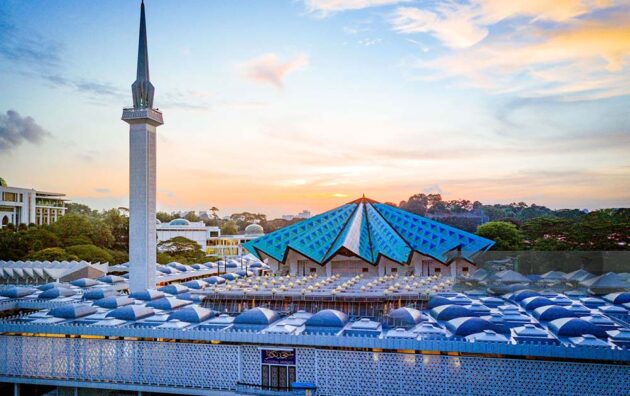
National Mosque of Malaysia
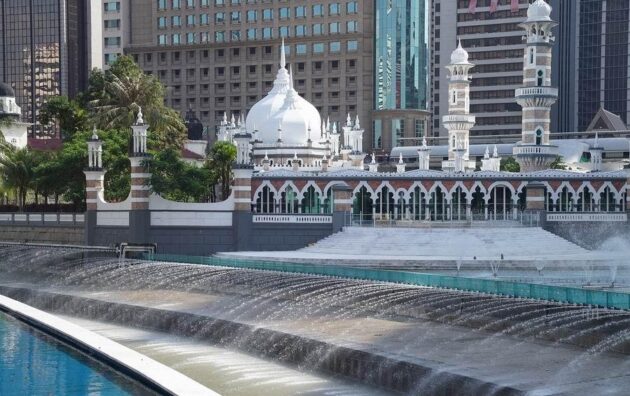
Jamek Mosque, Kuala Lampur
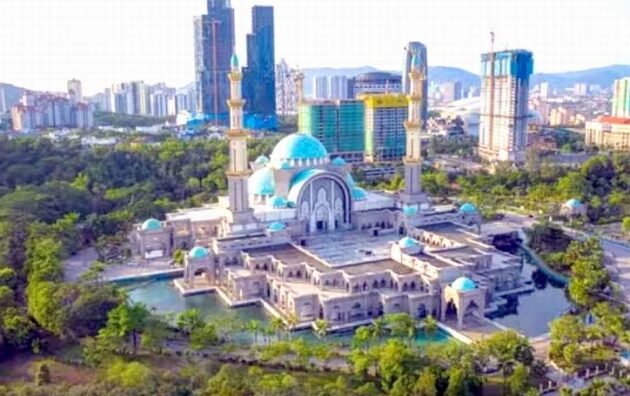
Federal Territory Mosque, Kuala Lampur
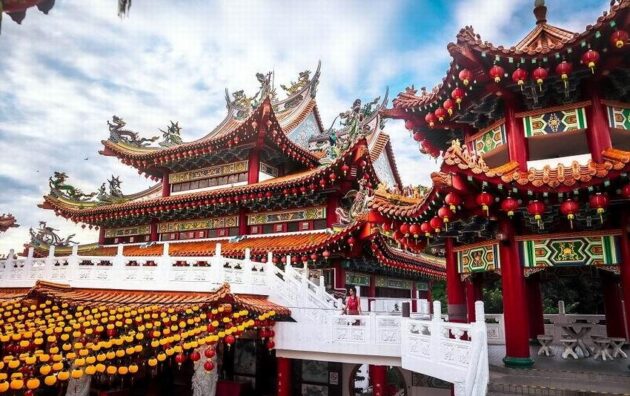
Thean Hou Temple
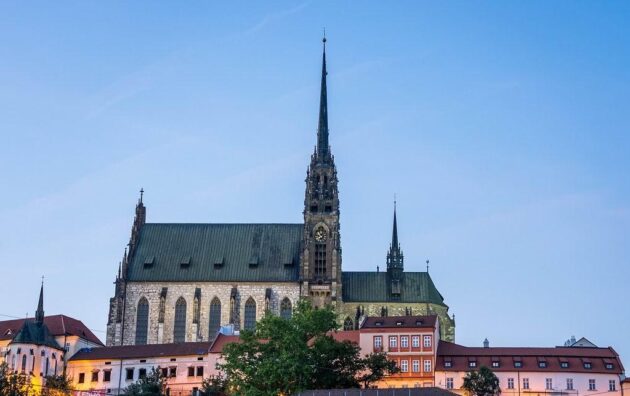
Cathedral of St. Peter and Paul, Brno
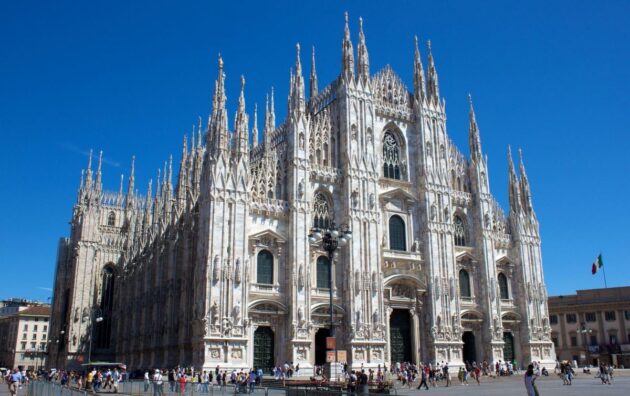
Exploring the Duomo di Milano
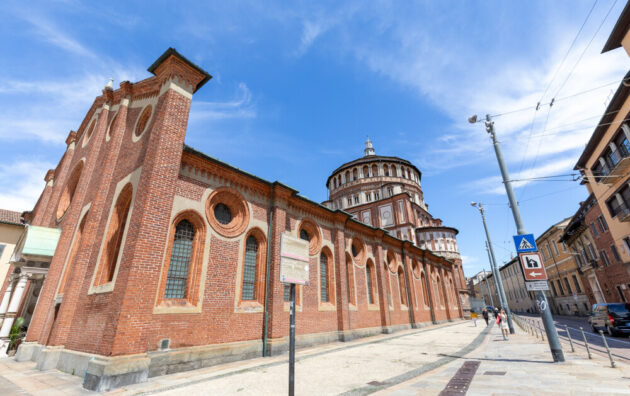
Exploring Santa Maria delle Grazie
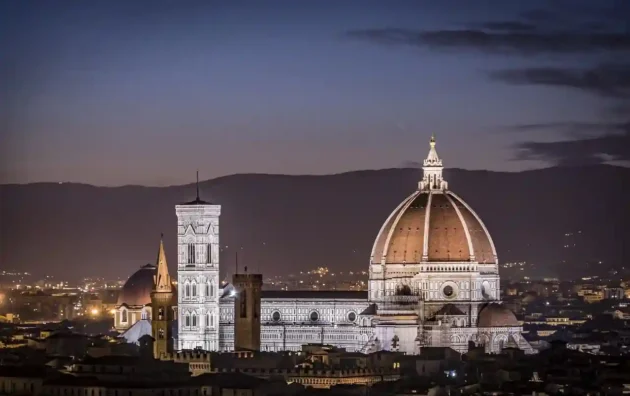
Santa Maria del Fiore, Florence
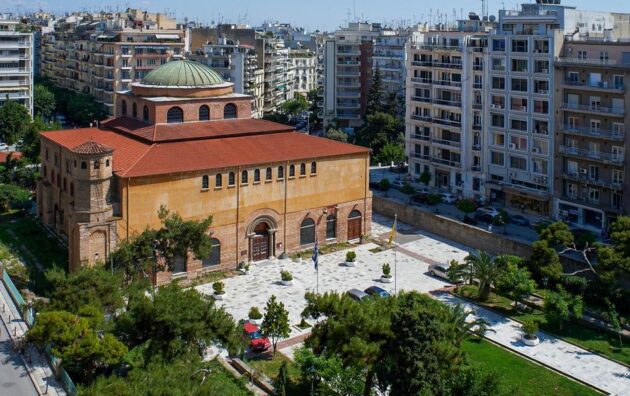
Hagia Sophia, Thessaloniki
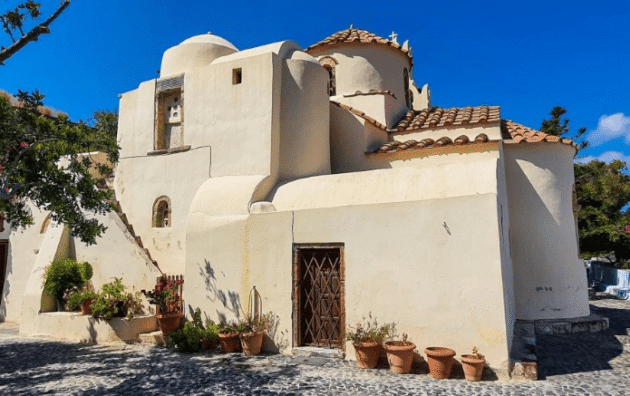
Panagia Episkopi, Santorini
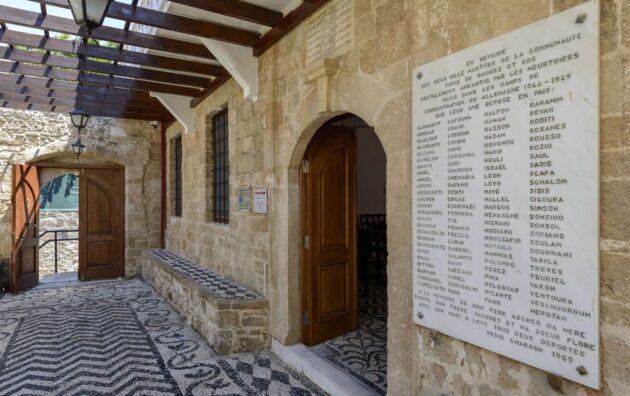
Kahal Shalom Synagogue, Rhodes
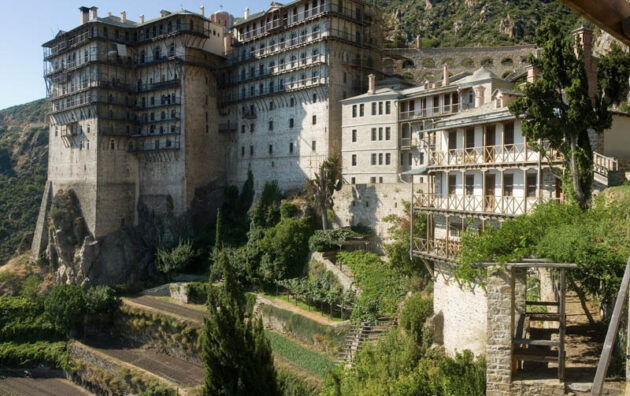
Simonopetra Monastery, Mount Athos
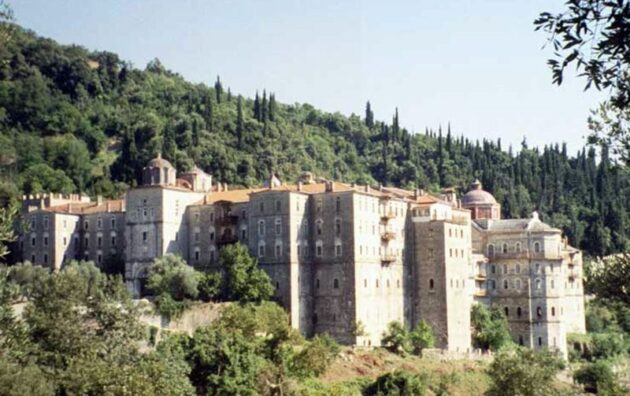
Monastery of Zografou, Mount Athos
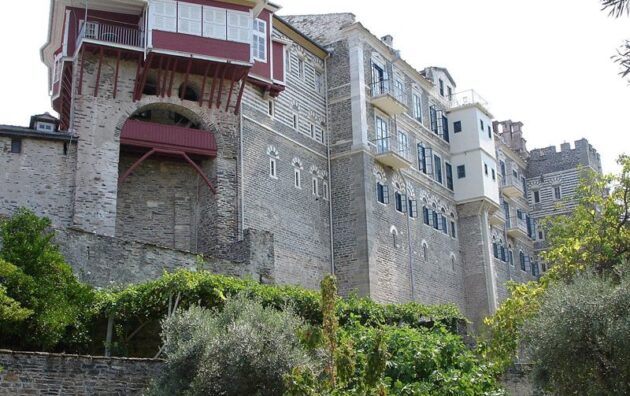
Monastery of Vatopedi, Mount Athos
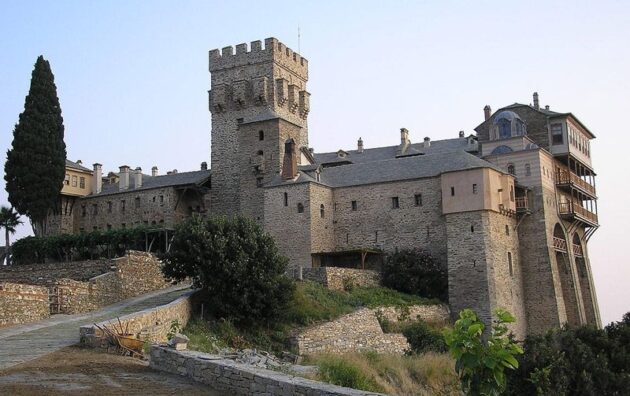
Monastery of Stavronikita, Mount Athos
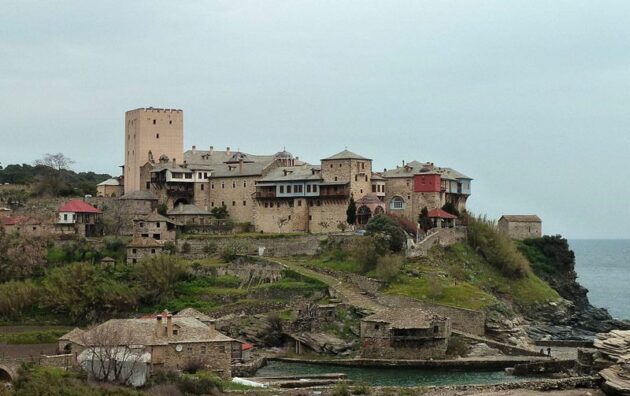
Monastery of Pantokratoros, Mount Athos