Havana Travel Guide
Destination Description
Discover Havana, the heart of Cuba. Explore Old Havana’s colonial streets, Malecón promenade, Cuban music, mojitos, food culture, best time to visit, and travel tips in this complete guide.
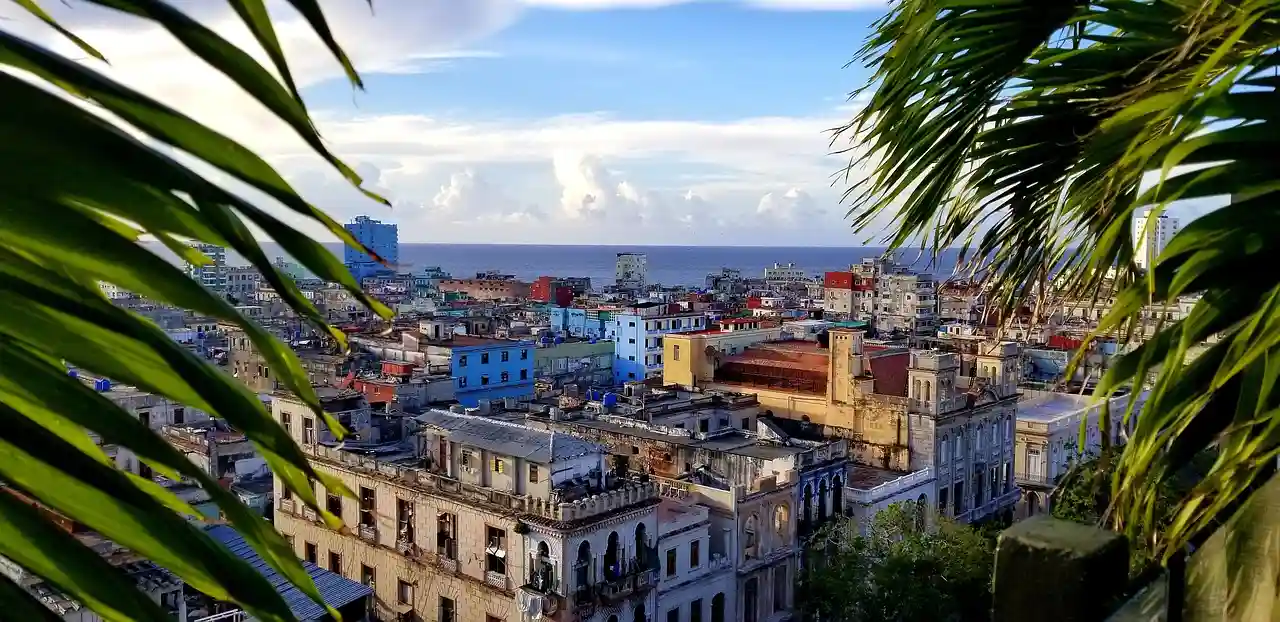
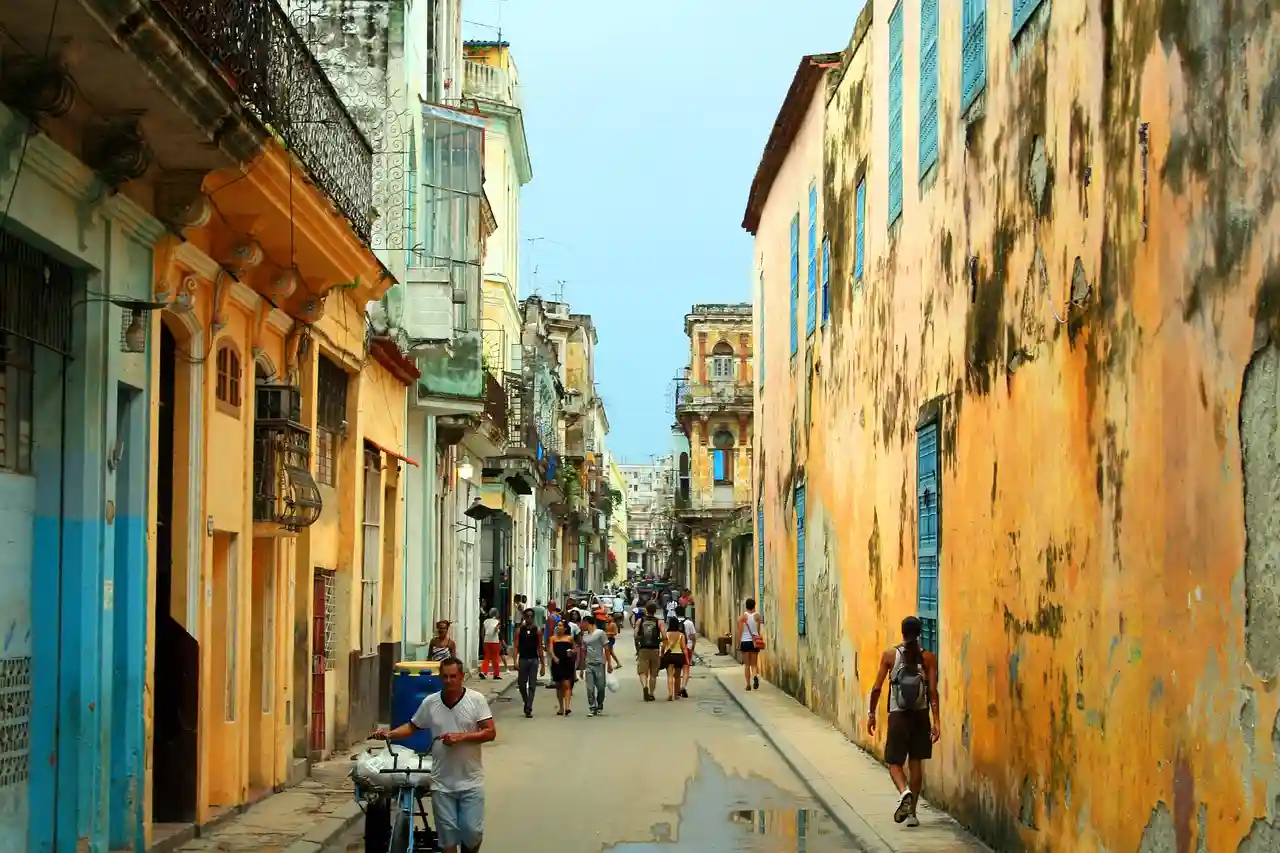
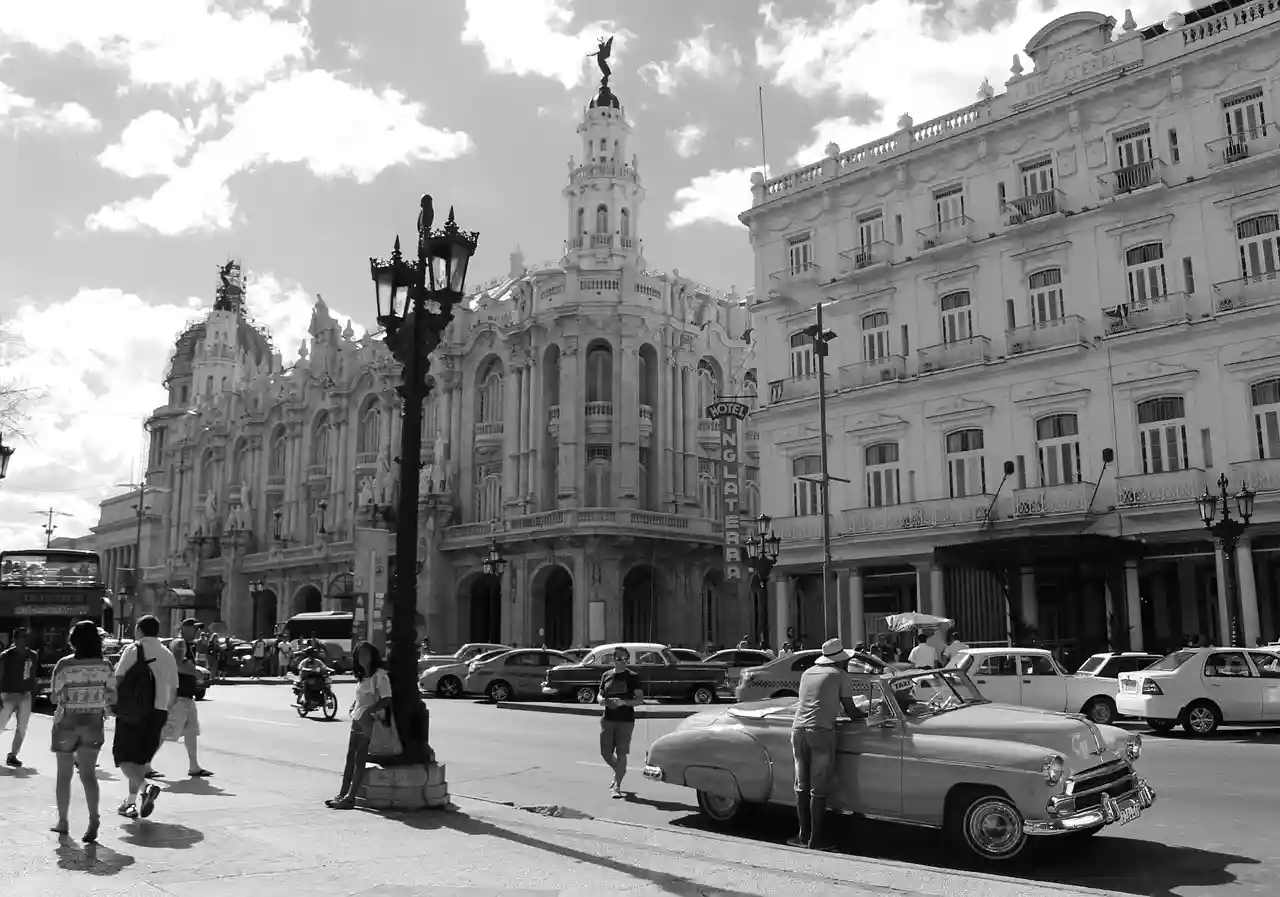
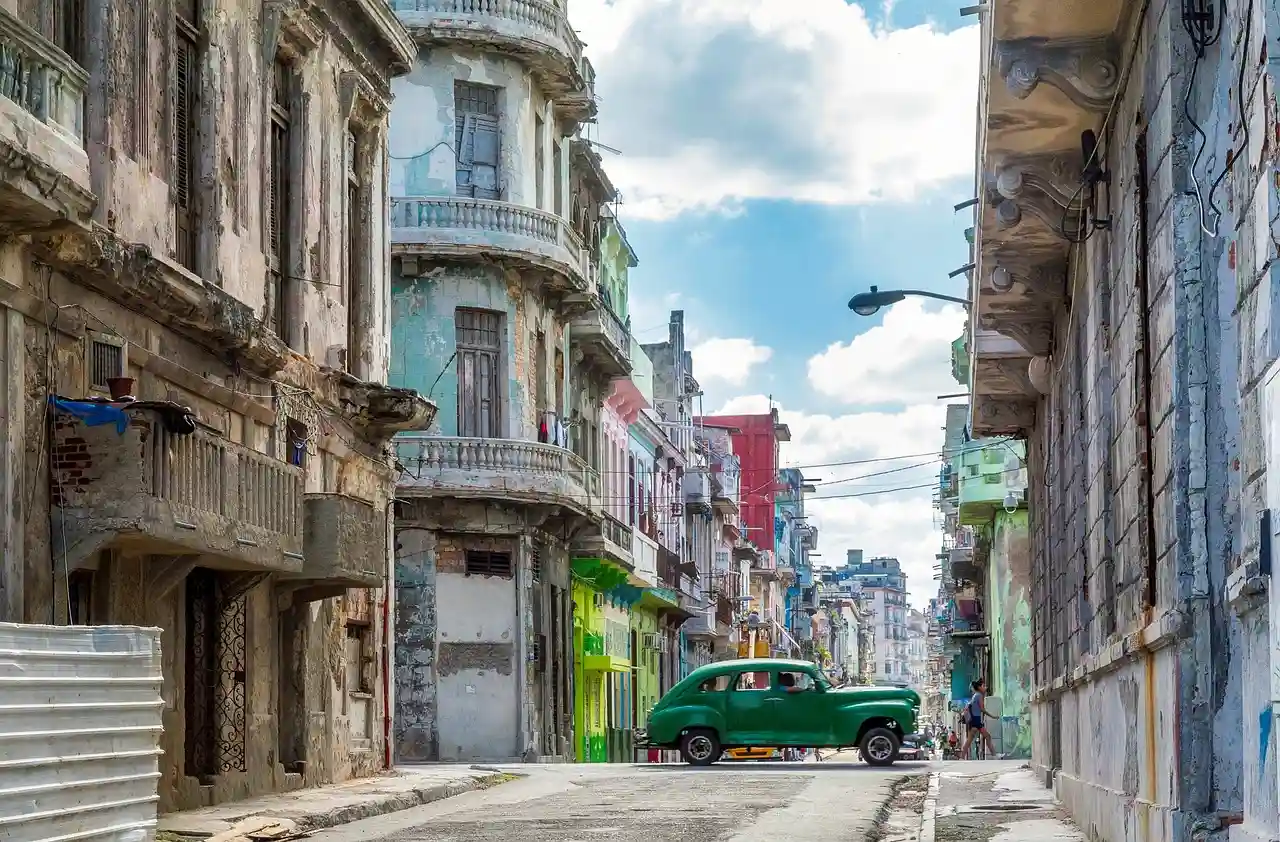
Havana, the vibrant capital of Cuba, is a city that feels frozen in time yet alive with culture. Known for its vintage cars, colorful colonial streets, live salsa music, and warm Caribbean vibes, Havana is the soul of Cuba.
A Brief History of Havana
Founded in 1519 by the Spanish, Havana grew into one of the most important ports in the Caribbean. The city flourished with colonial trade, leaving behind plazas, baroque churches, and fortresses that still stand today. After the Cuban Revolution in 1959, Havana became the symbolic center of Cuba’s socialist identity. Today, it remains a place where history, politics, and art intertwine.
Top Attractions in Havana
-Old Havana (Habana Vieja)
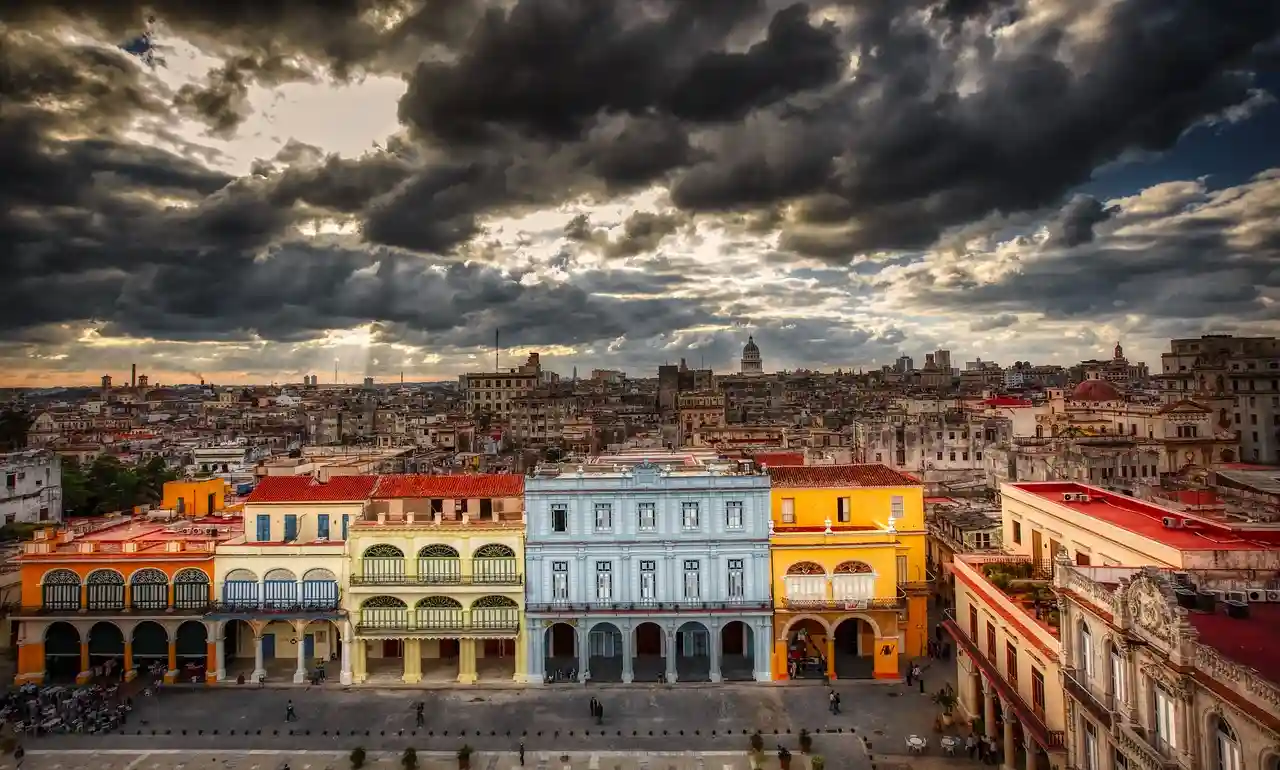
A UNESCO World Heritage Site, filled with cobblestone streets and colorful buildings.
-Must-see plazas: Plaza Vieja, Plaza de la Catedral, Plaza de Armas.
-El Malecón
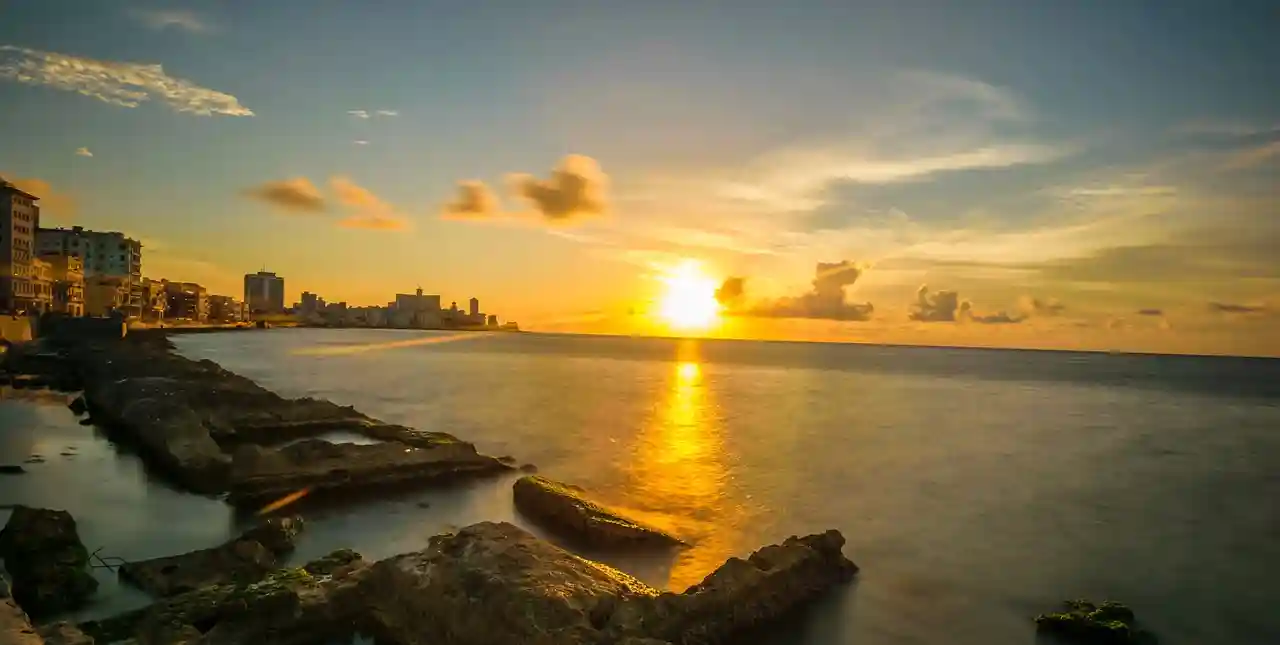
Havana’s 8 km-long seaside promenade, perfect for sunsets and people-watching.
-Museo de la Revolución
Housed in the former Presidential Palace. Tells the story of the Cuban Revolution and its leaders.
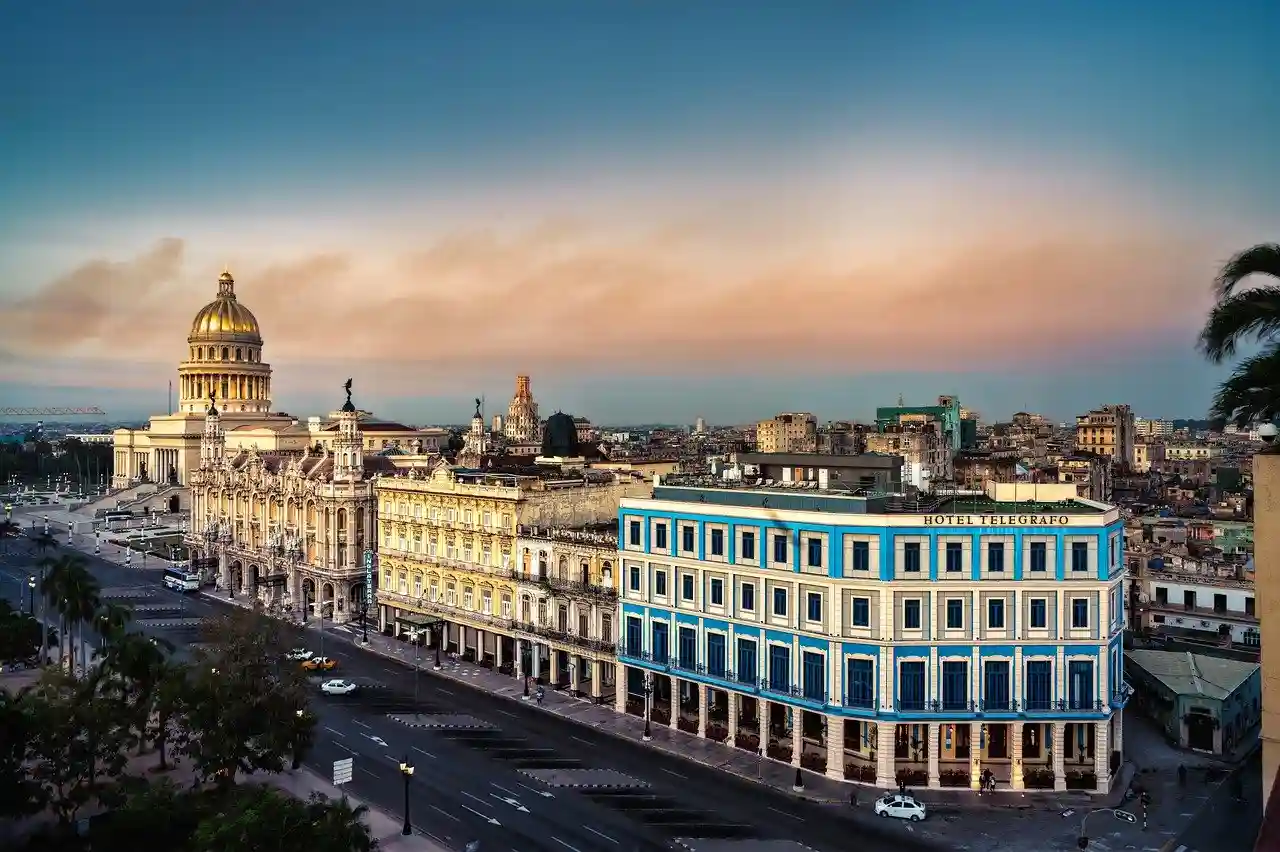
-El Capitolio
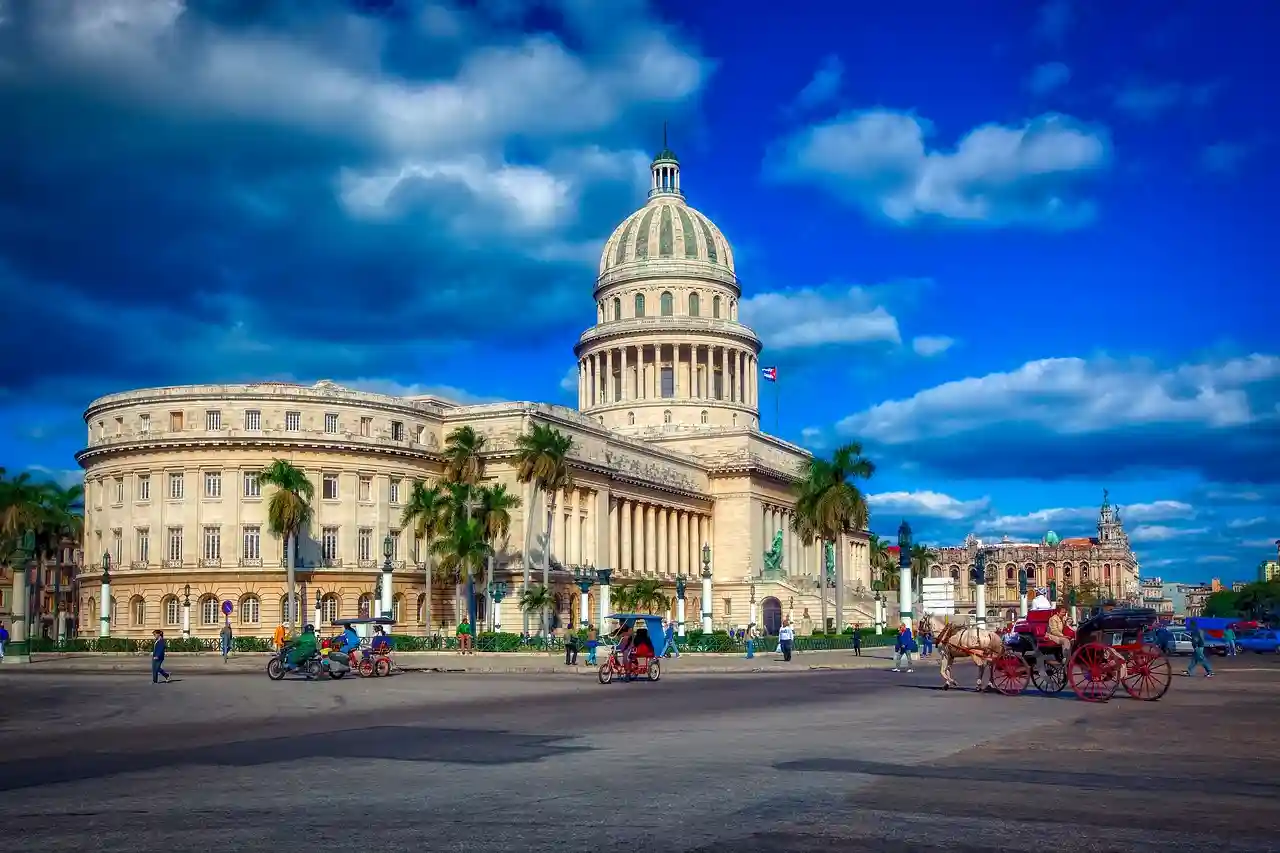
Inspired by the U.S. Capitol, this grand building is one of Havana’s architectural icons.
-Hemingway’s Havana
Visit La Bodeguita del Medio (famous for mojitos) and El Floridita (home of the daiquiri), where Ernest Hemingway often wrote and drank.
-Fusterlandia
A colorful neighborhood transformed into a giant mosaic art project by Cuban artist José Fuster.
Havana is more than a capital city—it’s a living museum of history, music, and Caribbean energy. From wandering through Old Havana’s plazas to watching the sunset on El Malecón, sipping mojitos in Hemingway’s haunts, or dancing salsa all night long, Havana offers an unforgettable experience.
Must-See & Must-Do
Cuban Food & Drink in Havana
Havana’s food scene reflects Spanish, African, and Caribbean influences, with a growing wave of modern restaurants (paladares).
-Ropa Vieja: Cuba’s national dish, shredded beef in tomato sauce.
-Arroz con Pollo: Chicken with rice, a comfort classic.
-Tostones: Fried plantains.
-Cuban Sandwich: A must-try street food.
-Drinks: Havana is the birthplace of the Mojito and Daiquiri—don’t miss trying them in Hemingway’s favorite bars.
Nightlife & Music in Havana
Havana comes alive after dark with live music, salsa, and dance.
Buena Vista Social Club: Legendary Cuban music experience.
Casa de la Música: Dance the night away with live salsa bands.
Jazz Café: For lovers of Afro-Cuban jazz.
Malecón Nights: Street musicians and locals create a magical atmosphere.
Accommodation in Havana
-Luxury: Gran Hotel Manzana Kempinski, Hotel Nacional de Cuba.
-Mid-range: Iberostar Parque Central, NH Capri.
-Budget & Casas Particulares: Stay with local families for an authentic experience.
Climate and Best Time to Visit Havana
Havana enjoys a tropical climate.
-Dry Season (Nov–Apr): Sunny and pleasant, best for sightseeing.
-Wet Season (May–Oct): Hot, humid, with afternoon rains.
-Hurricane Season: Peaks in September and October.
-Best Time: December to March—cooler, less humid, lively festivals.
Transportation in Havana
-Classic Cars: Iconic rides, both for sightseeing tours and taxis.
-Coco Taxis: Fun, three-wheeled yellow taxis for short trips.
-Buses: Affordable but often crowded.
-Walking: The best way to explore Old Havana’s narrow streets.
-Airport: José Martí International Airport connects Havana with the world.
Similar Listing

Toulouse Travel Guide

Strasbourg Travel Guide
Lyon Travel Guide
Marseille Travel Guide
Paris Vacation Guide
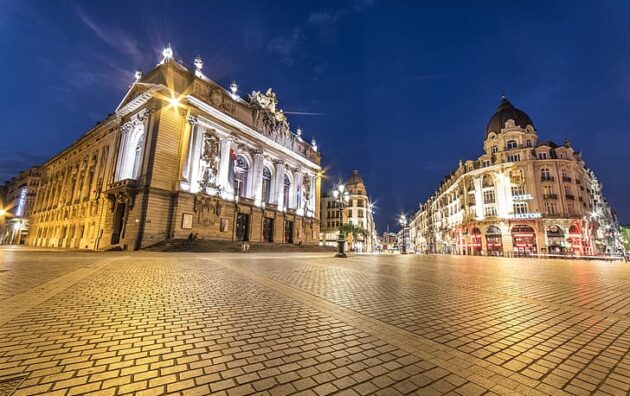
Lille Vacation Guide

France Travel Guide
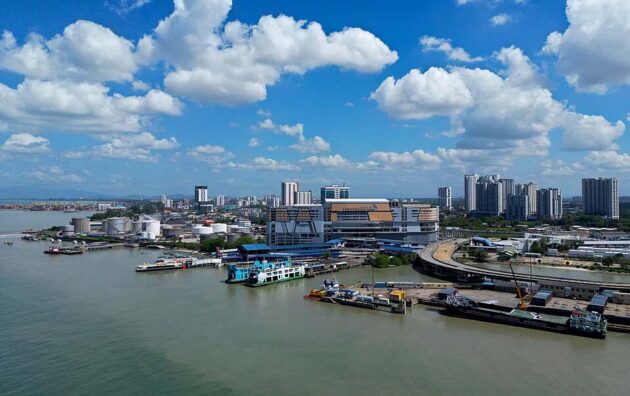
Seberang Perai Vacation Guide
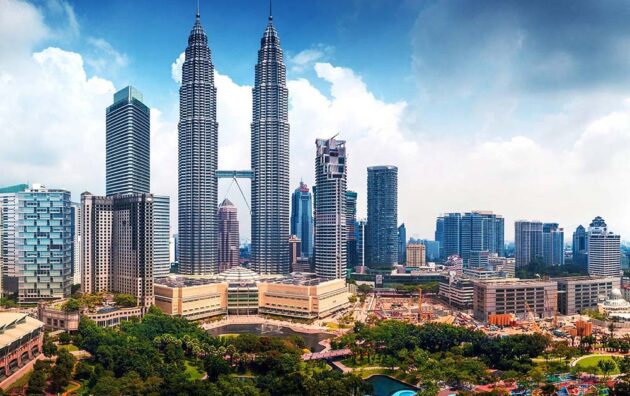
Malaysia Vacation Guide
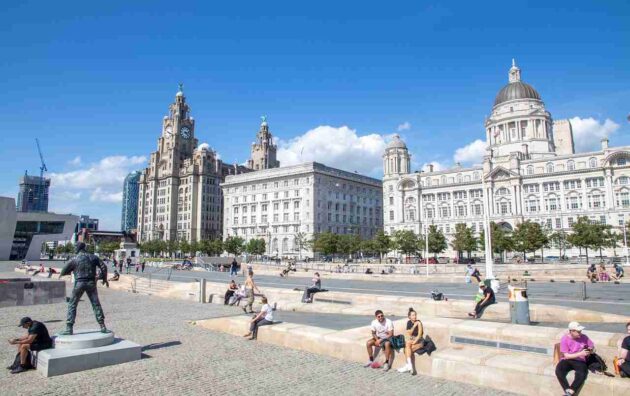
Liverpool Travel Guide

Norway Travel Guide
Santo Domingo Travel Guide
Discover the Dominican Republic
Discovering Brno

Exploring Prague

Discovering the Czech Republic
Discovering Venice
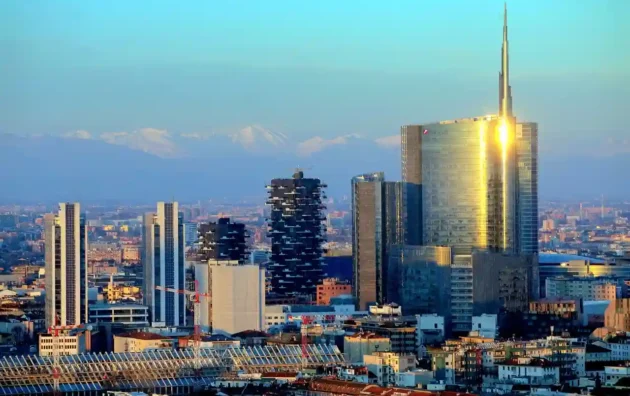
Milan Travel Guide