Palace of Charles V, Granada
Destination Description
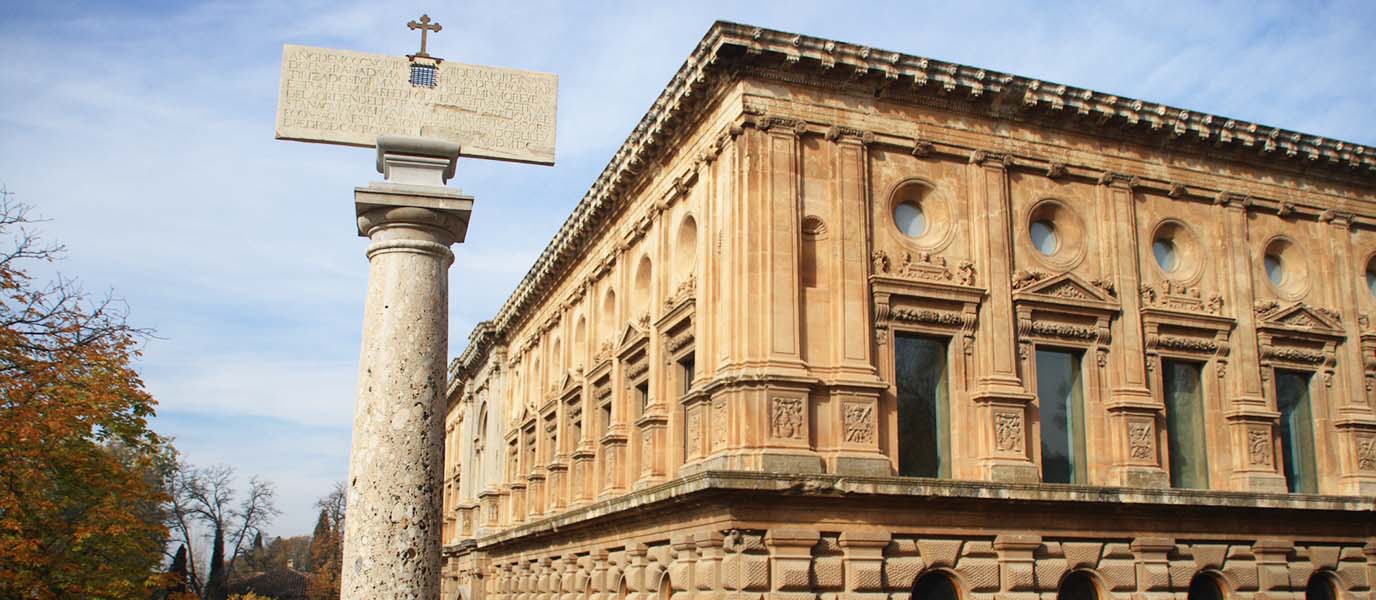
The Palace of Charles V (Palacio de Carlos V) is one of the most unique Renaissance buildings in Spain, located inside the world-famous Alhambra complex in Granada.
This striking palace, with its monumental façade and circular courtyard, reflects the ambition of Emperor Charles V to leave a lasting legacy in the city of his grandparents, Ferdinand and Isabella.
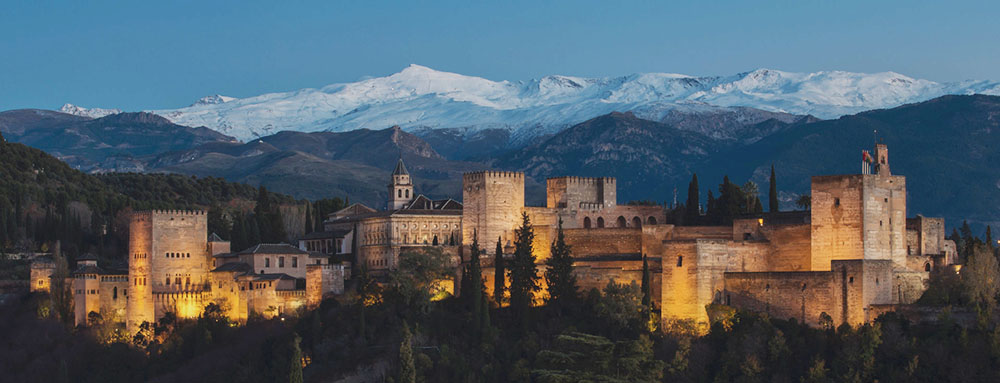
Although surrounded by the Moorish beauty of the Alhambra, the Palace of Charles V stands out for its pure Italian Renaissance style, making it a fascinating contrast and a must-see during your visit to Granada.
History of the Palace of Charles V
Commissioned in 1526 by Charles V, Holy Roman Emperor, after his marriage to Isabella of Portugal.
Intended as a royal residence within the Alhambra to symbolize Christian power after the Reconquista.
Designed by architect Pedro Machuca, a pupil of Michelangelo and Raphael.
Construction began in 1527, but the palace was never completed during Charles V’s lifetime.
Today, it houses the Alhambra Museum and the Museum of Fine Arts of Granada.
Architecture of the Palace of Charles V
The palace is considered a masterpiece of Spanish Renaissance architecture:
Square Exterior: 63 meters wide with a monumental stone façade.
Circular Courtyard: The only one of its kind in Renaissance architecture in Spain, with 32 columns surrounding the upper gallery.
Façade Decorations: Blend of classical Roman and Italian Renaissance motifs.
Contrast with the Alhambra: While the Alhambra is Moorish in design, the Palace of Charles V symbolizes the arrival of a new cultural era.
This bold architectural statement reflects Charles V’s desire to create a palace that rivaled the great buildings of Europe.
Must-See & Must-Do
Museums Inside the Palace of Charles V
-Today, the palace is home to two major museums.
-Alhambra Museum (Museo de la Alhambra): Displays Islamic art, ceramics, woodwork, and architectural fragments from the Nasrid dynasty.
-Museum of Fine Arts (Museo de Bellas Artes de Granada): Contains paintings and sculptures from the 15th to 20th centuries, including works related to Granada’s religious and cultural history.
Visiting the Palace of Charles V
-Tickets: Entry to the palace is included in the general Alhambra ticket.
-Opening Hours: Generally open daily, though museum hours vary.
-Best Time to Visit: Early morning or late afternoon for fewer crowds.
-Events: The circular courtyard is sometimes used for concerts and cultural performances.
Climate in Granada for Visiting the Palace
-Spring (Mar–May): Mild and perfect for sightseeing around the Alhambra.
-Summer (Jun–Aug): Hot (up to 40°C), so visit in the morning or evening.
-Autumn (Sep–Nov): Pleasant weather and fewer tourists.
-Winter (Dec–Feb): Cool, but often sunny with views of snow-capped Sierra Nevada.
Gastronomy Near the Palace of Charles V
-Tapas culture: Free tapas served with drinks in many bars.
-Andalusian specialties: Tortilla del Sacromonte, gazpacho, and berenjenas con miel (eggplant with honey).
-Arab-inspired sweets: Baklava, honey cakes, and mint tea.
-Restaurants with views: Many offer terraces overlooking the Alhambra and Albaicín.
Accommodation in Near the Alhambra
-Luxury: Parador de Granada – a former convent inside the Alhambra grounds.
-Boutique: Charming hotels in the Albaicín with views of the palace.
-Budget: Hostels and guesthouses in Granada’s old town.
How to Get to the Palace of Charles V
-By Foot: From Granada’s city center, about 20–30 minutes uphill.
-By Bus: Alhambra buses (C30, C32) connect the city center with the Alhambra complex.
-By Taxi: A convenient option, especially in hot weather.
-By Car: Parking is available near the Alhambra, but spaces are limited.
Similar Listing

Eiffel Tower, Paris
Avenue des Champs-Élysées, Paris

Arc de Triomphe, Paris
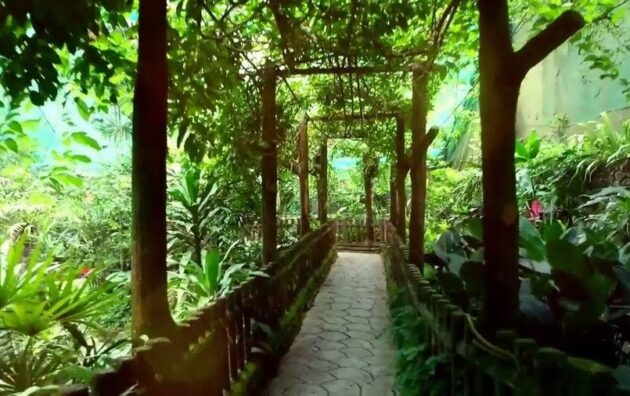
Kuala Lumpur Butterfly Park
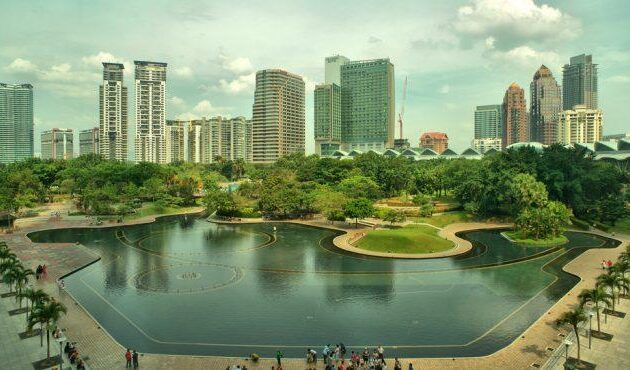
KLCC Park, Kuala Lumpur
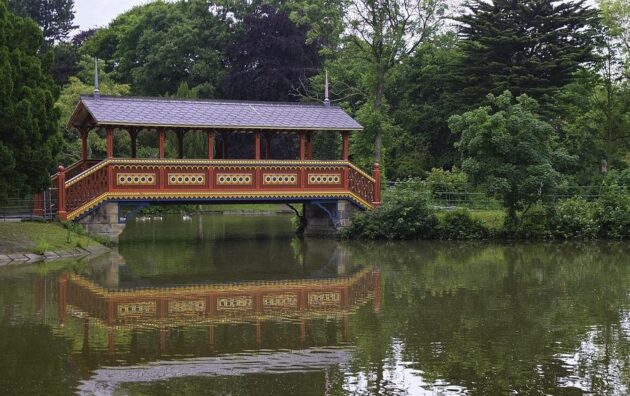
Birkenhead Park, Liverpool
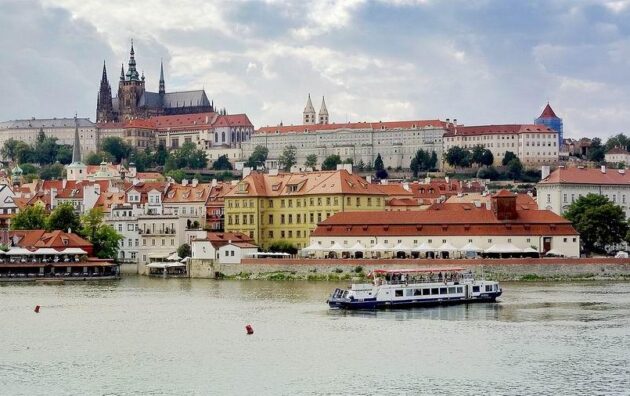
Prague Castle
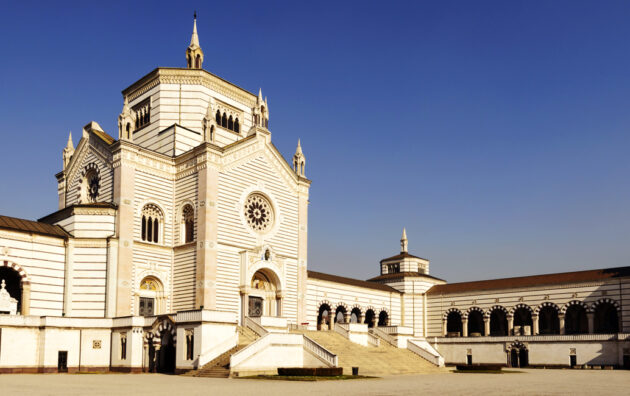
Cimitero Monumentale di Milano
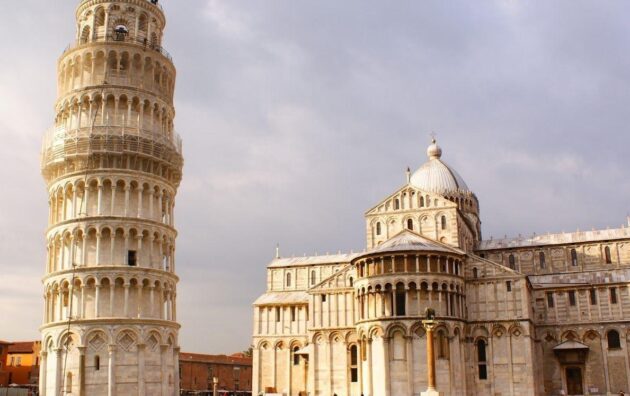
Pisa City and the Leaning Tower
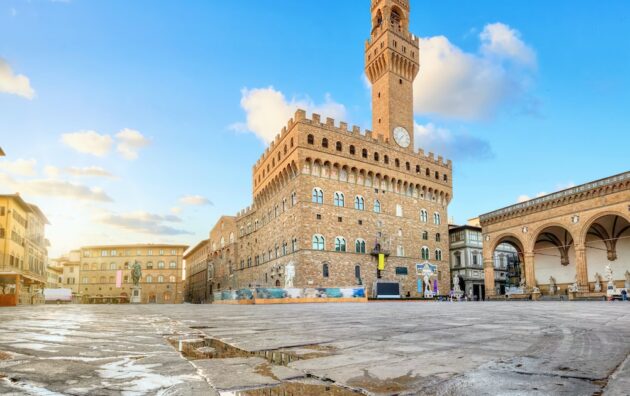
Palazzo Vecchio, Florence
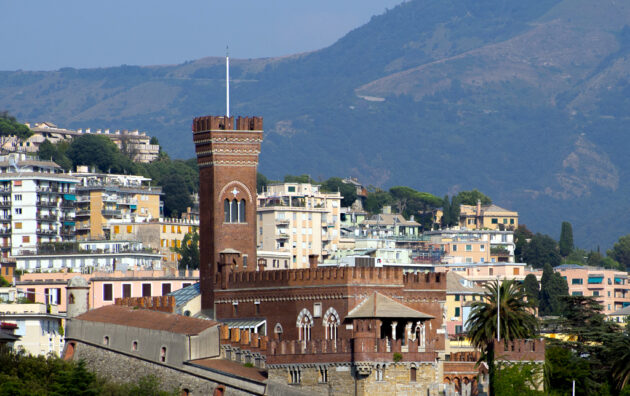
D’Albertis Castle, Genoa

White Tower of Thessaloniki
Holy Mount Athos, Greece
National Garden, Athens
Temple of Olympian Zeus in Athens
Erechtheion, Athens
Acropolis of Athens
Castillo de San Pedro de la Roca
Colon Cemetery Havana