Granada Travel Guide
Destination Description
Granada, nestled at the foot of the Sierra Nevada mountains in southern Spain’s Andalusia region, is one of the most captivating travel destinations in Europe. Known for its Alhambra Palace, lively flamenco culture, and blend of Moorish and Spanish traditions, Granada promises visitors a journey through history, culture, and unforgettable landscapes.
Historical Attractions in Granada
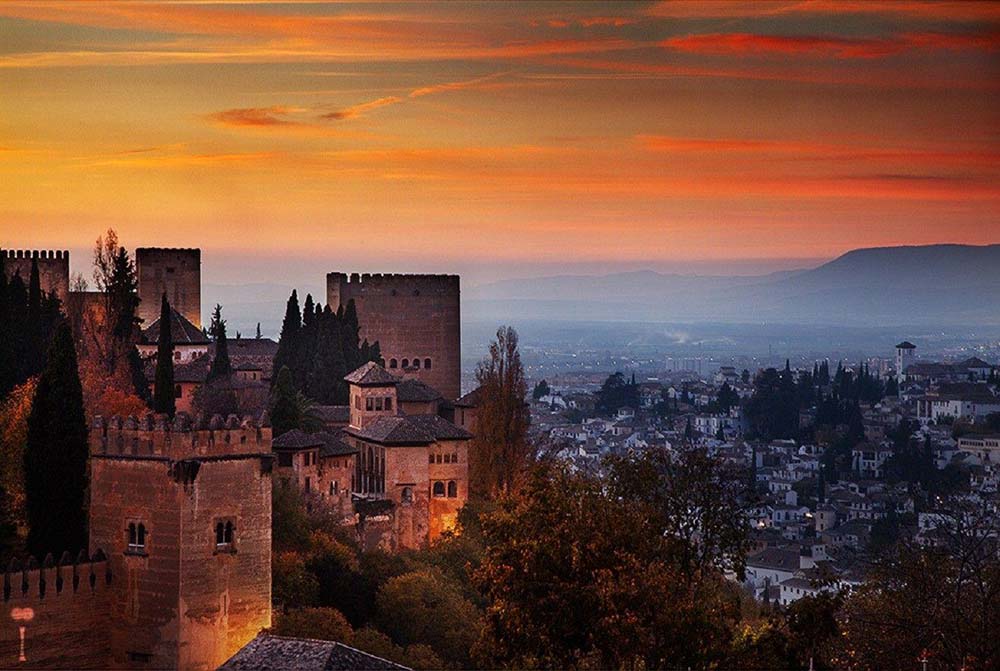
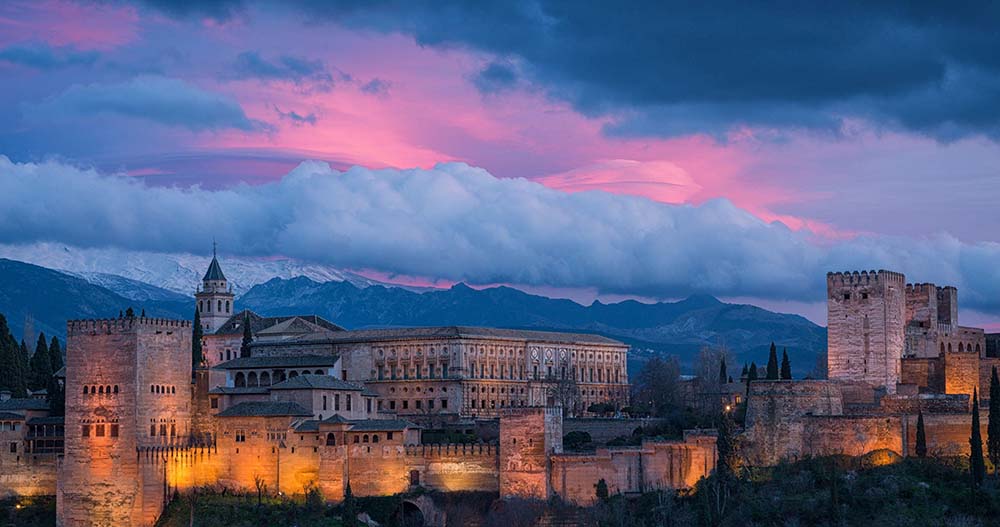
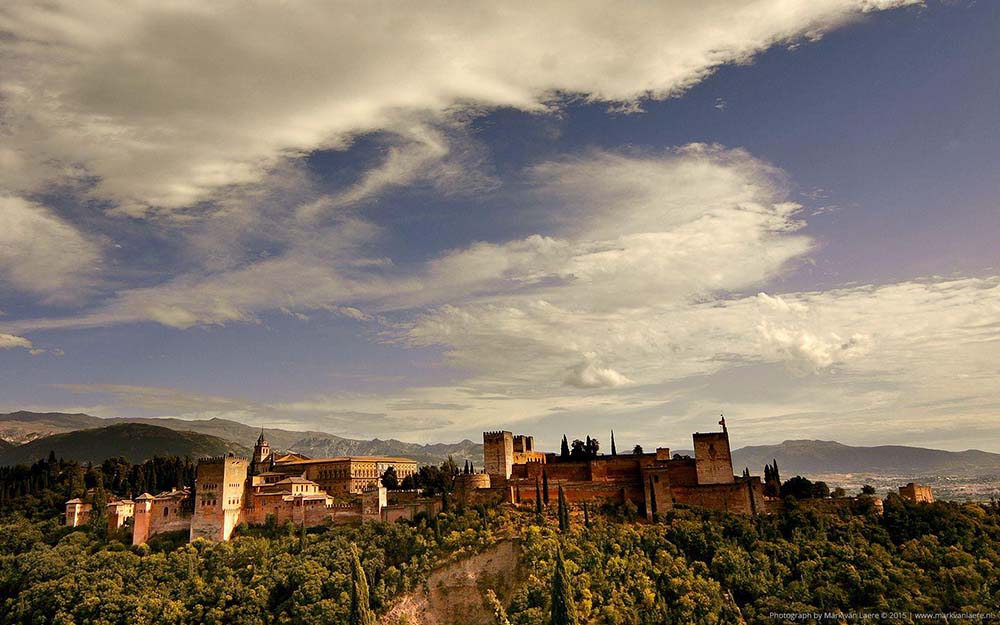
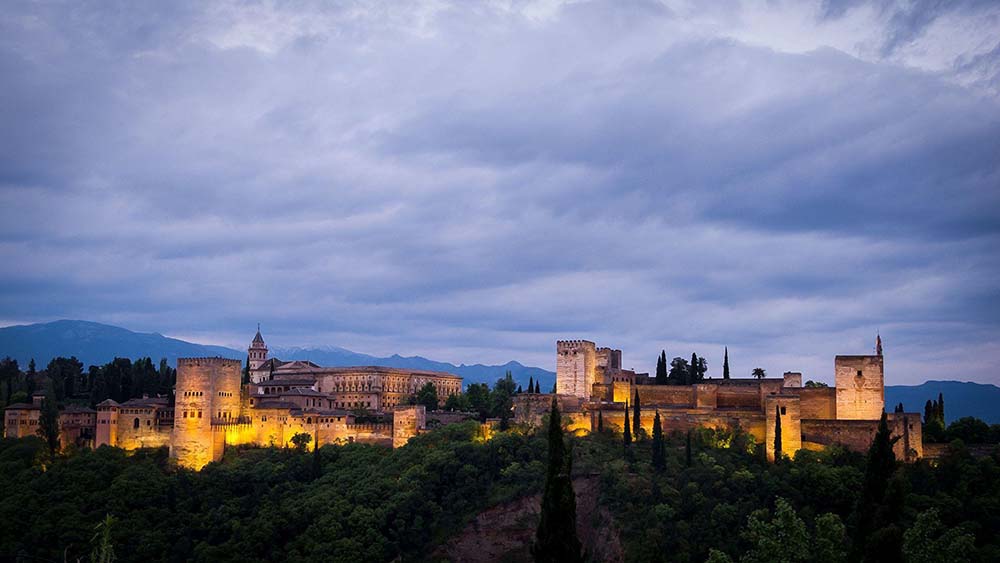
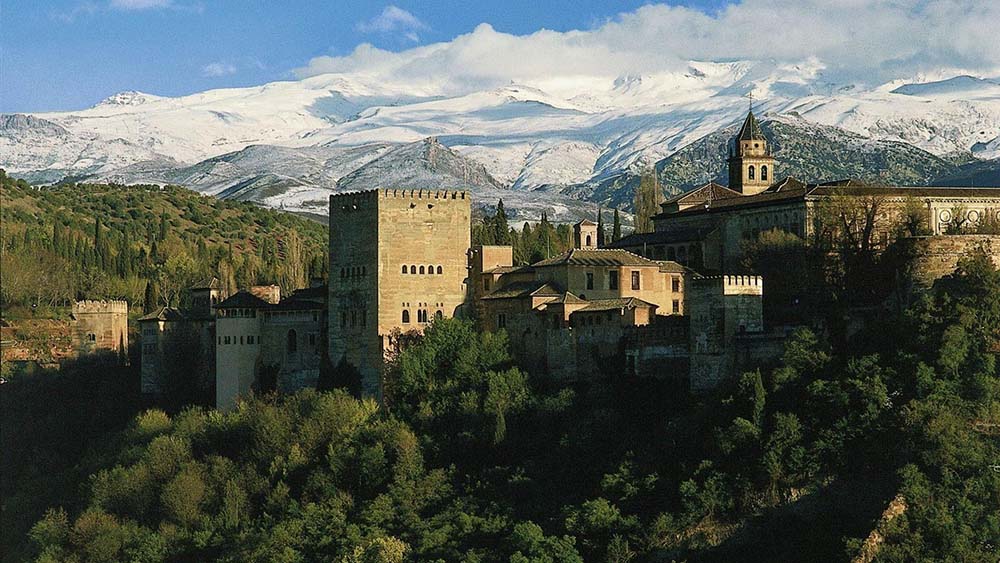
The Alhambra Palace: A UNESCO World Heritage Site and one of Spain’s most visited monuments. This magnificent fortress and palace complex, built by the Nasrid dynasty, features intricate Islamic art, the Generalife gardens, and breathtaking views of the city.
Albaicín Quarter: A labyrinth of narrow streets, whitewashed houses, and hidden squares reflecting Granada’s Moorish heritage. Don’t miss the Mirador de San Nicolás for its iconic view of the Alhambra.
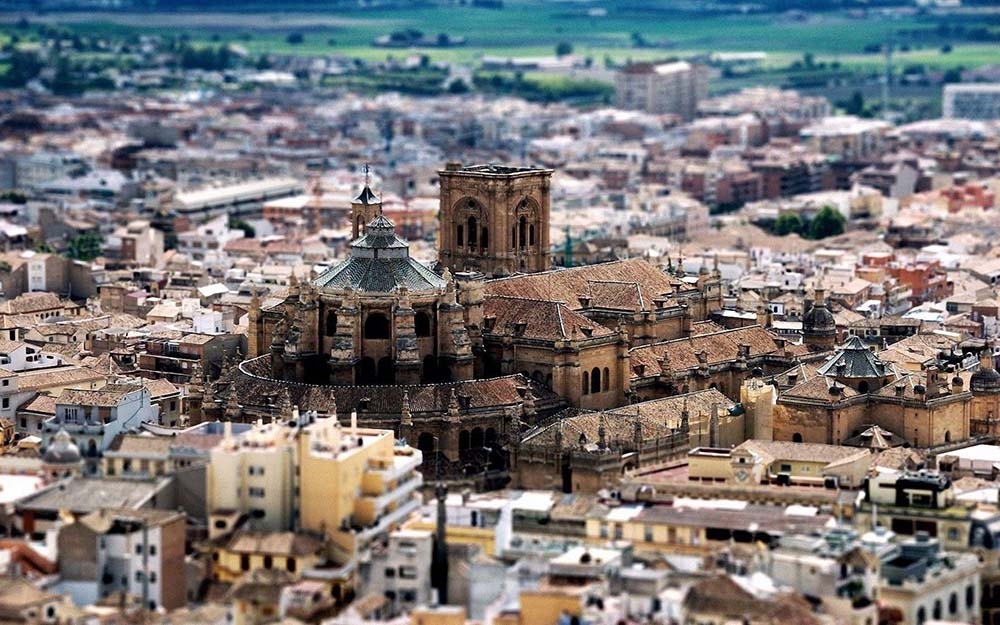
Granada Cathedral & Royal Chapel: A Renaissance masterpiece housing the tombs of Catholic Monarchs Ferdinand and Isabella.
Sacromonte Caves: Known for traditional cave houses and vibrant flamenco shows, offering a unique cultural experience.
Cartuja Monastery: A hidden gem with stunning baroque interiors.
With its breathtaking Alhambra, lively streets, rich history, and flamenco rhythms, Granada is a city that captivates the soul and brings Andalusia’s magic to life.
Must-See & Must-Do
Travel Tips for Visiting Granada
-Book Alhambra tickets well in advance, as they sell out quickly.
-Wear comfortable shoes for exploring the hilly Albaicín neighborhood.
-Try visiting viewpoints (miradores) at sunset for magical views over the city.
-Take time to experience authentic flamenco shows in Sacromonte.
Food and Gastronomy in Granada
-Piononos: A traditional sweet pastry from nearby Santa Fe.
-Tortilla del Sacromonte: An omelet made with local ingredients.
-Remojón Granadino: A refreshing salad with cod, oranges, and olives.
-Pair your meals with local Andalusian wines or a glass of refreshing sangria.
Accommodation in Granada
-Luxury hotels: Stay in restored palaces or boutique hotels near the Alhambra.
-Mid-range hotels: Many charming options close to the city center.
-Budget stays: Hostels and guesthouses in Albaicín or near the cathedral.
-For a unique experience, you can even stay in a traditional cave house in Sacromonte.
Climate in Granada
-Granada has a Mediterranean-continental climate, with hot summers and cool winters:
-Summer (June–August): Hot and dry, with temperatures reaching 35°C. Best for exploring the -Alhambra early in the morning or evening.
-Spring (March–May): One of the best times to visit, with mild weather and blooming gardens.
-Autumn (September–November): Pleasant and less crowded, ideal for sightseeing.
-Winter (December–February): Cool in the city, but nearby Sierra Nevada offers skiing opportunities.
Transportation and Getting Around Granada
-By Air: Granada has a small airport (Federico García Lorca Airport), but most visitors fly into Málaga (90 minutes away).
-By Train: High-speed trains connect Granada with Madrid and Seville.
-By Bus: Affordable and frequent buses link Granada with other Andalusian cities.
-Within the City: Most historical areas are best explored on foot. Public buses and taxis are available for longer distances or steep climbs.
Similar Listing
Toulouse Travel Guide

Strasbourg Travel Guide
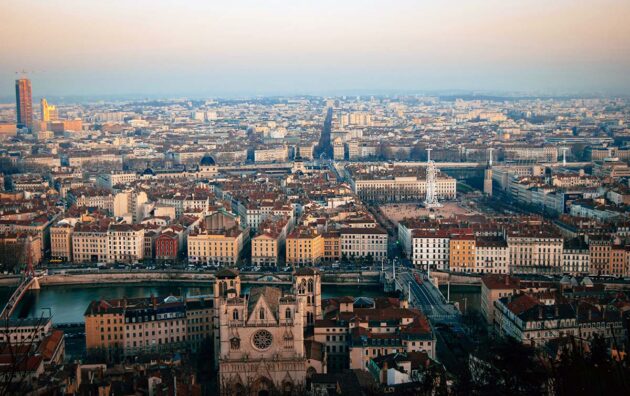
Lyon Travel Guide
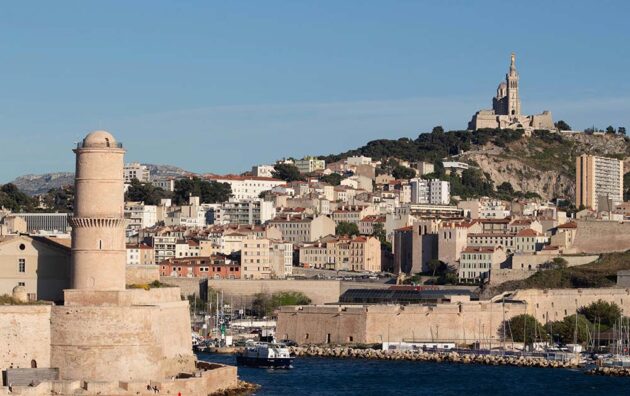
Marseille Travel Guide

Paris Vacation Guide

Lille Vacation Guide
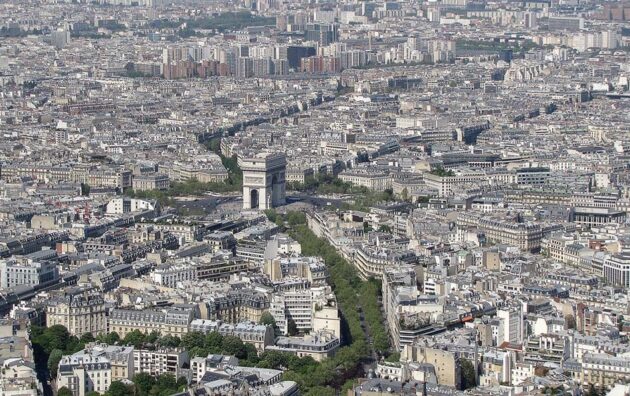
France Travel Guide

Seberang Perai Vacation Guide
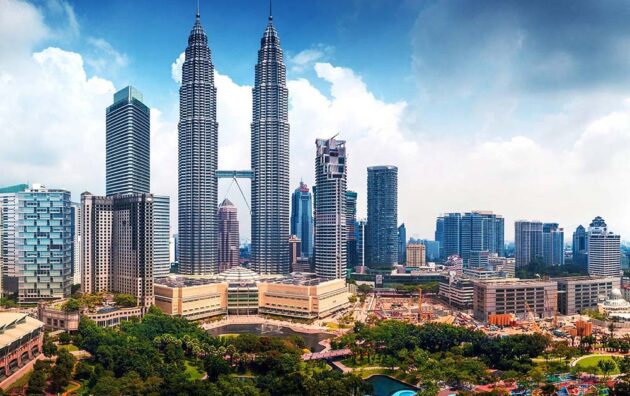
Malaysia Vacation Guide

Liverpool Travel Guide
Norway Travel Guide

Santo Domingo Travel Guide

Discover the Dominican Republic
Discovering Brno
Exploring Prague
Discovering the Czech Republic
Discovering Venice
Milan Travel Guide