Colon Cemetery Havana
Destination Description
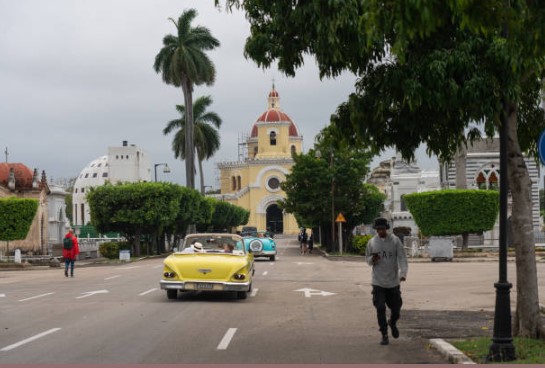
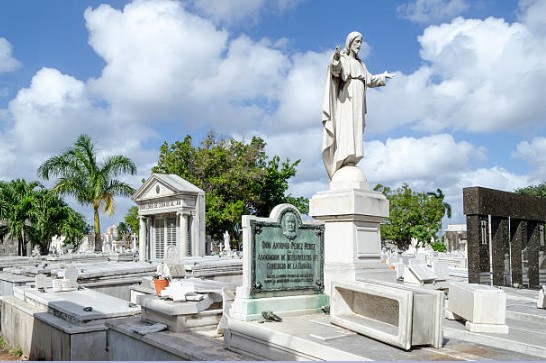
The Colon Cemetery (Cementerio de Cristóbal Colón) in Havana is not just a burial ground—it’s an open-air museum of Cuban history, art, and culture. Spanning more than 140 acres, it is considered one of the most important cemeteries in Latin America, renowned for its majestic marble statues, elaborate mausoleums, and symbolic tombs.
For travelers interested in history, architecture, or photography, Colon Cemetery offers a fascinating journey into Cuba’s past.
A Brief History of Colon Cemetery
-Founded: 1876 by Spanish architect Calixto Arellano de Loira.
-Named After: Christopher Columbus (Cristóbal Colón in Spanish).
-Purpose: Built to replace Havana’s overcrowded Espada Cemetery.
-Cultural Importance: Today, it holds over 1 million tombs and graves, representing Cuba’s political, artistic, and social elite.
Architectural Highlights
Colon Cemetery is often compared to the great cemeteries of Paris (Père Lachaise) and Buenos Aires (Recoleta).
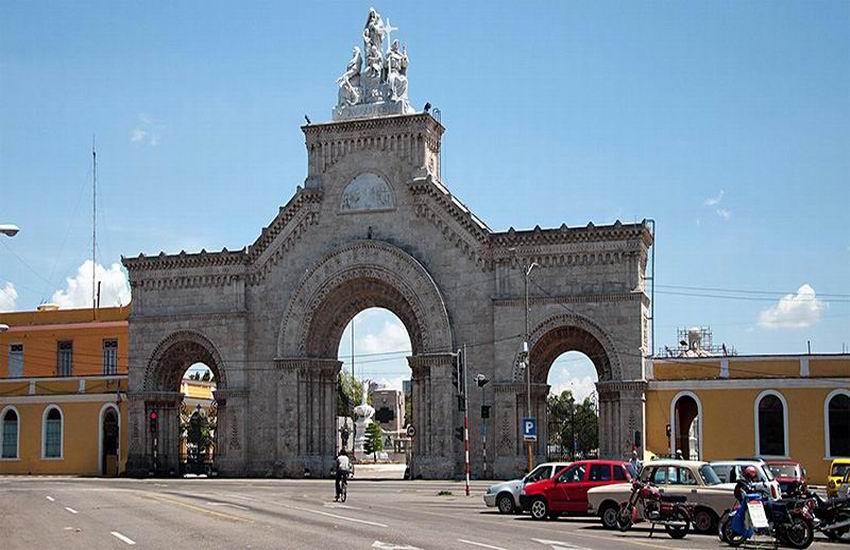
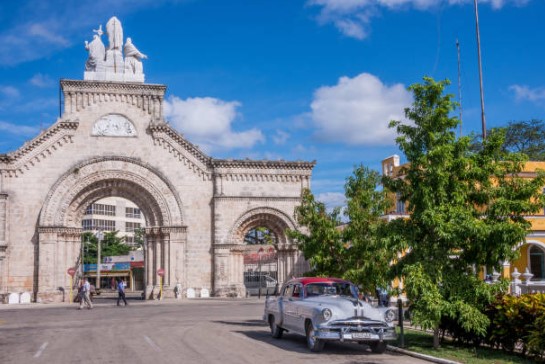
-Main Entrance: A striking neo-Byzantine gateway called Puerta de los Doce Apóstoles (Gate of the Twelve Apostles).
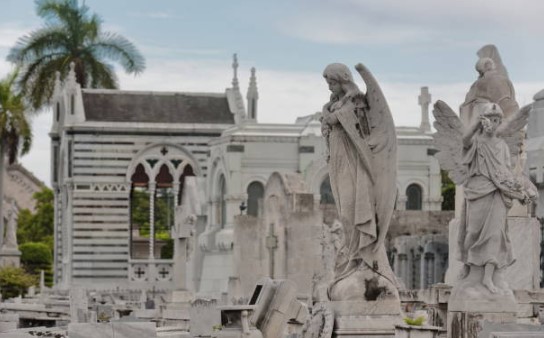
-Monuments: Thousands of marble statues depicting angels, saints, and religious symbolism.
-Mausoleums: Elaborate family tombs designed like mini-palaces and chapels.
-Layout: Built in a grid system, reflecting order and harmony.
Famous Tombs and Monuments
-La Milagrosa (The Miraculous Lady):
-The most visited tomb, belonging to Amelia Goyri, a young woman who died in childbirth in 1901.
-Believed to grant miracles; locals and visitors leave flowers and prayers.
-Firefighters’ Monument:
A tribute to firefighters who lost their lives in the 1890s fire at La Habana’s Isasi warehouse.
-Artists and Politicians:
Final resting place of Cuban writers, musicians, revolutionaries, and influential figures.
-Sculptural Art:
Colon Cemetery is often called an “open-air sculpture gallery” due to its exquisite marble works.
Must-See & Must-Do
Visiting Information
-Opening Hours: Daily, usually 9:00 AM – 5:00 PM.
-Entry Fee: Around 5 USD equivalent in Cuban pesos (CUC system no longer in use, check latest rates).
-Guided Tours: Available, recommended for learning stories behind the tombs.
-Dress Code: Comfortable clothing, respectful attire suggested.
Visitor Tips
-Bring water and sun protection—Havana heat can be intense.
-A guided tour will help you understand the symbolism and stories.
-Photography is allowed, but be mindful of mourners.
Location and Transportation
Address: In the Vedado district, Havana.
-By Taxi: Quick ride from Old Havana (10–15 minutes).
-By Bus: Local buses connect Vedado with central Havana.
-Walking: If staying in Vedado, it’s accessible on foot.
Accommodation Nearby
-Luxury: Hotel Nacional de Cuba, Meliá Cohiba.
-Mid-range: NH Capri, Hotel Vedado.
-Budget: Casas Particulares in Vedado offer authentic Cuban stays.
Best Time to Visit
-Havana’s dry season (Nov–Apr) is the most comfortable for outdoor sightseeing.
-Morning Visits: Best for cooler weather and soft light for photography.
-Avoid Midday Heat: Shade is limited inside the cemetery.
Similar Listing

Eiffel Tower, Paris
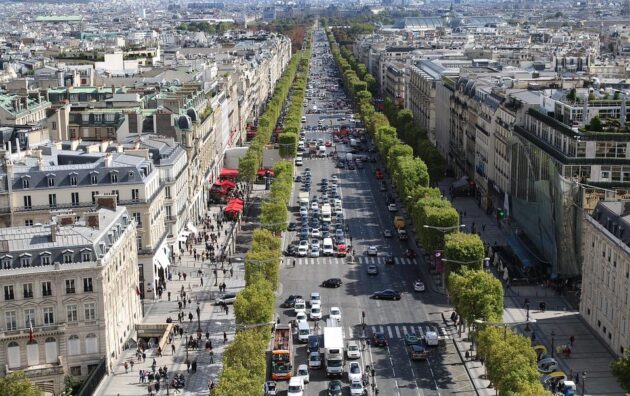
Avenue des Champs-Élysées, Paris

Arc de Triomphe, Paris

Kuala Lumpur Butterfly Park

KLCC Park, Kuala Lumpur
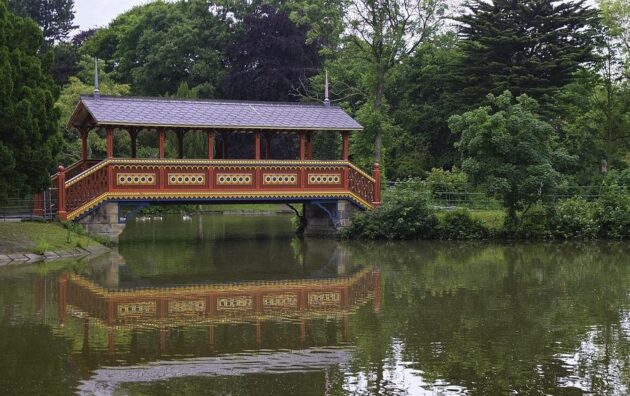
Birkenhead Park, Liverpool

Prague Castle
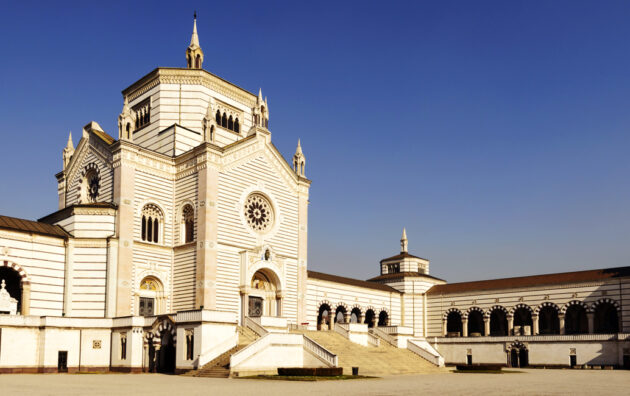
Cimitero Monumentale di Milano
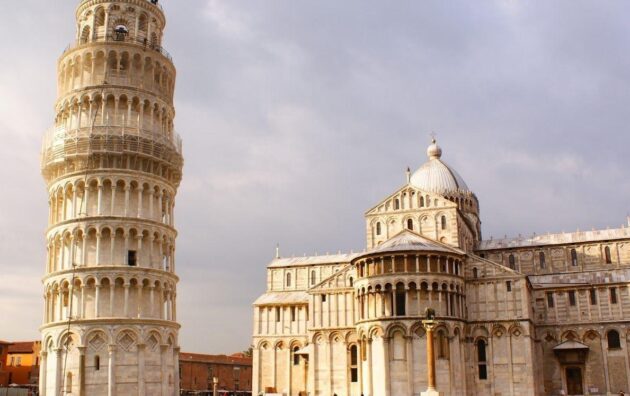
Pisa City and the Leaning Tower
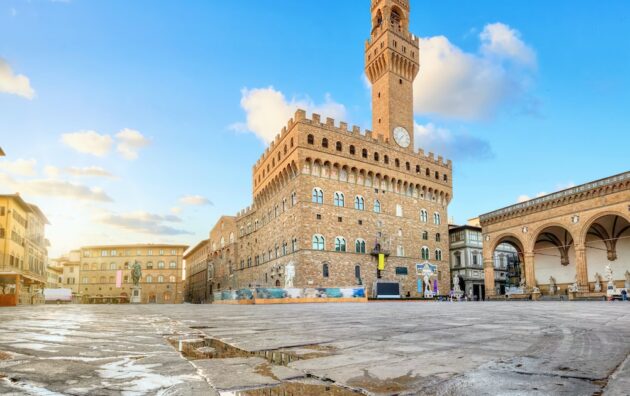
Palazzo Vecchio, Florence
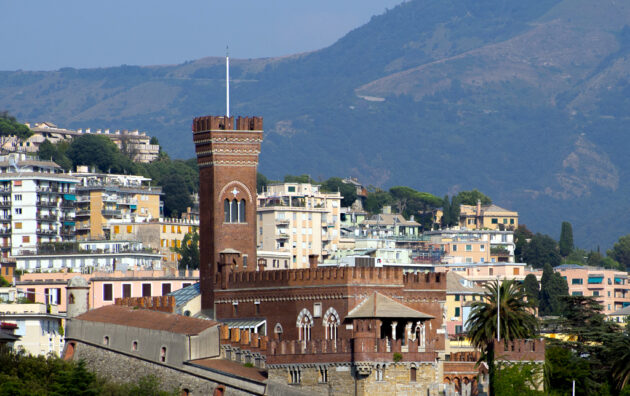
D’Albertis Castle, Genoa

White Tower of Thessaloniki

Holy Mount Athos, Greece
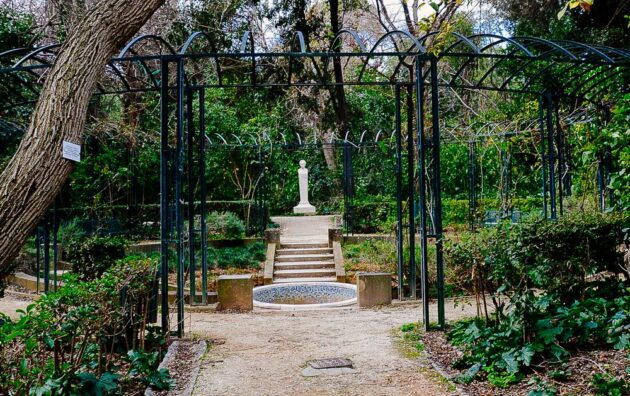
National Garden, Athens
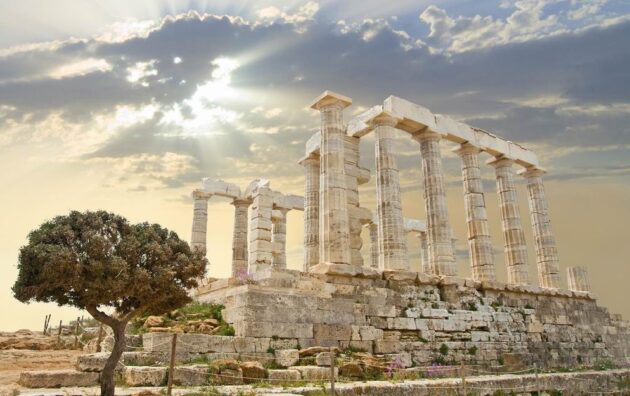
Temple of Olympian Zeus in Athens
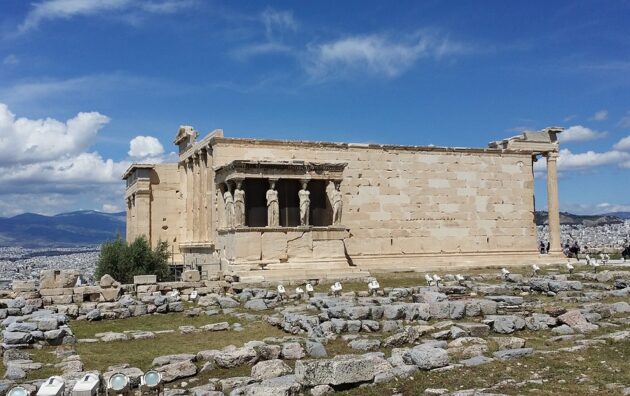
Erechtheion, Athens

Acropolis of Athens
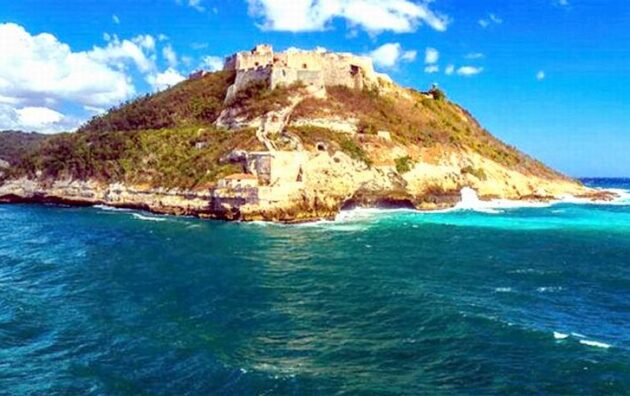
Castillo de San Pedro de la Roca
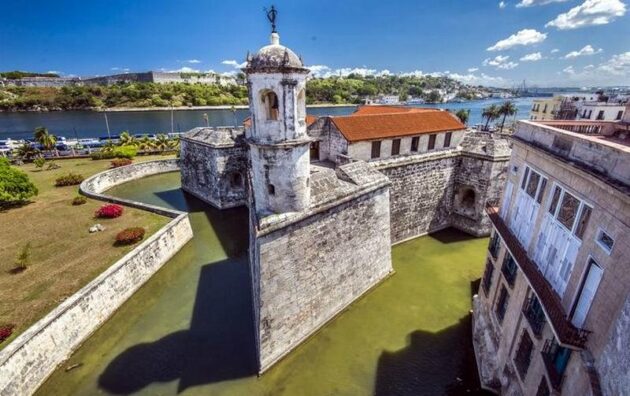
Castillo de la Real Fuerza, Havana