Alhambra, Granada
Destination Description
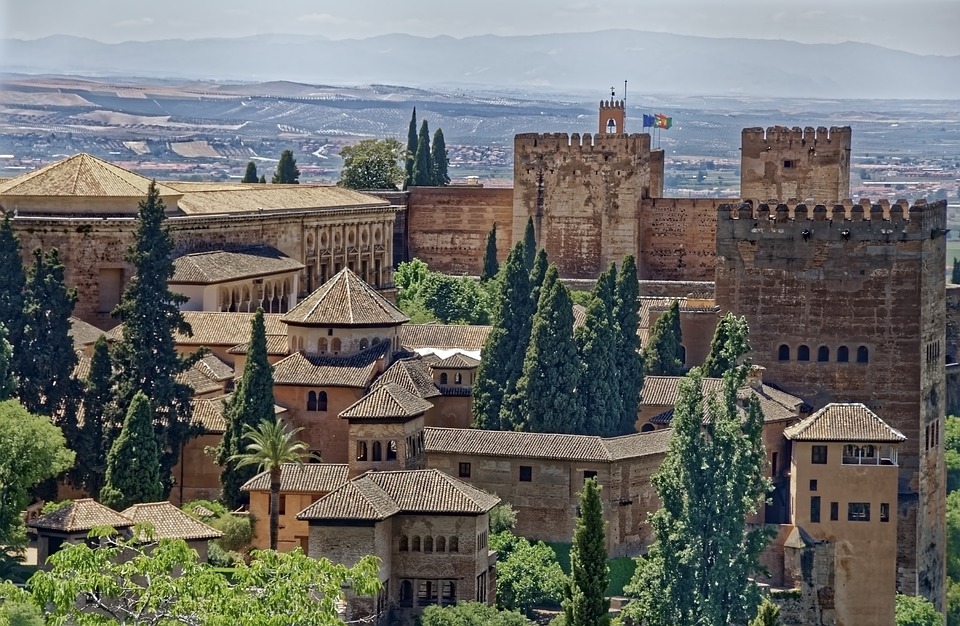
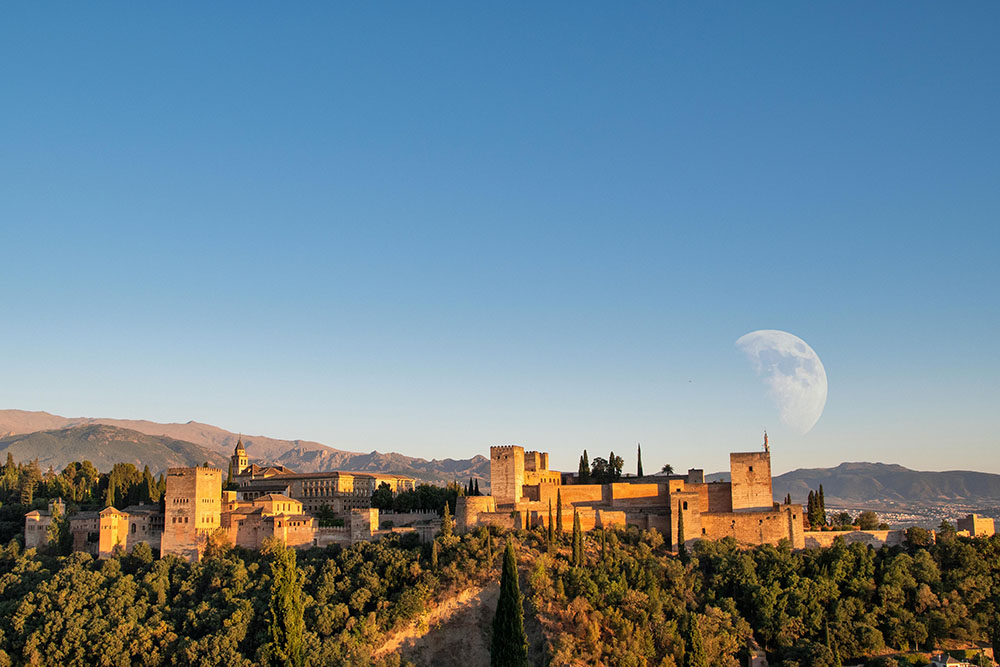
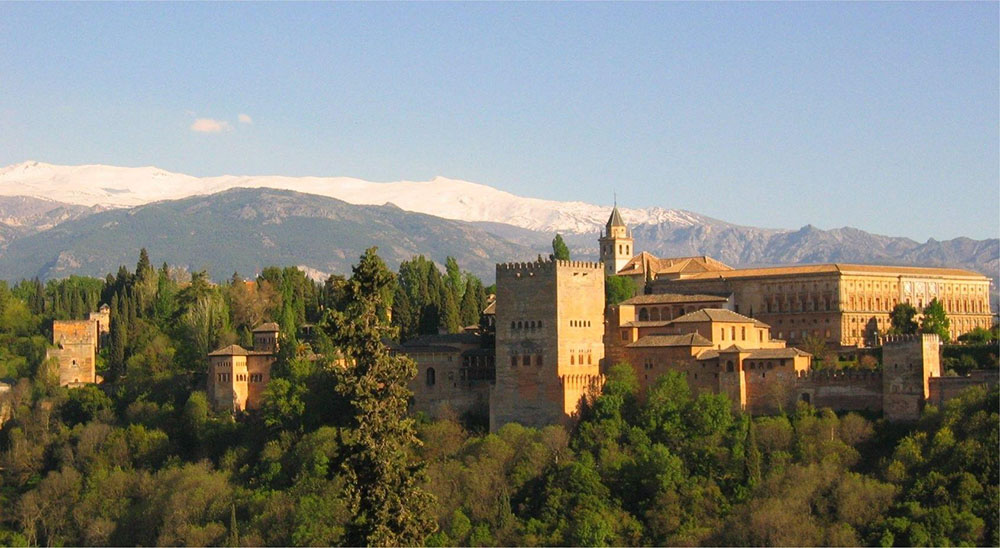
The Alhambra of Granada is one of the most iconic monuments in Spain and a UNESCO World Heritage Site. Perched on the Sabika Hill, this vast fortress-palace complex is a symbol of Moorish art and culture in Andalusia.
History of the Alhambra
9th Century Origins: Originally built as a small fortress on Roman ruins.
Nasrid Dynasty: Expanded in the 13th and 14th centuries into a royal palace for the Muslim rulers of Granada.
Christian Reconquest: After 1492, Ferdinand and Isabella used it as a royal court. Christopher Columbus received support here for his voyage to the New World.
Renaissance Influence: Emperor Charles V built his Renaissance palace within the complex.
Modern Recognition: Declared a UNESCO World Heritage Site in 1984, attracting millions of visitors each year.
Architecture of the Alhambra
-The Alhambra is celebrated as a masterpiece of Islamic architecture and design:
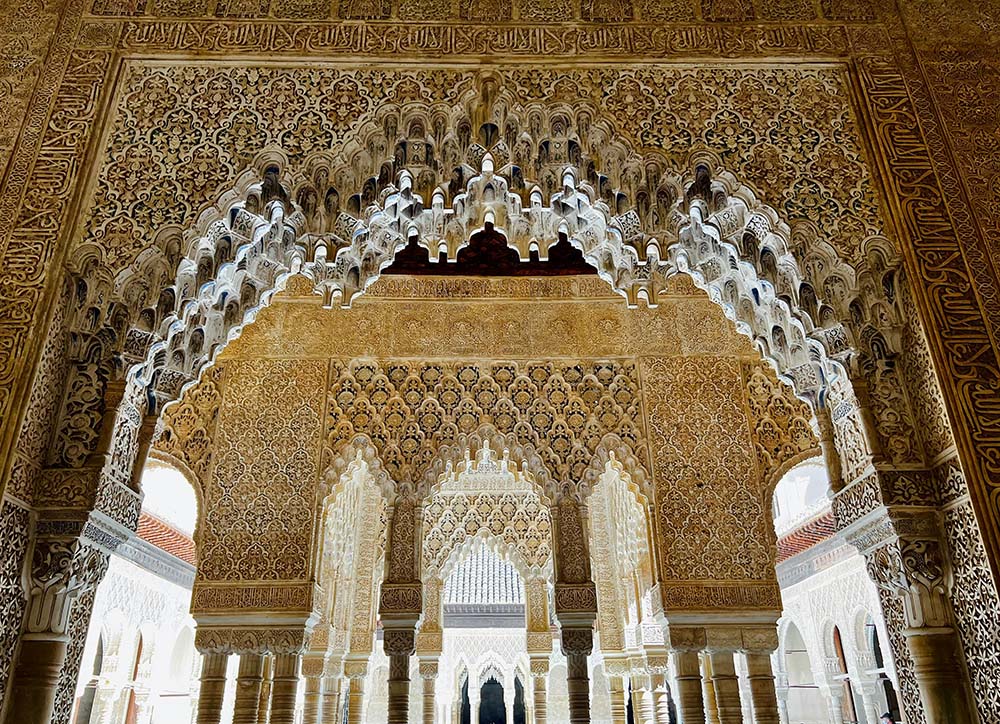
-Nasrid Palaces (Palacios Nazaríes): Exquisite halls, mosaics, and stucco decorations.
-Generalife Gardens: Elegant summer palace with fountains, terraces, and flowers.
-Alcazaba Fortress: The oldest part of the Alhambra, offering sweeping views of Granada.
–Palace of Charles V: A striking Renaissance building within the Moorish complex.
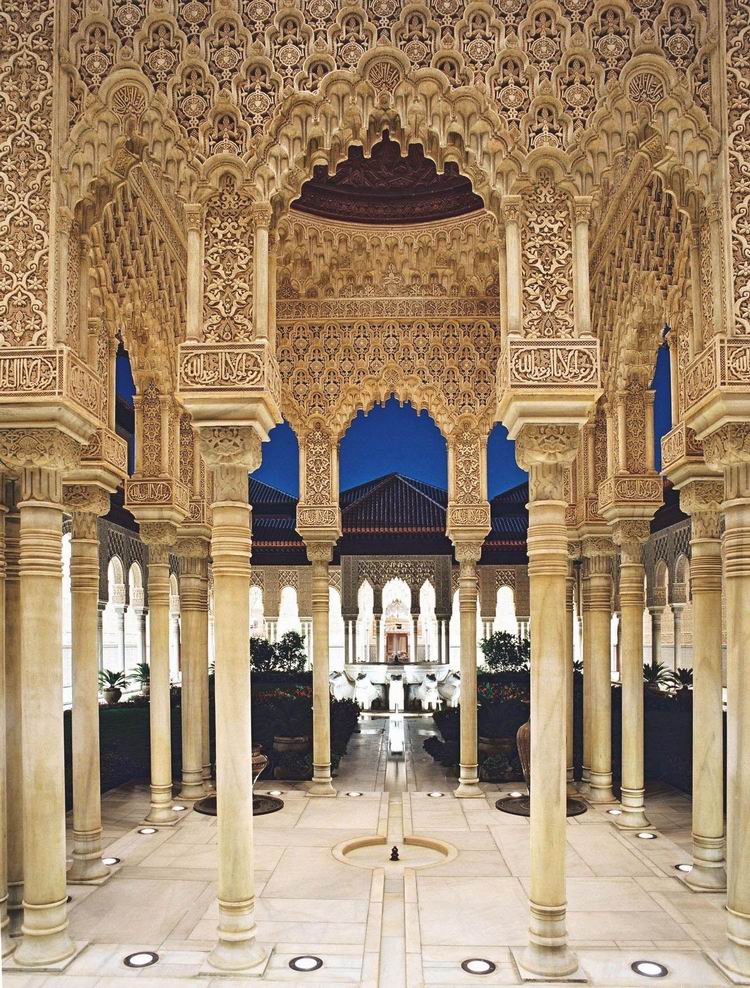
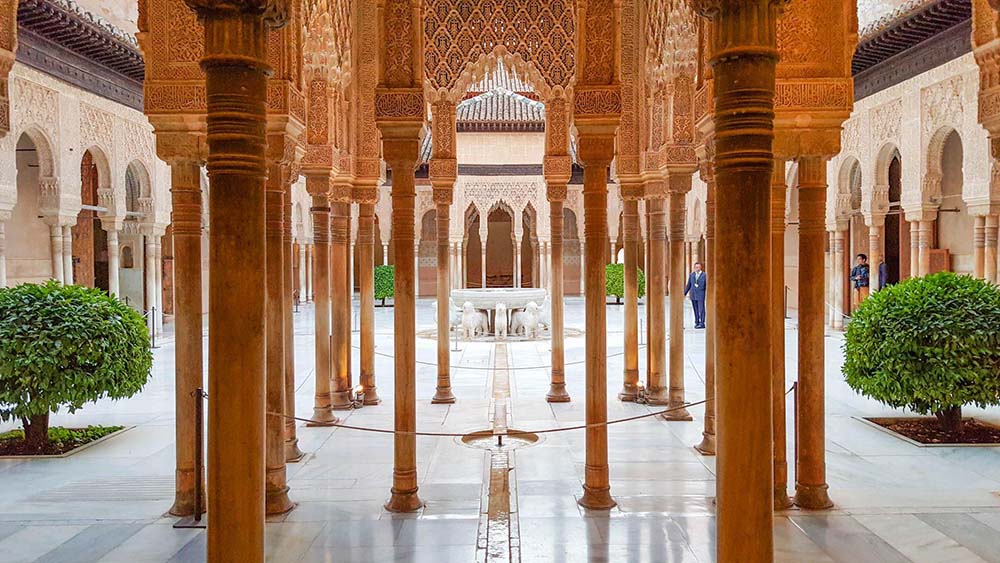
-Courtyards: The Court of the Lions and Court of the Myrtles are world-famous for their beauty.
Highlights of the Alhambra
-Nasrid Palaces: Includes the Hall of the Ambassadors and Hall of the Two Sisters.
-Court of the Lions (Patio de los Leones): Iconic courtyard with its fountain supported by 12 marble lions.
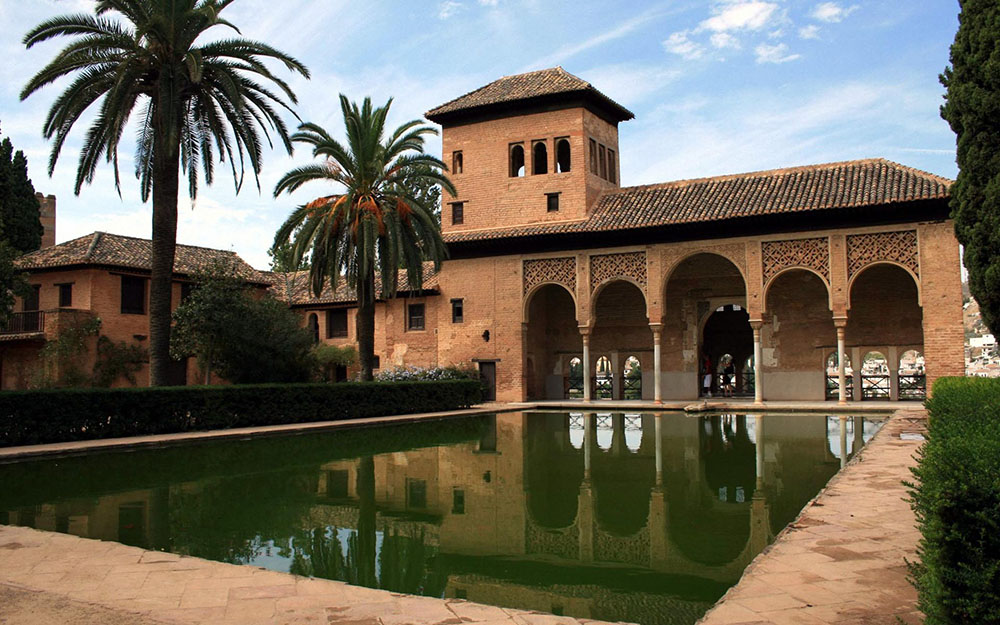
-Court of the Myrtles (Patio de los Arrayanes): A serene reflecting pool surrounded by white marble.
-Generalife: A retreat for the sultans, with beautiful gardens and views of the Albayzín.
-Alcazaba: Climb its towers for panoramic views of Granada and the Sierra Nevada.
–Palace of Charles V: Houses the Alhambra Museum and Fine Arts Museum.
The Alhambra is a palace and fortress complex located in Granada, Andalusia, Spain. It is one of the most famous monuments of Islamic architecture and one of the best-preserved palaces of the historic Islamic world, in addition to containing notable examples of Spanish Renaissance architecture.
Must-See & Must-Do
Visiting the Alhambra
-Tickets: Highly recommended to book weeks in advance, as daily entries are limited.
-Opening Hours: Open year-round, with evening visits available in summer.
-Guided Tours: Provide deep insights into the history and symbolism of the palace.
-Night Visits: A magical way to see the illuminated Nasrid Palaces.
Climate in Granada for Visiting the Alhambra
-Spring (Mar–May): Pleasant temperatures and blooming gardens ideal for visiting.
-Summer (Jun–Aug): Hot, often above 35°C; morning or evening visits are best.
-Autumn (Sep–Nov): Mild weather and fewer crowds.
-Winter (Dec–Feb): Cooler, but fewer tourists and clear views of the snow-capped Sierra Nevada.
Gastronomy Near the Alhambra
-Free tapas: With every drink in many local bars.
-Traditional dishes: Gazpacho andaluz, berenjenas con miel (eggplant with honey), tortilla del Sacromonte.
-Arab-inspired sweets: Honey cakes, piononos, and almond pastries.
-Tea houses (teterías): Along Calle Calderería Nueva in the Albayzín, perfect for mint tea.
Accommodation Near the Alhambra
-Luxury: Parador de Granada – a former convent inside the Alhambra grounds.
-Boutique Hotels: Restored cármenes in the Albayzín with views of the Alhambra.
-Budget Options: Hostels and apartments in Granada’s historic center.
How to Get to the Alhambra?
-By Foot: A steep 20–30 minute walk from Granada’s city center.
-By Bus: Minibuses (C30, C32) run from Plaza Isabel la Católica to the Alhambra.
-By Taxi: Quick and convenient, especially in summer heat.
-By Car: Parking available, but limited spaces near the entrance.
Nearby Attractions to the Alhambra in Granada
-Albayzín Quarter: Moorish neighborhood with stunning viewpoints.
-Sacromonte: Known for its cave houses and flamenco shows.
-Granada Cathedral: A Renaissance masterpiece in the city center.
-Royal Chapel of Granada: Resting place of Ferdinand and Isabella.
-Carrera del Darro: One of Spain’s most picturesque streets.
Travel Tips for the Alhambra
-Book tickets early – they sell out quickly.
-Wear comfortable shoes – the complex is large with uneven surfaces.
-Allow at least 3–4 hours to explore the palaces and gardens.
-Bring water and sun protection in summer.
-Don’t miss the viewpoints in the Generalife and Alcazaba.
Similar Listing

Eiffel Tower, Paris

Avenue des Champs-Élysées, Paris

Arc de Triomphe, Paris
Kuala Lumpur Butterfly Park
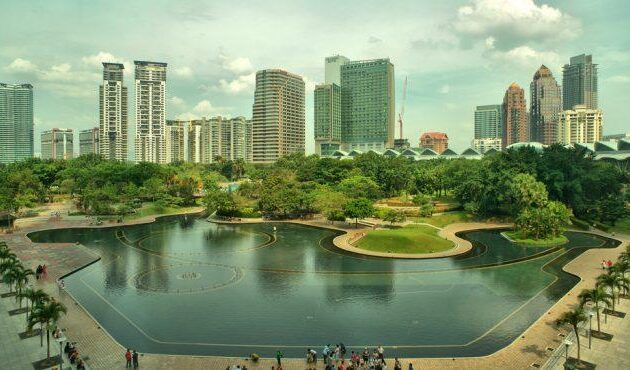
KLCC Park, Kuala Lumpur
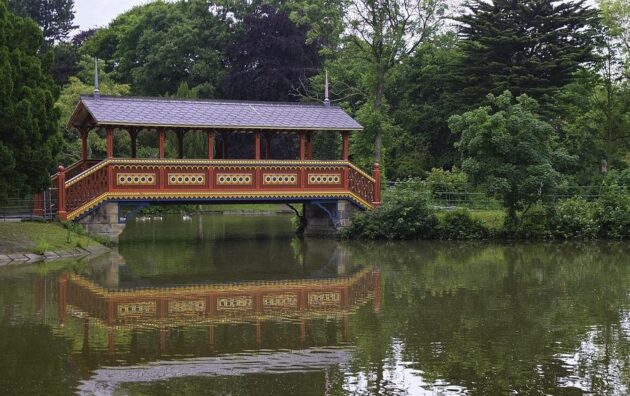
Birkenhead Park, Liverpool
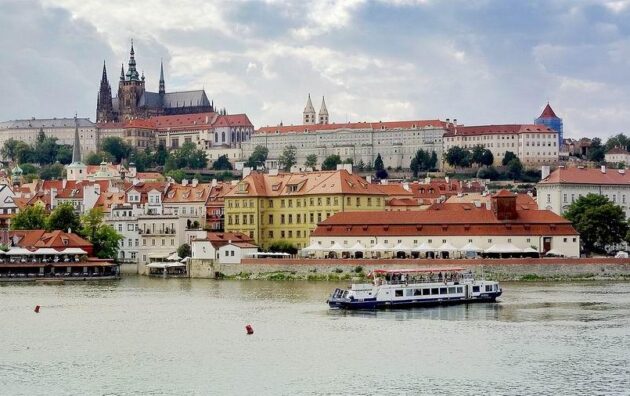
Prague Castle
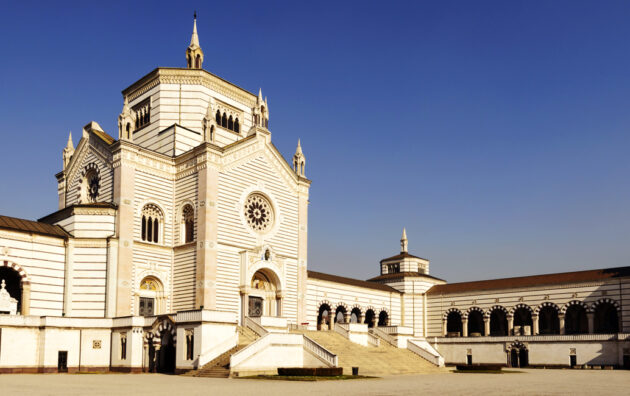
Cimitero Monumentale di Milano
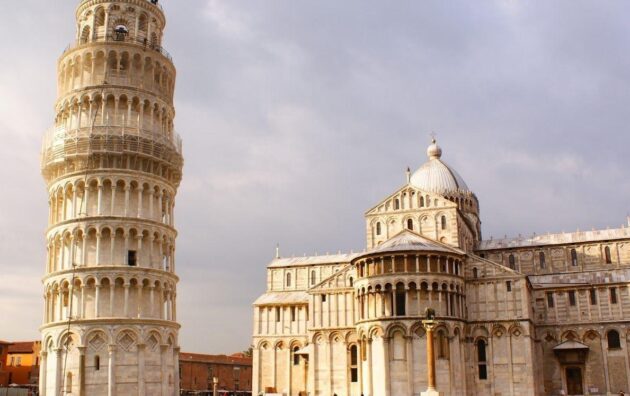
Pisa City and the Leaning Tower
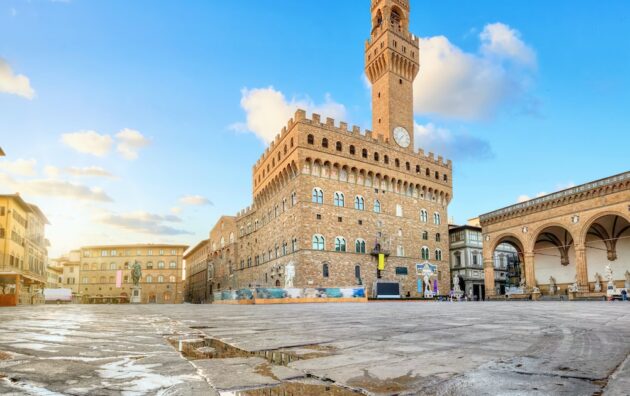
Palazzo Vecchio, Florence
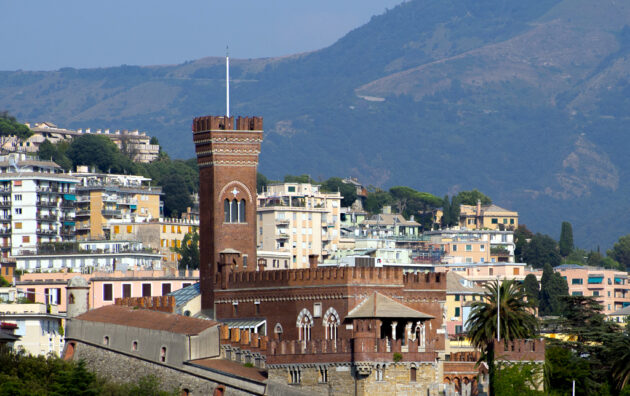
D’Albertis Castle, Genoa

White Tower of Thessaloniki
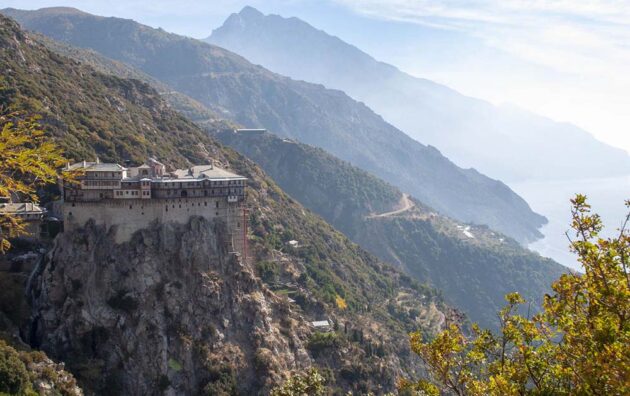
Holy Mount Athos, Greece
National Garden, Athens
Temple of Olympian Zeus in Athens
Erechtheion, Athens
Acropolis of Athens
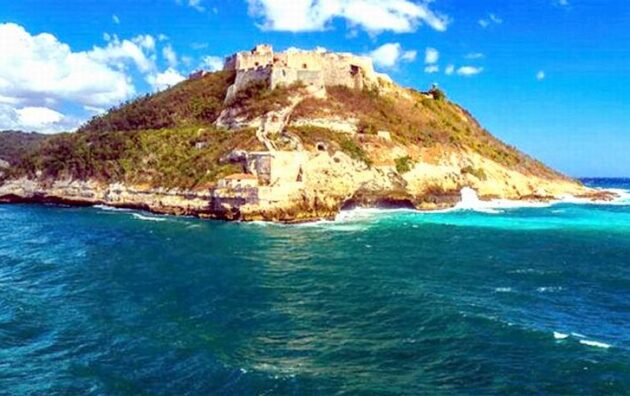
Castillo de San Pedro de la Roca
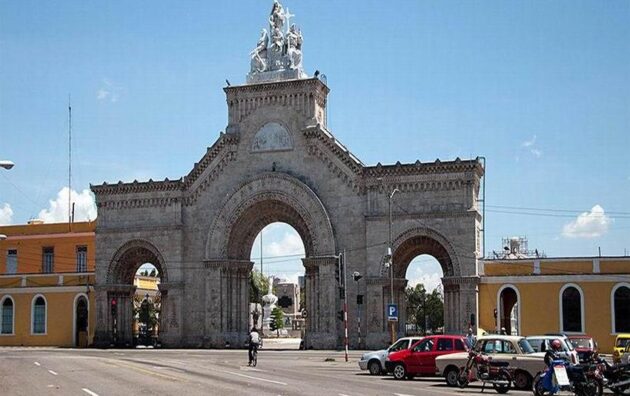
Colon Cemetery Havana