Discovering Brno
Destination Description
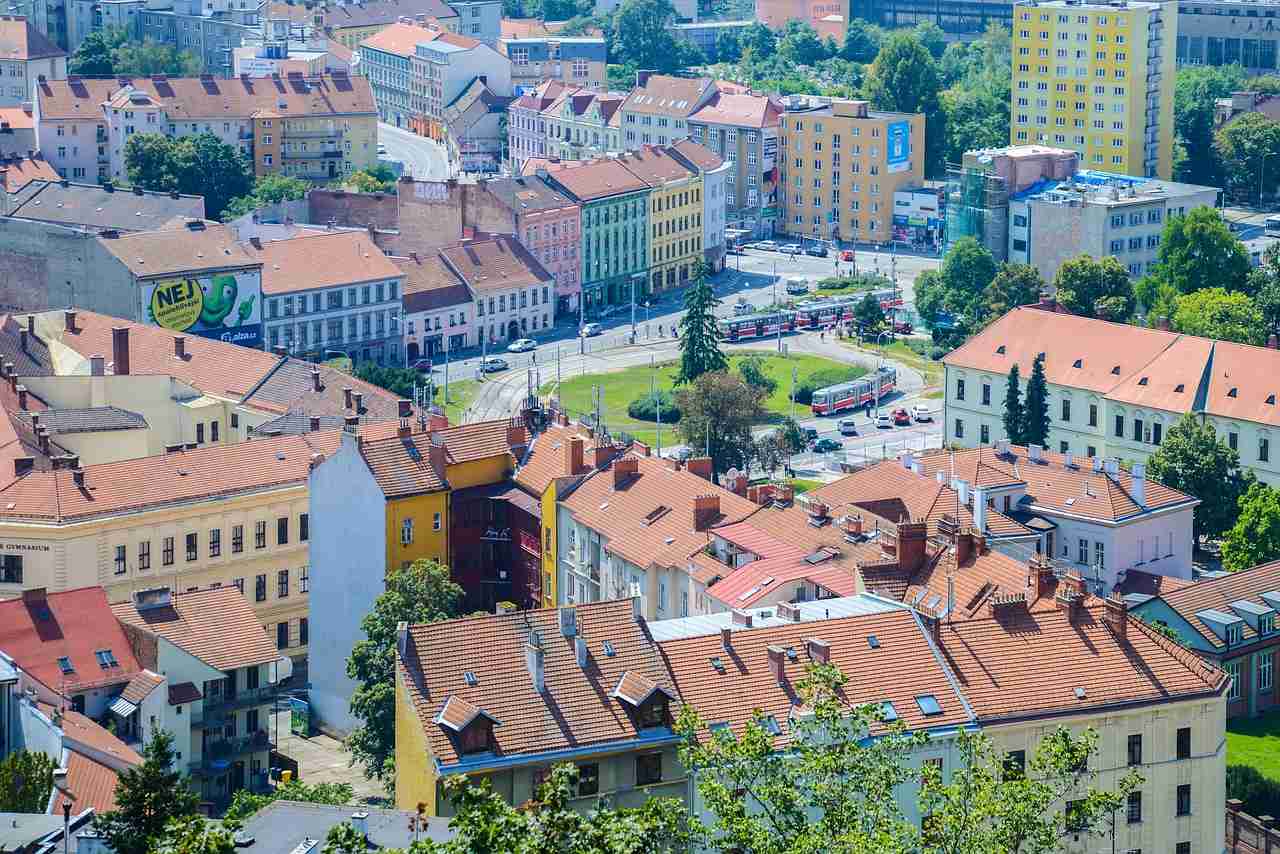
Brno, the second-largest city in the Czech Republic and the cultural heart of the Moravian region, offers a dynamic blend of history, innovation, and relaxed charm. Known for its youthful energy, modern architecture, and medieval landmarks, Brno is a destination that combines the authenticity of Czech culture with a slower, more intimate atmosphere than Prague.
A Brief History of Brno
Brno’s origins date back to the 11th century, when it was founded as a fortified settlement. By the 13th century, it had grown into a major trade and craft center. Throughout the Middle Ages, Brno played a key defensive role, surviving several sieges including the infamous Swedish invasion during the Thirty Years’ War.
In the 19th and early 20th centuries, Brno became an industrial powerhouse and a hub of modernist architecture—highlighted by the legendary Villa Tugendhat, a UNESCO World Heritage Site designed by Mies van der Rohe.
Today, Brno blends its rich historical heritage with a flourishing student population, creative industries, and a vibrant café scene.
Brno offers the perfect balance of historic charm, cultural authenticity, and modern creativity. With world-famous architecture, delicious Moravian cuisine, a relaxed atmosphere, and easy transportation, it is an ideal destination for travelers seeking a more off-the-beaten-path European experience.
Must-See & Must-Do
Food and Dining in Brno
Brno’s culinary scene is rooted in traditional Moravian flavors while embracing modern food culture.
Local dishes include Moravian sparrow (moravský vrabec), duck with red cabbage, and fried cheese (smažený sýr). Sweet specialties such as větrník and Moravian koláče are must-tries for dessert lovers.
Brno is also known for its excellent wine culture—particularly Moravian white wines, which are among the best in Central Europe.
Trendy cafés, microbreweries, and bistros fill neighborhoods such as Zelný trh, Jakubské náměstí, and Lužánky, offering both casual and fine dining options.
Accommodation Options in Brno
Luxury travelers enjoy elegant hotels such as Barceló Brno Palace and Grandezza Hotel Luxury Palace, known for comfort and central locations.
Boutique hotels and mid-range options like Hotel Europa, Hotel International, and Courtyard by Marriott deliver great value.
Budget-friendly accommodations and hostels are widely available near the main train station and universities, ideal for backpackers and solo travelers.
Climate and Best Time to Visit
Brno experiences a temperate continental climate with warm summers, cool winters, and mild transitional seasons.
-The best time to visit is spring (April–June) and autumn (September–October), when temperatures are pleasant and outdoor attractions are at their best.
-Summer offers festivals and lively nightlife, while winter brings a cozy atmosphere with charming Christmas markets in the city squares.
Transportation and Getting Around
Brno is easily accessible by train, bus, and car, with connections from major cities such as Prague, Vienna, and Bratislava.
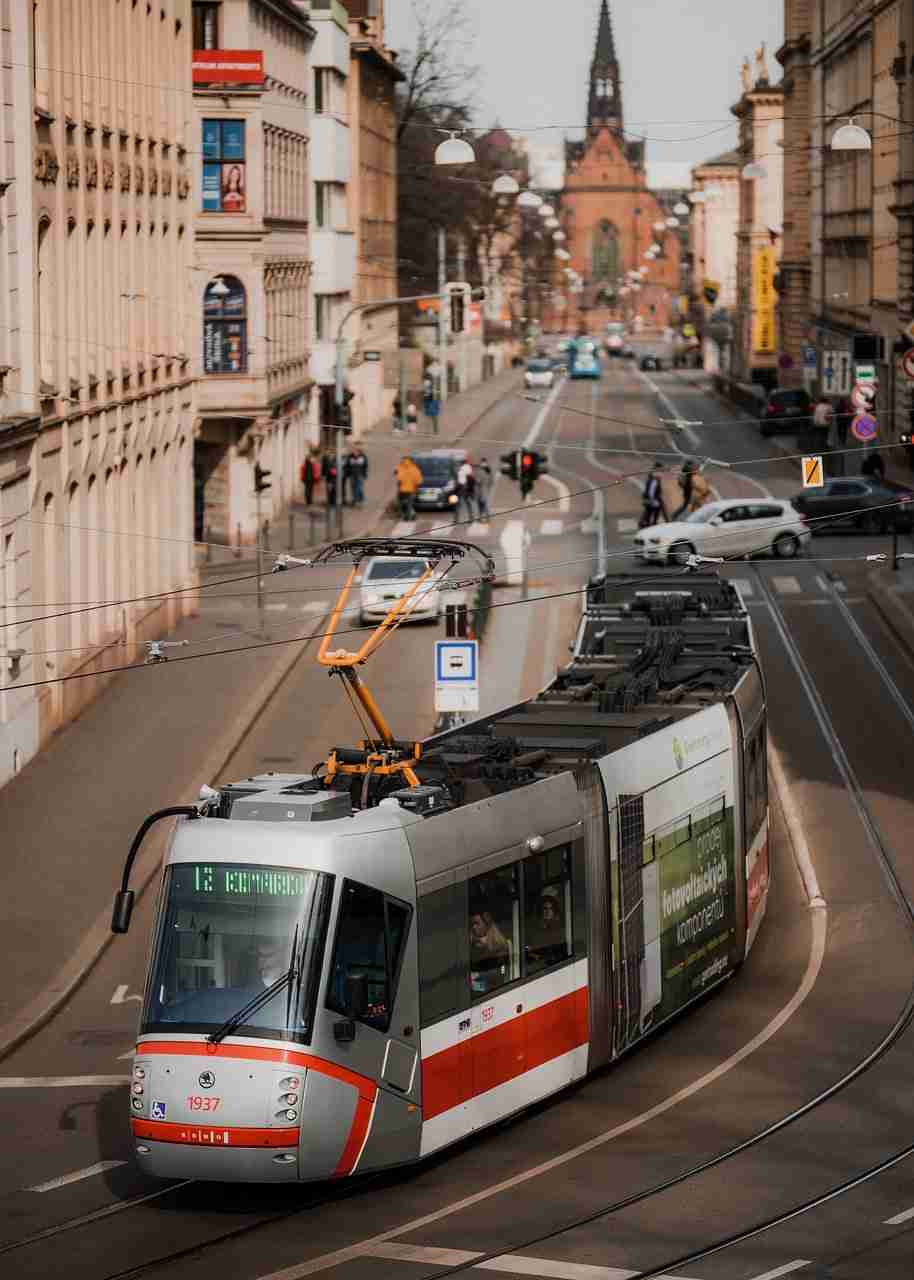
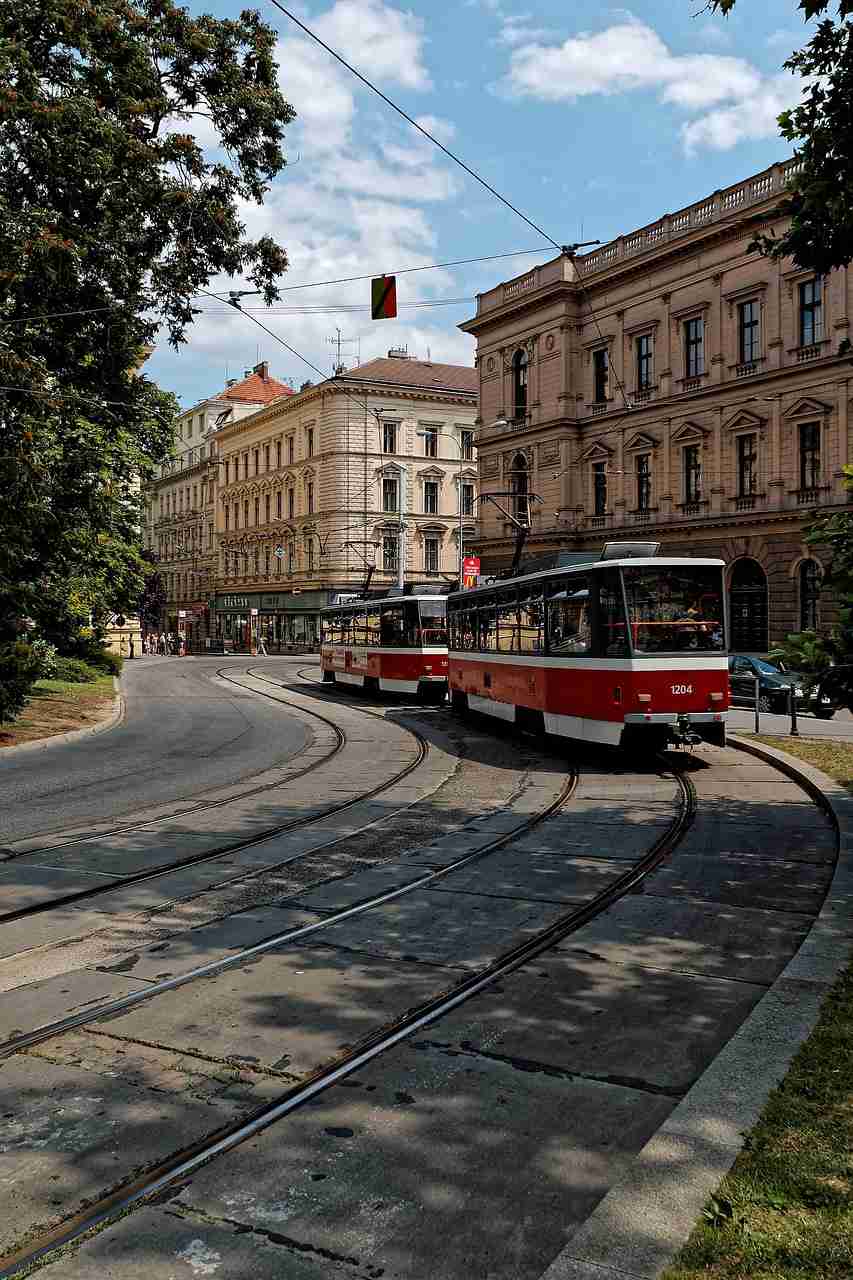
The city is served by Brno–Tuřany Airport, offering regional flights within Europe. Public transportation in Brno is efficient and well-organized, with trams, trolleybuses, and buses covering all major districts.
The compact size of the city center makes walking the ideal way to explore historical streets, parks, and local markets. Cycling paths are also increasingly popular among residents and visitors.
Top Tourist Attractions in Brno
-Špilberk Castle: A historic fortress with panoramic views of the city.
-Villa Tugendhat: A modernist masterpiece and UNESCO site.
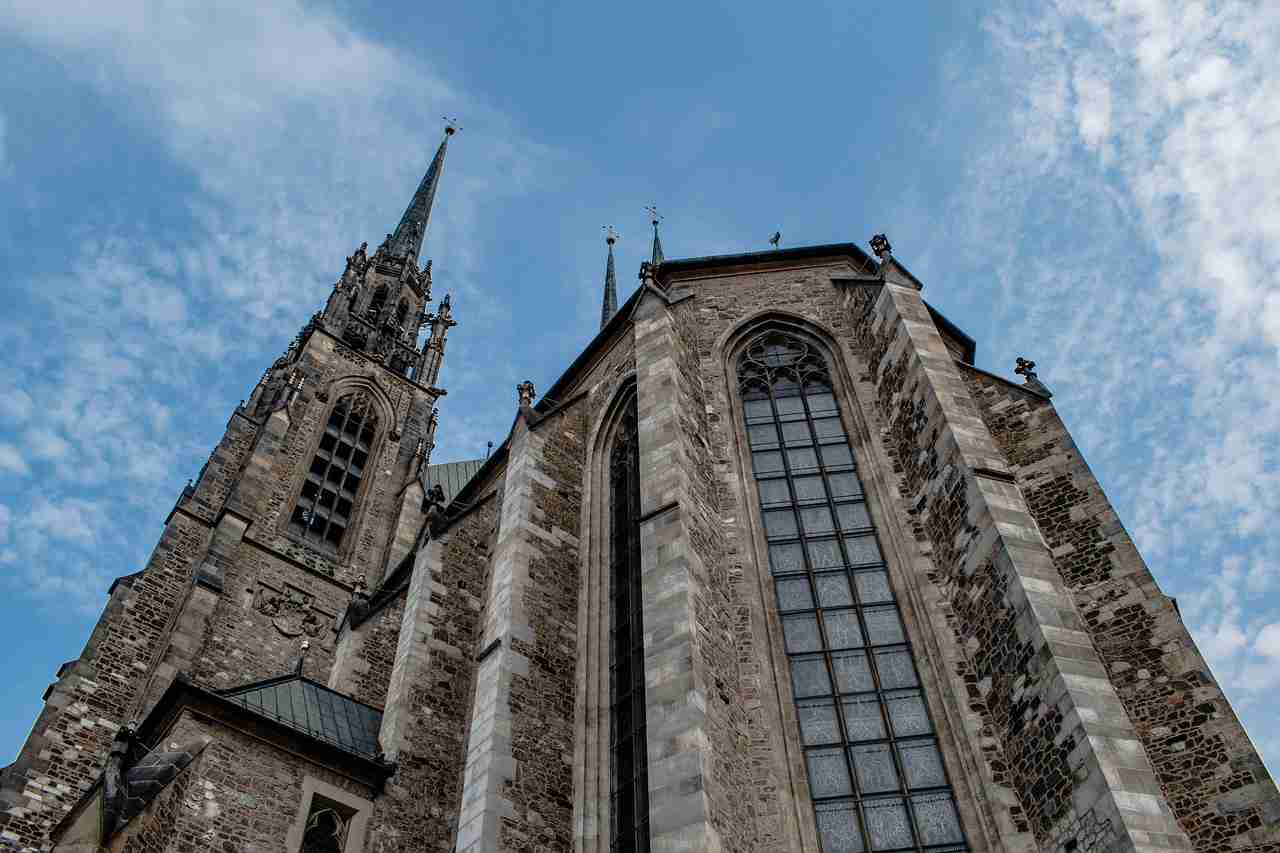
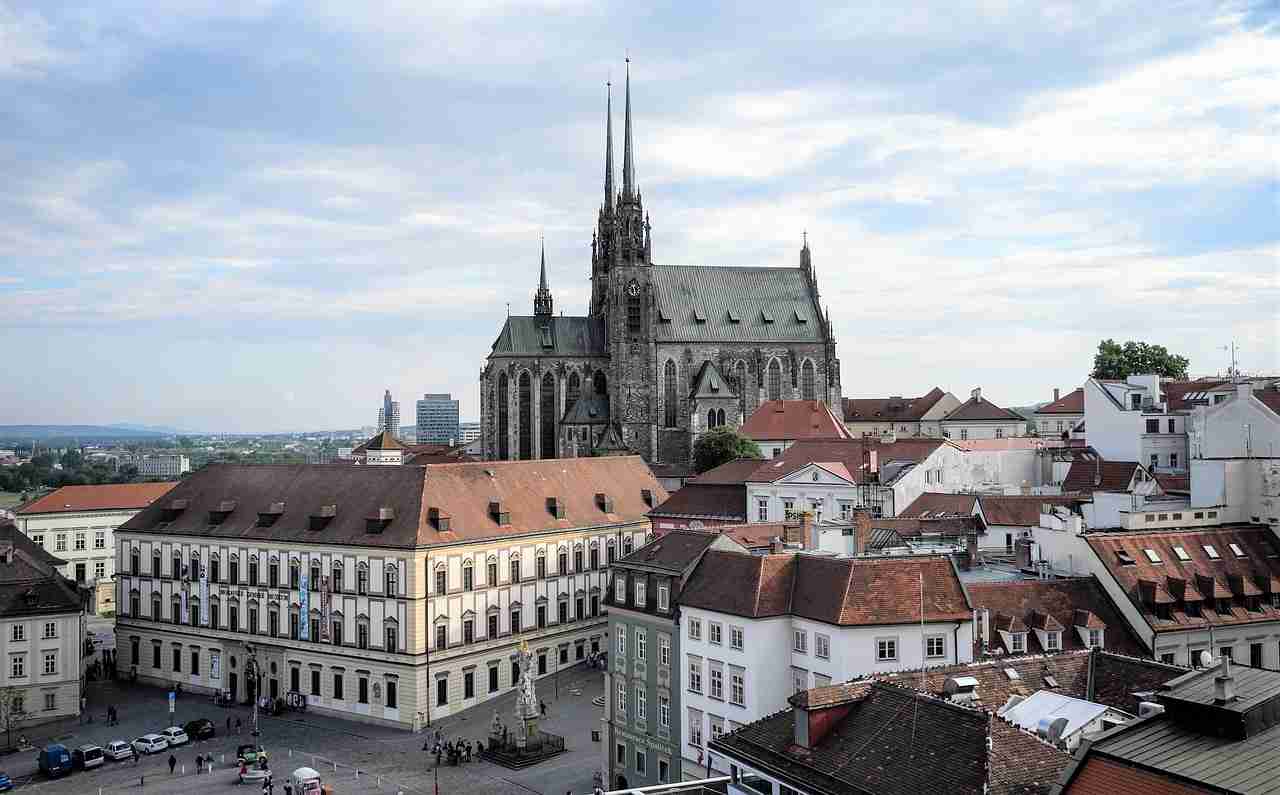
-Cathedral of St. Peter and Paul: A striking Gothic landmark dominating the skyline.
-Brno Ossuary: One of Europe’s largest underground ossuaries.
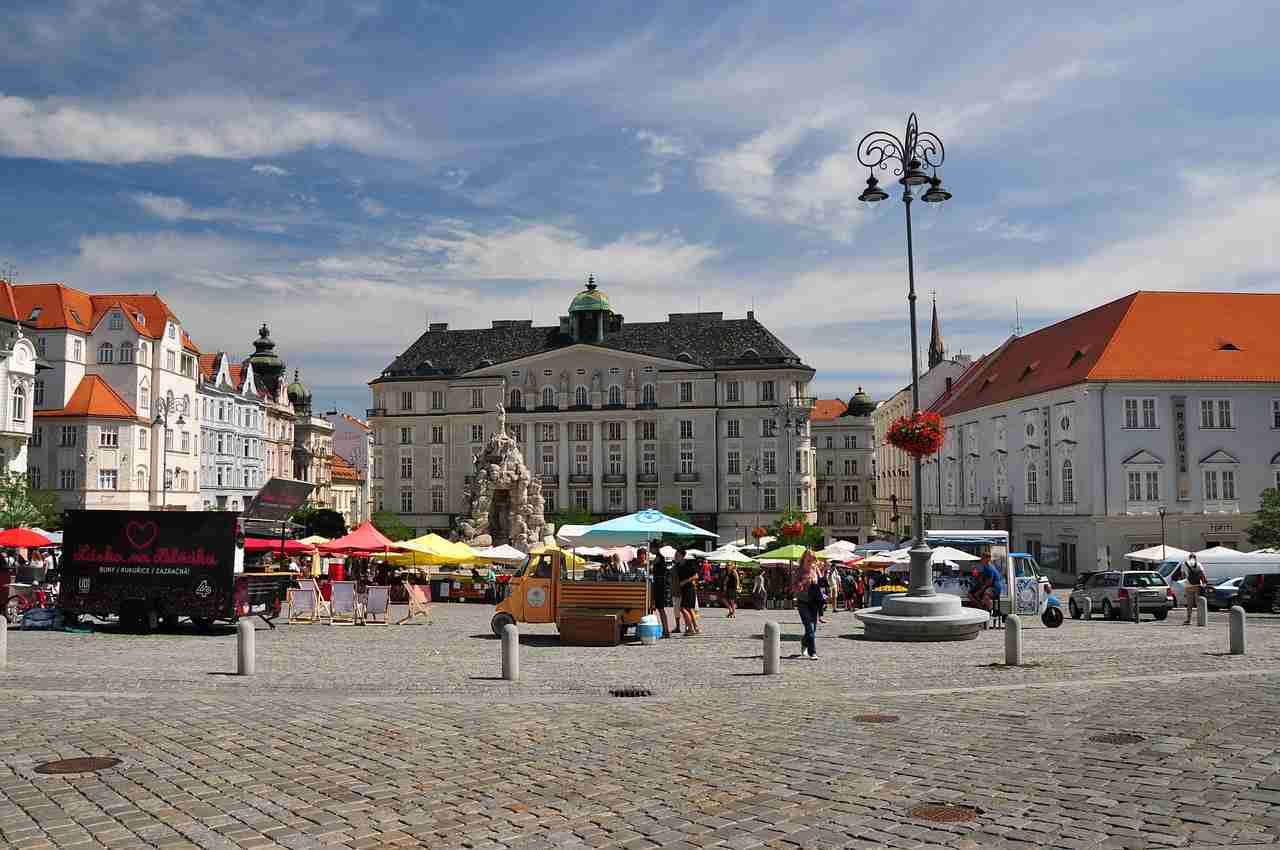
-Zelný Trh (Cabbage Market): A lively square with local produce and shops.
-Brno Underground Labyrinth: A network of historic tunnels beneath the Old Town.
-Moravian Karst: Just outside the city, featuring caves, gorges, and the famous Macocha Abyss.
Similar Listing
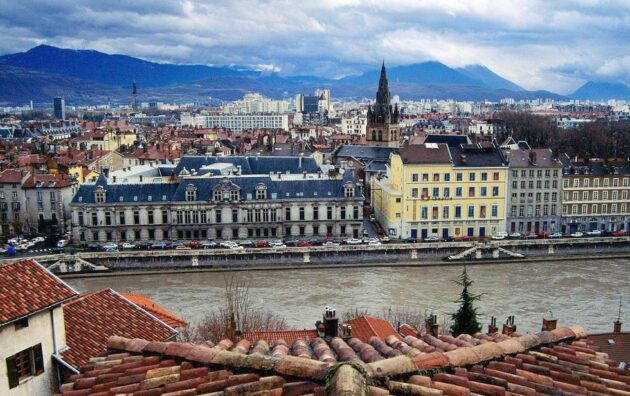
Toulouse Travel Guide
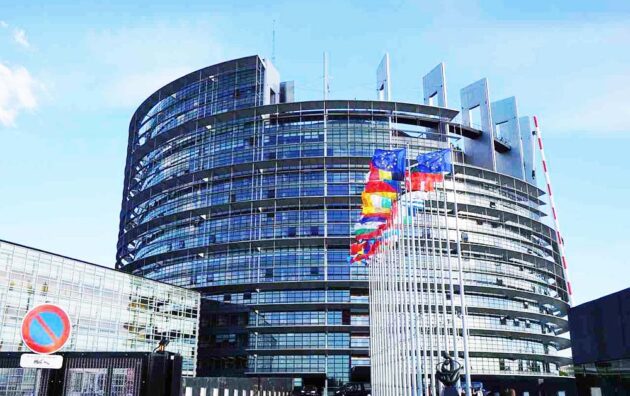
Strasbourg Travel Guide
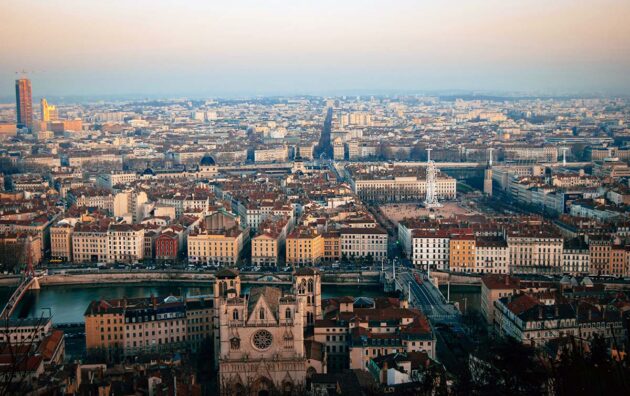
Lyon Travel Guide
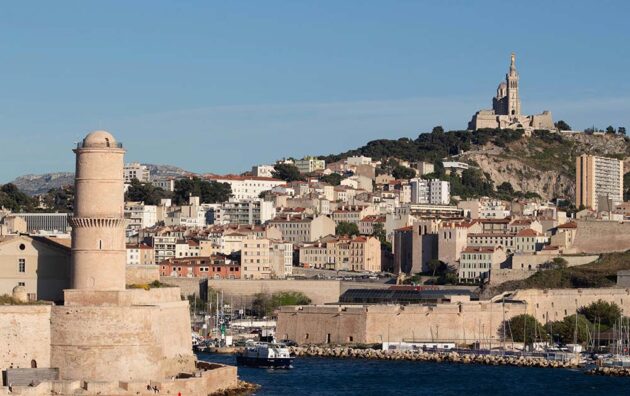
Marseille Travel Guide
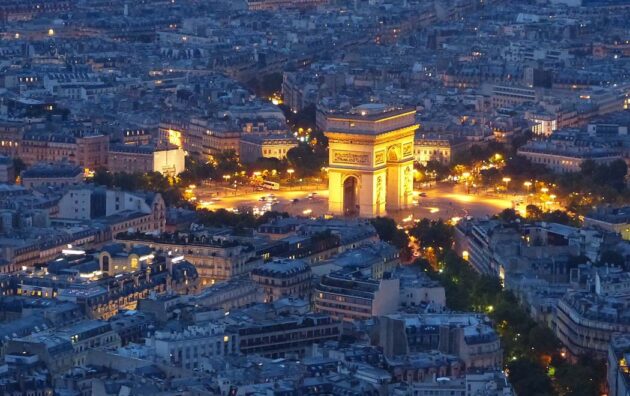
Paris Vacation Guide
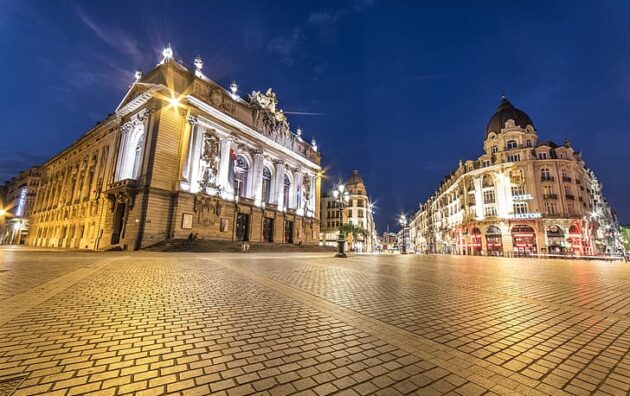
Lille Vacation Guide
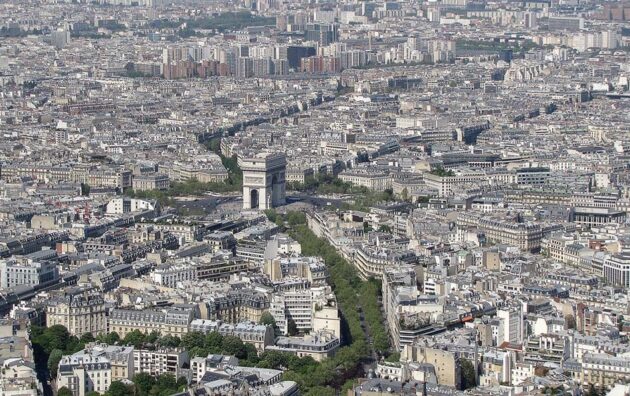
France Travel Guide
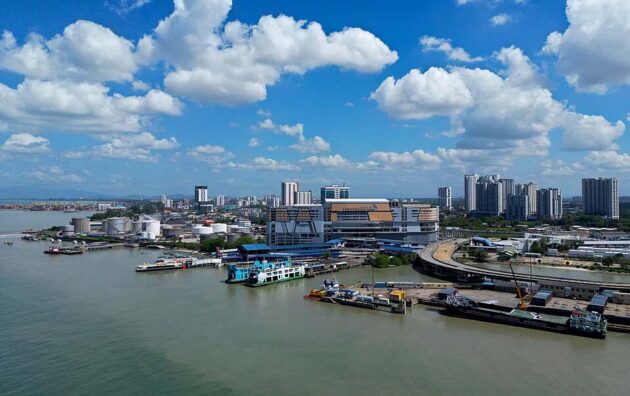
Seberang Perai Vacation Guide
Malaysia Vacation Guide
Liverpool Travel Guide
Norway Travel Guide
Santo Domingo Travel Guide
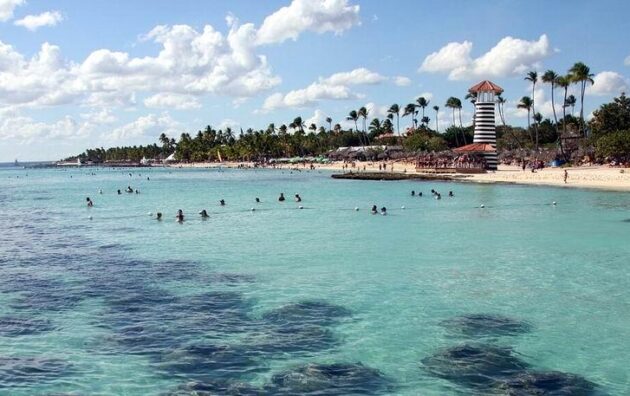
Discover the Dominican Republic
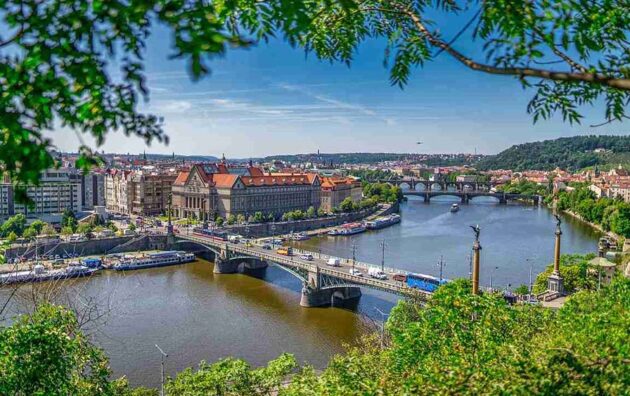
Exploring Prague
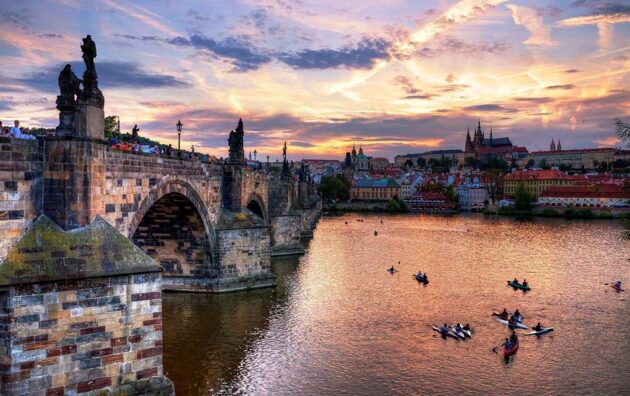
Discovering the Czech Republic
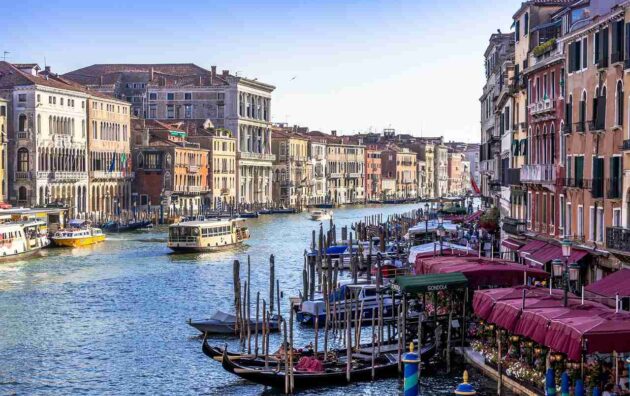
Discovering Venice
Milan Travel Guide
Florence Travel Guide