Exploring Prague
Destination Description
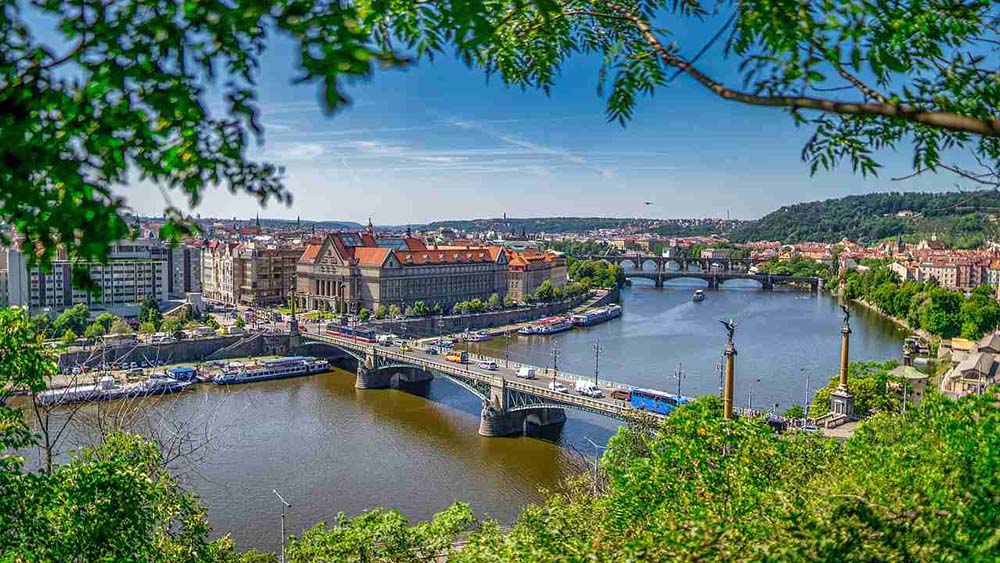
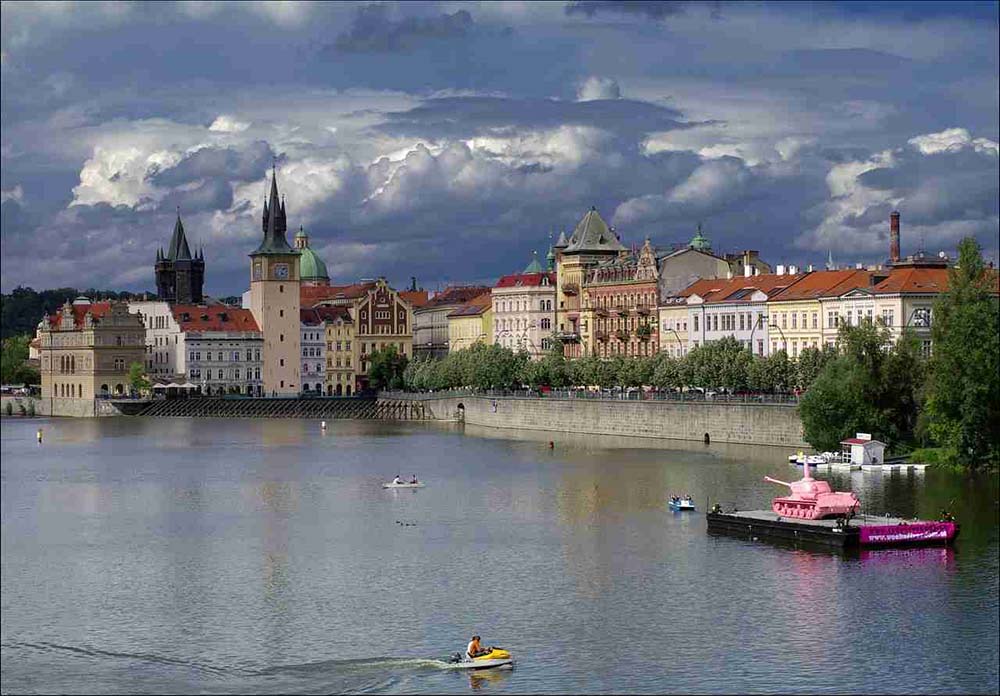
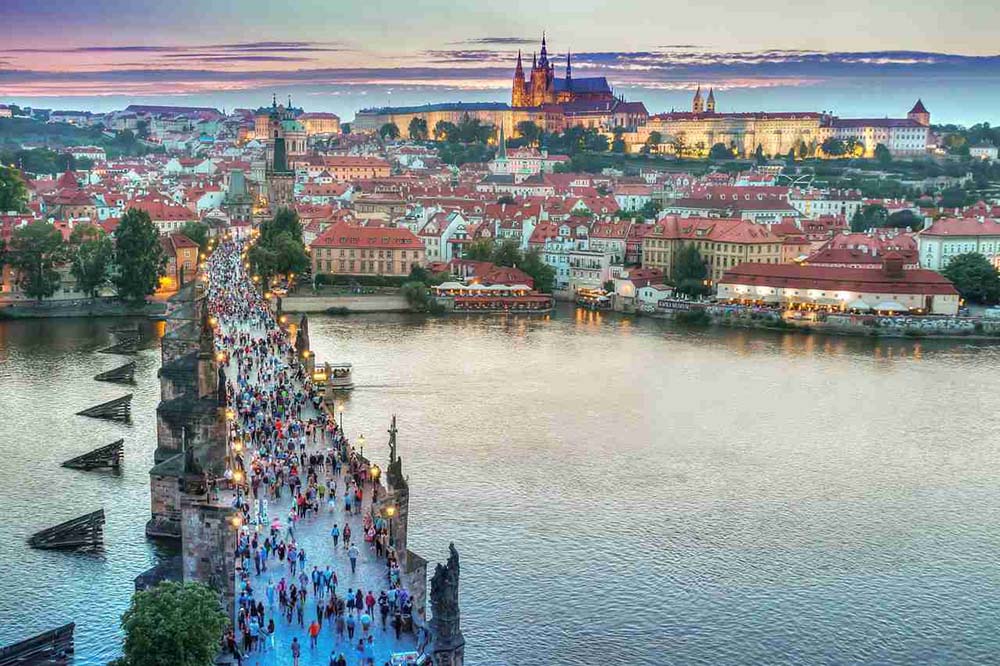
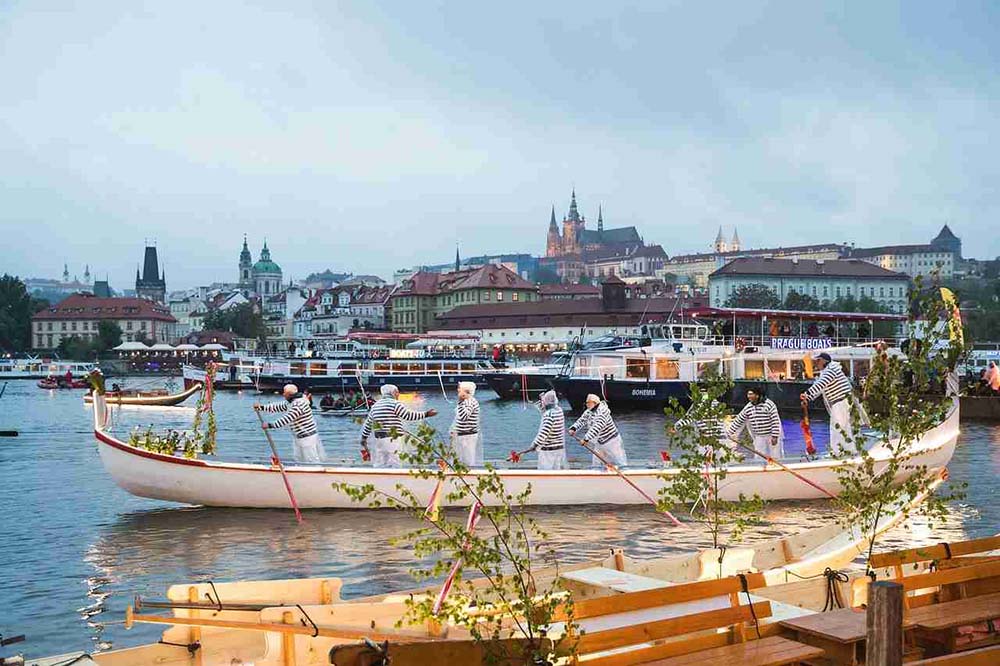
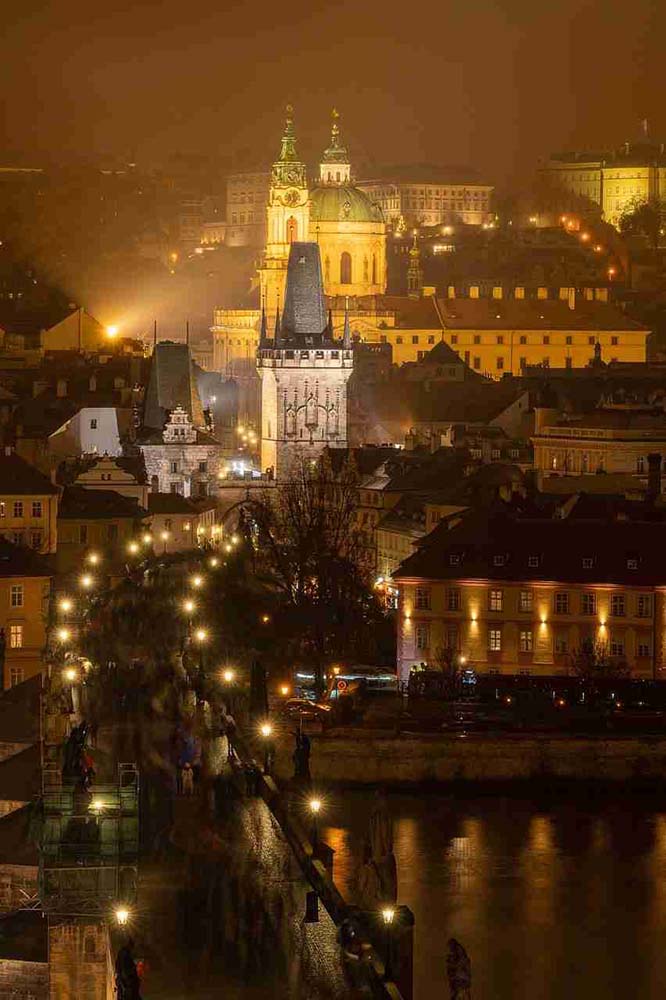
Prague, the enchanting capital of the Czech Republic, is often described as one of Europe’s most magical cities. Located along the Vltava River, Prague captivates visitors with its medieval charm, Gothic towers, Baroque palaces, and winding cobblestone streets. Known as the “City of a Hundred Spires,” it blends centuries of history with a vibrant modern culture, making it a perfect destination for travelers seeking both beauty and depth.
A Brief History of Prague
Prague’s history stretches back over a thousand years. Founded during the 9th century, it quickly became the political and cultural center of the Kingdom of Bohemia. During the Holy Roman Empire, Prague flourished under Emperor Charles IV, who established the city as an imperial capital.
The city played a major role in the Protestant Reformation, the Thirty Years’ War, and the rise of Czech nationalism. In the 20th century, it witnessed major events such as Nazi occupation, the Prague Spring, and the peaceful Velvet Revolution that ended communist rule in 1989.
Today, Prague is a UNESCO World Heritage Site, admired for its remarkably preserved architecture and rich cultural legacy.
Prague is a city where history breathes through every stone and modern life flows with creativity and charm. Its grand castles, historic bridges, world-class beer, and romantic streets make it a destination that leaves a lasting impression.
Must-See & Must-Do
Food and Dining in Prague
Prague offers a robust and hearty culinary scene shaped by Central European traditions.
Signature dishes include svíčková (beef sirloin in a creamy vegetable sauce), guláš (goulash), and vepřo knedlo zelo (roast pork with dumplings and cabbage).
Czech bakeries delight visitors with koláče (filled pastries) and trdelník, a sweet, rolled dough roasted over an open flame.
Beer lovers will find paradise here—Prague is home to world-famous Czech lagers, often served in traditional pubs called hospody. For fine dining, popular restaurants include Mlýnec, Kampa Park, and Field, offering a modern take on Czech cuisine.
Accommodation Options in Prague
For luxury stays, Four Seasons Prague, Hotel Augustine, and Aria Hotel provide exceptional comfort and iconic views of Prague Castle or the Charles Bridge.
Mid-range travelers enjoy boutique hotels in areas like Malá Strana (Lesser Town), Old Town, and Vinohrady, known for charm and walkability.
Budget-friendly options, including hostels and pension houses, are abundant in Žižkov and New Town, offering great value without sacrificing convenience.
Climate and the Best Time to Visit
Prague has a temperate continental climate, featuring warm summers and cold winters.
The best time to visit is spring (April–June) and autumn (September–October), when the weather is mild and ideal for outdoor sightseeing.
Summer offers warm temperatures and lively events but can be crowded. Winter transforms the city into a fairytale setting with festive Christmas markets, glowing lights, and charming snowy rooftops.
Transportation and How to Get Around
Visitors arrive through Václav Havel Airport, located just 17 km from the city center, with buses, shuttles, and taxis available for transfer.
Within the city, Prague’s public transport system—including metro, trams, and buses—is reliable, affordable, and efficient. The Old Town and Malá Strana are best explored on foot, allowing travelers to enjoy hidden alleys, historic squares, and scenic river views.
For longer trips across the country, trains and buses link Prague with other major cities like Brno, Plzeň, and Český Krumlov.
Top Tourist Attractions in Prague
-Prague boasts an endless array of iconic landmarks:
-Prague Castle: The largest ancient castle complex in the world.
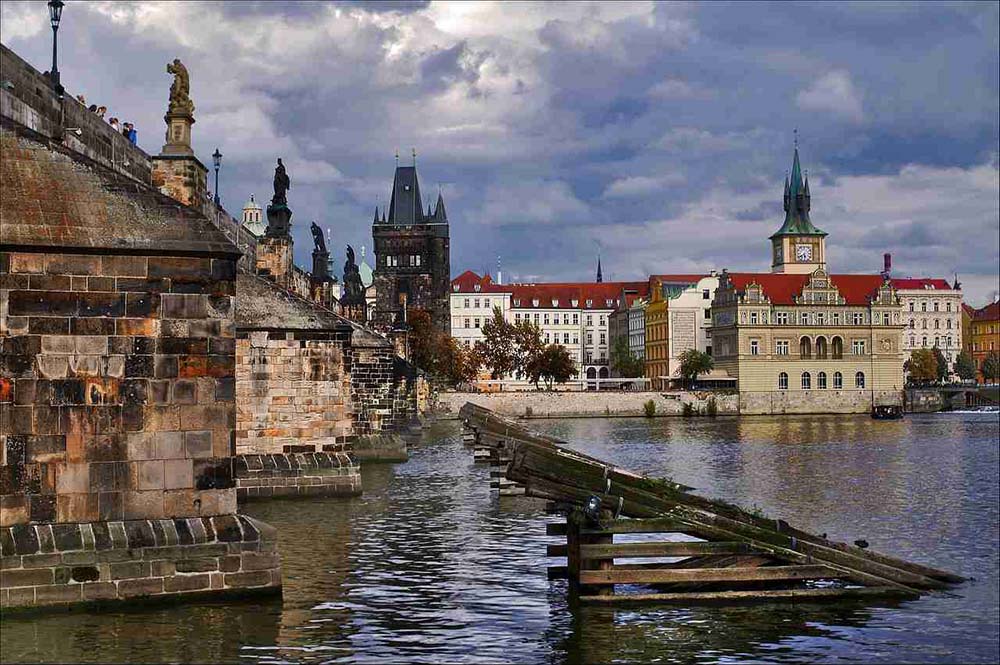
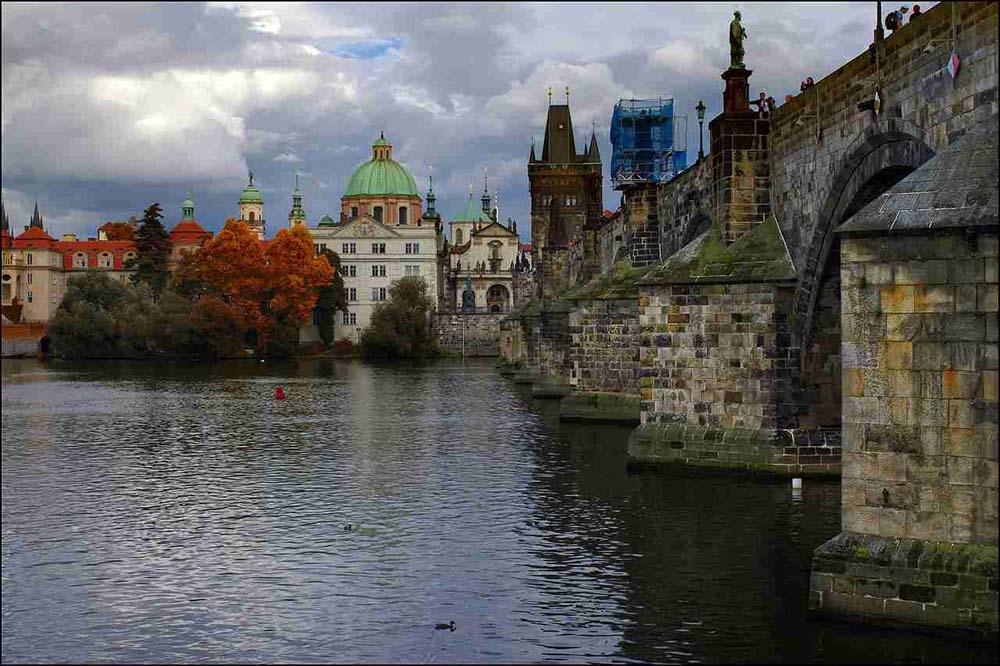
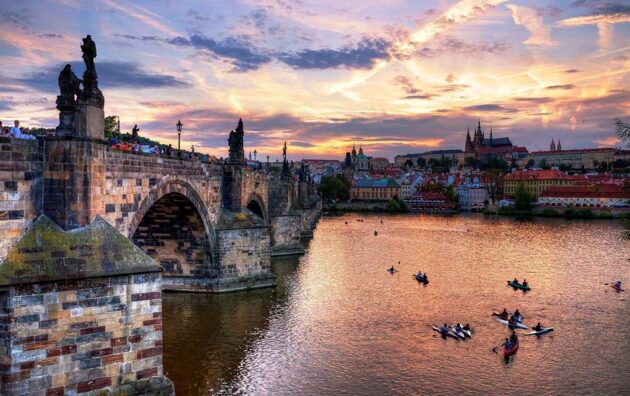
-Charles Bridge: A 14th-century stone bridge lined with historic statues.
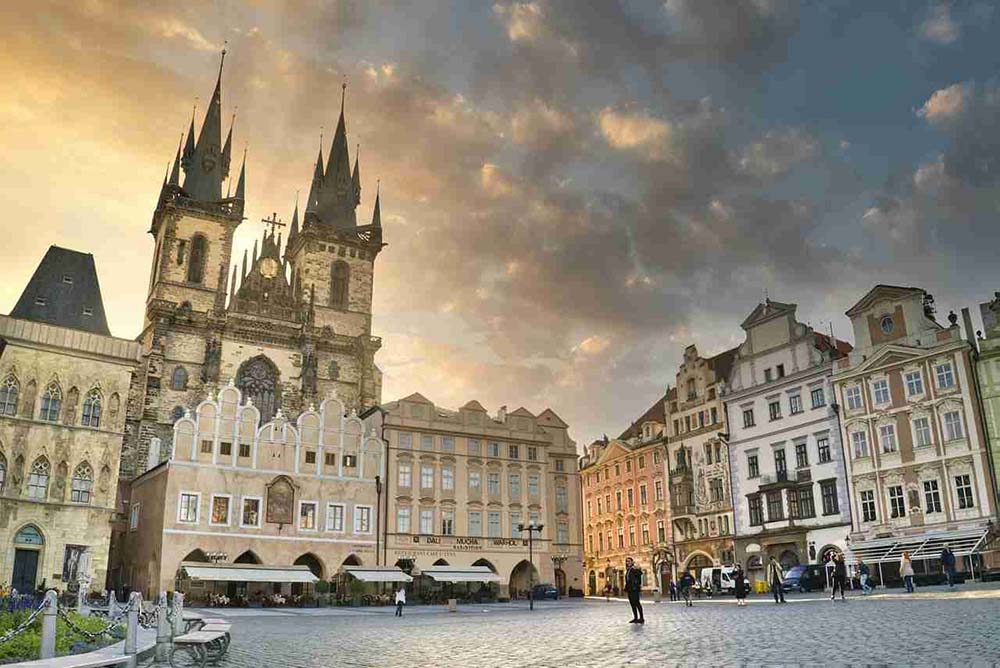
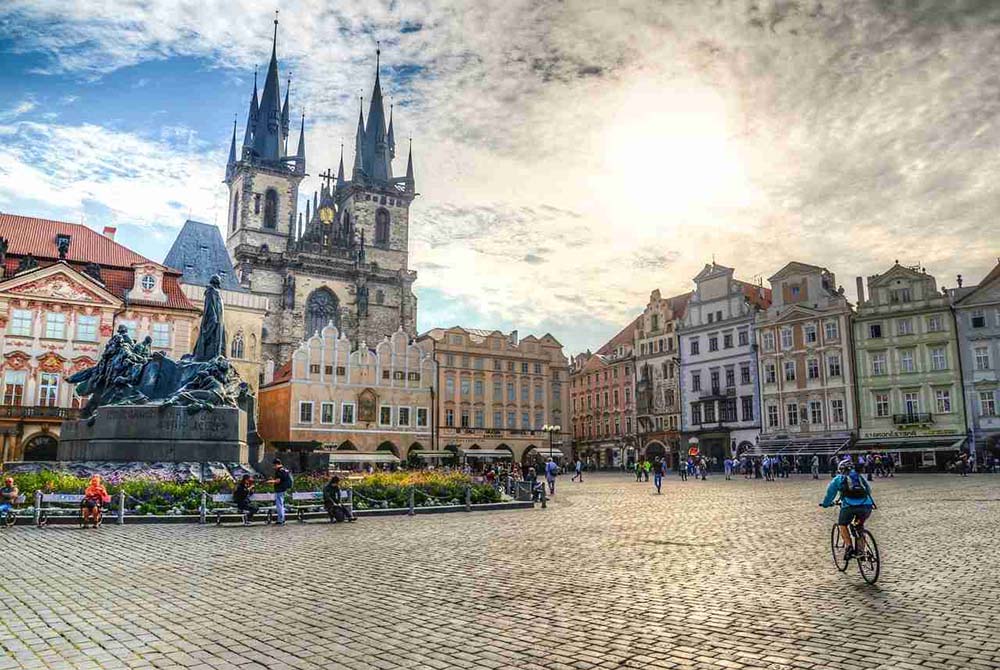
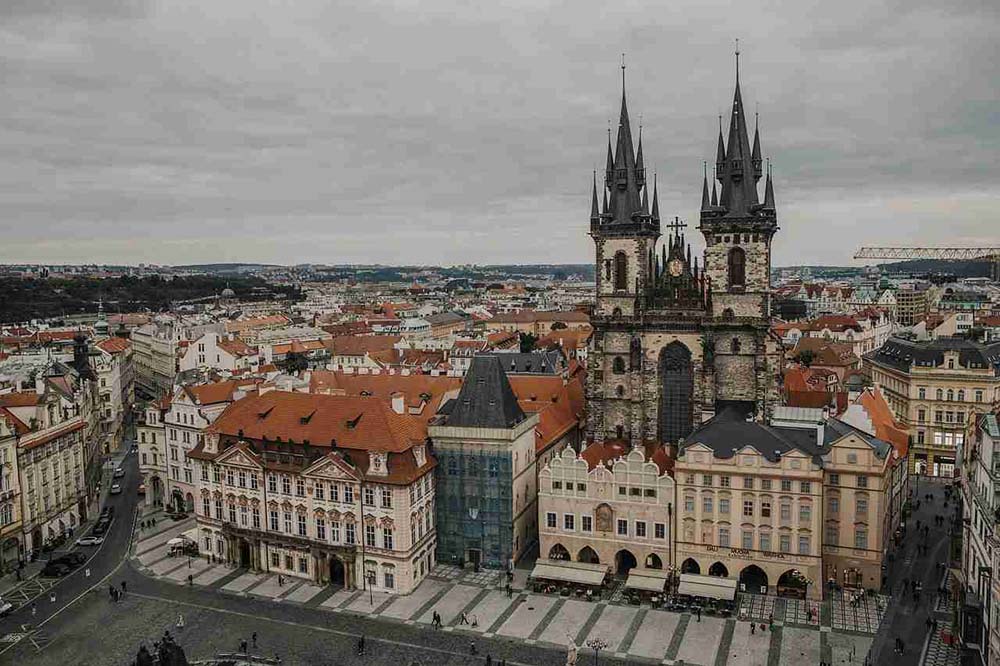
-Old Town Square: Home to the famous Astronomical Clock, Gothic churches, and lively street performances.
-St. Vitus Cathedral: A masterpiece of Gothic architecture inside the castle grounds.
Wenceslas Square: A vibrant cultural and shopping district.
Petrin Hill & Observation Tower: Offering panoramic views of the city. Explore neighborhoods like Josefov (the Jewish Quarter) and Vyšehrad, each rich with historical significance and architectural beauty.
Similar Listing
Toulouse Travel Guide
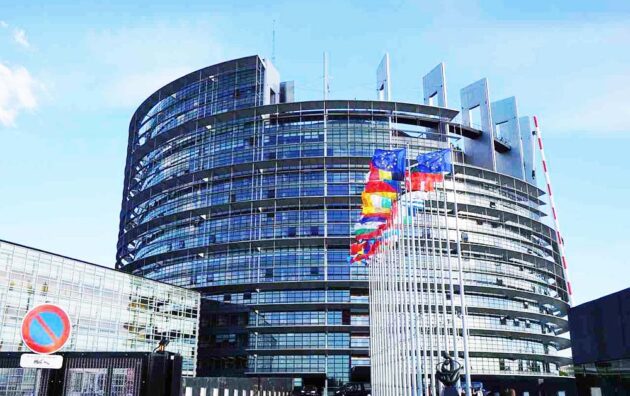
Strasbourg Travel Guide
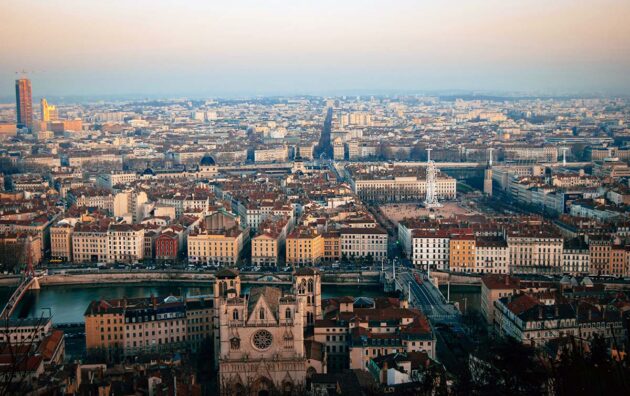
Lyon Travel Guide
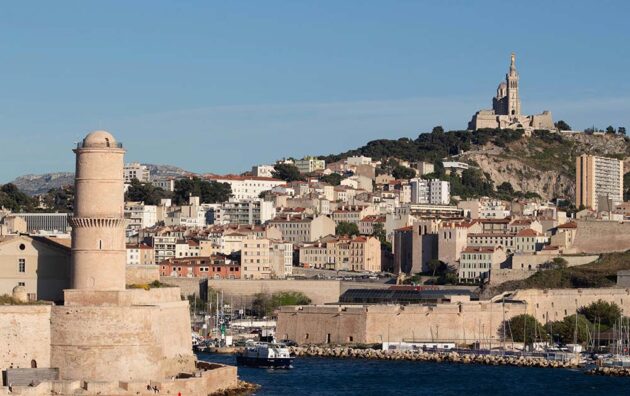
Marseille Travel Guide
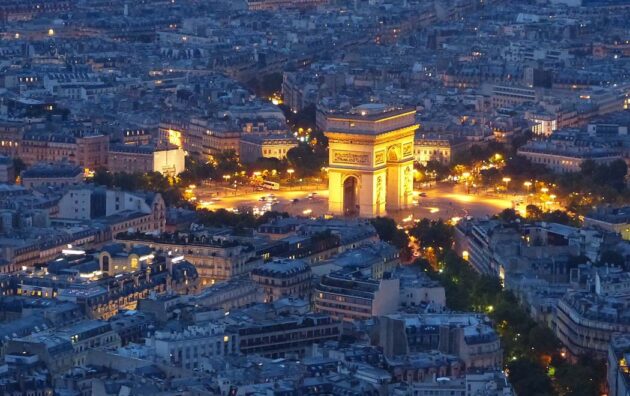
Paris Vacation Guide
Lille Vacation Guide
France Travel Guide
Seberang Perai Vacation Guide
Malaysia Vacation Guide
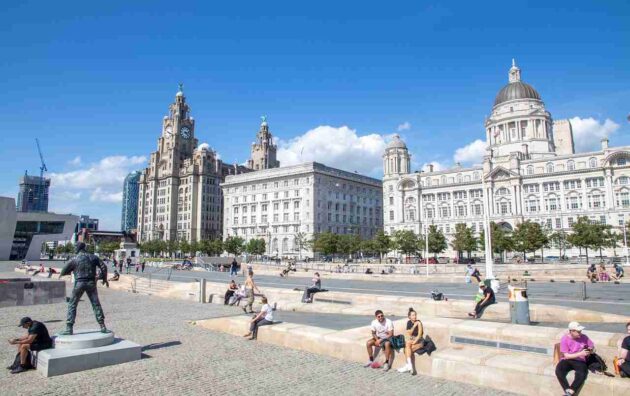
Liverpool Travel Guide
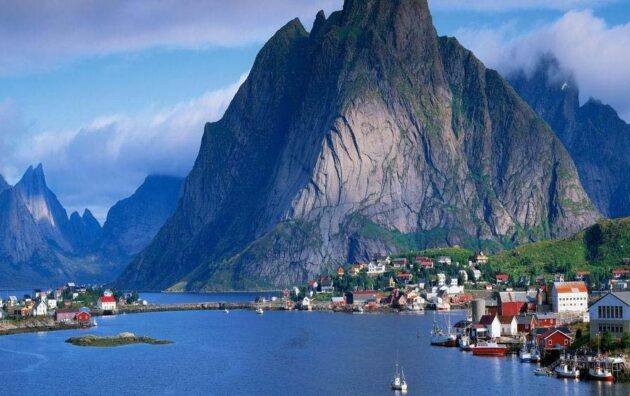
Norway Travel Guide
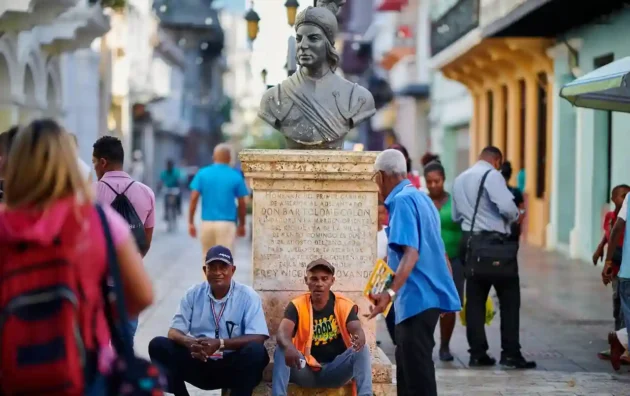
Santo Domingo Travel Guide
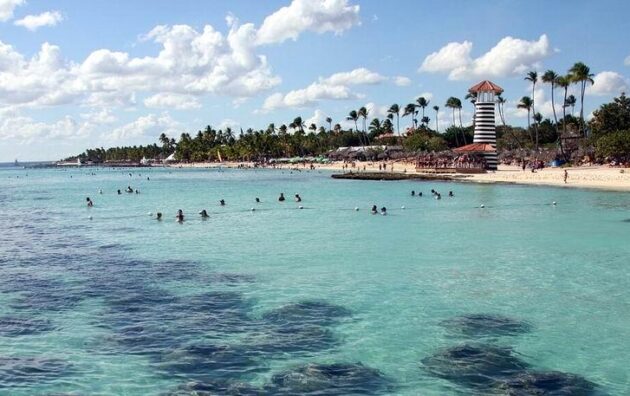
Discover the Dominican Republic
Discovering Brno
Discovering the Czech Republic
Discovering Venice
Milan Travel Guide
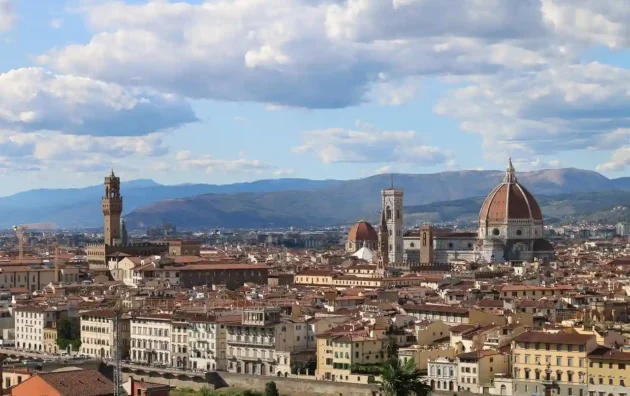
Florence Travel Guide