Seberang Perai Vacation Guide
Destination Description
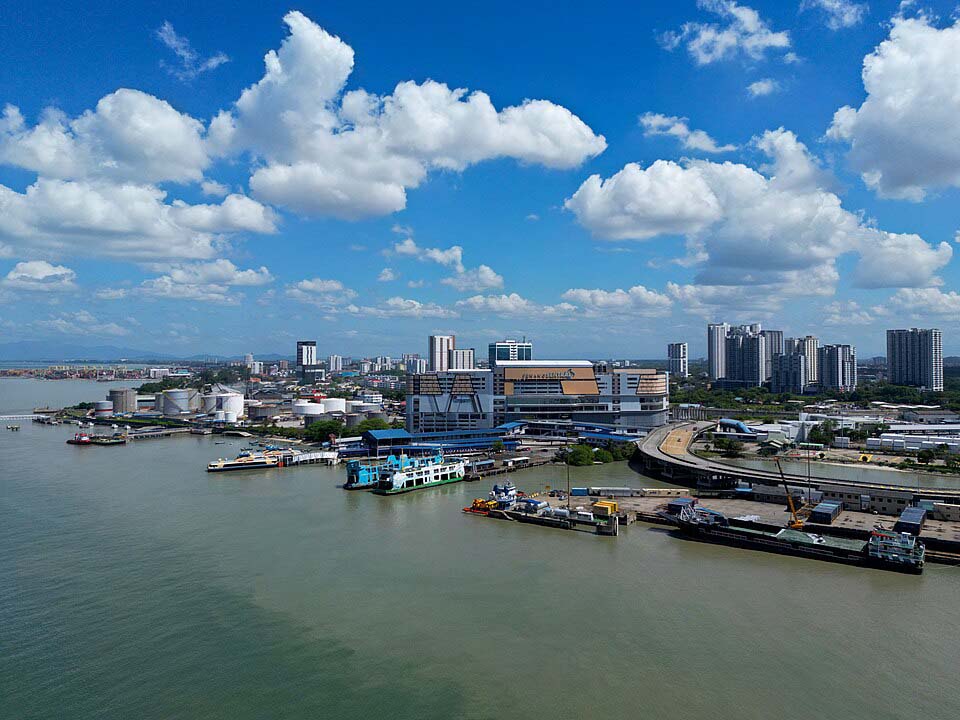
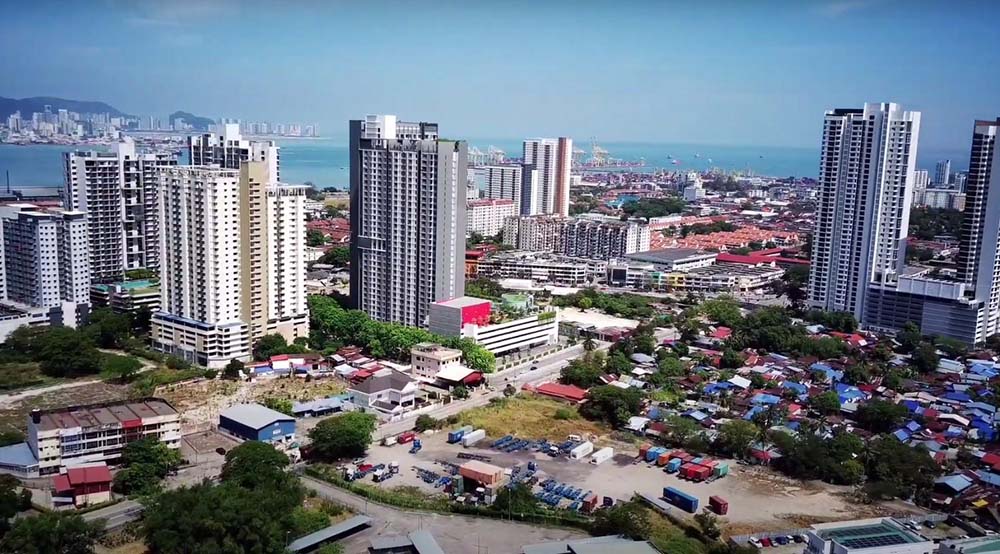
Seberang Perai is one of Malaysia’s hidden gems, located on the mainland side of Penang State. While many tourists focus mainly on Penang Island, Seberang Perai offers a more authentic and local Malaysian experience filled with cultural diversity, traditional villages, modern urban areas, riverside scenery, and delicious street food.
The region combines peaceful rural landscapes with rapidly developing cities, making it an interesting destination for travelers who want to explore beyond the typical tourist routes.
History of Seberang Perai
The history of Seberang Perai is closely connected to the development of Penang. During the 18th century, the British East India Company acquired Penang Island as an important trading port. Later, the mainland territory of Seberang Perai, formerly known as Province Wellesley, became strategically valuable for agriculture and trade.
The area developed through rice farming, fishing, coconut plantations, and trade activities. Over time, Malay, Chinese, Indian, and Siamese communities settled in the region, creating a rich multicultural identity that still exists today.
In modern times, Seberang Perai has transformed into one of Malaysia’s important industrial and economic centers while still preserving many traditional villages and cultural traditions.
Today, the city represents the balance between modernization and heritage, offering visitors both urban development and authentic local culture.
Cultural Values and Local Lifestyle
Seberang Perai reflects Malaysia’s multicultural harmony. Different ethnic groups live side by side, contributing to the region’s traditions, food, festivals, and architecture.
Community and Hospitality
Local people are known for being warm, respectful, and community-oriented. Family values and neighborly relationships remain important parts of daily life.
Traditional Village Culture
Many areas still preserve the atmosphere of traditional Malay villages known as “kampung.” Wooden houses, local farms, and riverside communities provide visitors with a peaceful and authentic cultural experience.
Religious and Cultural Diversity
Mosques, Chinese temples, Hindu shrines, and churches can all be found throughout the region, symbolizing the multicultural identity of Malaysia.
Festivals celebrated in Seberang Perai include:
Hari Raya Aidilfitri
Chinese New Year
Deepavali
These celebrations bring colorful decorations, traditional foods, and cultural performances to the streets.
Must-See & Must-Do
Climate and Best Time to Visit
Seberang Perai has a tropical climate with warm temperatures throughout the year. Temperatures usually range from 24°C to 32°C (75°F–90°F), with high humidity and occasional rain showers.
The best months to visit are generally between December and March when rainfall is slightly lower and outdoor activities become more comfortable.
Travelers should wear light clothing, stay hydrated, and carry an umbrella because tropical rain can arrive unexpectedly.
Transportation
Seberang Perai is well connected to Penang Island and other parts of Malaysia.
-By Road
The region is accessible through major highways and the famous Penang Bridge, which connects the mainland to Penang Island.
-Public Transportation
Local buses and ride-hailing services such as Grab are commonly used for transportation. Driving is also convenient for travelers who want to explore smaller towns and countryside areas.
-Railway Access
Butterworth Railway Station serves as an important transportation hub connecting northern Malaysia and Thailand.
-Ferry Services
The Butterworth ferry terminal offers scenic ferry rides between the mainland and George Town on Penang Island.
Accommodation
Seberang Perai offers a wide range of accommodation options suitable for different travel styles and budgets.
-Luxury and Business Hotels
Modern hotels in Butterworth and Bukit Mertajam provide comfortable facilities for business and leisure travelers.
-Mid-Range Hotels
Family-friendly hotels and boutique accommodations are available near shopping centers and transportation hubs.
-Budget Stays
Guesthouses and local homestays allow visitors to experience authentic Malaysian hospitality at affordable prices.
Travelers looking for a quieter environment often prefer staying in Seberang Perai rather than the busier areas of Penang Island.
Food and Dining
Food culture in Seberang Perai is deeply influenced by Malay, Chinese, and Indian traditions. Local eateries, night markets, and roadside restaurants serve some of the region’s most authentic flavors.
-Popular dishes include:
Nasi Kandar — rice served with various curries and side dishes.
Char Kway Teow — smoky stir-fried noodles.
Laksa — spicy noodle soup with rich flavors.
Satay — grilled meat skewers with peanut sauce.
Roti Canai — crispy flatbread served with curry.
Night markets are especially popular in the evenings, offering fresh seafood, tropical fruits, desserts, and traditional Malaysian snacks.
Top Tourist Attractions
-Penang Bird Park
Penang Bird Park is one of Malaysia’s famous bird parks featuring colorful tropical bird species and family-friendly activities.
-Bukit Mertajam Recreational Forest
Bukit Mertajam Recreational Forest offers hiking trails, waterfalls, fresh air, and beautiful rainforest scenery.
-Tow Boo Kong Temple
Tow Boo Kong Temple is known for its impressive Chinese architecture and peaceful spiritual atmosphere.
-Butterworth Art Walk
Butterworth Art Walk showcases colorful street art and local creative culture.
-Penang Bridge
The iconic Penang Bridge provides spectacular sea views, especially during sunrise and sunset.
-Mengkuang Dam
Mengkuang Dam is a peaceful destination for cycling, jogging, and relaxing in nature.
Shopping Experience
Seberang Perai offers a mix of modern shopping malls and traditional local markets. Visitors can buy clothing, electronics, local snacks, handicrafts, and souvenirs at affordable prices.
Night markets are excellent places to explore local culture while tasting authentic street food.
Safety and Travel Tips
Seberang Perai is generally considered safe and comfortable for travelers. The atmosphere is calmer and less crowded compared to larger tourist cities.
English is commonly understood in many areas, although Malay, Mandarin, and Tamil are also widely spoken.
Visitors should respect local customs, especially when visiting religious sites or traditional villages.
Similar Listing
Toulouse Travel Guide
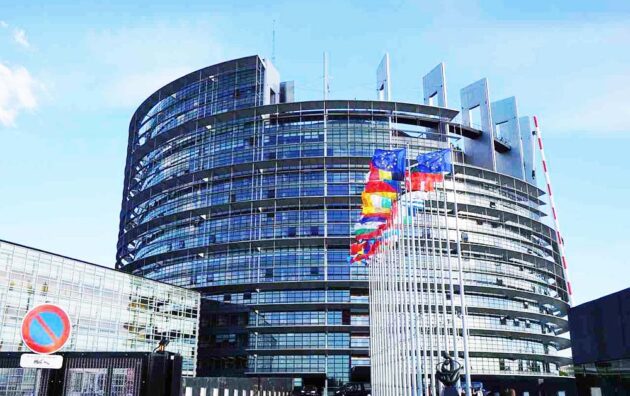
Strasbourg Travel Guide
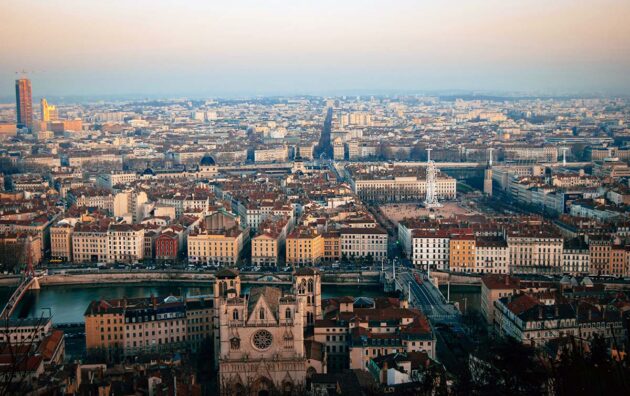
Lyon Travel Guide
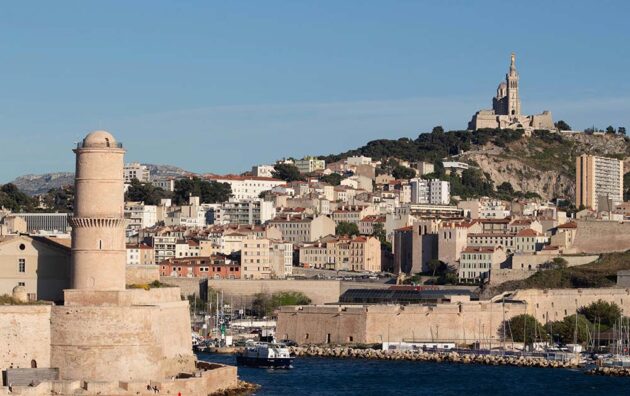
Marseille Travel Guide

Paris Vacation Guide
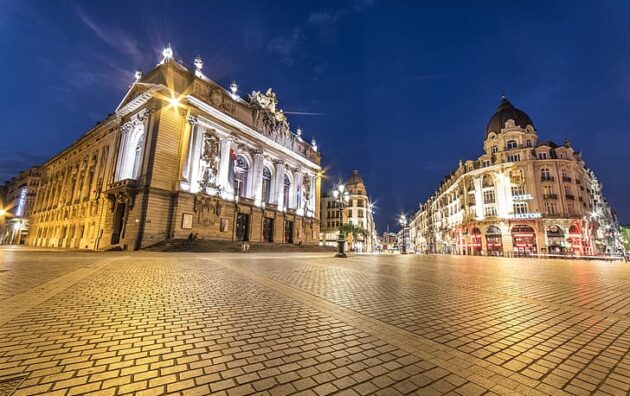
Lille Vacation Guide
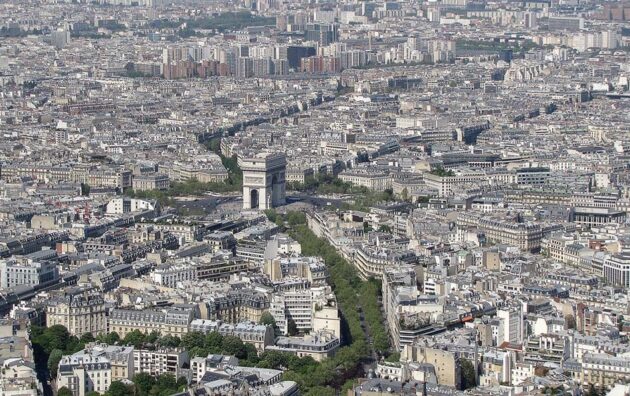
France Travel Guide
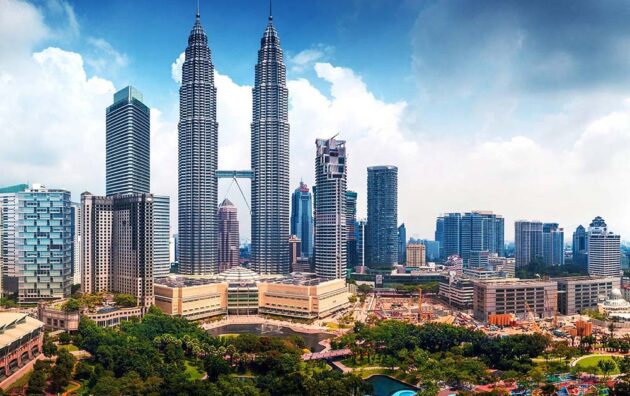
Malaysia Vacation Guide
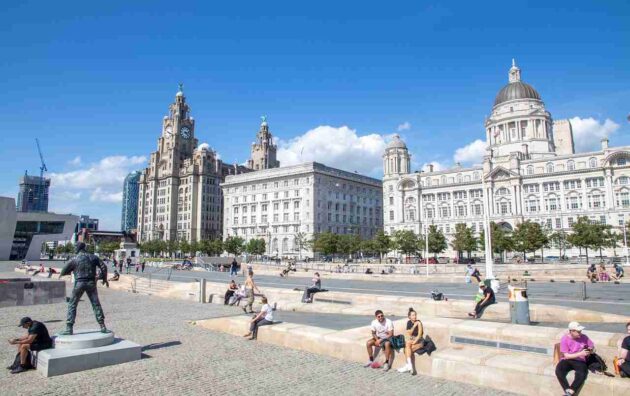
Liverpool Travel Guide
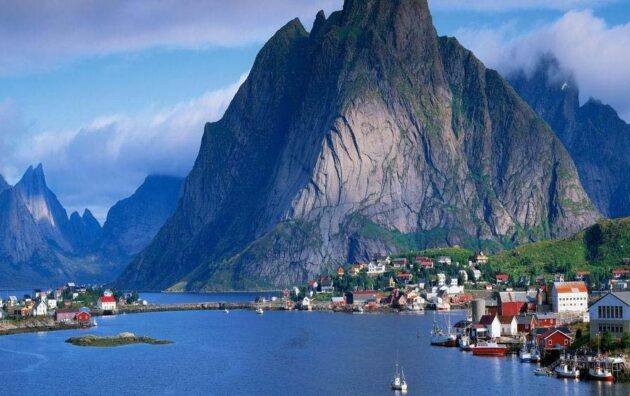
Norway Travel Guide

Santo Domingo Travel Guide
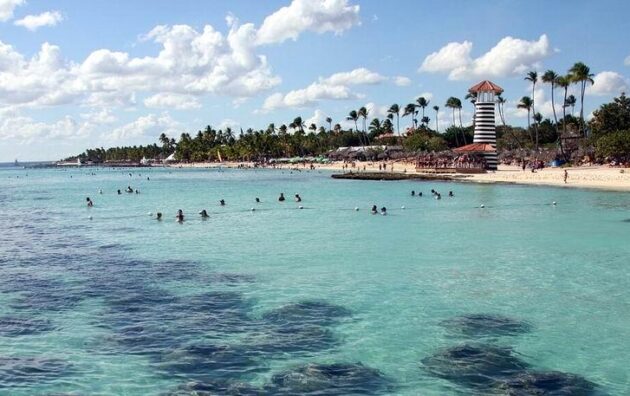
Discover the Dominican Republic
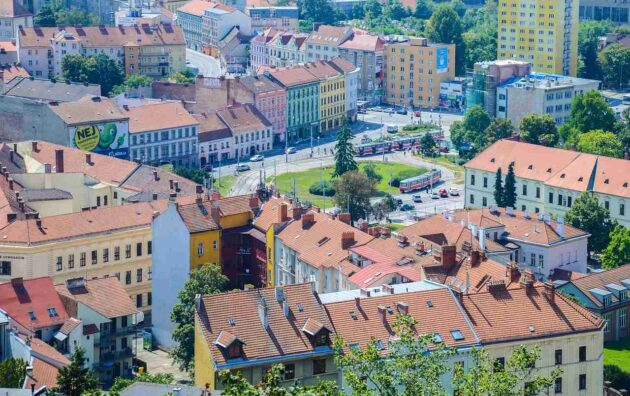
Discovering Brno
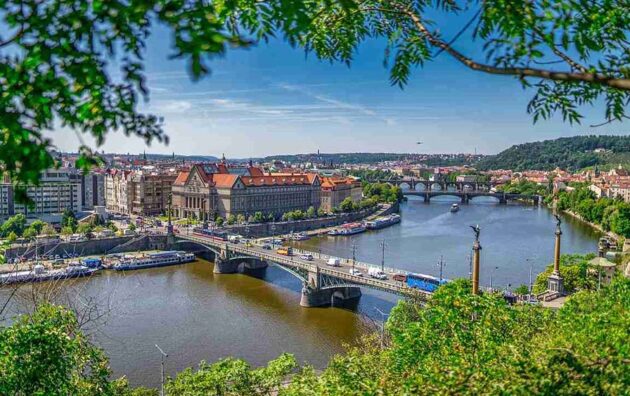
Exploring Prague

Discovering the Czech Republic
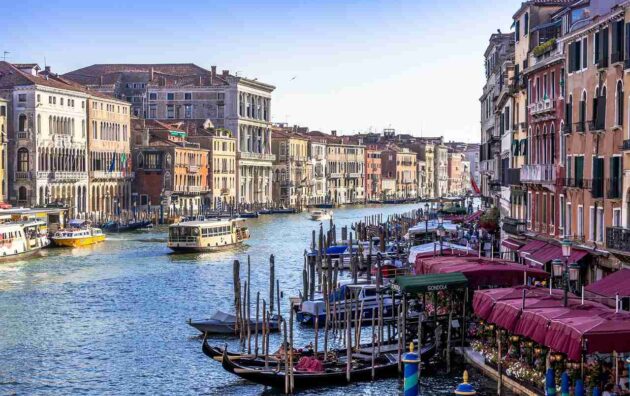
Discovering Venice
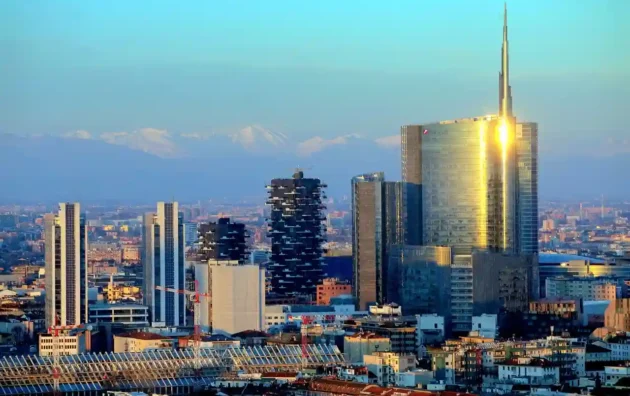
Milan Travel Guide

Florence Travel Guide