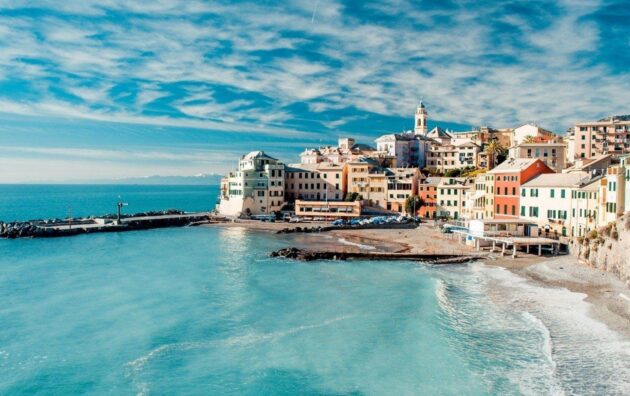
Liverpool Travel Guide
Destination Description
Liverpool is one of the most characterful cities in Northwest England, located along the eastern side of the River Mersey. Known worldwide as the birthplace of The Beatles and home to one of Europe’s greatest football legacies, Liverpool offers much more than music and sport. It is a city shaped by maritime history, bold architecture, creative energy, and a strong sense of identity.
Compact yet dynamic, Liverpool is easy to explore and full of surprises, from historic docks and grand cathedrals to lively neighborhoods and modern cultural venues.
A Brief History of Liverpool
Liverpool was officially founded in 1207, but it rose to prominence during the 18th and 19th centuries as one of the world’s most important ports. The city became a major center of global trade and played a significant role in transatlantic shipping.
During the Industrial Revolution, Liverpool flourished economically, and its skyline expanded with impressive civic and commercial buildings. However, like many industrial cities, it experienced decline in the 20th century before undergoing major regeneration in recent decades.
In 2008, Liverpool was named European Capital of Culture, marking a turning point in its modern cultural revival. Today, the city blends its maritime heritage with a forward-looking creative spirit.
Architecture and Landmarks
Liverpool’s architecture tells the story of its global influence and economic power. The city center features a mix of neoclassical grandeur and bold modern design.
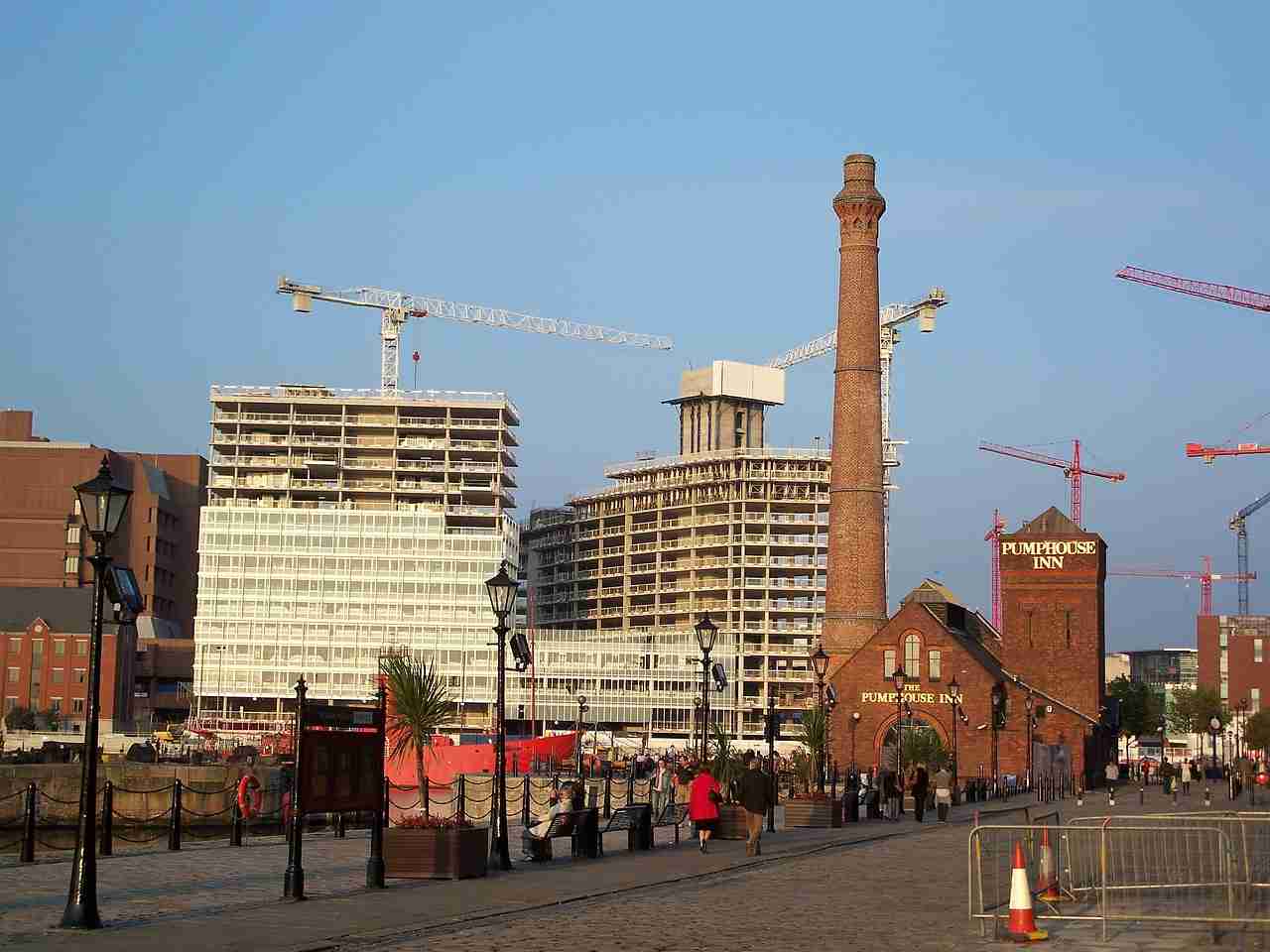
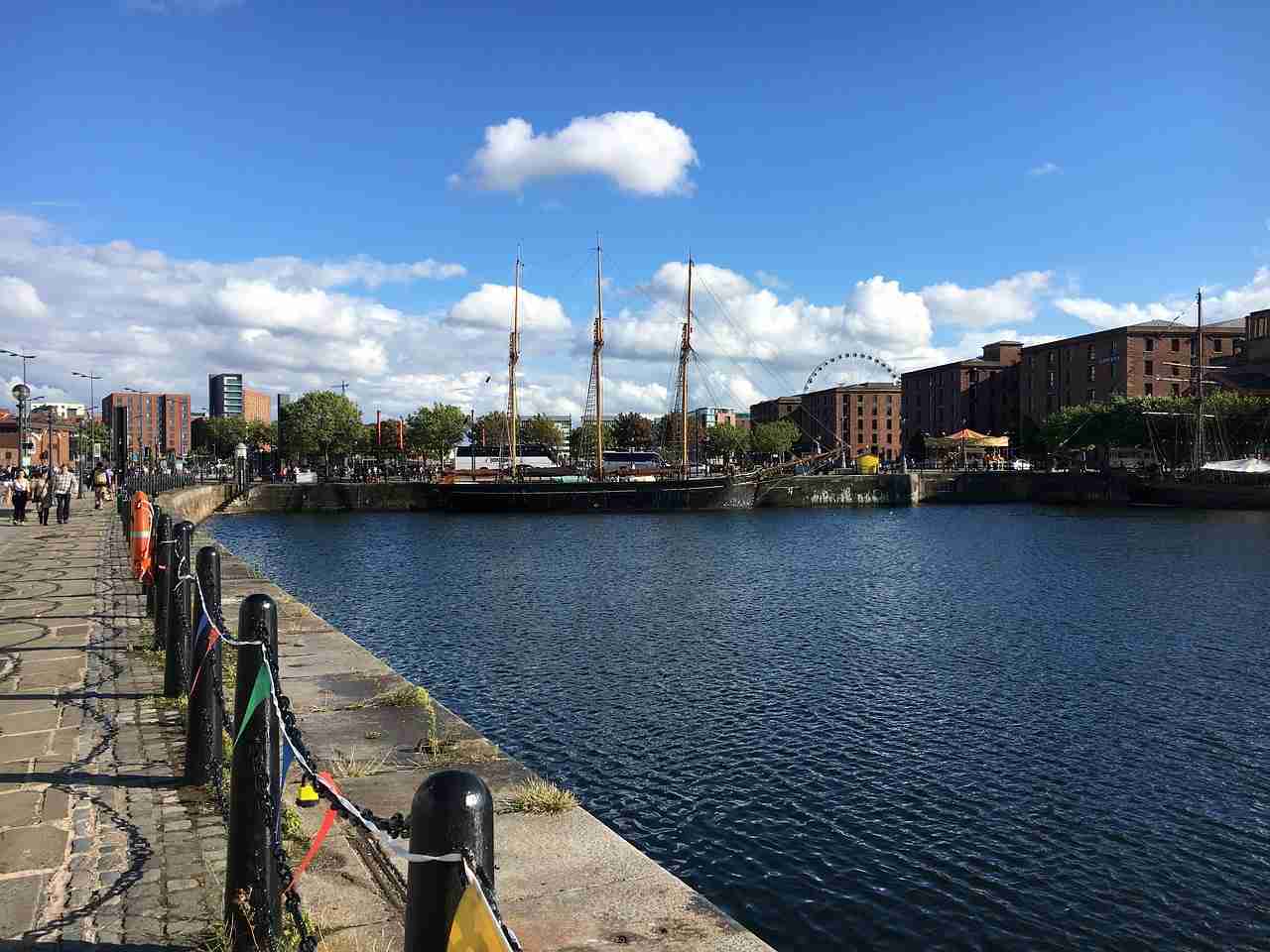
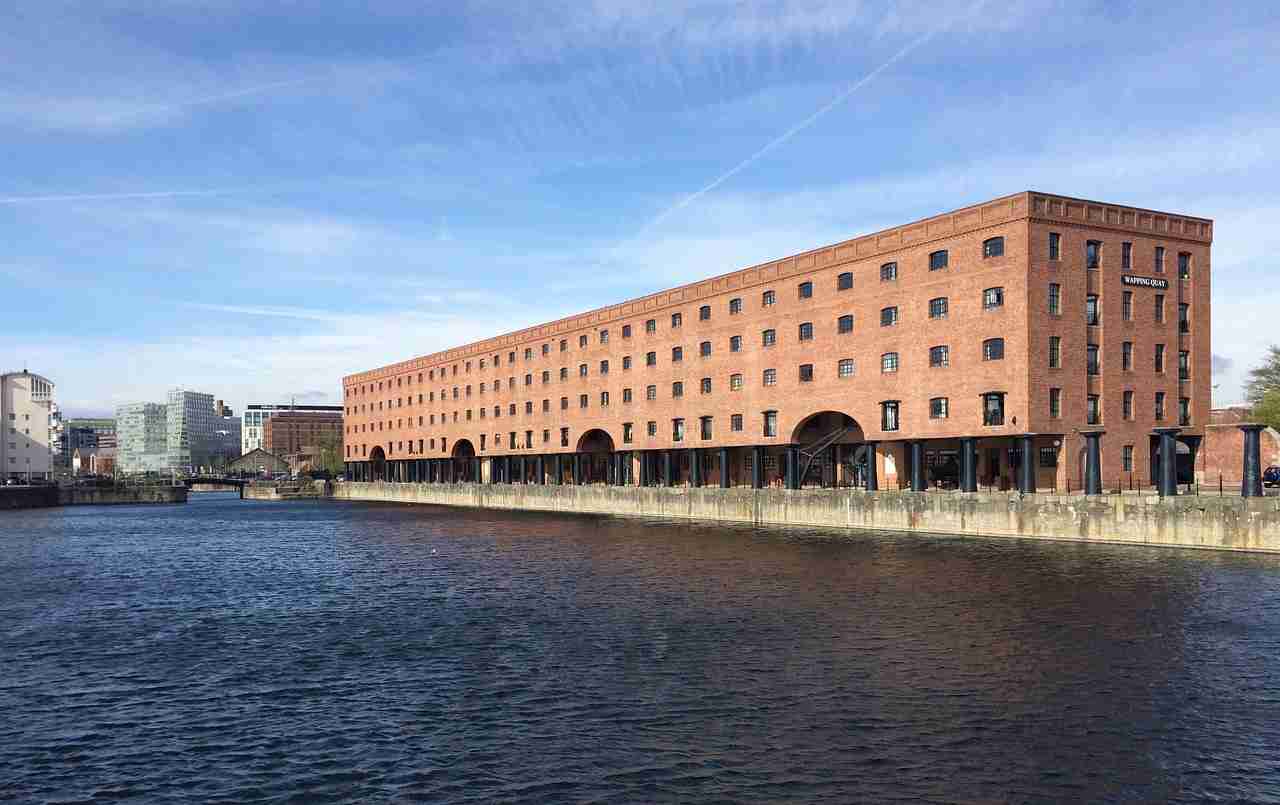
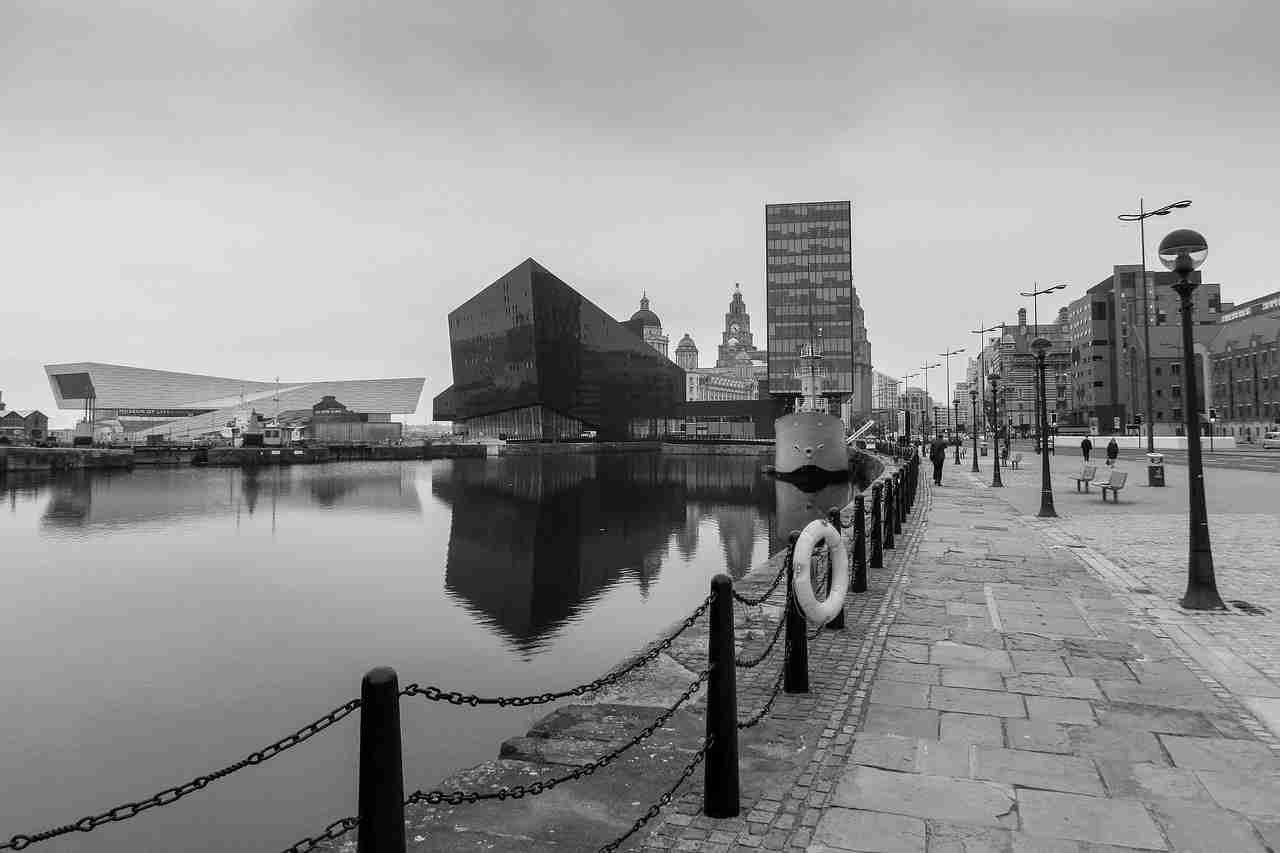
The iconic Royal Albert Dock is one of the most recognizable areas in the city, with its red-brick warehouses now housing museums, galleries, restaurants, and shops.
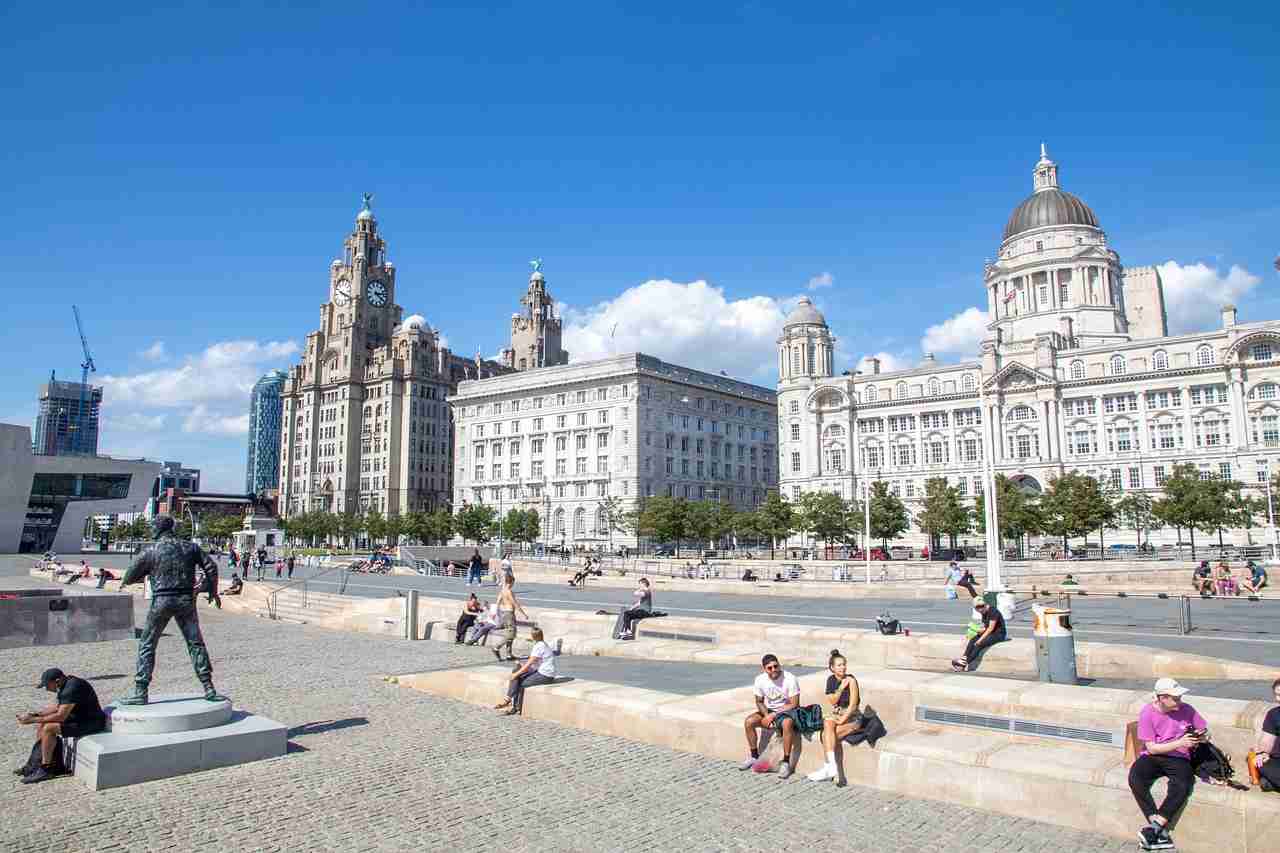
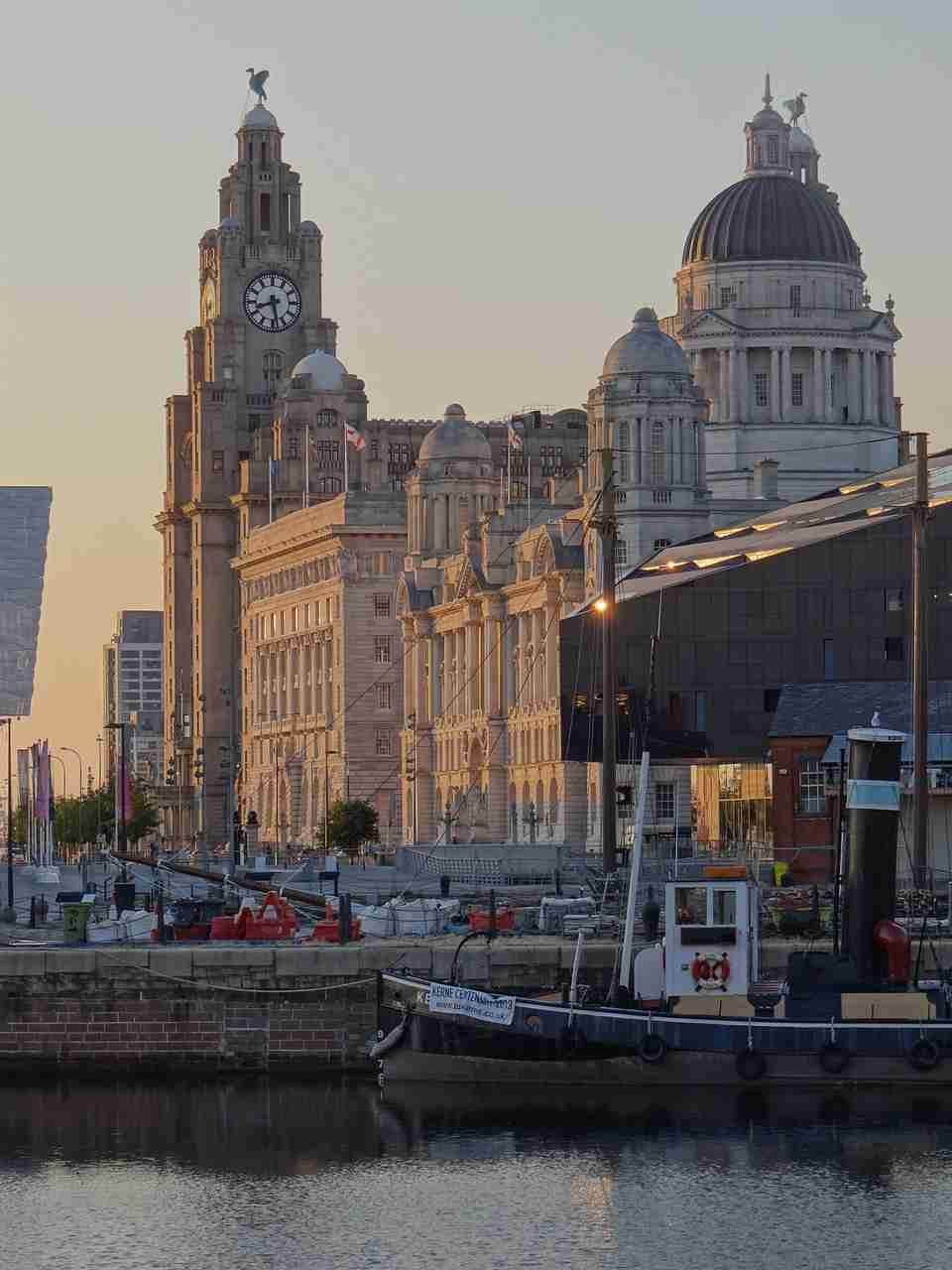
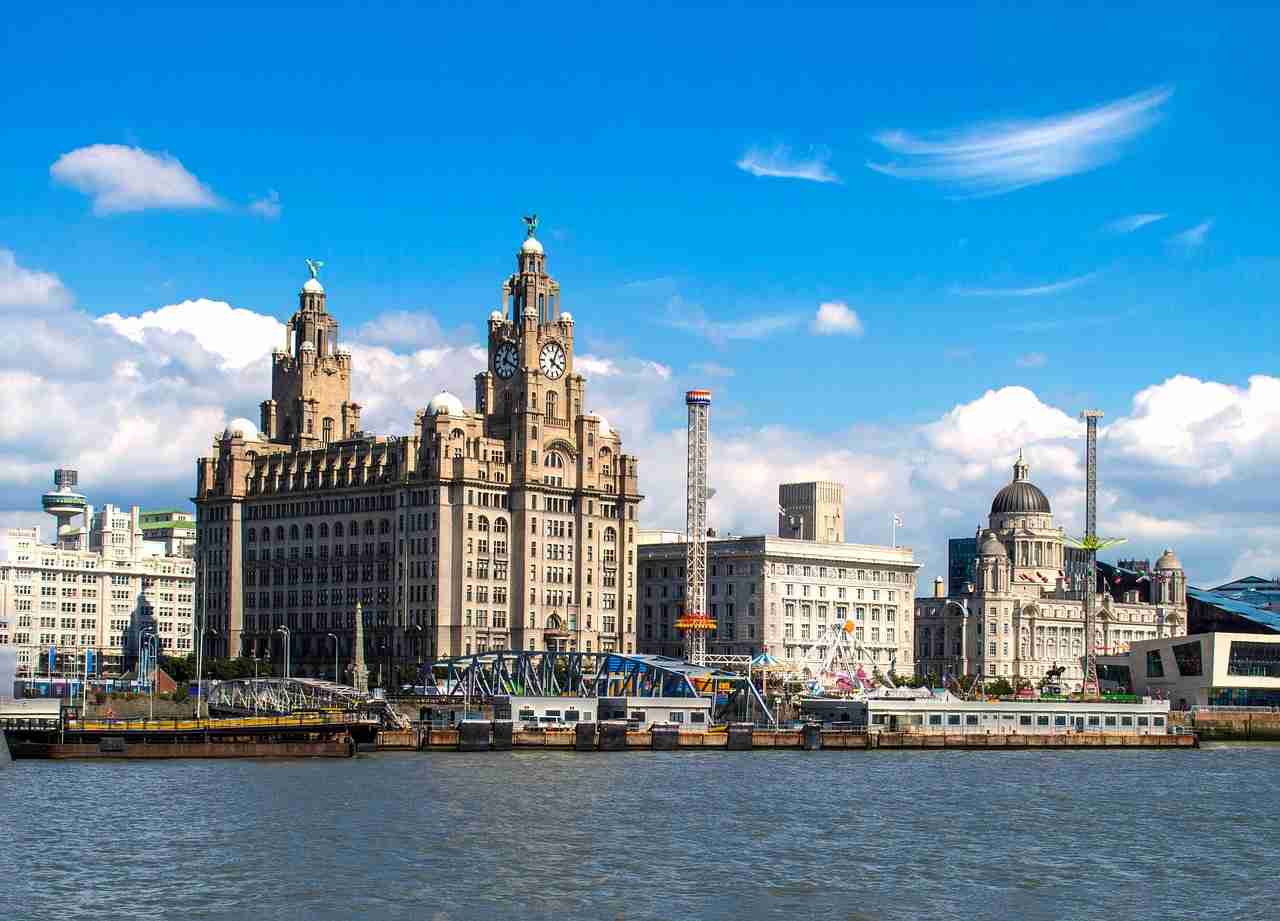
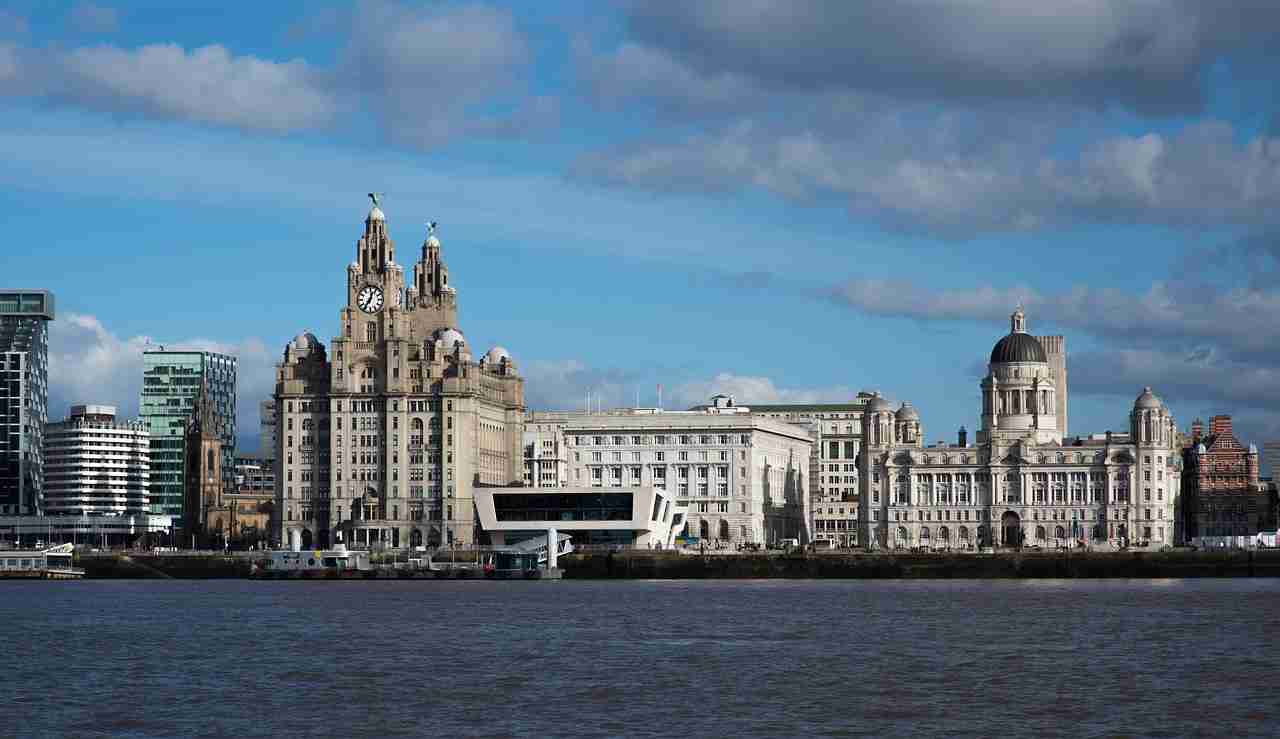
The “Three Graces” – the Royal Liver Building, Cunard Building, and Port of Liverpool Building – dominate the waterfront and symbolize the city’s maritime past.
Liverpool is also home to two remarkable cathedrals. The Liverpool Cathedral, one of the largest in Europe, impresses visitors with its Gothic scale and panoramic tower views. Meanwhile, the Metropolitan Cathedral, with its striking circular design, represents bold modern architecture.
Wandering through the Georgian Quarter or along Hope Street reveals elegant terraces and a quieter, more intimate side of the city.
Food and Dining in Liverpool
Liverpool’s food scene has evolved dramatically in recent years. While traditional British dishes like fish and chips or Sunday roast are easy to find, the city now offers an exciting range of international flavors.
The Baltic Triangle is a creative district packed with street food markets, casual eateries, and trendy bars. Bold Street is another favorite for food lovers, offering everything from Middle Eastern cuisine to independent coffee shops.
For a more refined dining experience, waterfront restaurants around Albert Dock provide excellent seafood and modern British cuisine, often paired with views of the Mersey.
Must-See & Must-Do
Accommodation Options
Liverpool offers accommodation for every type of traveler.
-Luxury seekers can stay at elegant hotels such as Titanic Hotel Liverpool or The Municipal Hotel & Spa, combining historic character with modern comfort.
-Mid-range options in the city center provide excellent value and easy access to major attractions.
-Budget travelers and football fans visiting Anfield or Goodison Park will also find plenty of affordable guesthouses and modern hostels throughout the city.
Staying near the waterfront or in the Ropewalks district is especially convenient for sightseeing and nightlife.
Climate and Best Time to Visit
Liverpool has a temperate maritime climate, typical of the United Kingdom. Summers are generally mild rather than hot, with average temperatures ranging between 18–22°C (64–72°F). Winters are cool and occasionally wet, but rarely extreme.
The best time to visit Liverpool is between late spring and early autumn (May to September), when the weather is more pleasant and outdoor activities along the waterfront are enjoyable.
That said, Liverpool’s museums, music venues, and indoor attractions make it a year-round destination.
Transportation and Getting Around
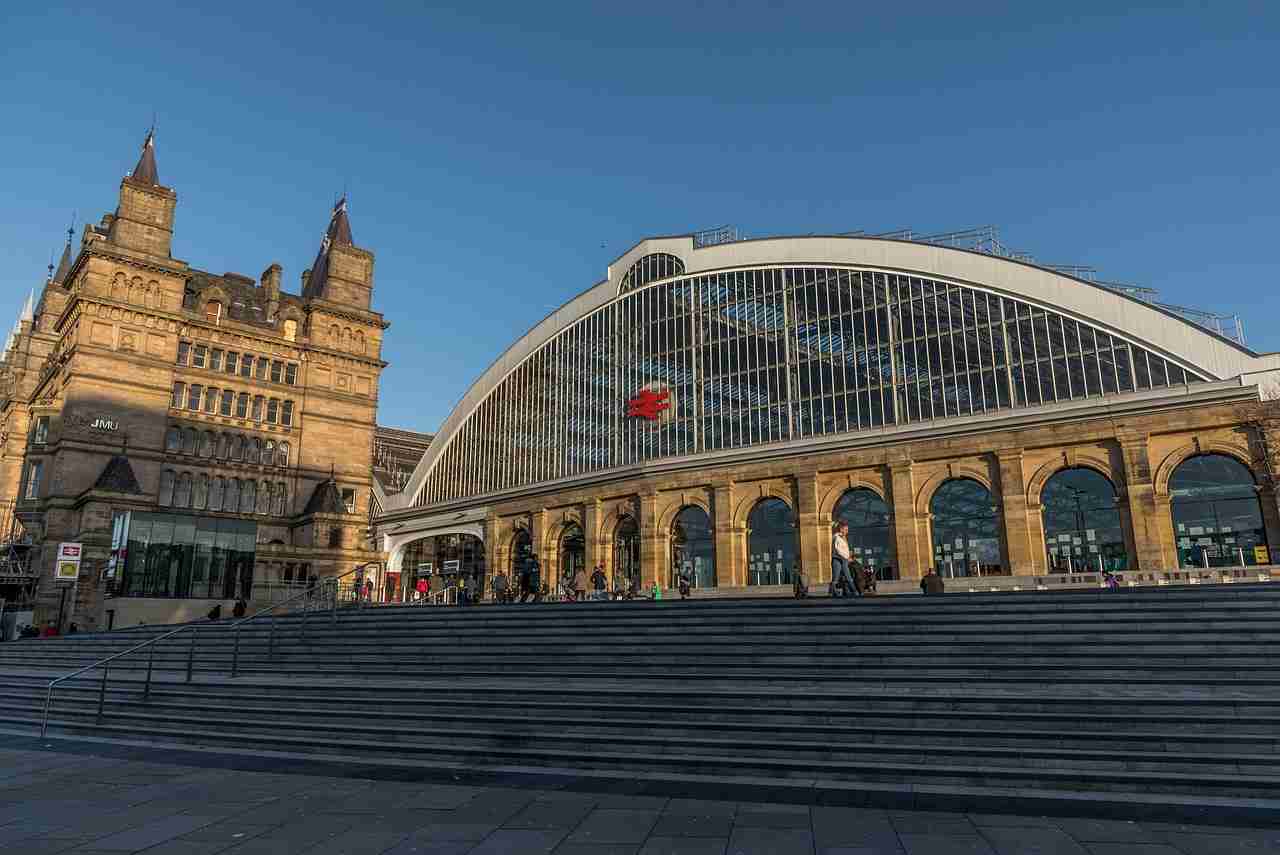
Liverpool is well connected to the rest of the UK. Regular trains link the city to London, Manchester, Birmingham, and Edinburgh.
Liverpool John Lennon Airport offers both domestic and European flights, and it is located just a short drive from the city center.
Within the city, public transport includes buses and the Merseyrail network, which connects central areas with surrounding neighborhoods. However, many of Liverpool’s main attractions are within walking distance of each other, making it an easy city to explore on foot.
Ferries across the River Mersey also provide a scenic way to experience the city from the water.
Similar Listing
Toulouse Travel Guide
Strasbourg Travel Guide
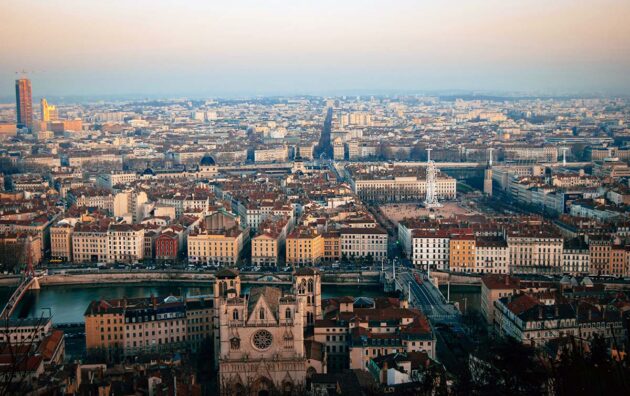
Lyon Travel Guide
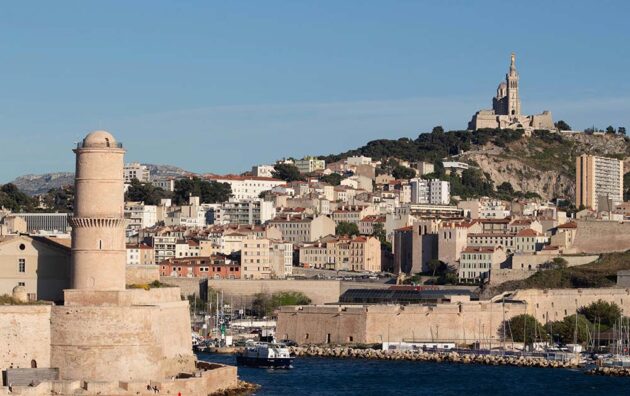
Marseille Travel Guide
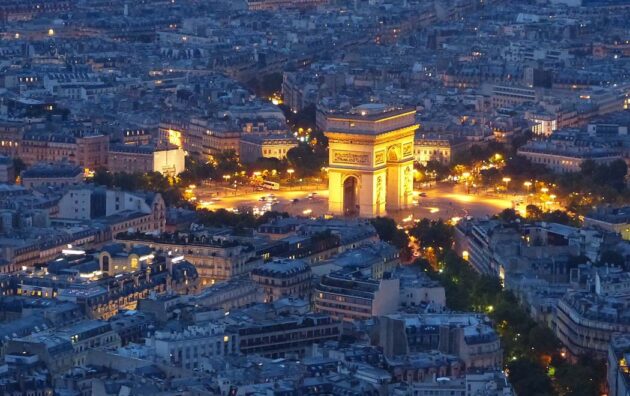
Paris Vacation Guide
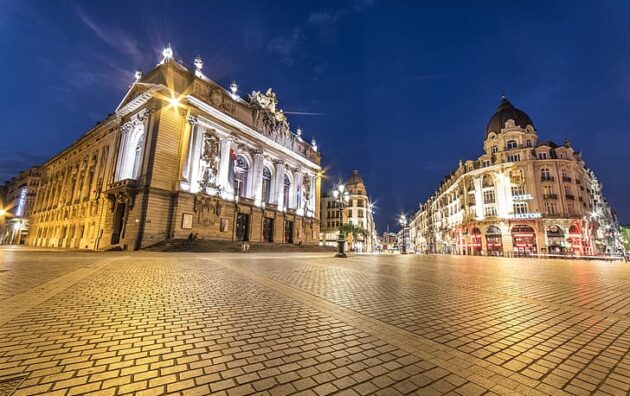
Lille Vacation Guide
France Travel Guide
Seberang Perai Vacation Guide
Malaysia Vacation Guide
Norway Travel Guide

Santo Domingo Travel Guide
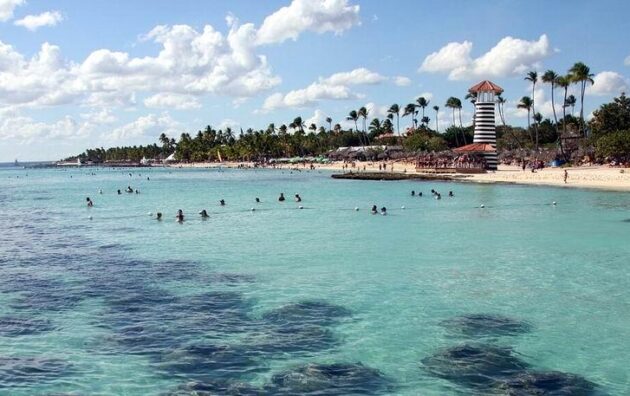
Discover the Dominican Republic
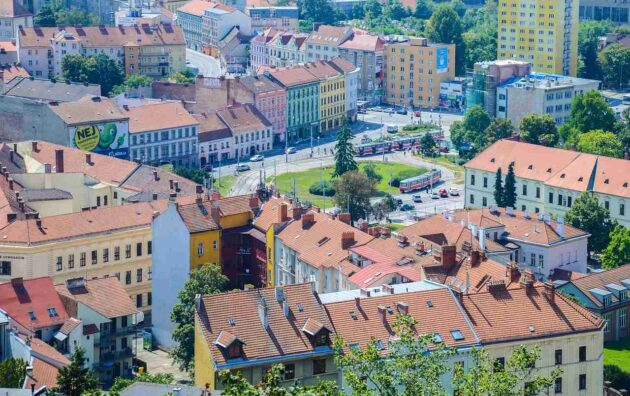
Discovering Brno
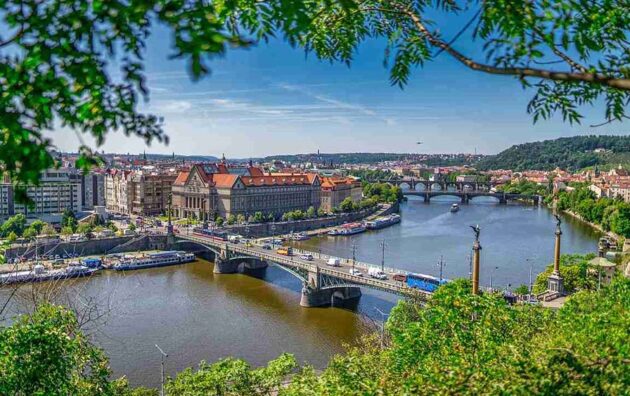
Exploring Prague
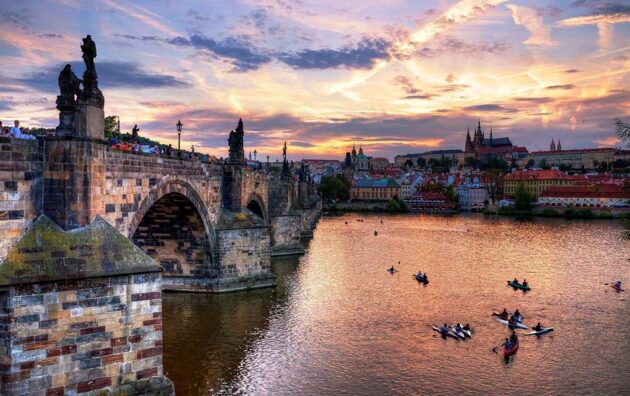
Discovering the Czech Republic
Discovering Venice
Milan Travel Guide
Florence Travel Guide