Malaysia Vacation Guide
Destination Description
Malaysia, with its diverse and rich cultural heritage, is a popular tourist destination that offers visitors a plethora of attractions to explore. From bustling modern cities to ancient rainforests, stunning beaches, and multicultural traditions, Malaysia delivers a perfect mix of adventure, relaxation, and culture.
General Vacation Tips
Currency: Malaysian Ringgit (RM). Cards are widely accepted, but carry cash for markets.
Language: Bahasa Malaysia (official), but English is widely spoken, especially in tourist areas.
Visa: Most nationalities get 90 days visa-free.
Safety: Generally very safe for tourists. Use common sense in crowded areas.
Dress: Modest clothing when visiting religious sites.
Malaysia truly has something for everyone — whether you seek city excitement, beach relaxation, jungle adventure, or cultural immersion. Start planning your itinerary around your interests, and you’ll leave with unforgettable memories.
Must-See & Must-Do
Top Places to Visit & Things to Do
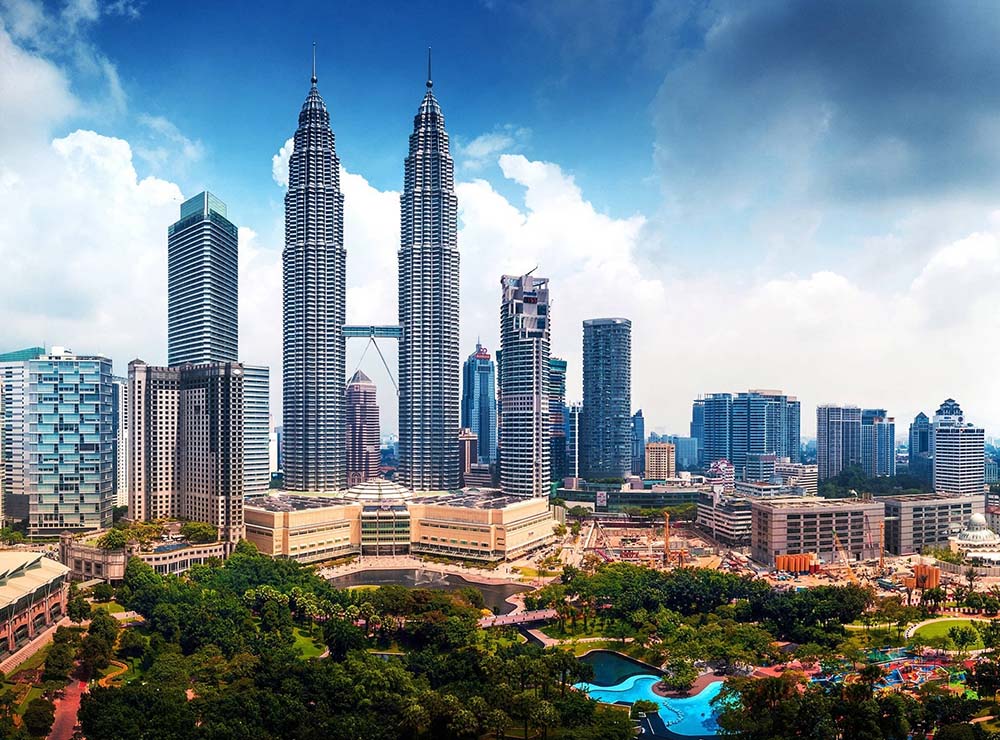
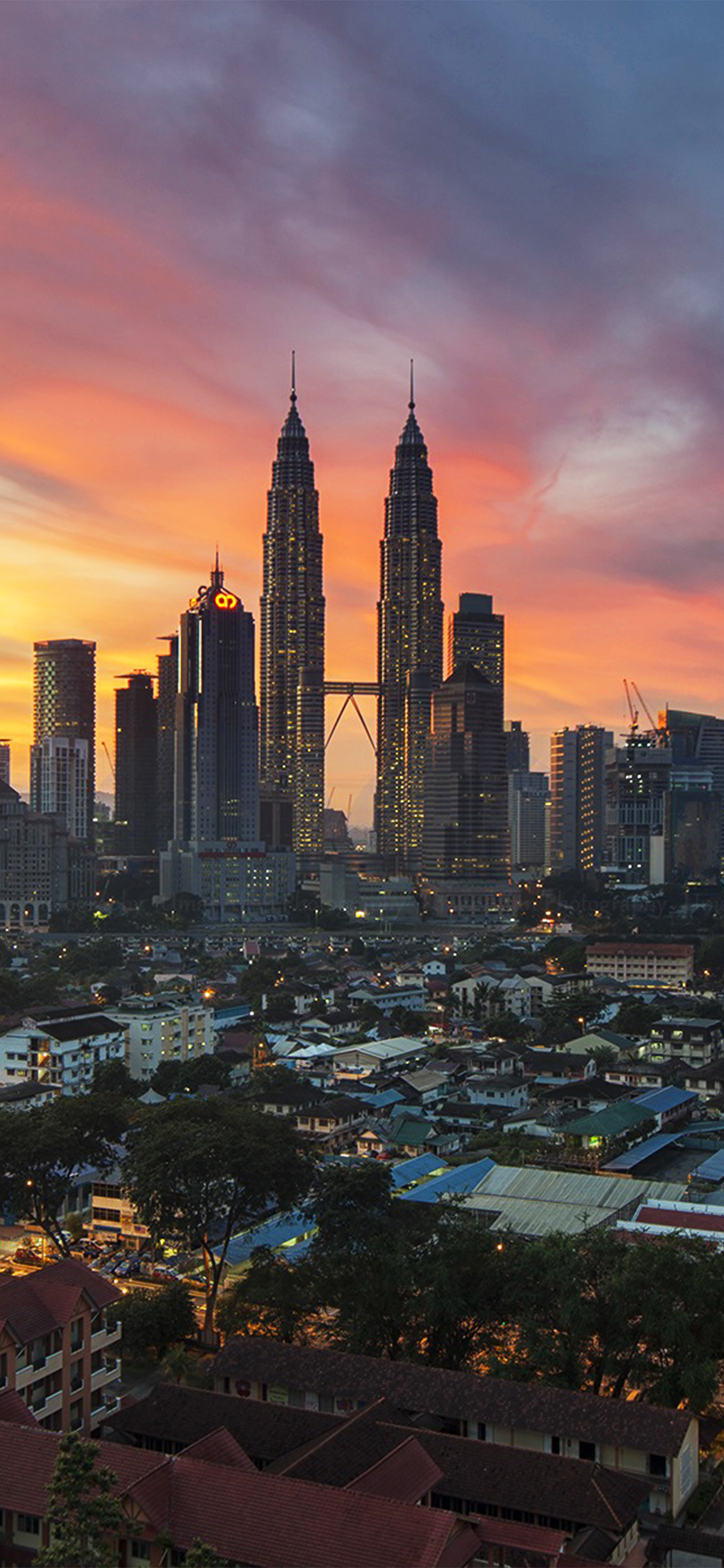
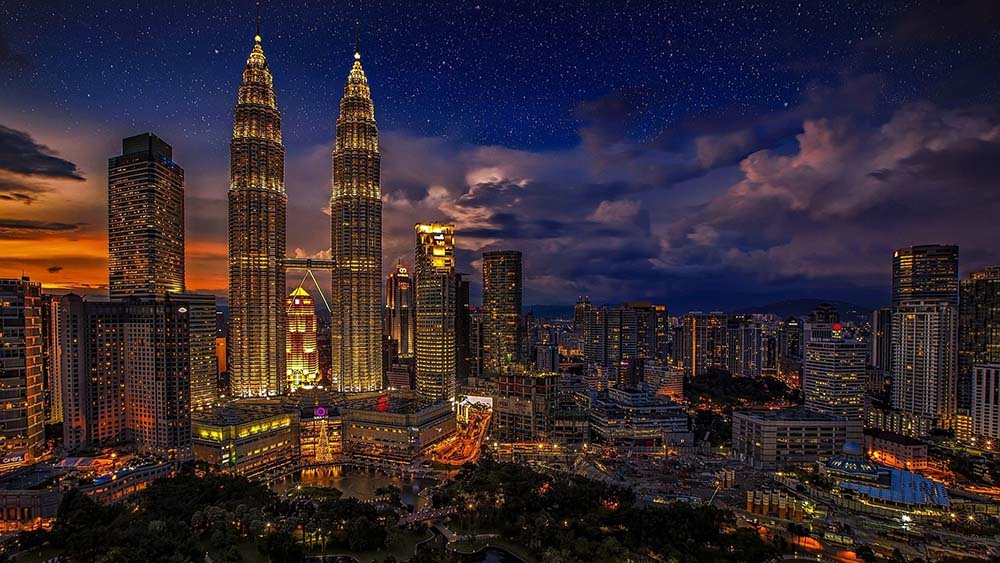
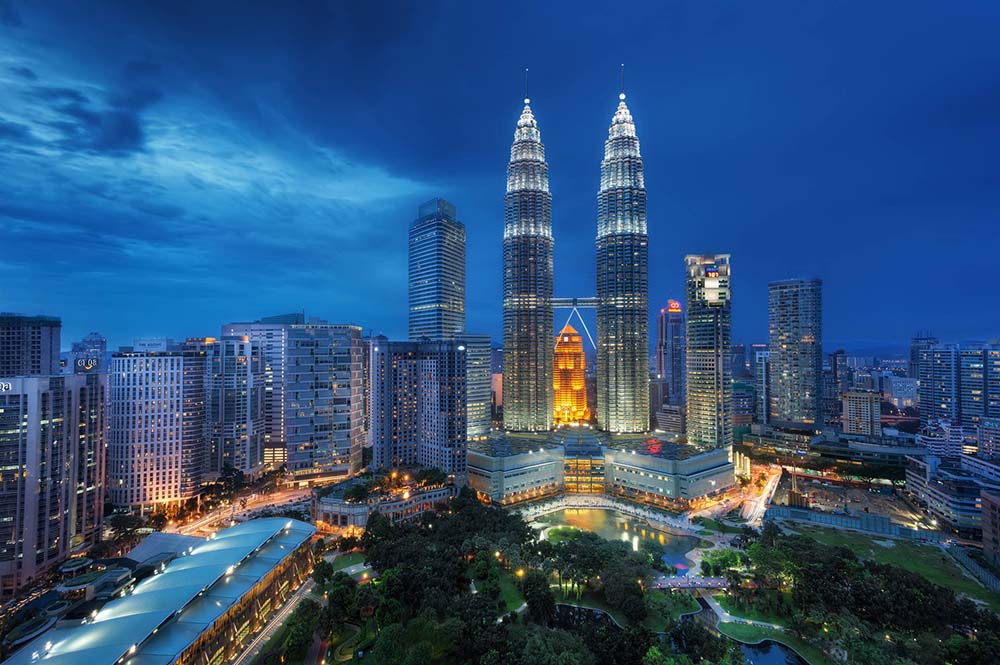
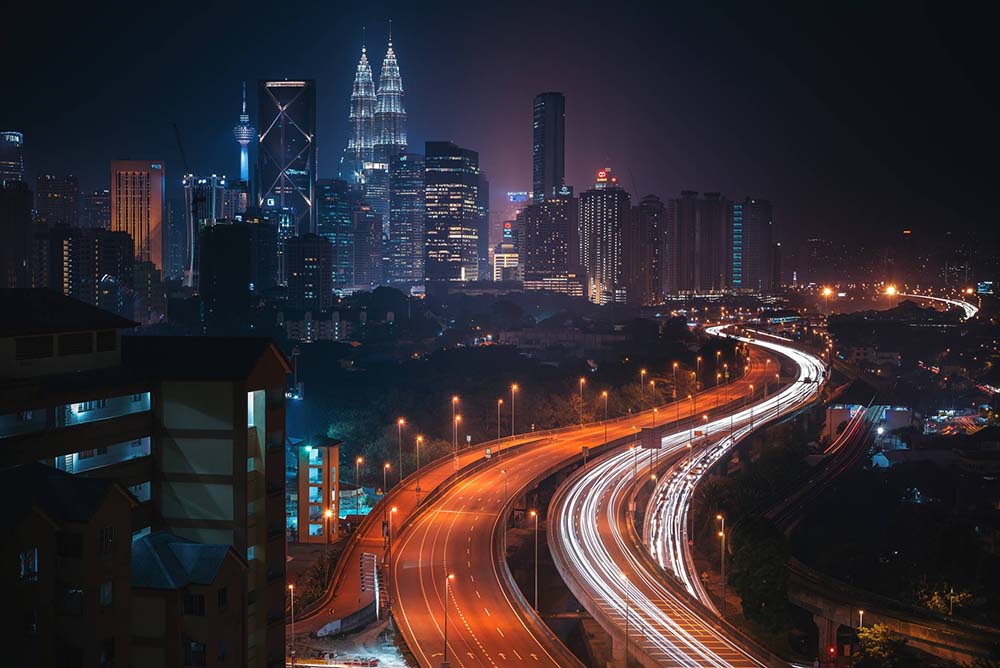
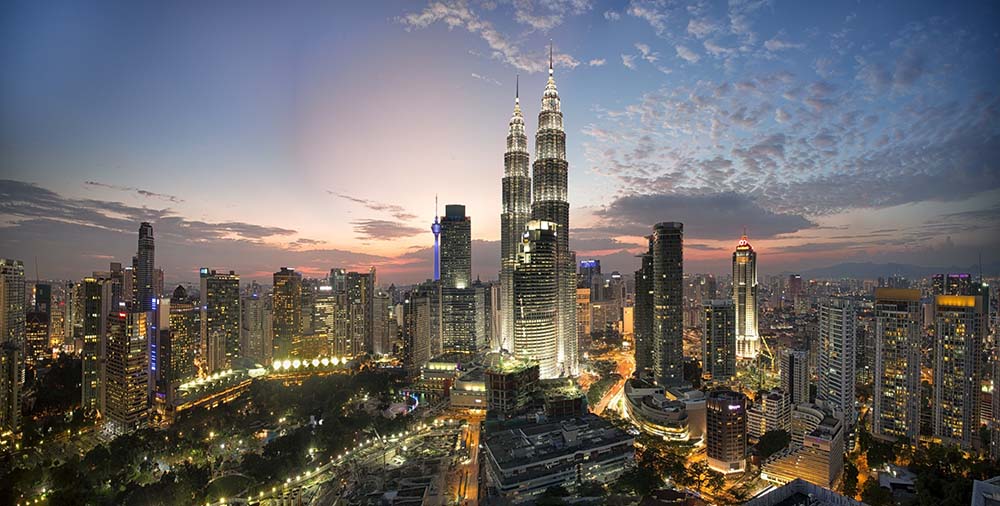
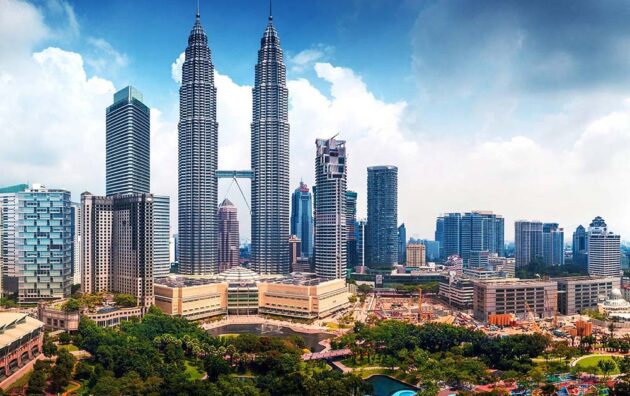
Kuala Lumpur (KL): Iconic Petronas Twin Towers, Batu Caves, KL Tower, Central Market, and vibrant street art. Don't miss the view from KLCC Park.
Penang: George Town UNESCO World Heritage Site with street art, colonial architecture, and food heaven.
Malacca (Melaka): Historic UNESCO city with Portuguese, Dutch, and British influence.
Langkawi: Duty-free island with beautiful beaches, cable car, and mangrove tours.
Borneo (Sabah & Sarawak): Orangutan sanctuaries (Sepilok, Semenggoh), Kinabalu National Park, Mulu Caves, and longhouse stays with indigenous communities.
Cameron Highlands: Cool tea plantations and strawberry farms – great escape from heat.
Perhentian, Tioman & Sipadan Islands: World-class diving, snorkeling, and white-sand beaches.
Cultural Experiences: Visit a museum (National Museum in KL or Sarawak Museum), explore mosques, temples, and churches in harmony, or join festivals like Hari Raya, Chinese New Year, or Deepavali.
Transportation
International Arrival: Fly into Kuala Lumpur International Airport (KUL). Other major airports: Penang (PEN), Johor Bahru (JHB), Kota Kinabalu (BKI), and Kuching (KCH).
Within Malaysia:
Air: AirAsia and Malaysia Airlines offer cheap domestic flights (highly recommended for Borneo).
Train: KTM Komuter and ETS trains are comfortable for Peninsular Malaysia.
Bus: Frequent, affordable long-distance buses (e.g., from KL to Penang or Malacca).
Grab/Taxi: Grab app is the easiest and safest for rides within cities (cheaper than regular taxis).
Ferry: To reach islands like Langkawi or Perhentian.
Car Rental: Easy in cities if you’re comfortable driving on the left side. International Driving Permit recommended.
Note: Traffic in KL can be heavy; use public transport or Grab during rush hours.
Accommodation Options
Malaysia offers excellent value for money across all budgets:
Budget: Hostels and guesthouses (RM 30–80 / ~$7–18 per night).
Mid-range: 3–4 star hotels and boutique stays (RM 150–350 / ~$35–80).
Luxury: Resorts like Datai Langkawi, Shangri-La, or Four Seasons (RM 600+ / ~$140+).
Unique Stays: Rainforest lodges in Borneo, beach chalets on islands, or colonial heritage hotels in Penang and Malacca.
Airbnb & Booking.com: Widely used and reliable. Book in advance during holidays and peak season.
Popular areas in KL: Bukit Bintang (lively), KLCC (upscale), Chinatown (budget).
Where & What to Eat (Malaysian Food Guide)
Malaysia is a food paradise blending Malay, Chinese, Indian, and Peranakan (Nyonya) cuisines. Eating is one of the highlights of any trip.
Must-Try Dishes:
Nasi Lemak – Coconut rice with sambal, anchovies, egg, and peanuts (national dish).
Roti Canai – Flaky flatbread with curry.
Char Kway Teow – Stir-fried rice noodles with prawns and cockles.
Satay – Grilled meat skewers with peanut sauce.
Laksa – Spicy noodle soup (Penang Assam Laksa and Curry Laksa are different delights).
Hainanese Chicken Rice, Bak Kut Teh (pork rib soup), and Rendang (spicy slow-cooked meat).
Desserts: Cendol, ais kacang, and durian (king of fruits – love it or hate it!).
Best Places to Eat:
Hawker Centres & Food Courts: Cheapest and most authentic (e.g., Jalan Alor in KL, Gurney Drive in Penang).
Night Markets (Pasar Malam): Great for street food.
Fine Dining: Try fusion restaurants in KL or heritage restaurants in Penang.
Islamic Food: Widely available; look for “Halal” signs.
Tip: Street food is generally safe if it’s busy and freshly cooked. Drink bottled or filtered water.
Malaysia History
Malaysia’s history is rich, diverse, and shaped by centuries of trade, migration, and cultural exchange.
Before European arrival, the Malay Peninsula and surrounding islands were home to powerful ancient empires. The Srivijaya (7th–13th century) and Majapahit empires brought Hinduism and Buddhism to the region, leaving a deep influence on local culture, arts, and traditions that can still be seen today.
The most significant local power was the Malacca (Melaka) Sultanate (15th century). It grew into a wealthy and influential trading hub that spread Islam across the Malay world.
In 1511, the Portuguese captured Malacca, marking the beginning of European colonization in Southeast Asia. Over the following centuries, the Dutch, British, and others fought for control of the region. The British eventually became the dominant power, ruling until Malaysia gained independence in 1957.
Today, Malaysia proudly celebrates this layered heritage. You can see the blend of Malay, Indian, Chinese, Arab, and European influences in its food, festivals, architecture, languages, and daily life.
From ancient trading empires to colonial rule and modern independence, Malaysia’s story is one of resilience, diversity, and continuous cultural mixing.
Similar Listing
Toulouse Travel Guide
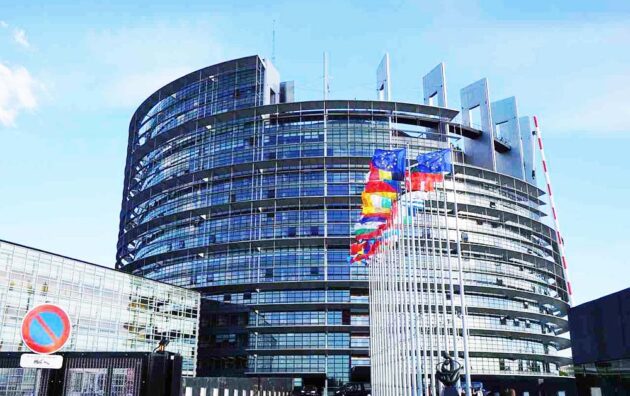
Strasbourg Travel Guide
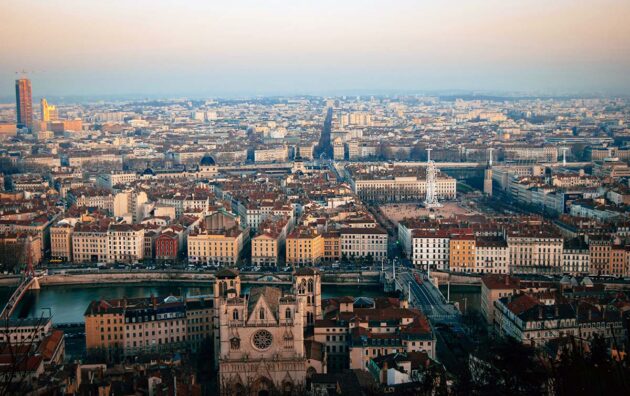
Lyon Travel Guide
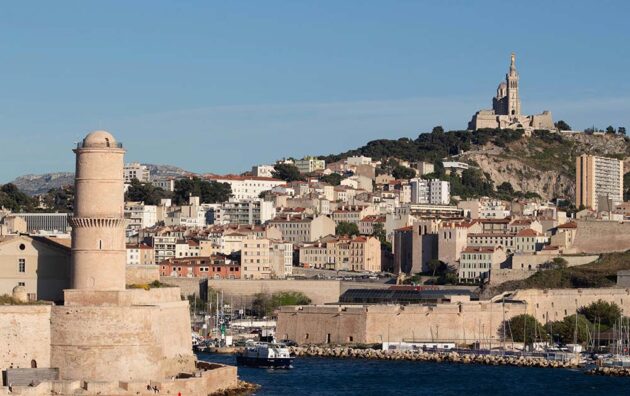
Marseille Travel Guide
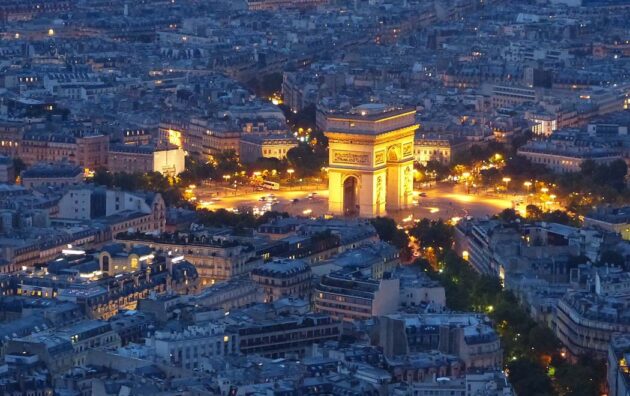
Paris Vacation Guide
Lille Vacation Guide
France Travel Guide
Seberang Perai Vacation Guide
Liverpool Travel Guide
Norway Travel Guide
Santo Domingo Travel Guide
Discover the Dominican Republic
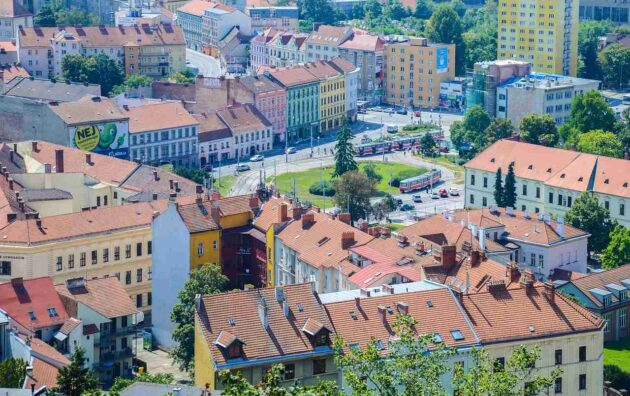
Discovering Brno
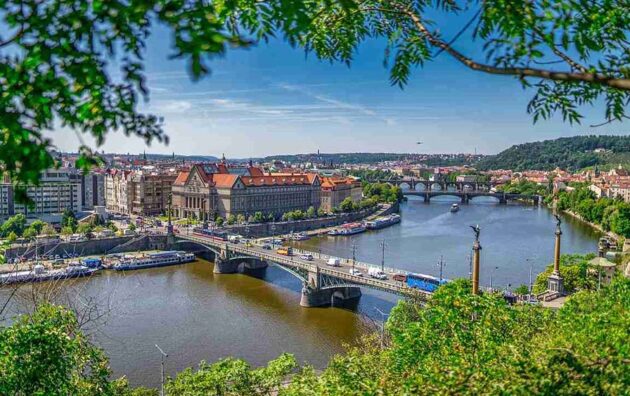
Exploring Prague
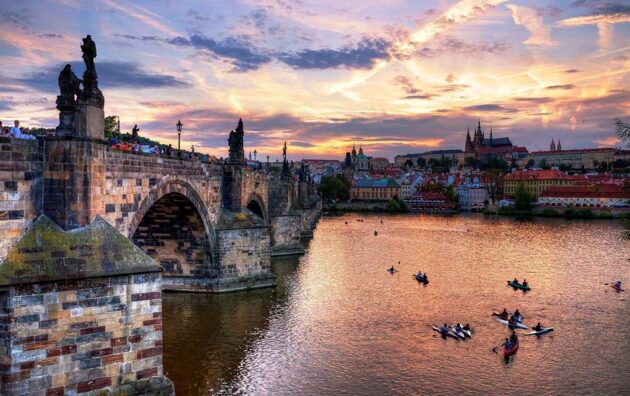
Discovering the Czech Republic
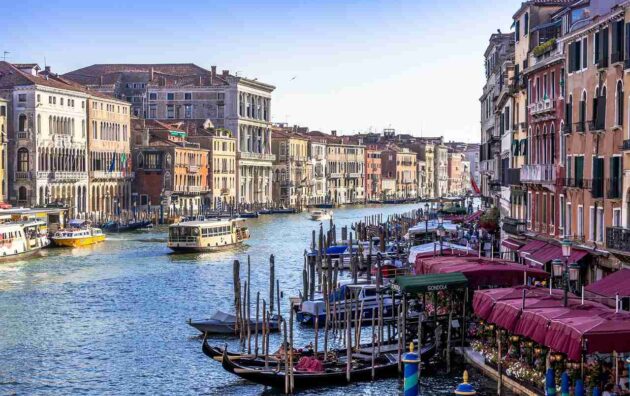
Discovering Venice
Milan Travel Guide
Florence Travel Guide