Discovering Amasya
Destination Description
With a history stretching back over 7,500 years, Amasya is one of Turkey’s most enchanting cities, where ancient heritage blends seamlessly with natural beauty. Known as the “City of Princes,” it was once home to Ottoman shahzades (princes) and continues to captivate travelers with its unique charm.
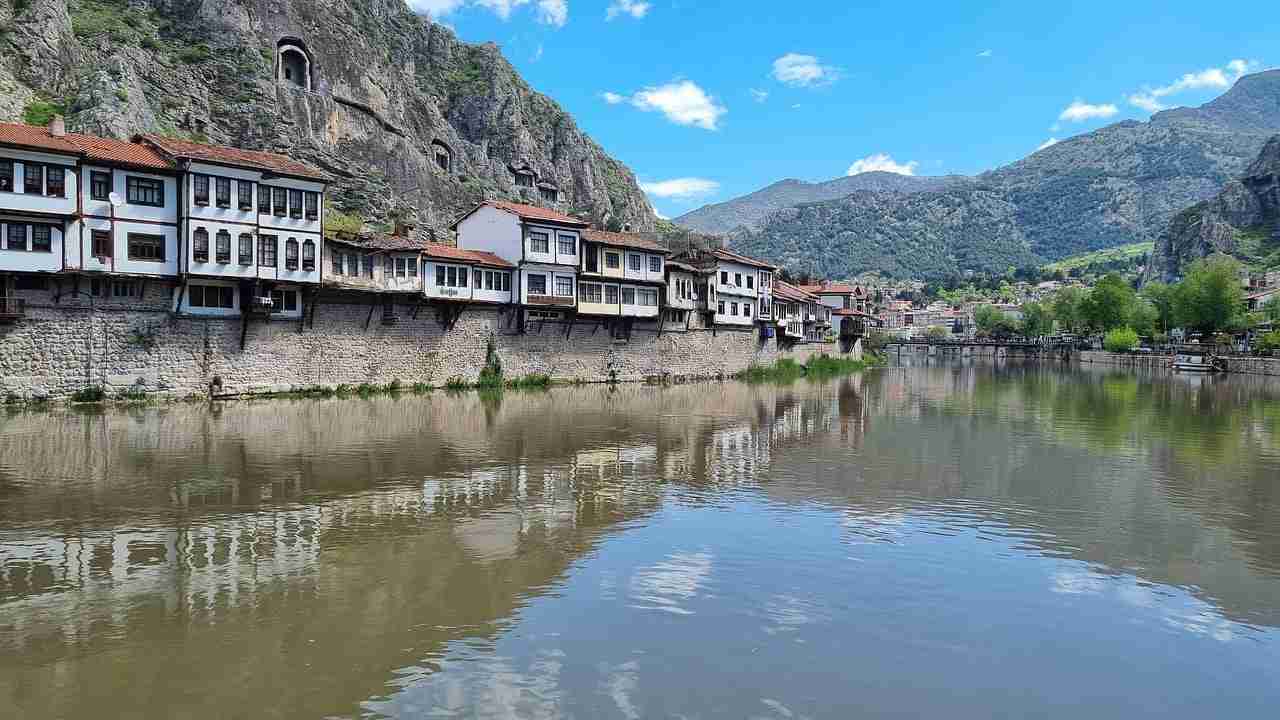
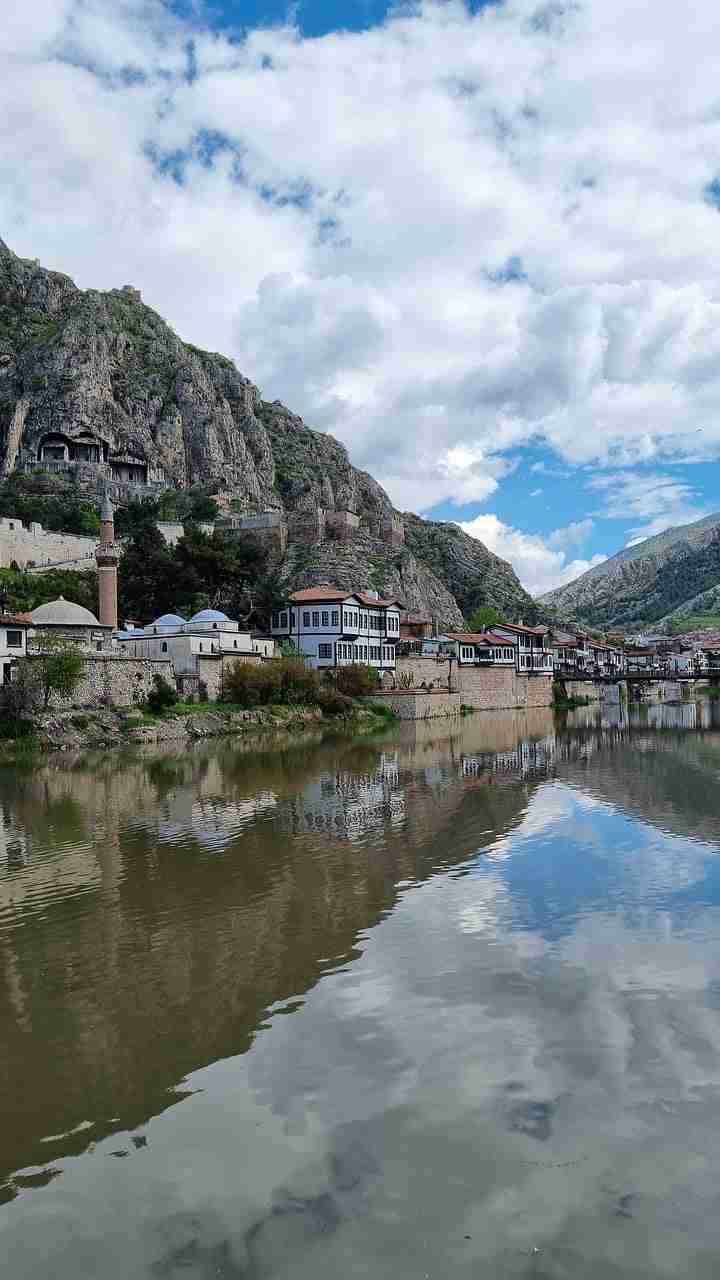
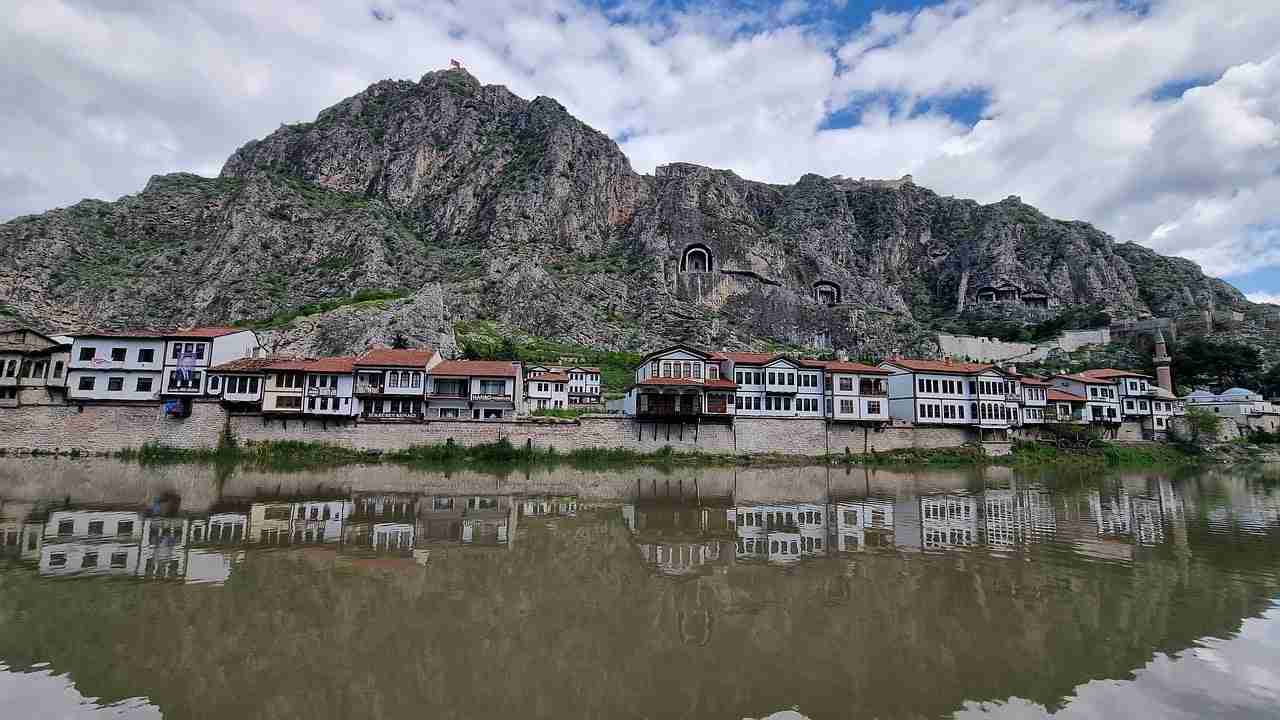
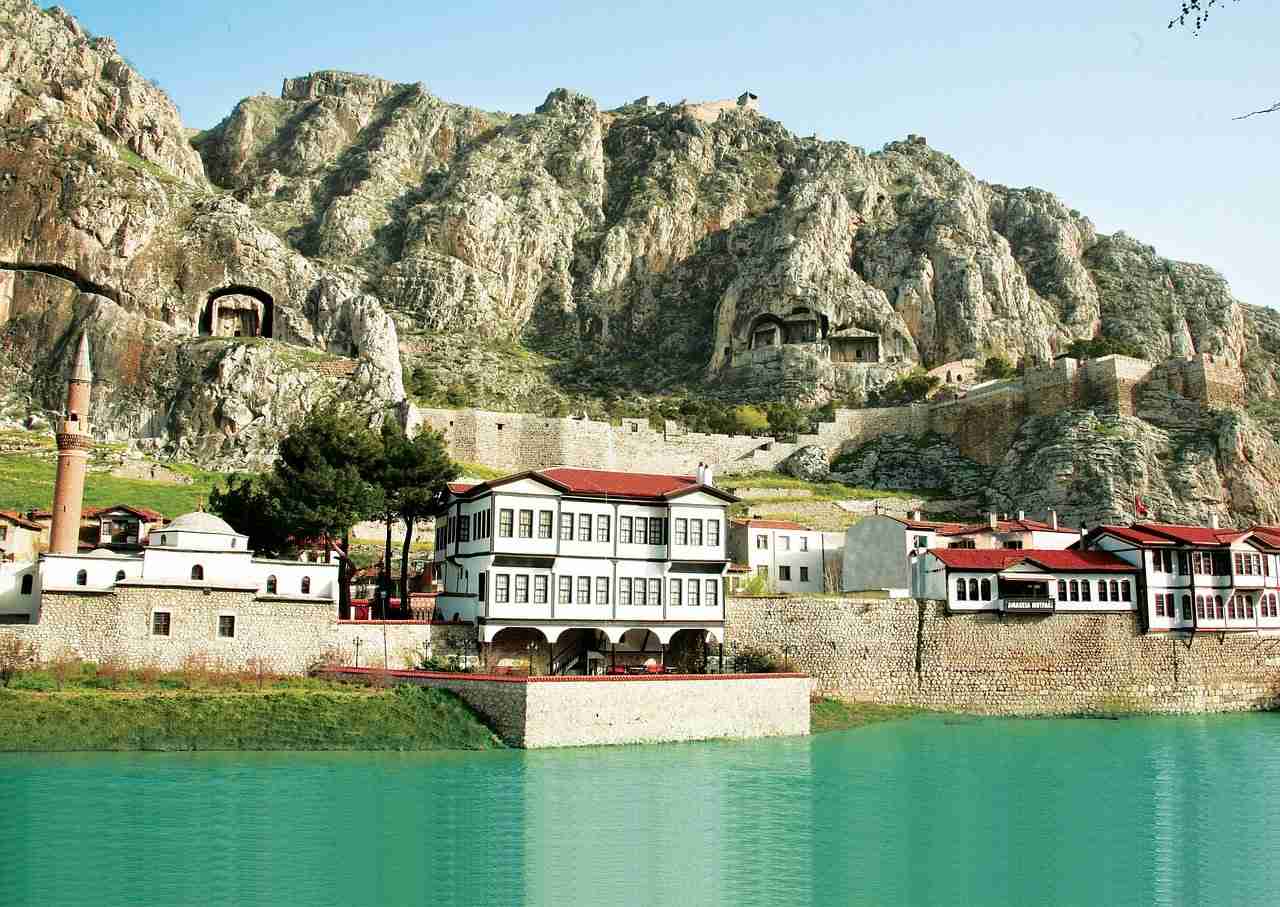
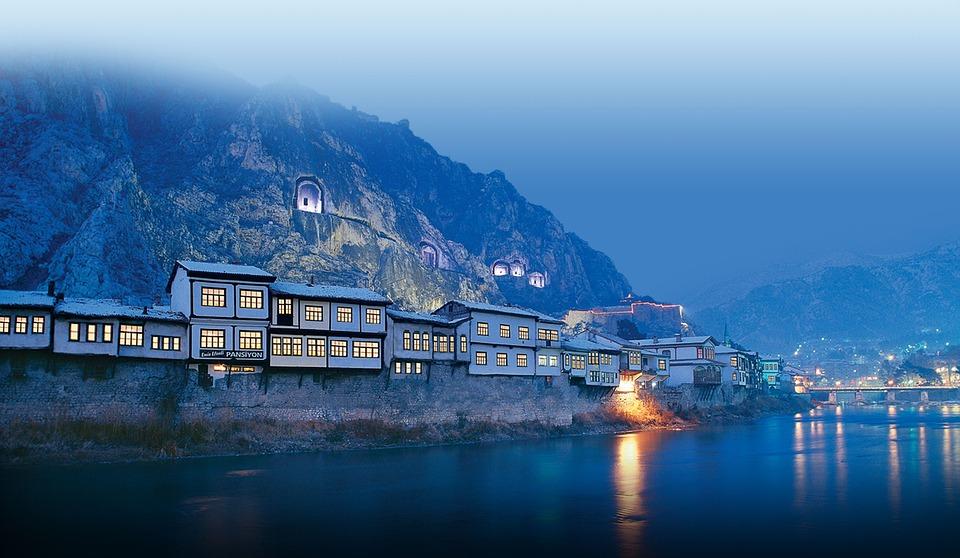
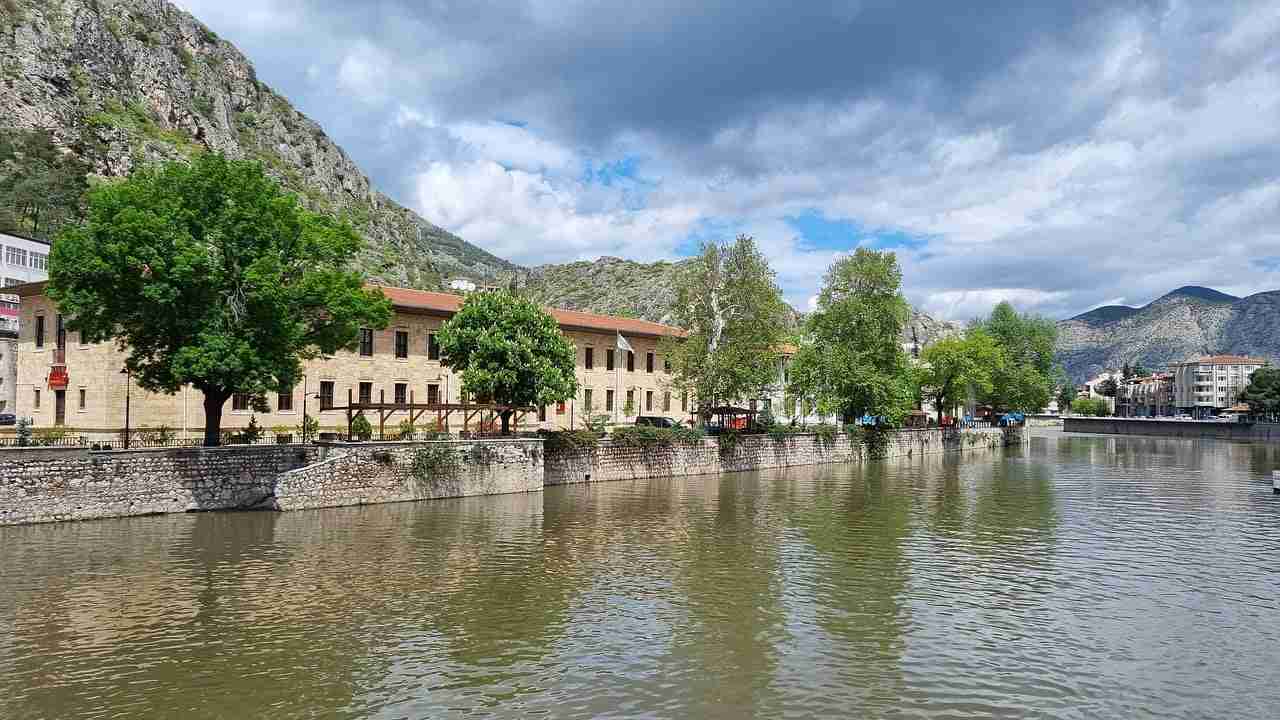
Nestled in a narrow valley along the banks of the Yeşilırmak River, Amasya is a city of breathtaking contrasts. Elegant Ottoman-era mansions line the riverfront, while ancient rock tombs of the Pontic kings gaze down from the cliffs above. This dramatic landscape makes Amasya one of the most picturesque destinations in Anatolia.
The city is also a cultural treasure.
From music and science to art, literature, and cuisine, Amasya has long been a hub of creativity and learning. It was here that great scholars once flourished, and the legacy of those golden ages still lingers in its museums, libraries, and architectural landmarks.
You can explore:
Ottoman-era mansions such as the Hazeranlar Mansion.
The Amasya Castle with its panoramic views.
The Archaeology and Mummies Museum, home to fascinating artifacts.
The iconic Pontic King Rock Tombs, carved into the cliffs overlooking the city.
The city’s cuisine is another highlight, blending traditional Anatolian flavors with local specialties. Fresh produce from the fertile valley, combined with recipes passed down through generations, makes every meal in Amasya a delight.
Today, Amasya is emerging as a rising star in Turkish tourism, thanks to its blend of history, culture, and scenic beauty. Whether you’re strolling along the Yeşilırmak, admiring the riverside mansions illuminated at night, or exploring ancient relics, Amasya offers an unforgettable journey through Turkey’s living history.
Best Time to Visit
Spring & Summer: Perfect for riverside walks and outdoor sightseeing.
Autumn: The valley takes on golden hues—ideal for photography.
Winter: Snow on the surrounding mountains gives the city a magical charm.
Must-See & Must-Do
History of Amasya
Amasya is one of the oldest settlements of Anatolia. Archeological studies indicate that the history of the city goes back to the Chalcolithic Age, 7500 years before now or 5500 years BC.
Through out these years, Amasya has been home to a number of civilizations that have settled here before the Turks such as the Hittites, the Phrygians, the Kimmerian-Scythes, the Med-Persians, the Pontus, the Romans and the Byzantine.
In the Turkicization of Anatolia, which started in 1071, Melik Ahmet Danişmend Gazi has conquered Amasya and started the hegemony of the Turks.
The Danişmend-Seljuk have reigned in Amasya until the defeat in Kösedağ War in 1423 which led to a hundred-year Mogul-Ilkhanate reign in the region. Amasya was conquered by the Eretna in 1341. Shahzadah Beyazid conquered the city in 1386 and after a brief conflict with Kadı Burhaneddin, Amasya was acquired by the Ottomans for good after 1392.
Because of the impending threat posed by Tamerlane, Amasya was promulgated Shahzadah Sanjak in 1386 and has maintained its status until 1566. During this period, Amasya has hosted and served as a training ground for a total of twelve Shahzadahs, six of which assumed the Ottoman throne in the years to come. Çelebi Mehmet, who reinstated the declining Ottoman State after Ankara War in 1402 had governed the city and directed the recovery of the empire from Amasya.
Amasya, which had played a crucial role in the reinstation of the Ottoman State, reassumed its role in the foundation of the state by the Amasya Circular through which Mustafa Kemal and his friends announced to the world their determination and resolution towards independence and the foundation of the Republic of Turkey in July 22, 1919.
Amasya About
Amasya is a city that has shaped its geography with its 7500 year-old history. It was enriched with the Turkish-Islamic culture during the reigns of Seljuk and Ottoman Empires.
Many important personalities in the fields of science, politics and arts have been nurtured, have spent their lives and created their works in Amasya. This cultural opulence can be traced in every corner of the city. The city has been home to numerous shahzadahs and has been a fountain of theologists, sheikhs ul-islam and pashas or the palace.
World famous geographer Strabon was brn and lived in Amasya as well. Sabuncuzade Şerafeddin bin Ali, who has authored one of the most valuable pieces of work in the field of medicine, lived in Amasya and has acquired and shared his knowledge in the treatment of his patients in Darüşşifa.
Works of Sheikh Hamdullah, also known as the kiblah of scribes, who is one of the greatest talents of calligraphy, can be seen all over Amasya. Beyazid II with his apellation Adli, and the first poetess to collect her poems, Mihri Hatun produced their work here.
The tradition, started by these eminent figures only a bunch of whom has been mentioned here, is still alive today.
Great masters of Turkish music, priceless hands of stone and woodwork and calligraphy, poets and writers who build worlds out of words have all been inspired by the infinite resource that is Amasya. History and culture that brims Amasya overflows he city in the form of art.
Climate of Amasya
Amasya covers a region where the climates of the Blacksea and Central Anatolia Regions overlap.
Therefore, there are significant differences between the climates of the mountains and he valleys, or the southern and the northern fronts of the mountains. The winters are mild and the summers are hot.
January is the coldest month of the year with an average temperature of 2,4°C, whereas July is the hottest month with an average temperature of 23.6°C.
What to Eat in Amasya?
The local food in Amasya is also an indicator of the variety in the ancient culture and history of he city.
Geographical location of the city which makes it a passageway between the Blacksea Region and the internal regions of Anatolia has enabled the city to acquire the marvellous and authentic cuisines of both regions.
There are so many dishes that are typical of Amasya cuisine, which have influenced the cuisine of the palaces, that it would be impossible to name them here.
The best advice would be to go to a restaurant that serves local dishes and to go over the menu.
You will see such a variety of soups and vegetable dishes, pastries and meat dishes, salads and desserts that you will doubtlessly find that will appease your appetite.
Similar Listing
Toulouse Travel Guide

Strasbourg Travel Guide
Lyon Travel Guide
Marseille Travel Guide

Paris Vacation Guide
Lille Vacation Guide
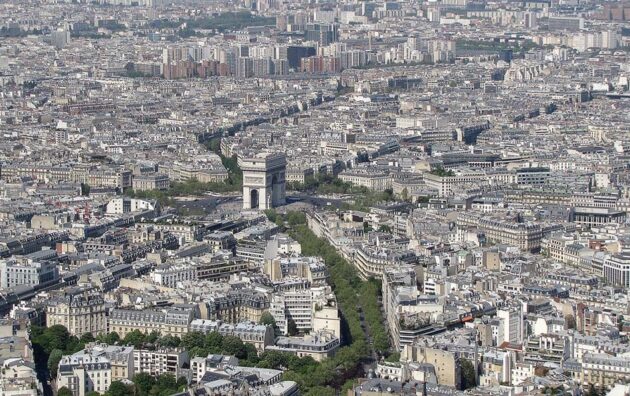
France Travel Guide
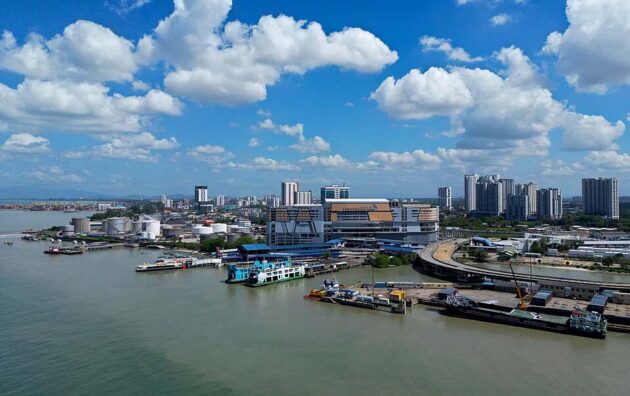
Seberang Perai Vacation Guide
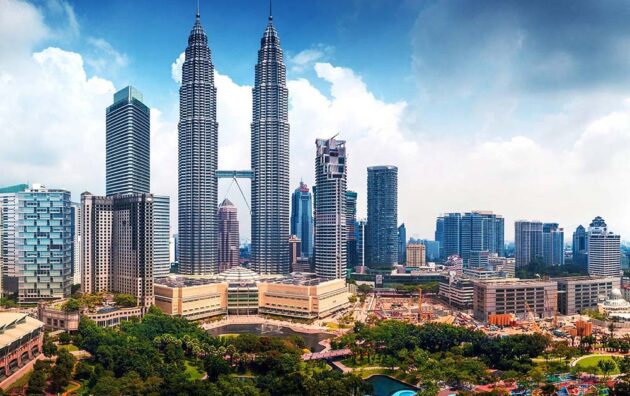
Malaysia Vacation Guide

Liverpool Travel Guide

Norway Travel Guide
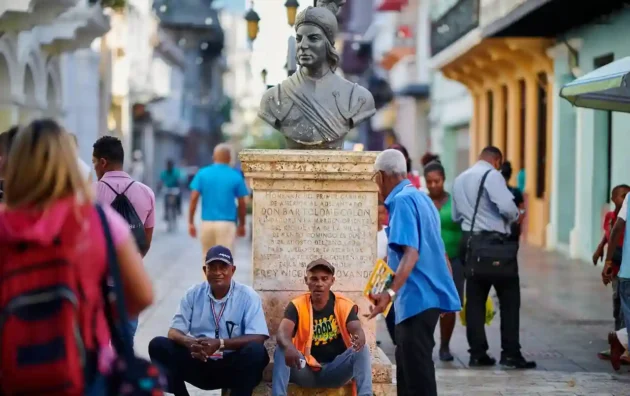
Santo Domingo Travel Guide

Discover the Dominican Republic
Discovering Brno
Exploring Prague
Discovering the Czech Republic
Discovering Venice
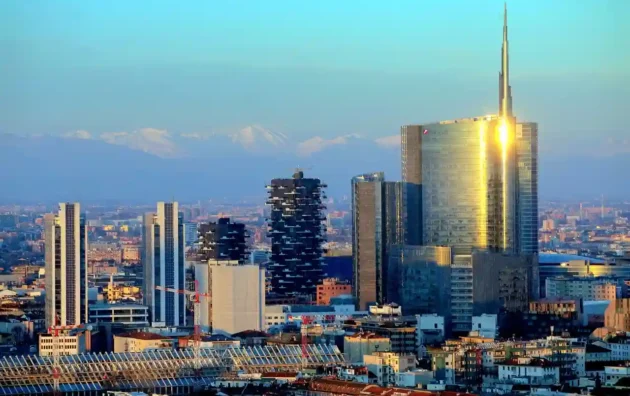
Milan Travel Guide