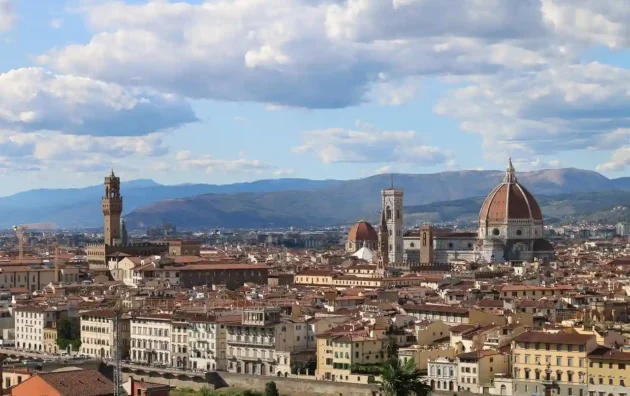
Discover the Wonders of Turkey
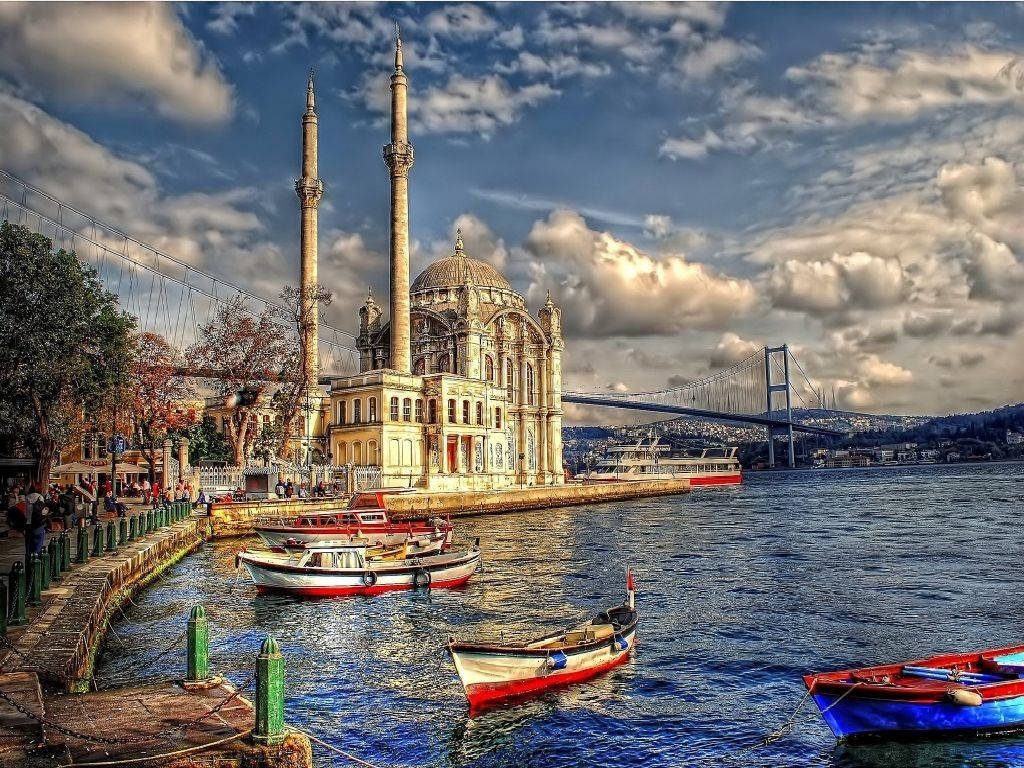
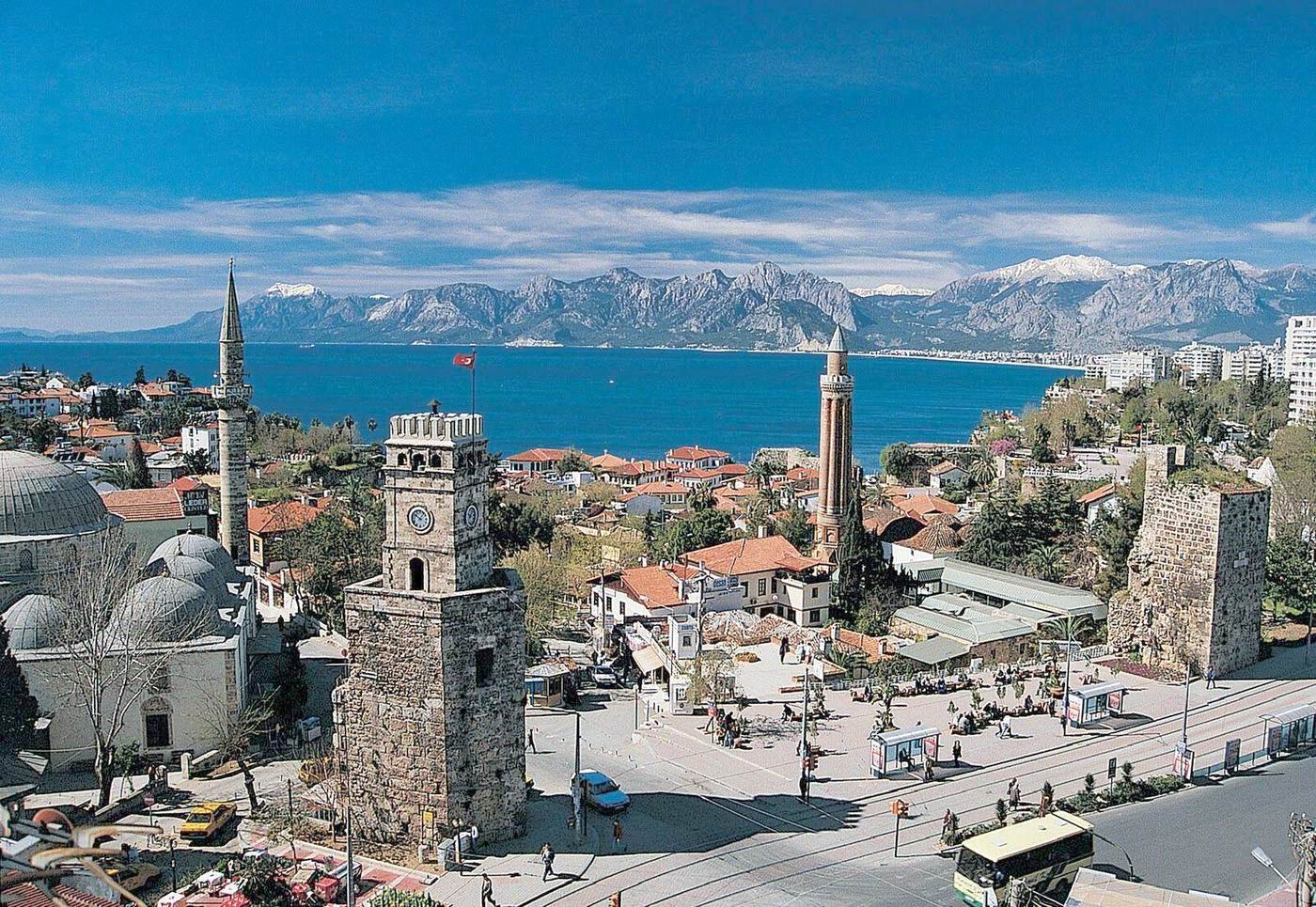
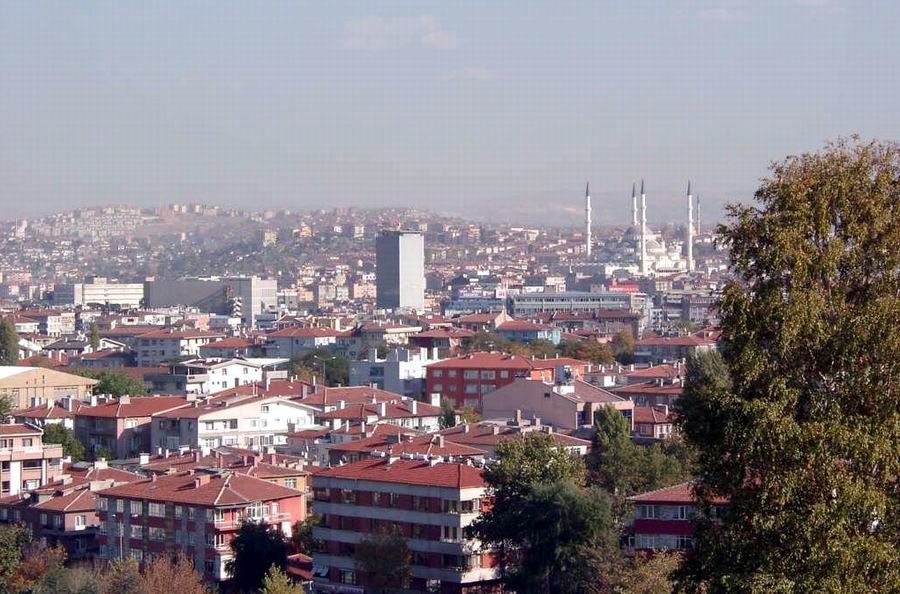
Must-See & Must-Do
Türkiye About
There is evidence that the bed of the Black Sea was once an inhabited plain, before it was flooded in prehistoric times by rising sea levels.
Mount Ararat (Ağrı Dağı), at 5,165 m is the country’s highest point and legendary landing place of Noah’s Ark, lies in the mountains on the far eastern edge of the country.
Turkey was founded in 1923 from the remnants of the Ottoman Empire. Soon thereafter the country instituted secular laws to replace traditional religious fiats. In 1945 Turkey joined the UN, and in 1952 it became a member of NATO.
Turkey offers a wealth of destination varieties to travellers: from dome-and-minaret filled skyline of Istanbul to Roman ruins along the western and southern coasts, from heavily indendated coastline against a mountainous backdrop of Lycia and wide and sunny beaches of Pamphylia to cold and snowy mountains of the East, from crazy “foam parties” of Bodrum to Middle Eastern-flavoured cities of Southeastern Anatolia, from verdant misty mountains of Eastern Black Sea to wide steppe landscapes of Central Anatolia, there is something for everyone’s taste—whether they be travelling on an extreme budget by hitchhiking or by a multi-million yacht.
A Brief History of Turkey
Ancient Civilizations
The land that is modern-day Turkey has been home to some of the world’s earliest civilizations.
Anatolia (Asia Minor) was the cradle of many cultures, including the Hittites (c. 1600–1200 BCE), Phrygians, Urartians, and Lydians.
The legendary city of Troy, immortalized in Homer’s Iliad, was also located here.
Classical Antiquity
By the 6th century BCE, western Anatolia became part of the Persian Empire.
After Alexander the Great’s conquest (334 BCE), Hellenistic culture spread across the region.
Later, Anatolia became a vital part of the Roman Empire and then the Byzantine Empire (Eastern Roman Empire).
Cities like Ephesus, Pergamon, and Aphrodisias flourished during this era.
The Byzantine Empire (330–1453 CE)
In 330 CE, Emperor Constantine made Constantinople (modern Istanbul) the capital of the Eastern Roman Empire.
For over a thousand years, Constantinople was a center of Christianity, trade, and culture.
Architectural marvels like the Hagia Sophia were built during this time.
The Seljuks and Early Turkish States (11th–13th century)
From the 11th century onward, Turkic peoples migrated into Anatolia after the Battle of Manzikert (1071).
The Seljuk Turks established the Sultanate of Rum, leaving behind stunning architecture such as the caravanserais and mosques of Konya.
The Ottoman Empire (1299–1922)
Founded by Osman I, the Ottomans rose from a small principality in northwestern Anatolia to one of the most powerful empires in history.
In 1453, Sultan Mehmed II (Mehmed the Conqueror) captured Constantinople, renaming it Istanbul and making it the capital.
The empire stretched across Southeast Europe, the Middle East, and North Africa, lasting over 600 years.
The Ottomans left a vast cultural legacy—mosques, palaces, calligraphy, and cuisine.
The Republic of Turkey (1923–Present)
After World War I and the fall of the Ottoman Empire, Turkish nationalists led by Mustafa Kemal Atatürk fought the War of Independence (1919–1923).
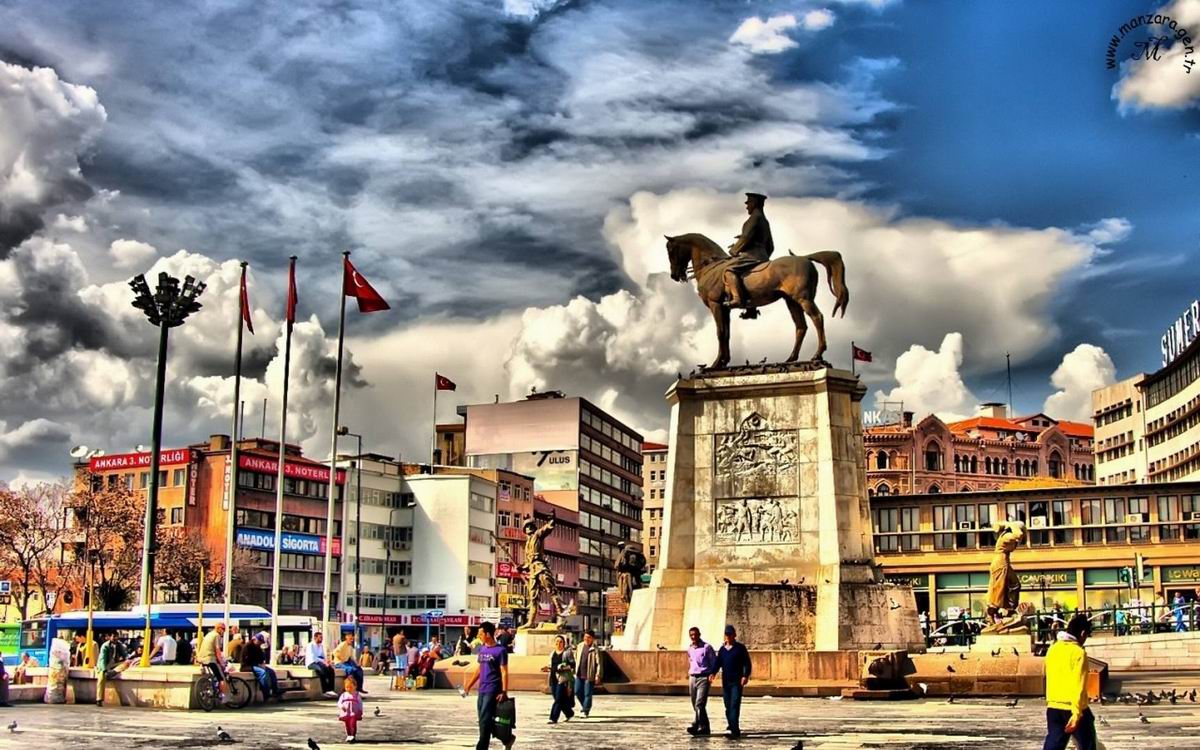
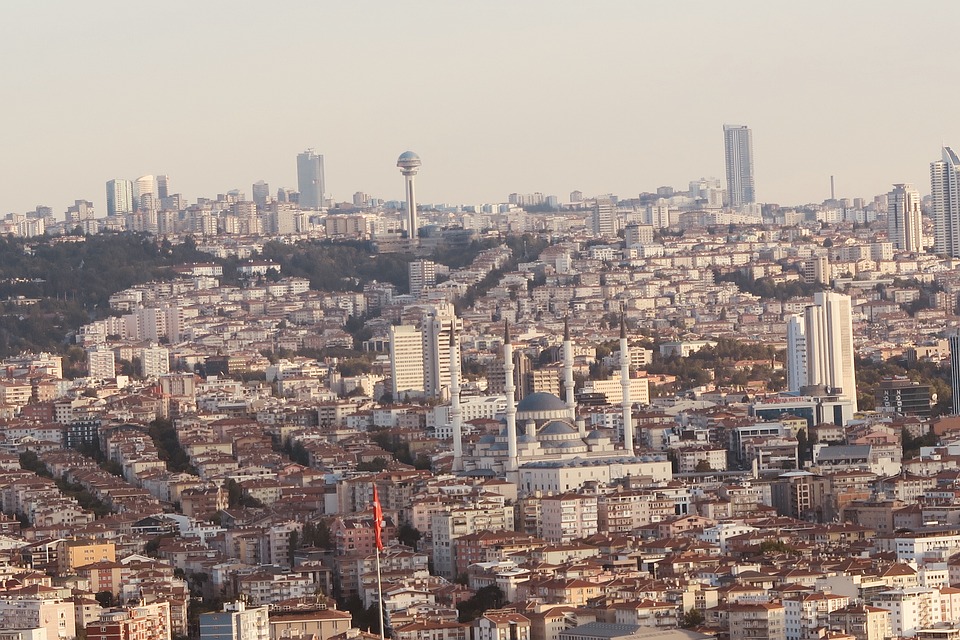
In 1923, the Republic of Turkey was founded, with Ankara as its capital.
Atatürk implemented sweeping reforms, modernizing the country, adopting secularism, and introducing a new alphabet.
Today, Turkey is a modern nation that blends its deep historical heritage with contemporary culture.
Transportation
Turkey has a well-connected and diverse transportation network, making it easy for both locals and tourists to travel across the country. Whether you’re exploring bustling cities like Istanbul, relaxing on the Mediterranean coast, or heading inland to Cappadocia, there are plenty of options to get around.
Air Travel
Airports: Turkey has over 50 airports, with major hubs in Istanbul (IST, SAW), Ankara (ESB), Izmir (ADB), and Antalya (AYT).
Domestic Flights: Affordable and convenient, with frequent connections between major cities. Airlines like Turkish Airlines, Pegasus, and AnadoluJet make domestic travel fast and accessible.
Railways
High-Speed Trains (YHT): Modern high-speed trains connect Istanbul – Ankara – Konya – Eskişehir. Comfortable, affordable, and a great alternative to flights.
Conventional Trains: Long-distance trains operate to cities like Kars (Eastern Express), offering scenic journeys ideal for travelers who enjoy slow travel.
Buses and Coaches
Intercity Coaches: Turkey’s bus network is extensive, reliable, and budget-friendly. Popular companies include Metro Turizm, Kamil Koç, and Pamukkale.
Comfort: Long-distance buses often provide free Wi-Fi, snacks, and comfortable seating.
Local Minibuses (Dolmuş): Shared taxis/minibuses that operate on fixed routes—perfect for short distances within towns or between nearby villages.
Urban Transportation
Istanbul: Offers metro, trams, ferries, buses, and the famous funiculars. The Istanbulkart is a rechargeable card valid across all public transport.
Ankara & Izmir: Have metro systems, light rail, and buses.
Taxis & Ride-Sharing: Widely available, though using official taxis or apps (like BiTaksi) is recommended.
Sea Travel
Ferries in Istanbul: A scenic way to cross between Europe and Asia. Affordable and part of daily life.
Turkish Riviera Cruises: Blue cruises along the Aegean and Mediterranean coasts are popular for tourists.
International Ferries: Seasonal connections to Greece and Cyprus.
Driving in Turkey
Car Rental: Popular for exploring regions like Cappadocia, the Aegean coast, or Eastern Anatolia.
Road Quality: Major highways are modern and well-maintained.
Tips: Drive carefully in cities (traffic can be heavy), and note that tolls on highways are electronic.
A Taste of Turkey: Culinary Journeys for Travelers
When visiting Turkey, exploring its cuisine is just as important as discovering its ancient cities and natural wonders. Turkish food is a reflection of the country’s rich history and cultural diversity, offering flavors that have been shaped by centuries of tradition from the Ottoman Empire, Central Asia, the Middle East, and the Mediterranean.
The Flavors of Tradition
One of the best-known dishes is the kebab, served in many regional varieties—from the spicy Adana kebab to the savory lamb-based İskender kebab topped with tomato sauce and yogurt. Along the coasts, fresh fish and seafood are paired with meze plates, small appetizers that showcase everything from stuffed grape leaves to creamy eggplant dips.
Street Food Delights
For travelers wandering through Turkish cities, street food is an experience not to be missed. Try a freshly baked simit, a sesame-covered bread ring often enjoyed with tea, or grab a warm lahmacun, known as Turkish pizza, topped with minced meat and herbs. And of course, don’t leave without tasting kokoreç, a spicy grilled delicacy loved by locals.
Sweet Endings
No Turkish meal is complete without something sweet. Baklava, layers of flaky pastry filled with pistachios or walnuts and soaked in syrup, is world-famous. Pair it with a strong cup of Turkish coffee or a glass of çay (tea), and you’ll experience one of the country’s most beloved traditions.
A Feast for Every Traveler
From bustling bazaars in Istanbul to family-run taverns in small Anatolian towns, food in Turkey is more than just a meal—it’s a celebration of culture, hospitality, and history. Every dish tells a story, and every bite is an invitation to connect with the people and traditions of this vibrant country.
In Turkey, exploring the cuisine is part of the journey. Come hungry, and leave with unforgettable flavors.
Similar Listing
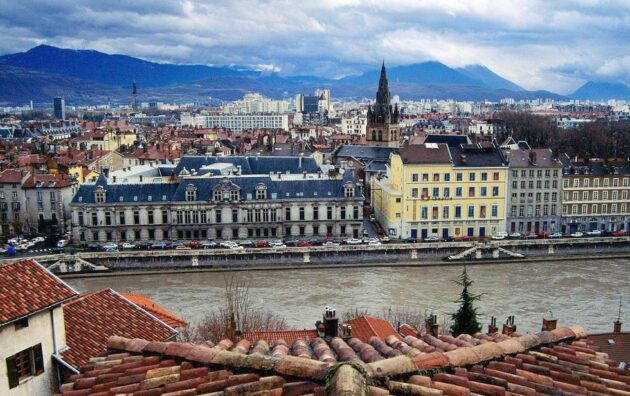
Toulouse Travel Guide

Strasbourg Travel Guide
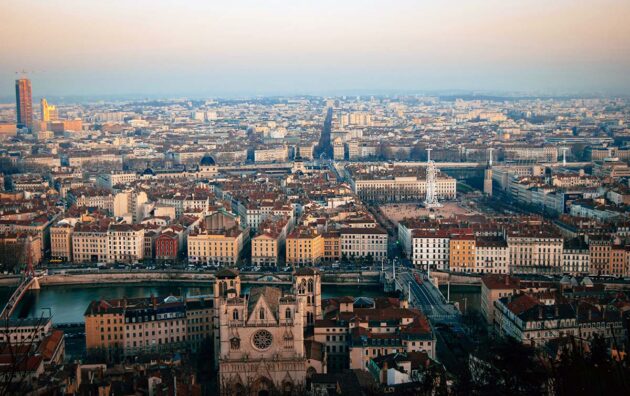
Lyon Travel Guide
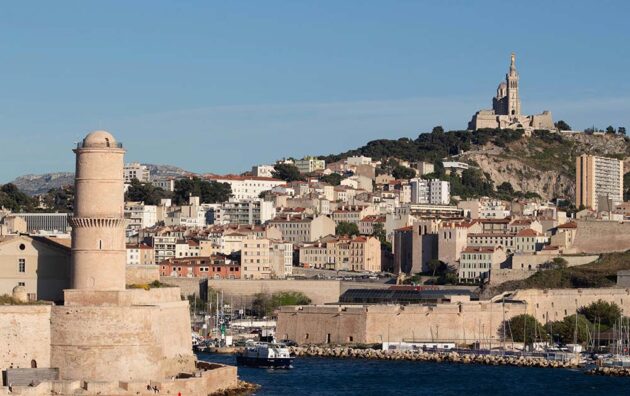
Marseille Travel Guide
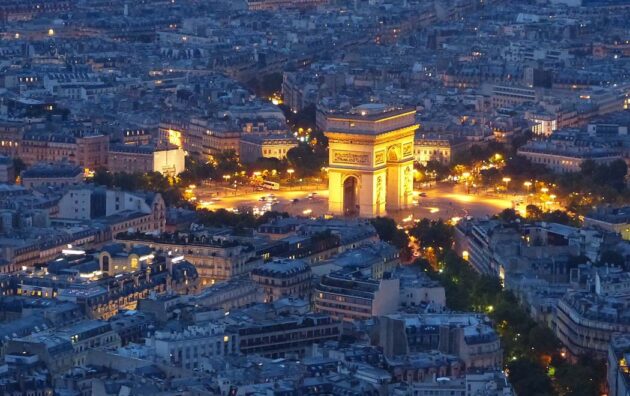
Paris Vacation Guide
Lille Vacation Guide
France Travel Guide
Seberang Perai Vacation Guide
Malaysia Vacation Guide

Liverpool Travel Guide

Norway Travel Guide
Santo Domingo Travel Guide

Discover the Dominican Republic
Discovering Brno
Exploring Prague
Discovering the Czech Republic
Discovering Venice
Milan Travel Guide