Brisbane Travel Guide
Destination Description
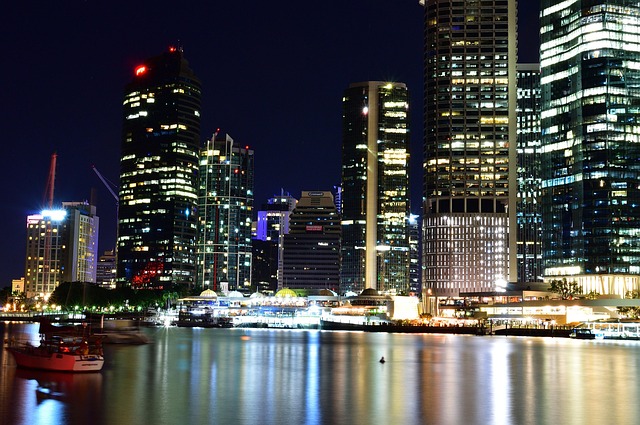
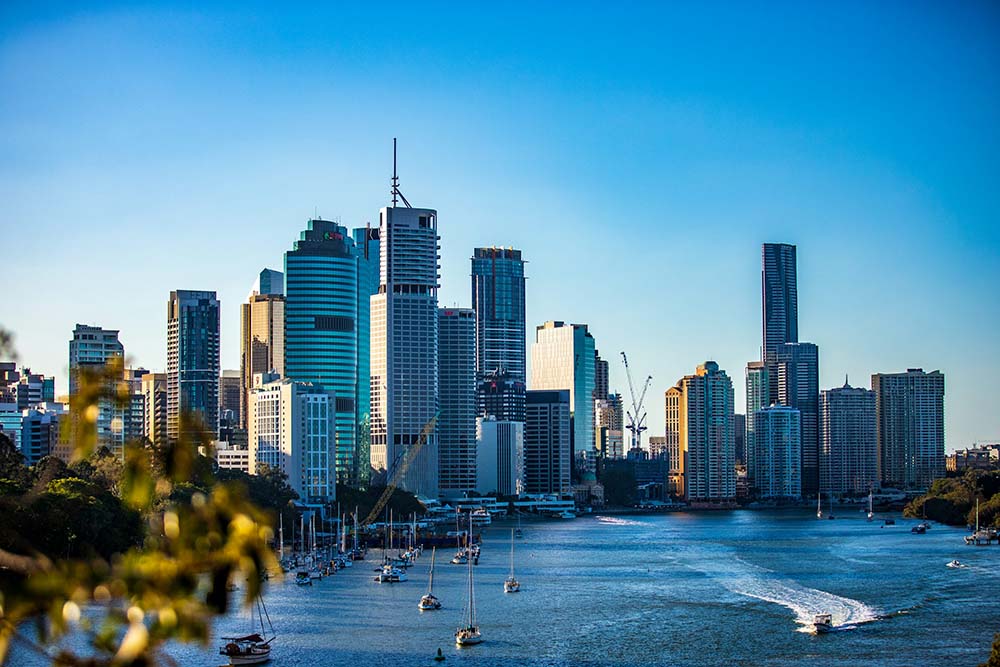
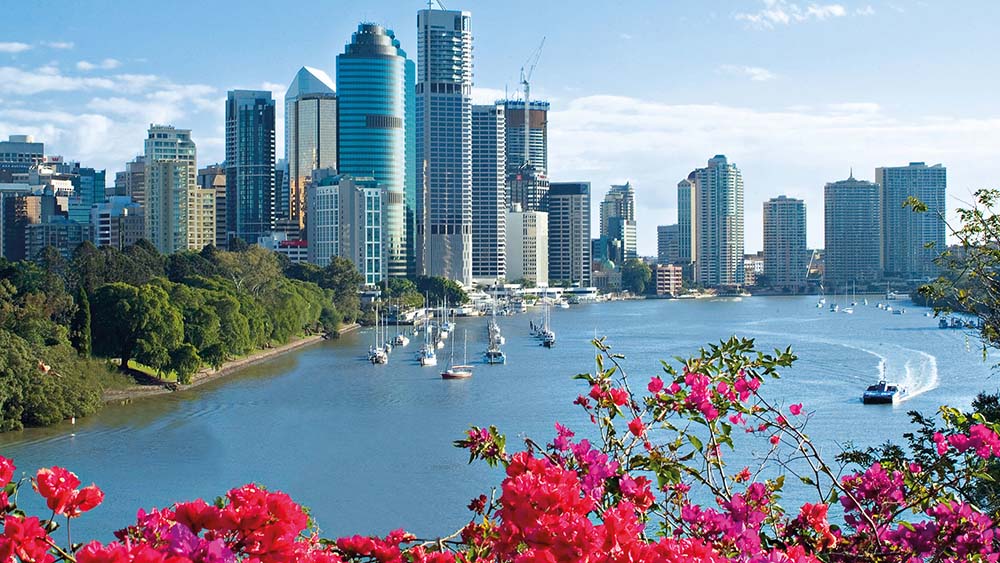
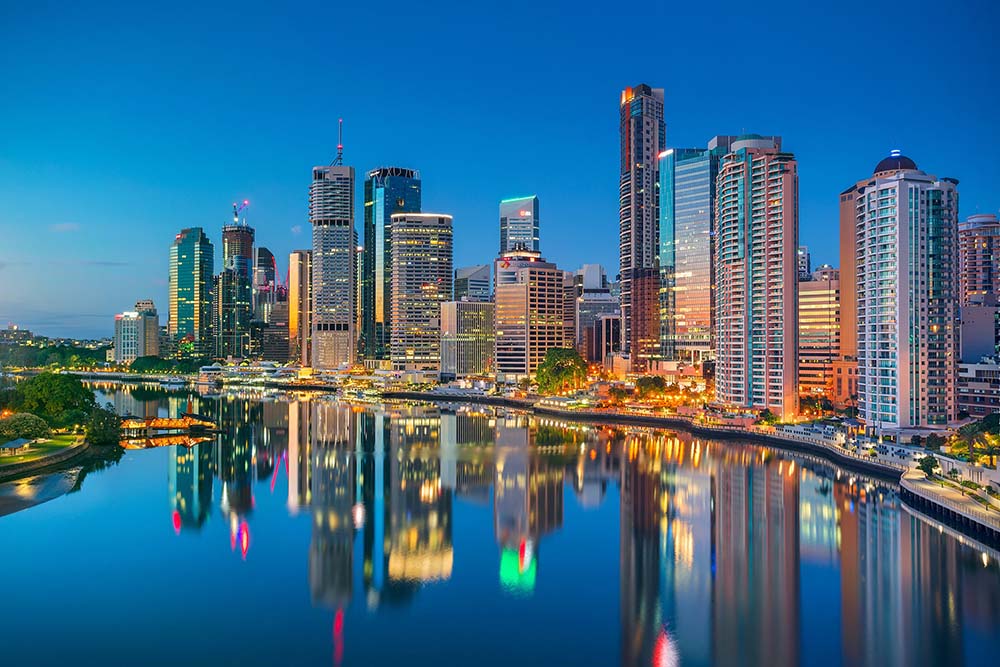
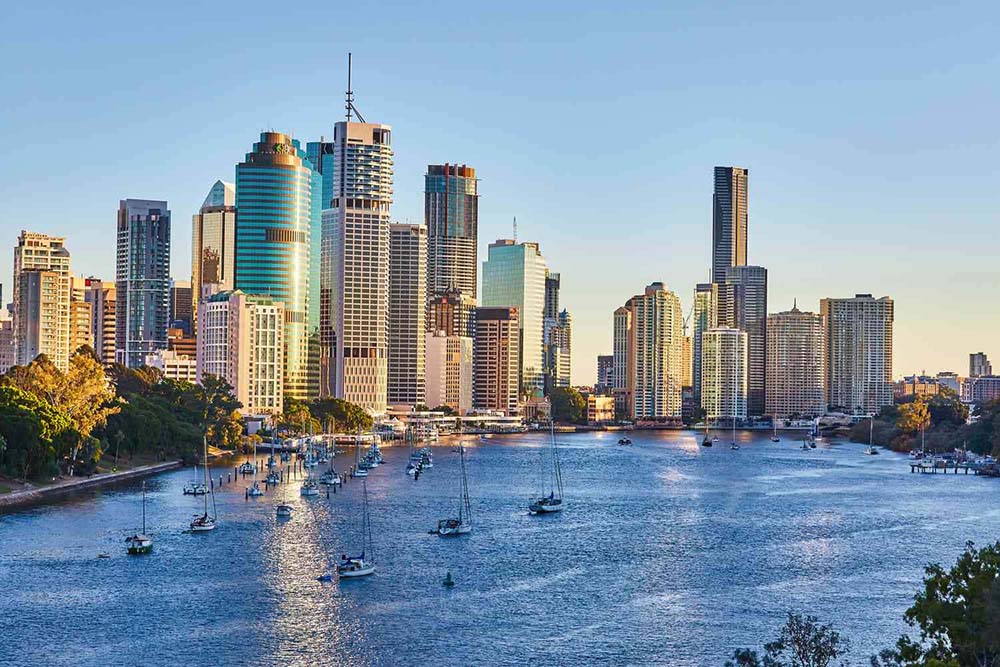
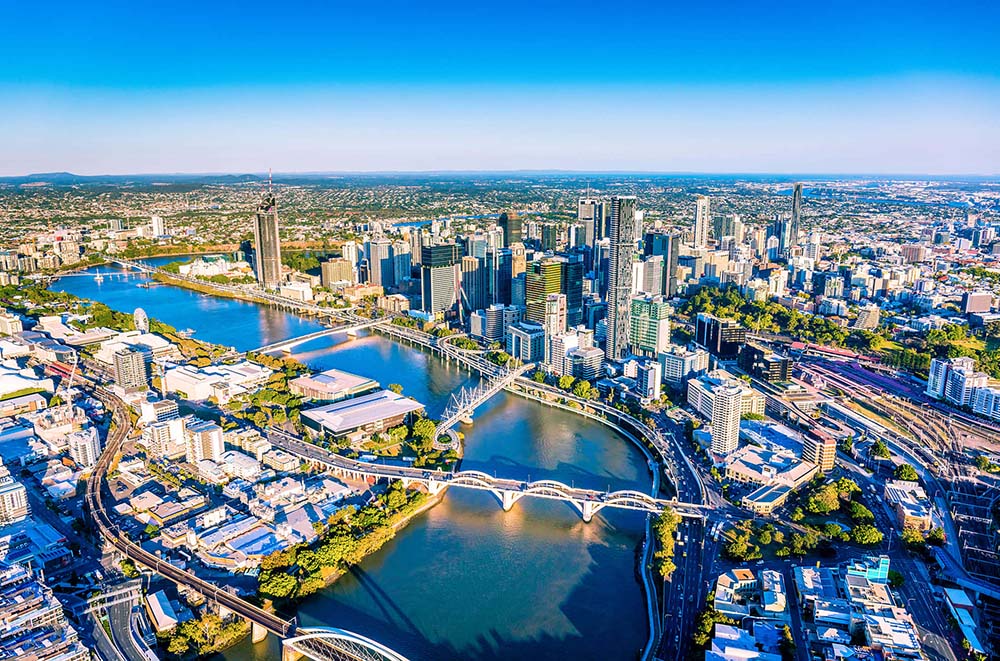
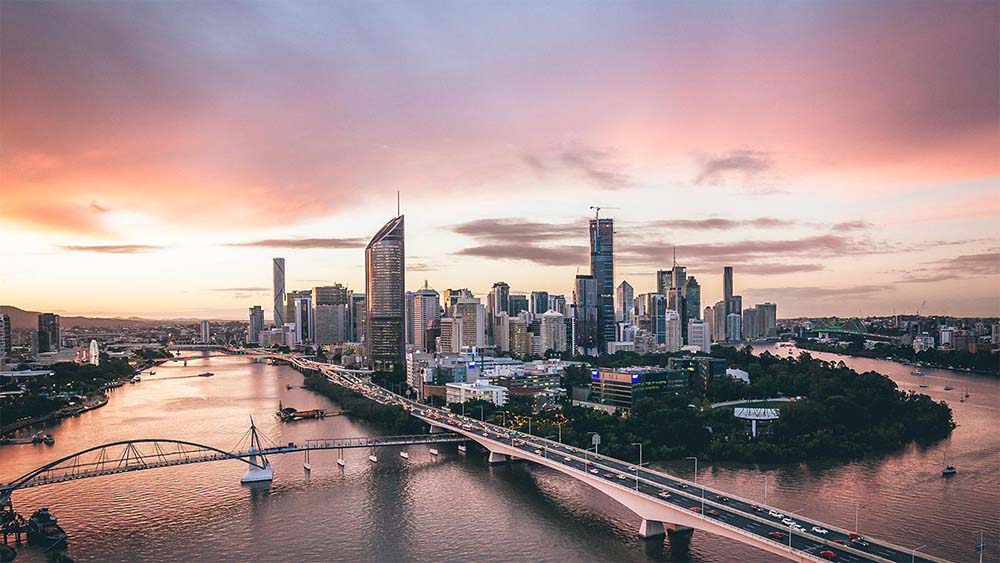
Known as the capital of Queensland, Brisbane is one of Australia’s fastest-growing and most vibrant cities. With its sunny climate, riverside lifestyle, thriving cultural scene, and access to stunning natural attractions, Brisbane has become a must-visit travel destination for tourists from around the world.
Why Visit Brisbane?
Brisbane is often described as a city where urban energy meets outdoor adventure. Unlike Sydney and Melbourne, Brisbane is more relaxed but equally exciting. Here’s why you should visit:
Year-round sunshine – With over 280 sunny days a year, it’s the perfect place for outdoor activities.
World-class cultural attractions – From the Gallery of Modern Art (GOMA) to live music and festivals, Brisbane has a rich cultural scene.
Access to natural wonders – Just an hour away, you’ll find the Gold Coast, Sunshine Coast, and Moreton Bay Islands.
Wildlife experiences – It’s one of the best places to cuddle a koala and see kangaroos up close.
Must-See & Must-Do
Top Things to Do in Brisbane
South Bank Parklands
Brisbane’s riverside playground is filled with gardens, walking paths, markets, and the famous Streets Beach, a man-made lagoon right in the city. Perfect for families and first-time visitors.
Brisbane River & River Cruises
See the city from the water by taking a CityCat ferry or a guided Brisbane River cruise. You’ll pass iconic landmarks and enjoy some of the best skyline views.
Gallery of Modern Art (GOMA) & Cultural Centre
Home to Australia’s largest collection of modern art, GOMA is a highlight for art lovers. Nearby, the Queensland Art Gallery, Museum, and Performing Arts Centre make up Brisbane’s cultural hub.
Brisbane City Botanic Gardens
A peaceful escape with historic trees, tropical gardens, and riverfront paths. For panoramic city views, head to the Mount Coot-tha Botanic Gardens.
Story Bridge Adventure Climb
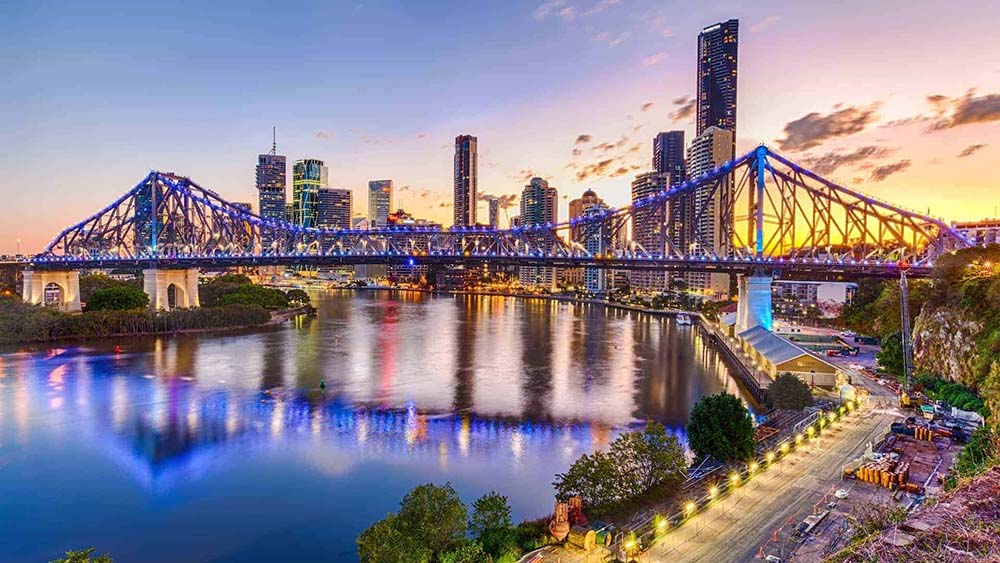
For thrill-seekers, climbing the iconic Story Bridge offers 360° views over Brisbane and beyond—a bucket-list experience.
Lone Pine Koala Sanctuary
The world’s oldest and largest koala sanctuary, where you can hold a koala, hand-feed kangaroos, and meet native wildlife.
Mount Coot-tha Lookout
Only 15 minutes from the city, this lookout point offers the best views of Brisbane. Ideal for sunset or starting a hike.
Moreton Bay & Islands
Take a day trip to Moreton Island or North Stradbroke Island for snorkeling, whale watching, sandboarding, and beach relaxation.
What to Eat in Brisbane
Brisbane has become one of Australia’s foodie capitals, offering everything from fine dining to casual street food. Must-try food experiences include:
Moreton Bay Bugs – A local seafood delicacy, often grilled or served with garlic butter.
Brisbane’s café culture – Enjoy world-class coffee and brunch at spots like West End or Fortitude Valley.
Riverfront dining – Try restaurants at Howard Smith Wharves or along Eagle Street Pier for fresh seafood with a view.
Craft beer & rooftop bars – Brisbane has a growing craft beer scene and trendy rooftop bars perfect for sunset drinks.
Local farmers’ markets – Visit the Jan Powers Farmers Market or Eat Street Northshore for street food and global flavors.
Best Time to Visit Brisbane
Spring (September–November): Warm weather and blooming gardens—ideal for sightseeing.
Summer (December–February): Hot and humid, perfect for swimming and island trips.
Autumn (March–May): Mild temperatures and fewer crowds.
Winter (June–August): Sunny, dry, and great for exploring outdoors.
Tip: Brisbane hosts major festivals like Riverfire (September) and Brisbane Festival, which are worth timing your trip around.
Travel Tips for Brisbane Visitors
Getting Around: Use the Go Card for buses, trains, and ferries. Walking and cycling along the river are also popular.
Where to Stay: Stay in the CBD for convenience, South Bank for family-friendly vibes, or Fortitude Valley for nightlife.
Day Trips: Don’t miss the Gold Coast, Sunshine Coast, or Lamington National Park for rainforest hikes.
Pack for Sunshine: Sunscreen, hat, and light clothing are essentials year-round.
Climate and the Best Time to Visit
Brisbane enjoys a subtropical climate, meaning warm weather almost year-round.
-Summer (December–February): Hot and humid with afternoon storms (25–32°C).
-Autumn (March–May): Pleasant weather, great for outdoor activities.
-Winter (June–August): Mild and dry (10–22°C), perfect for exploring.
-Spring (September–November): Warm and sunny, one of the best times to visit.
Tip: Winter and spring are the most comfortable seasons for sightseeing.
Similar Listing

Toulouse Travel Guide

Strasbourg Travel Guide

Lyon Travel Guide

Marseille Travel Guide

Paris Vacation Guide

Lille Vacation Guide

France Travel Guide
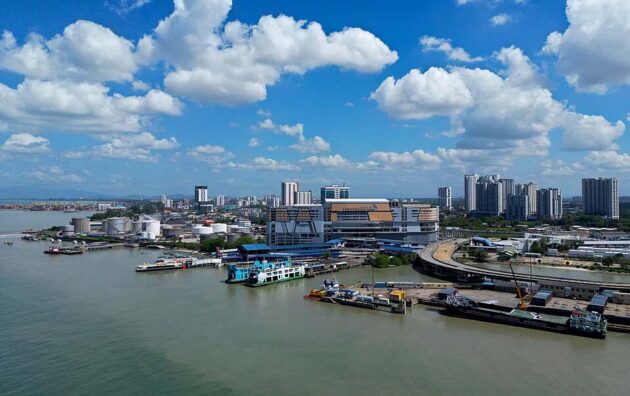
Seberang Perai Vacation Guide
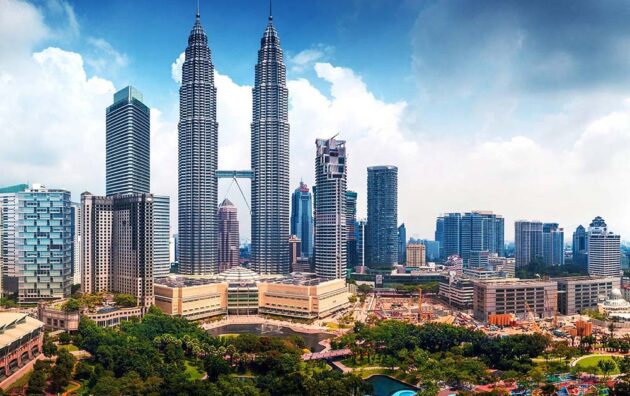
Malaysia Vacation Guide

Liverpool Travel Guide

Norway Travel Guide

Santo Domingo Travel Guide
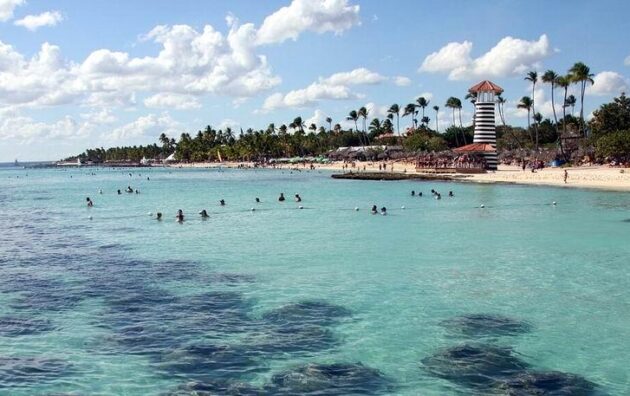
Discover the Dominican Republic

Discovering Brno

Exploring Prague

Discovering the Czech Republic
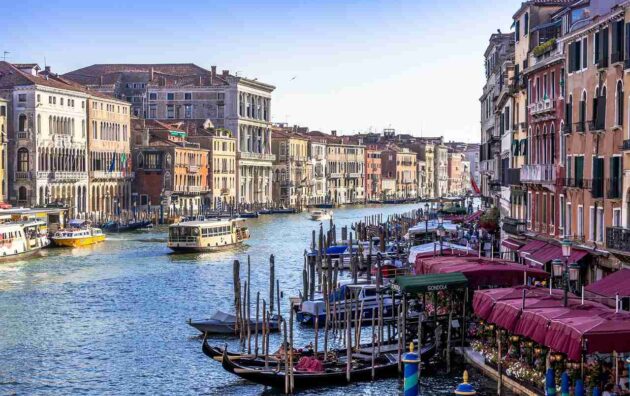
Discovering Venice

Milan Travel Guide