Tourist Attractions in Melbourne
Destination Description
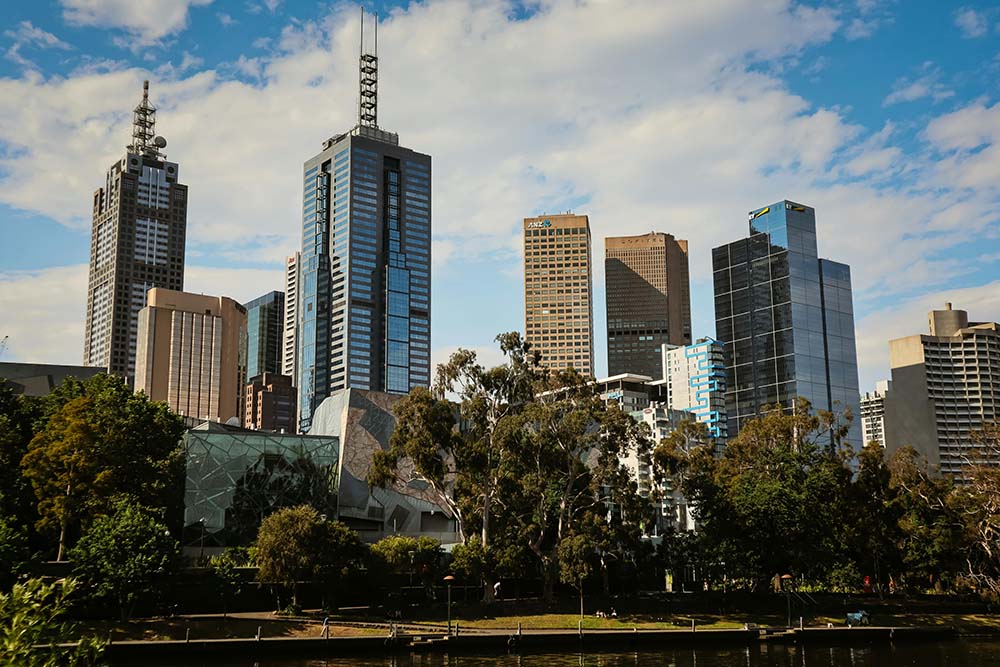
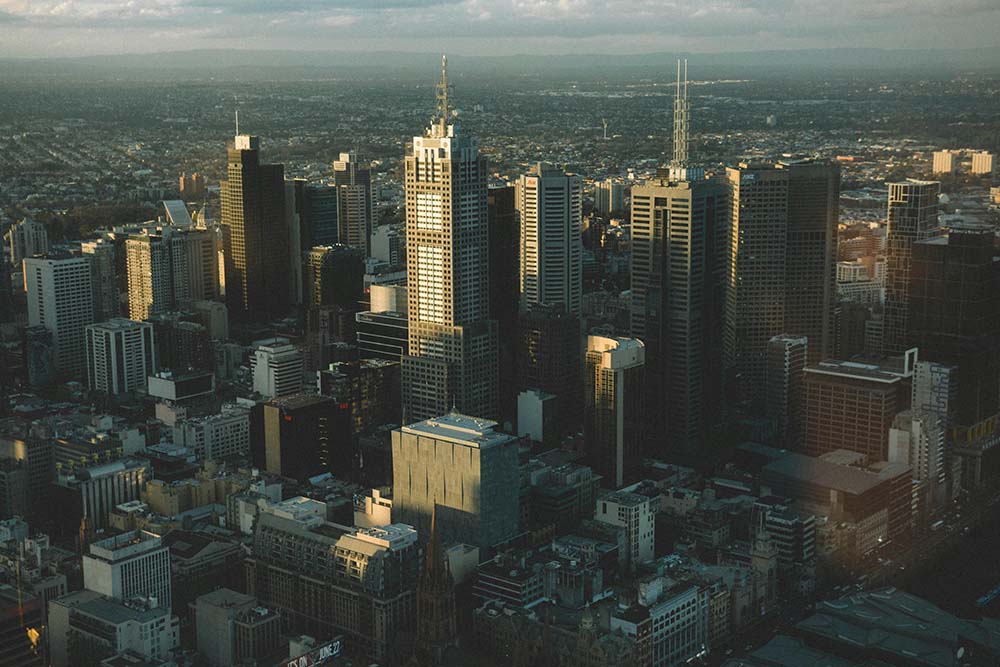
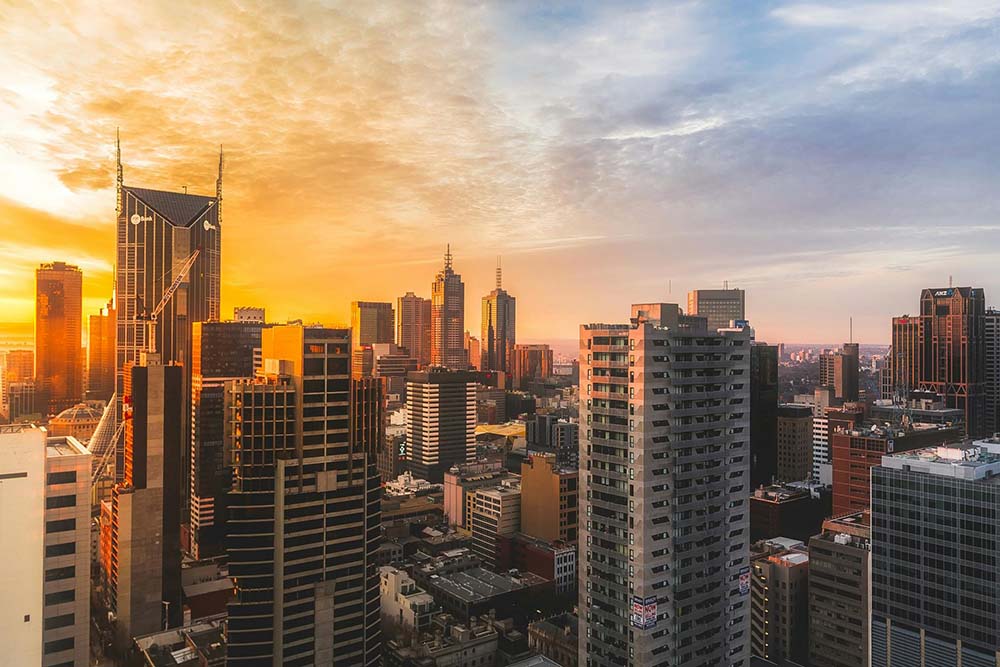
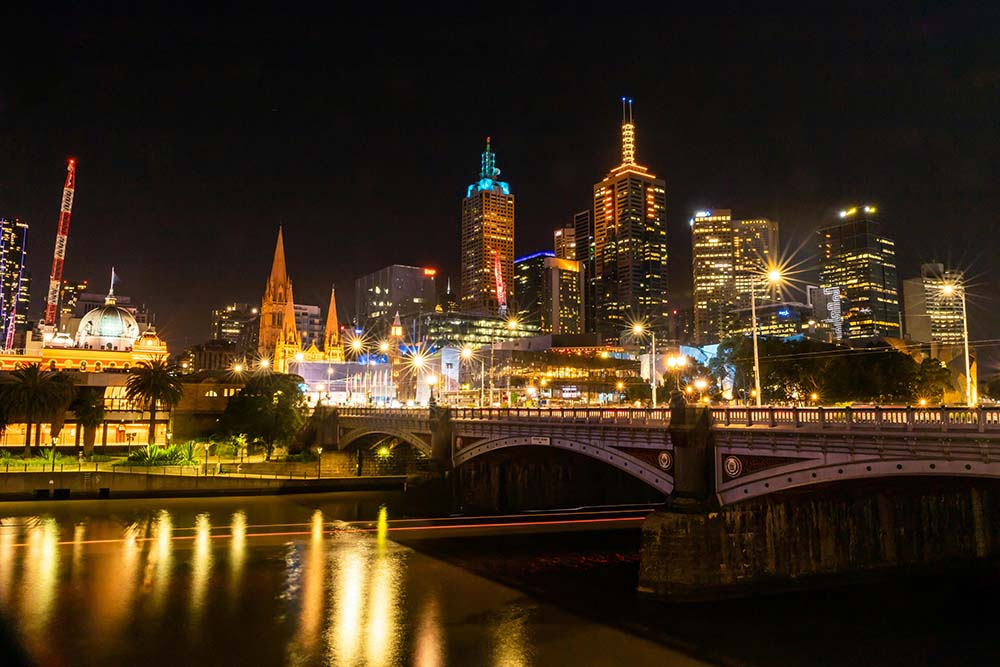
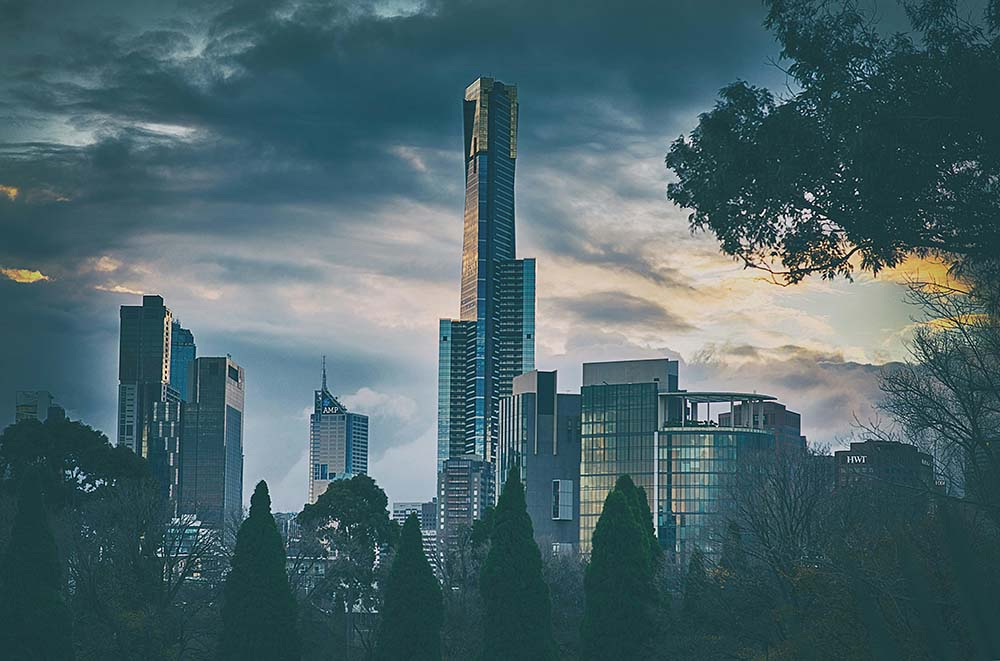
Melbourne, often called the cultural capital of Australia, is a city where creativity, history, and modern life come together. Known for its vibrant laneways, thriving arts scene, world-class dining, and sports culture, Melbourne is a must-visit destination for travelers.
Federation Square
Located in the heart of Melbourne, Federation Square is a cultural hub filled with museums, galleries, restaurants, and event spaces. It’s also a perfect meeting point and a great place to start your Melbourne adventure.
Melbourne’s Laneways and Street Art
One of Melbourne’s most unique attractions is its laneways, narrow alleys filled with cafés, boutique shops, and colorful street art. Hosier Lane is particularly famous for its ever-changing graffiti walls, making it a favorite for photographers and art lovers.
Royal Botanic Gardens
Covering nearly 100 acres, the Royal Botanic Gardens are a green oasis in the city. Visitors can enjoy a peaceful stroll, a picnic by the lake, or guided tours that highlight Australia’s diverse plant life.
Melbourne Cricket Ground (MCG)
Sports fans can’t miss the MCG, one of the most iconic stadiums in the world. Whether it’s cricket in the summer or Australian Rules Football in the winter, the atmosphere is unforgettable. Guided tours and the National Sports Museum add to the experience.
Queen Victoria Market
A Melbourne institution since the 19th century, Queen Victoria Market is the best place to sample local produce, artisan foods, and handmade crafts. The lively market atmosphere makes it a favorite for both locals and visitors.
Melbourne Zoo
Just a short trip from the city center, Melbourne Zoo is home to over 300 species of animals from around the world. Highlights include koalas, kangaroos, and the award-winning Trail of the Elephants.
St Kilda
For a relaxed seaside vibe, head to St Kilda. Famous for its beach, historic pier, and vibrant nightlife, it’s also home to Luna Park, one of the world’s oldest amusement parks. Don’t miss the fairy penguins that can sometimes be spotted near the pier at sunset.
Yarra River & Southbank
The Yarra River winds through the city, with Southbank offering riverside dining, art galleries, and nightlife. It’s also a great spot to enjoy a river cruise and see Melbourne from a different perspective.
Melbourne Museum & Royal Exhibition Building
The Melbourne Museum is the largest museum in the Southern Hemisphere, featuring everything from Aboriginal history to modern science exhibits. Next door, the Royal Exhibition Building, a UNESCO World Heritage site, is a stunning example of 19th-century architecture.
Day Trips from Melbourne
Beyond the city, Melbourne is the gateway to unforgettable day trips:
Great Ocean Road – Famous for the Twelve Apostles rock formations.
Phillip Island – Home to the adorable penguin parade.
Yarra Valley – A wine lover’s paradise with vineyards and gourmet dining.
Melbourne is more than just a city—it’s an experience. With its blend of art, sport, history, and natural beauty, every corner offers something new to discover.
Must-See & Must-Do
History of Melbourne
Melbourne is a city steeped in history and culture, with its growth from a small settlement into a modern metropolis being a fascinating journey.
From the early days where it was merely a collection of tents and huts on the banks of the Yarra River to today’s bustling commercial and financial centre, Melbourne has come a long way. The city has a rich cultural heritage that is evident in its art, museums and historical landmarks, all of which are must-see attractions for any visitor.
Speaking of museums, Melbourne is home to some of the finest in the country, with the Melbourne Museum being one of the most popular. This museum takes visitors on a journey through time, exploring the history of the city and its people through interactive displays and exhibits. The museum covers everything from the Aboriginal history of the area to the gold rush that put Melbourne on the map.
Another must-visit attraction is the National Gallery of Victoria, which houses an extensive collection of Australian and international art. The gallery has a rich and diverse collection that spans centuries, from ancient art to contemporary works. It truly is a marvel to behold, and a testament to Melbourne’s cultural richness.
Climate of Melbourne
Melbourne’s Climate and the Best Times to Visit
Melbourne is famous for its unpredictable weather, often jokingly described as having “four seasons in a day.” Despite this, the city enjoys a temperate oceanic climate, with mild winters and warm summers, making it a year-round destination for travelers.
Seasonal Overview
Summer (December – February):
Warm and sunny, with average temperatures ranging from 14°C to 26°C (57°F – 79°F). Summer is ideal for exploring beaches, attending outdoor festivals, and enjoying rooftop bars. Be prepared for occasional heatwaves.
Autumn (March – May):
Mild and comfortable, with temperatures between 11°C and 22°C (52°F – 72°F). This season is perfect for sightseeing, walking through parks with colorful foliage, and wine tours in nearby regions like the Yarra Valley.
Winter (June – August):
Cool and crisp, with temperatures ranging from 6°C to 14°C (43°F – 57°F). Winter is quieter for tourists, making it a good time to explore museums, galleries, and indoor attractions. Occasional rain is common.
Spring (September – November):
Fresh and blooming, with temperatures from 10°C to 20°C (50°F – 68°F). Spring is ideal for visiting gardens, enjoying outdoor markets, and attending cultural events as the city comes alive after winter.
Best Time to Visit Melbourne
For Festivals and Events: Spring (September – November) hosts art and music festivals, food events, and the famous Melbourne Cup horse race.
For Beach and Outdoor Activities: Summer (December – February) is best for beaches, coastal walks, and sporting events.
For Budget Travelers: Winter (June – August) offers lower accommodation prices and fewer crowds.
For Scenic Day Trips: Autumn (March – May) provides clear skies and perfect conditions for exploring the Great Ocean Road or the Dandenong Ranges.
Melbourne’s climate may be unpredictable, but that’s part of its charm. Whether you’re enjoying summer festivals, autumn foliage, or cozying up in winter cafés, the city has something special in every season.
Transport in Melbourne
Melbourne is one of the easiest Australian cities to explore thanks to its well-connected and tourist-friendly transport system. From historic trams to modern trains, getting around the city is part of the experience. Here’s a guide to help travelers navigate Melbourne smoothly.
Myki Card – Your Ticket Everywhere
Most public transport in Melbourne uses the Myki card (a reusable smart card). You can use it on trains, trams, and buses across the city and suburbs. Cards are available at stations, convenience stores, and online. Contactless payment trials are also rolling out on some services.
Trams – A Melbourne Icon
Melbourne is famous for its tram network, the largest in the world.
City Circle Tram (Free Tram Zone): Tourists will love the City Circle Tram (Route 35), which runs through central Melbourne and is free. It passes major landmarks such as Federation Square, Parliament House, and Docklands.
Regular Trams: Outside the free zone, you’ll need a Myki card, but trams are still one of the most scenic and convenient ways to get around.
Trains
Melbourne’s train network connects the central city with suburbs and outer regions. Flinders Street Station, with its iconic yellow façade and clock tower, is the hub of the system. Trains are fast and efficient, especially for reaching places like St Kilda (via connecting tram) or day trips to the Yarra Valley and regional Victoria.
Buses
Buses cover areas where trams and trains don’t reach. They’re useful for getting to outer suburbs, shopping centers, and even the airport (via SkyBus).
Airport Transfers
SkyBus: The most popular airport shuttle, running 24/7 between Melbourne Airport (Tullamarine) and Southern Cross Station.
Public Buses: Cheaper, but take longer and usually require transfers.
Taxis & Ride-Sharing: Uber and other ride-share apps are widely available at the airport.
Cycling & Walking
Melbourne is a bike-friendly city with many cycling paths, especially along the Yarra River and around the Royal Botanic Gardens. Walking is also enjoyable in the city center, thanks to its compact layout and pedestrian-friendly laneways.
Taxis & Ride-Sharing
Taxis are easy to find, but most visitors prefer Uber, Ola, or Didi, which are cheaper and convenient.
Travel Tips for Tourists
Use the Free Tram Zone in the city center to save money.
Always tap on and tap off with your Myki card (except on trams, where you just tap on).
Avoid traveling during peak hours (7–9 AM and 4–6 PM) if you want a quieter ride.
For day trips outside Melbourne, check V/Line trains for regional travel.
Melbourne’s transport system is not just practical but part of the city’s charm. Riding the iconic trams, exploring the city on foot, and taking easy day trips make getting around a fun part of the journey. With Myki and the Free Tram Zone, exploring Melbourne is simple and budget-friendly for travelers.
What to Eat in Melbourne
Melbourne is a food lover’s paradise. Its multicultural population brings flavors from all over the world, making it one of Australia’s top culinary destinations. From street food to fine dining, here’s a guide to what you should try when visiting Melbourne.
Café Culture
Melbourne is famous for its coffee culture. Cafés are everywhere, and brunch is almost a ritual.
Fresh Seafood
Barramundi – Deliciously grilled or pan-fried.
Oysters – Fresh and creamy, usually served with lemon.
Fish & Chips – Perfect for a casual meal, often enjoyed near the waterfront.
International Flavors
Italian – Pizza, pasta, and risotto in neighborhoods like Carlton.
Asian Cuisine – Japanese, Thai, Chinese, and Vietnamese food are abundant, especially in Chinatown.
Middle Eastern & Mediterranean – Shawarma, falafel, and hummus can be found across the city.
Sweet Treats
Pavlova – A meringue dessert topped with fresh cream and fruit.
Tim Tams – Australia’s beloved chocolate biscuits.
Vegemite on Toast – A salty spread popular with locals—try it thinly!
Melbourne is a city that feeds both your stomach and your soul. From trendy cafés and fresh seafood to international cuisine and sweet treats, every meal is an experience.
Similar Listing
Toulouse Travel Guide
Strasbourg Travel Guide
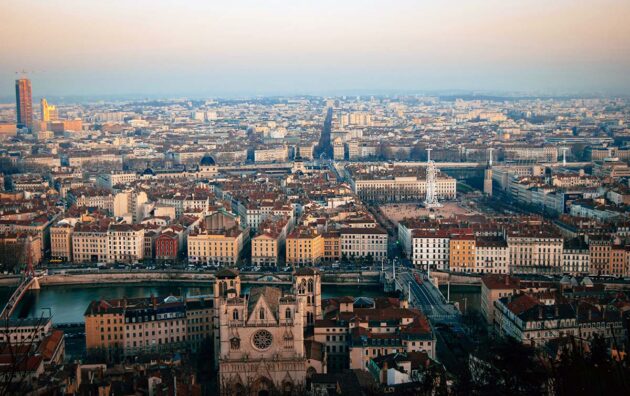
Lyon Travel Guide
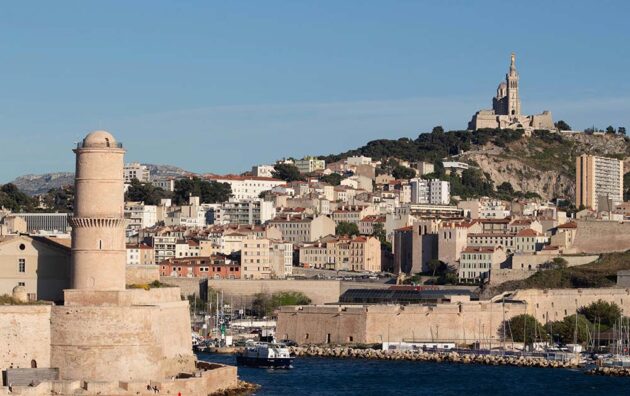
Marseille Travel Guide
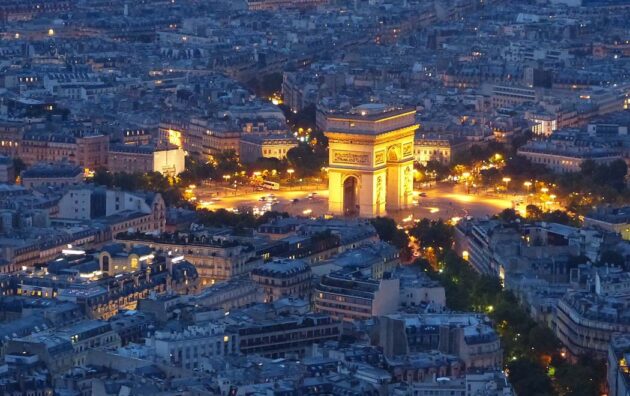
Paris Vacation Guide
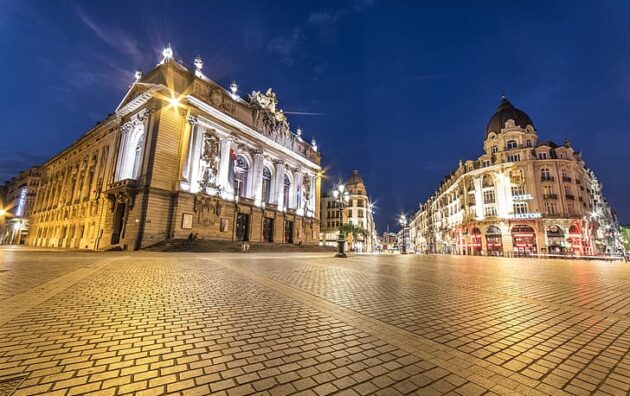
Lille Vacation Guide
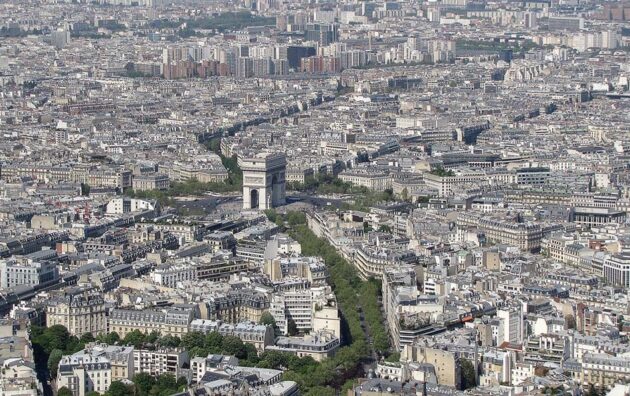
France Travel Guide
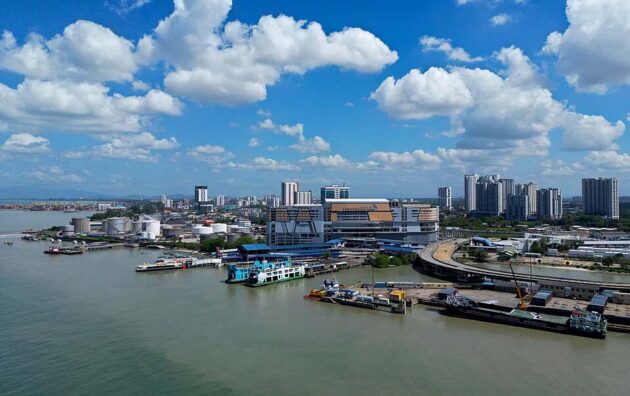
Seberang Perai Vacation Guide
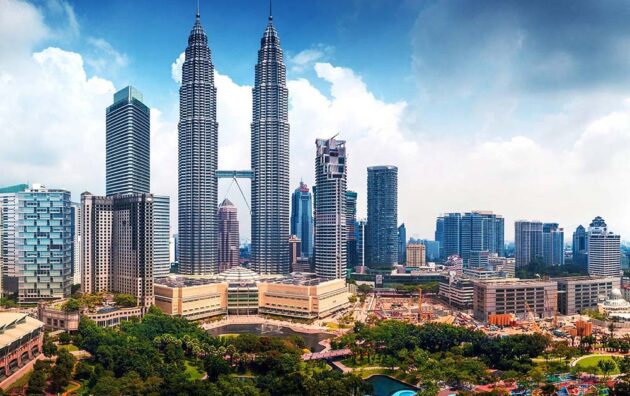
Malaysia Vacation Guide
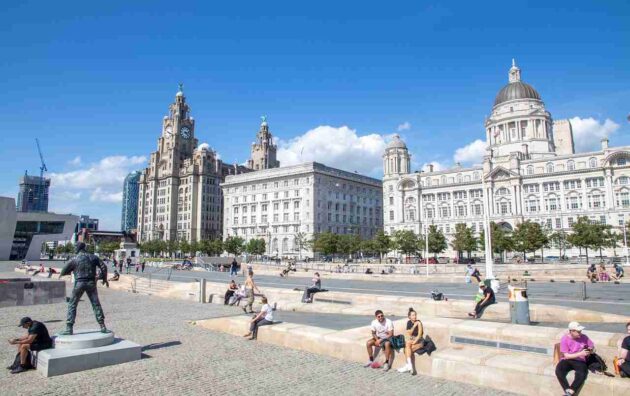
Liverpool Travel Guide
Norway Travel Guide
Santo Domingo Travel Guide
Discover the Dominican Republic
Discovering Brno
Exploring Prague
Discovering the Czech Republic
Discovering Venice
Milan Travel Guide