Lanzarote, Spain
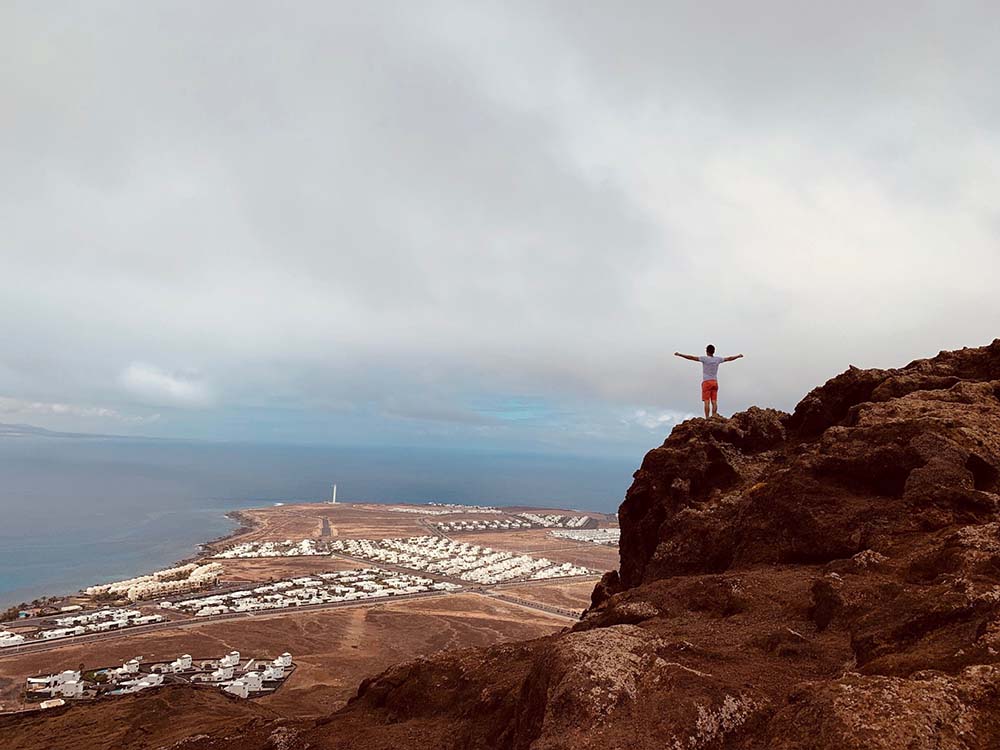
Destination Description
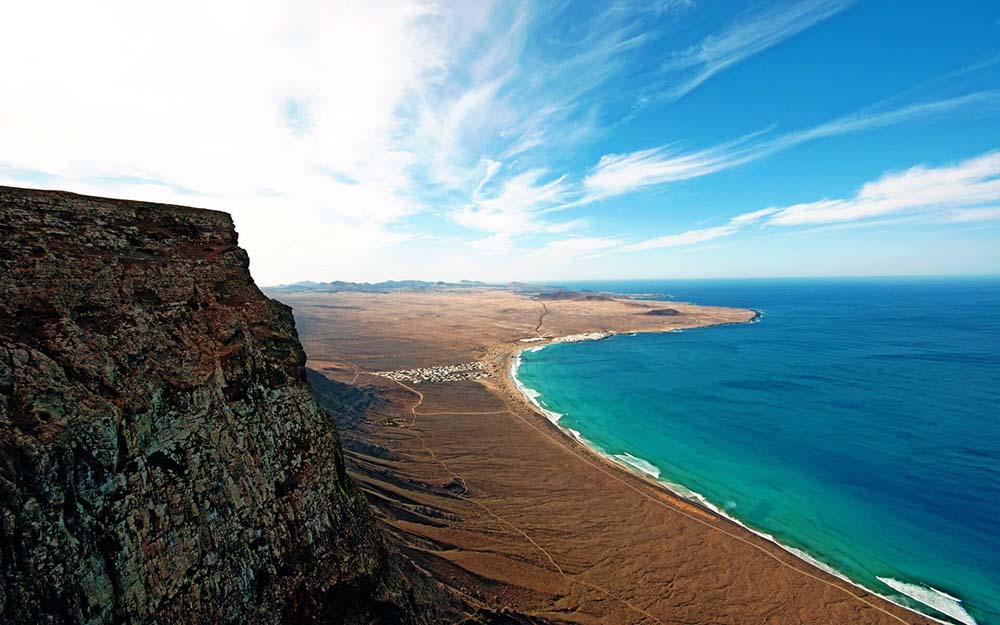
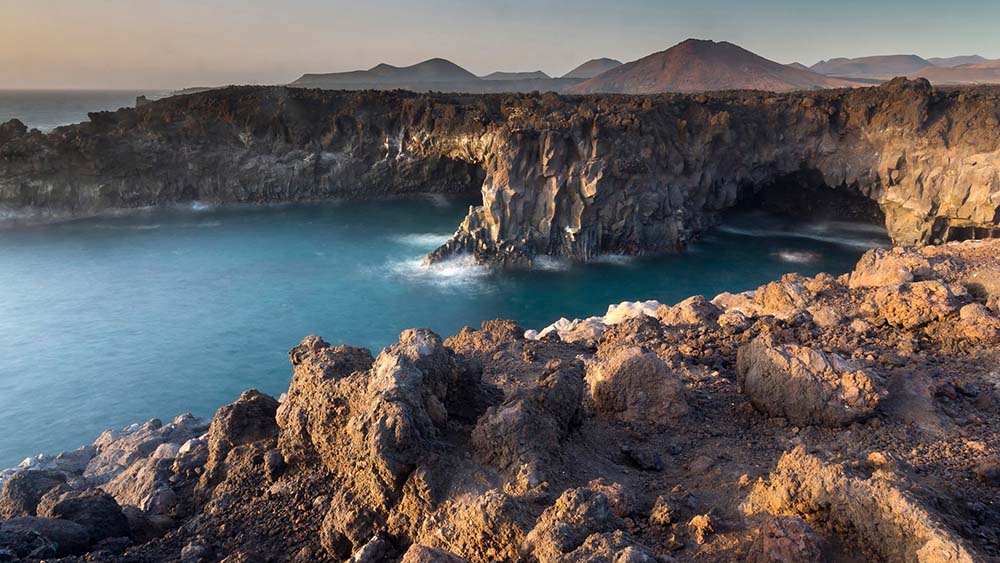
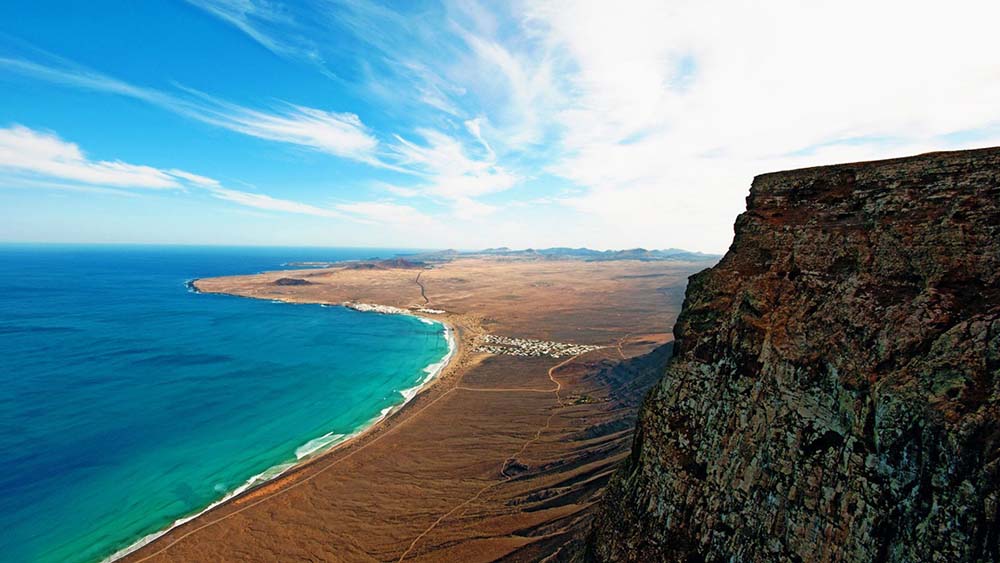
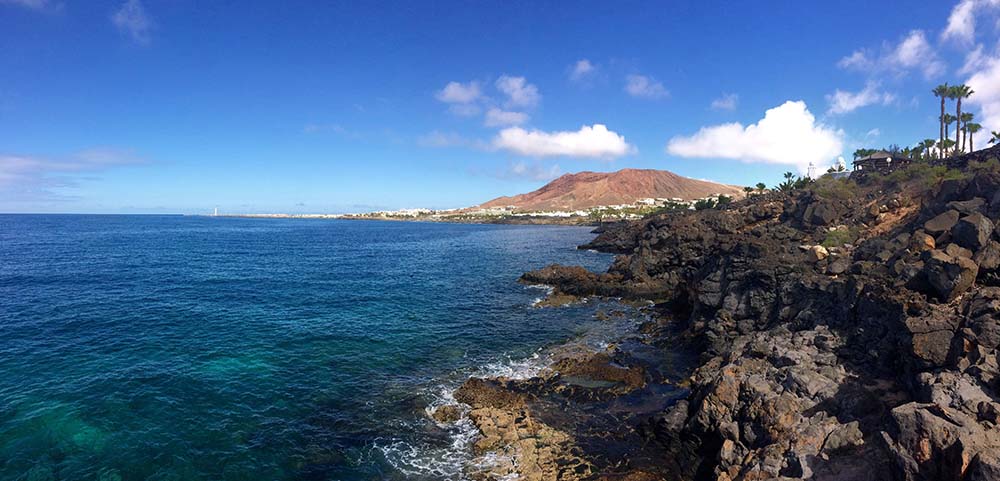
With its otherworldly volcanic landscapes, pristine beaches, and unique artistic heritage, Lanzarote is one of Spain’s most fascinating destinations. Located in the Canary Islands, this UNESCO Biosphere Reserve combines nature, culture, and relaxation, making it a perfect getaway for both adventure seekers and beach lovers.
The island was declared a biosphere reserve by UNESCO in 1993. The island’s capital is Arrecife, which lies on the eastern coastline. It is the smaller main island of the Province of Las Palmas.
A Glimpse into Lanzarote’s History
Lanzarote was first inhabited by the Majos (indigenous people) before the Spanish conquest in the 15th century.
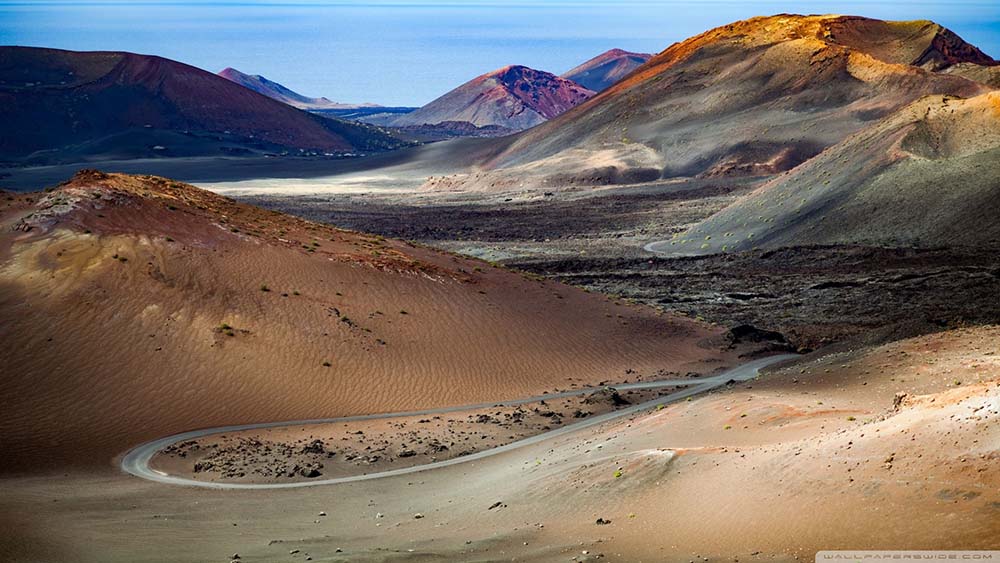
Throughout its history, volcanic eruptions shaped the island’s dramatic scenery, most notably the eruptions of Timanfaya in the 18th century.
Today, Lanzarote is world-renowned for its unique architecture and natural conservation, thanks largely to the influence of César Manrique, a local artist and architect.
Top Attractions in Lanzarote
-Timanfaya National Park: A must-see with its surreal lava fields, craters, and geothermal demonstrations. Visitors can explore via guided tours or camel rides.
-Jameos del Agua: A volcanic cave transformed into an extraordinary cultural and artistic space by César Manrique.
-Cueva de los Verdes: A magical lava tube with guided tours showcasing the island’s geological wonders.
-Papagayo Beaches: Famous for golden sands and turquoise waters, ideal for swimming and sunbathing.
-La Geria Wine Region: Explore volcanic vineyards and taste Lanzarote’s unique Malvasía wines.
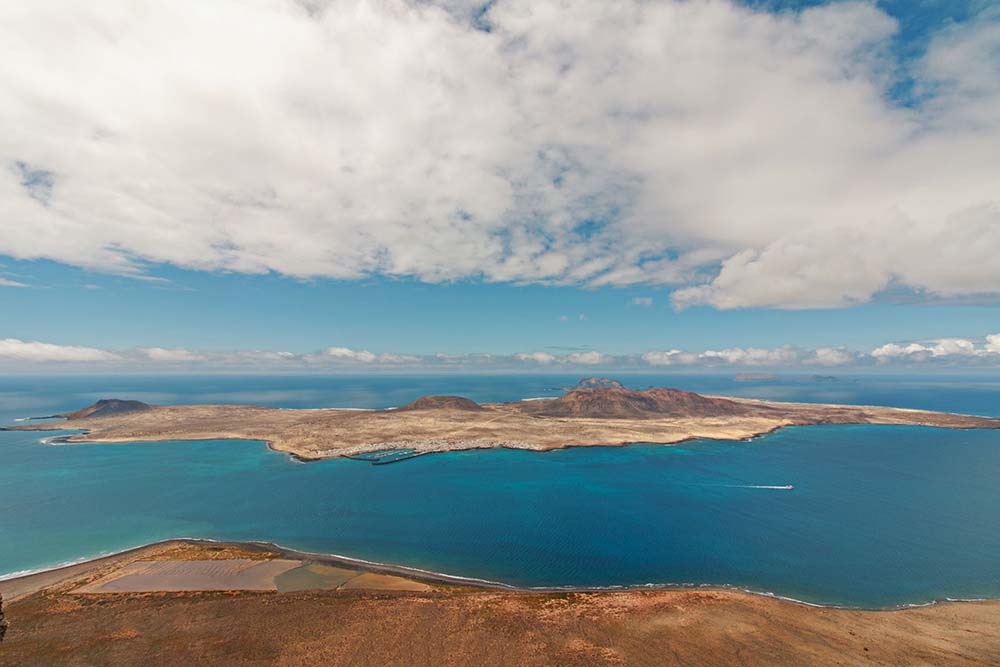
-Mirador del Río: A breathtaking viewpoint designed by César Manrique, overlooking La Graciosa island.
With its volcanic beauty, artistic legacy, and stunning beaches, Lanzarote is not just a destination but a living artwork of nature and culture.
Must-See & Must-Do
Food and Gastronomy in Lanzarote
Lanzarote offers traditional Canarian cuisine with a volcanic twist.
-Papas arrugadas con mojo: Local wrinkled potatoes with spicy red or green sauce.
-Fresh seafood: Octopus, sardines, and vieja fish are island specialties.
-Goat cheese: Lanzarote’s artisanal cheeses are award-winning.
-Volcanic wines: Distinctive wines grown in ash-covered vineyards.
Accommodation in Lanzarote
From luxury resorts in Playa Blanca and Puerto del Carmen to charming rural houses in traditional villages, Lanzarote has something for everyone. Eco-friendly hotels and villas are also popular, reflecting the island’s sustainable tourism philosophy.
Climate and Best Time to Visit in Lanzarote
-Nicknamed the “Island of Eternal Spring”, Lanzarote enjoys mild, sunny weather year-round.
-Summer (June–September): Hot and dry, great for beach holidays.
-Winter (December–February): Warm and sunny, popular with European travelers escaping the cold.
-Spring and Autumn: Ideal for hiking, cycling, and sightseeing with fewer crowds.
Transportation and Getting There in Lanzarote
-By Air: Lanzarote Airport (Arrecife Airport) connects the island with mainland Spain and major European cities.
-By Sea: Ferries link Lanzarote with nearby Canary Islands like Fuerteventura and Gran Canaria.
-Getting Around: Renting a car is highly recommended for exploring volcanic routes and hidden beaches, although buses and taxis are available.
Similar Listing
Toulouse Travel Guide

Strasbourg Travel Guide
Lyon Travel Guide
Marseille Travel Guide

Paris Vacation Guide
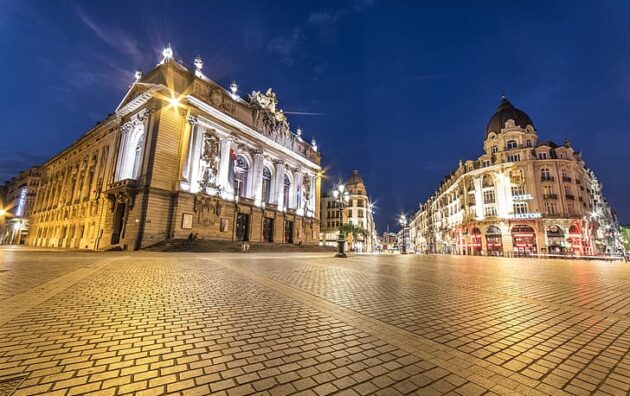
Lille Vacation Guide

France Travel Guide
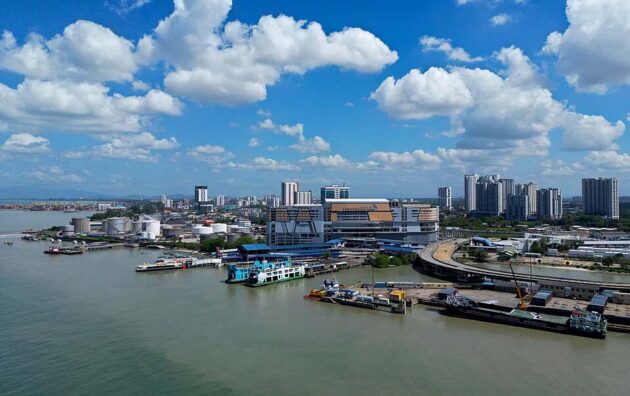
Seberang Perai Vacation Guide
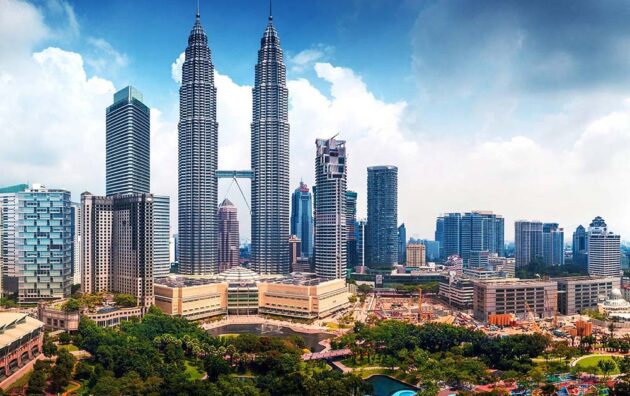
Malaysia Vacation Guide

Liverpool Travel Guide
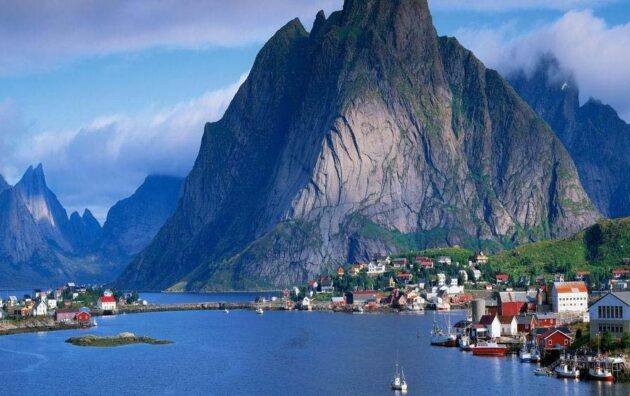
Norway Travel Guide

Santo Domingo Travel Guide
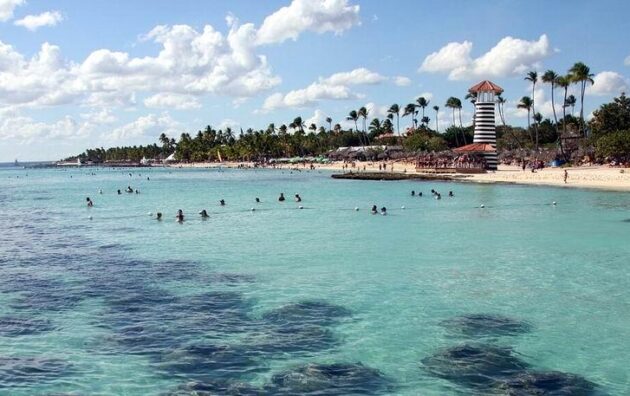
Discover the Dominican Republic
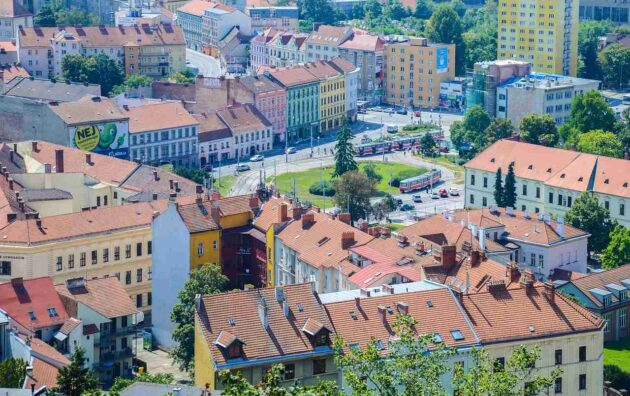
Discovering Brno
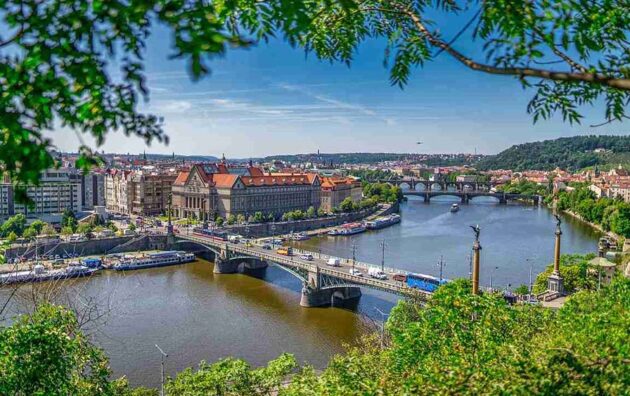
Exploring Prague
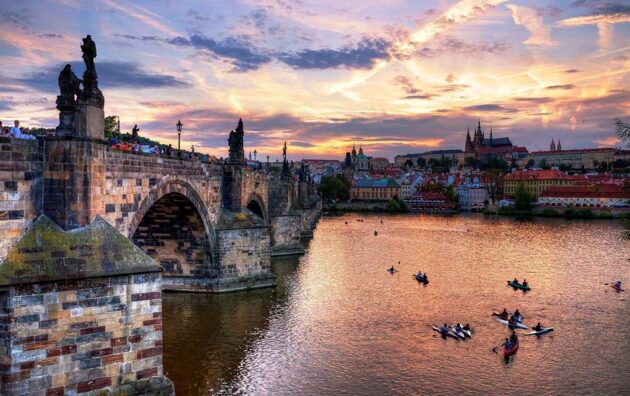
Discovering the Czech Republic
Discovering Venice
Milan Travel Guide