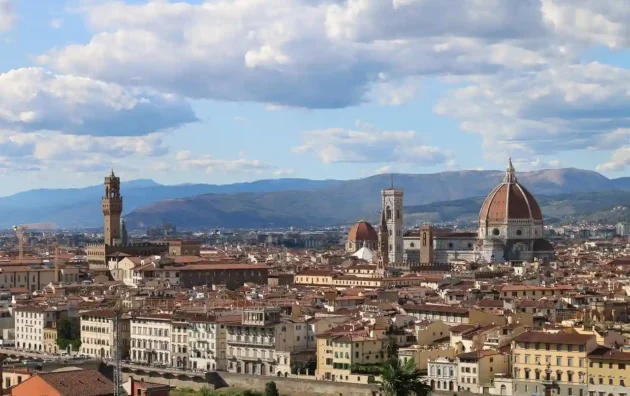
Rome Travel Guide
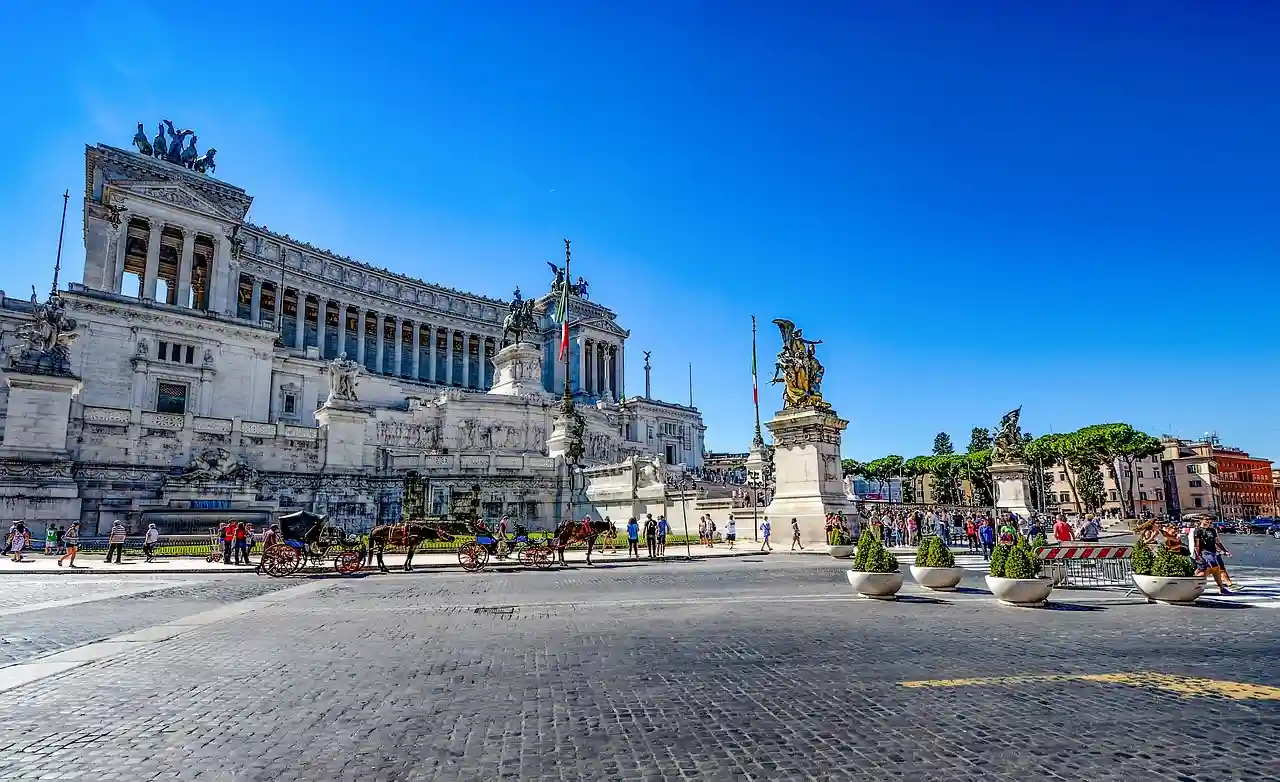
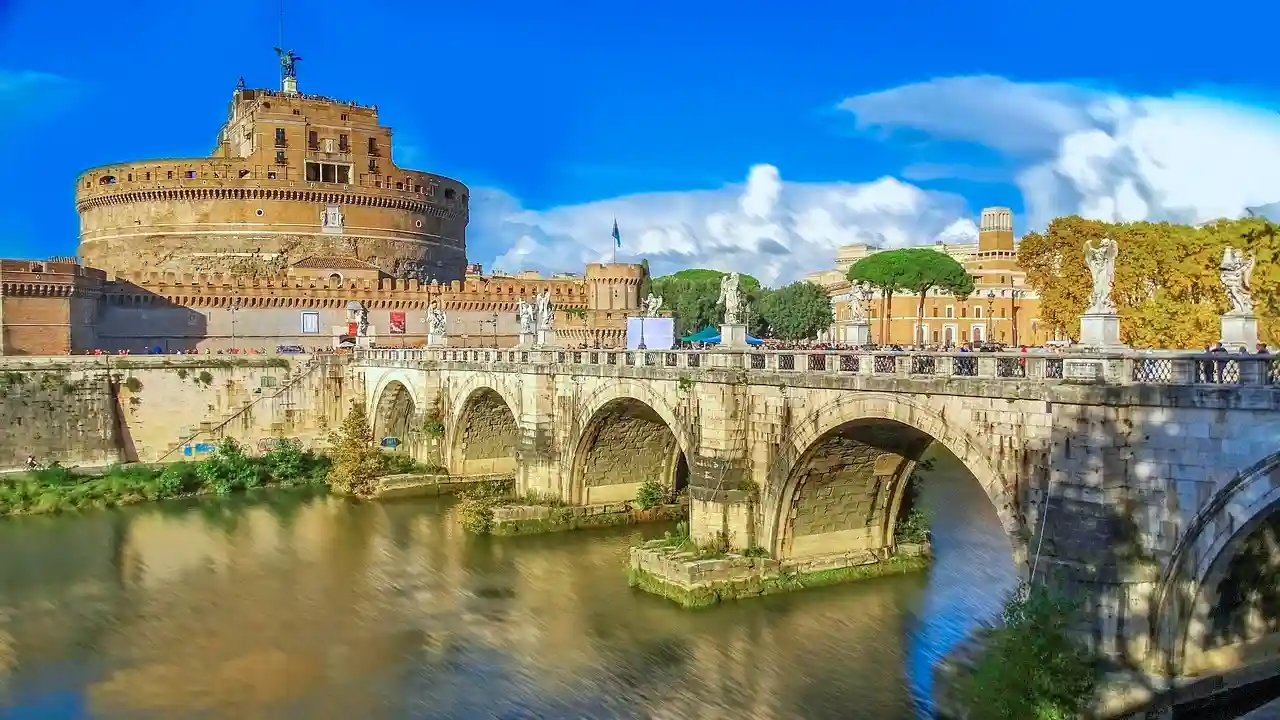
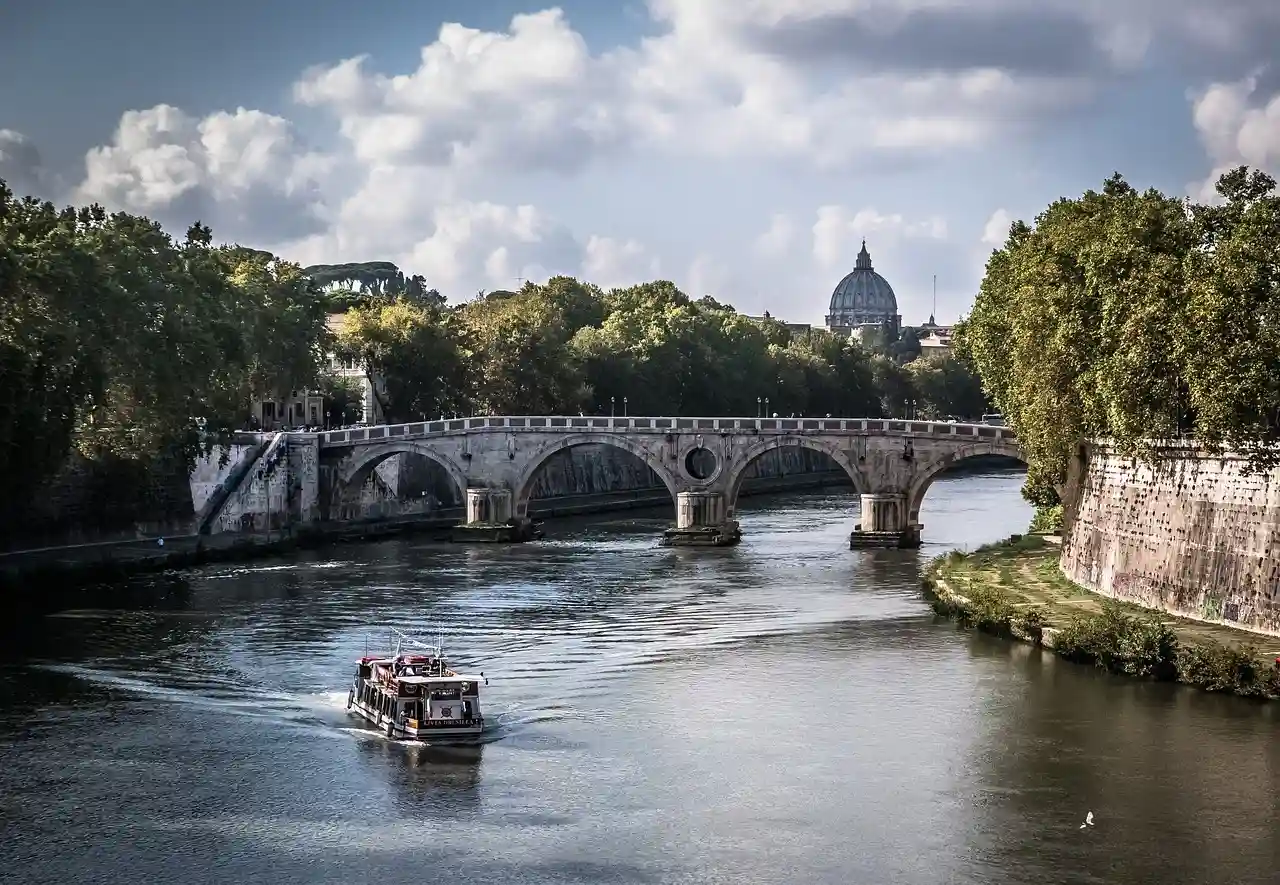
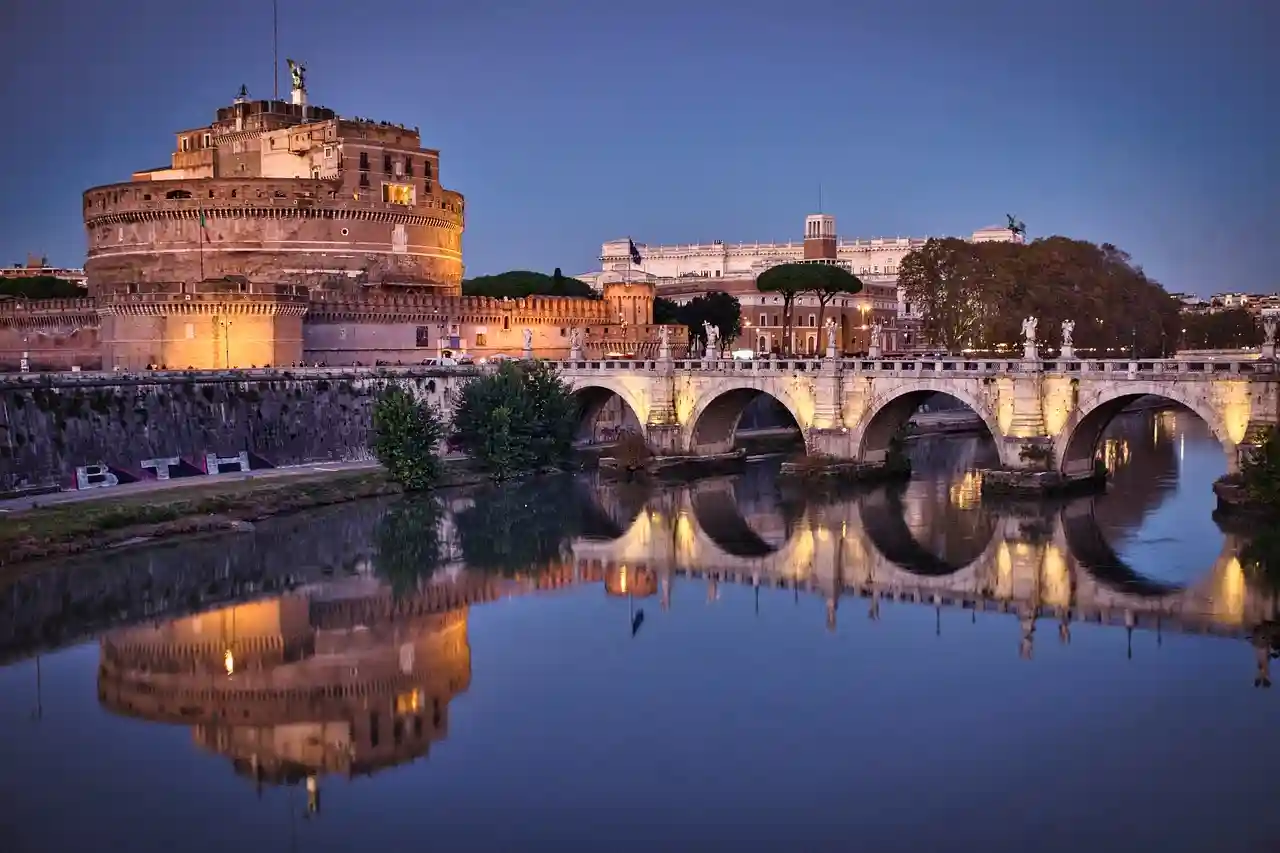
Destination Description
Rome, the Eternal City, stands as one of the most iconic travel destinations in the world. With a history spanning over 2,500 years, the Italian capital beautifully blends ancient ruins, Renaissance art, and a lively modern culture.
The History of Rome
Founded, according to legend, in 753 BC by Romulus and Remus, Rome grew into the heart of one of the greatest empires in human history — the Roman Empire. For centuries, it was a center of politics, art, religion, and innovation.
After the fall of the empire, Rome remained influential as the seat of the Catholic Church and the home of Vatican City, preserving its global importance to this day.
Every corner of the city tells a story — from ancient temples and amphitheaters to grand basilicas and Renaissance palaces.
Top Historical Attractions in Rome
Rome’s timeless beauty is best reflected in its ancient monuments and historical treasures that have shaped Western civilization.
The Colosseum
Perhaps the most famous symbol of Rome, this massive amphitheater once hosted gladiator battles and remains one of the New Seven Wonders of the World.
The Roman Forum and Palatine Hill
Wander through the ruins where senators debated and emperors ruled. These ancient sites represent the beating heart of the Roman Empire.
The Pantheon
A masterpiece of ancient architecture, the Pantheon’s dome still amazes visitors after nearly 2,000 years.
Vatican City
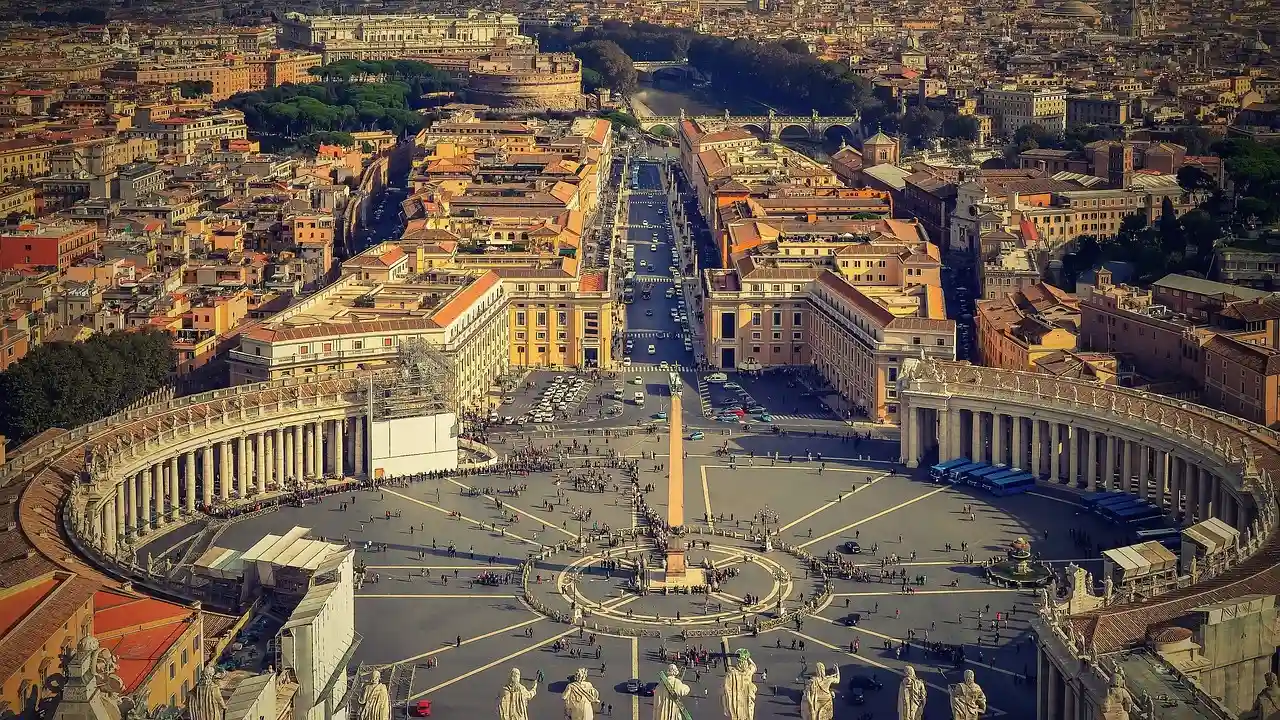
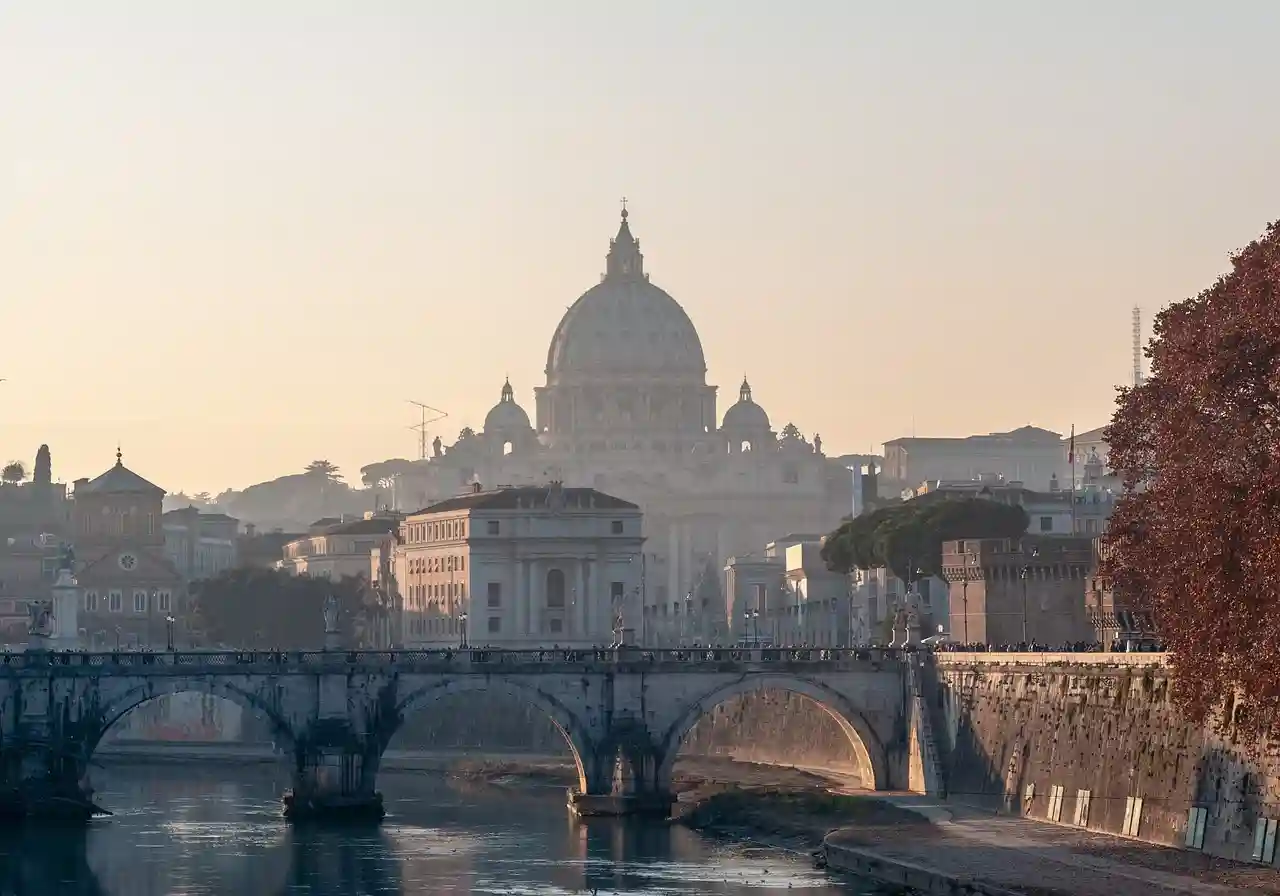
Home to St. Peter’s Basilica, the Sistine Chapel, and the Vatican Museums, this independent city-state within Rome is a spiritual and artistic treasure.
Trevi Fountain
A stunning Baroque masterpiece where tradition says that tossing a coin guarantees your return to Rome.
Piazza Navona
A lively square with fountains, cafés, and street performers — a perfect place to soak up the city’s energy.
Spanish Steps
Climb these iconic steps for panoramic views and explore the elegant Via Condotti nearby for high-end shopping.
Rome travel guide, things to do in Rome, best attractions in Rome, history of Rome, food in Rome, where to stay in Rome, best time to visit Rome, Vatican City tours, Rome sightseeing, Rome vacation
Must-See & Must-Do
Accommodation in Rome
Rome offers a wide variety of accommodation options, from luxury hotels to cozy guesthouses:
-Luxury: Hotel de Russie, Hassler Roma, The St. Regis Rome.
-Boutique & Mid-Range: Albergo del Senato, Hotel Artemide, The Inn at the Roman Forum.
-Budget: Generator Rome, The Beehive, or charming B&Bs in Trastevere and Monti.
Travel Tip: Staying in Centro Storico, Monti, or Trastevere will keep you close to Rome’s top attractions and restaurants.
Food & Dining in Rome
Rome is a paradise for food lovers, offering simple yet flavorful dishes that reflect centuries of culinary tradition.
-Cacio e Pepe – pasta with pecorino cheese and black pepper.
-Carbonara – creamy pasta with egg, guanciale, and cheese.
-Supplì – fried rice balls with mozzarella filling.
-Pizza al Taglio – Roman-style pizza served by the slice.
-Gelato – creamy Italian ice cream; try Giolitti or Fatamorgana.
-For authentic Roman dining, explore Trastevere for local trattorias and Campo de’ Fiori for open-air restaurants and wine bars.
Transportation in Rome
Getting around Rome is simple and efficient, thanks to a combination of metro, buses, and walkable streets.
-Metro: Three main lines (A, B, C) connect major landmarks like the Colosseum and the Vatican.
-Buses & Trams: Cover areas not reached by the metro.
-Walking: The best way to experience central Rome — many attractions are within a short distance of each other.
-Taxis & Ride Apps: Use official white taxis or apps like FreeNow for reliable service.
Tip: Get a Roma Pass for unlimited transport and discounts at major attractions.
Climate and Best Time to Visit Rome
Rome enjoys a Mediterranean climate with warm summers and mild winters.
-Spring (April–June): The best time to visit; comfortable weather and blooming gardens.
-Autumn (September–October): Pleasant temperatures and fewer crowds.
-Summer (July–August): Hot but lively, with outdoor events and night markets.
-Winter (December–February): Cooler, quieter, and ideal for museum visits and cozy cafés.
Cultural Experiences in Rome
Rome isn’t just about monuments — it’s also alive with art, music, and culture.
-Attend an opera or classical concert at Teatro dell’Opera di Roma.
-Visit local markets like Campo de’ Fiori or Testaccio for fresh produce and Italian specialties.
-Take part in a cooking class or gelato-making workshop for a local experience.
-Explore Rome’s art galleries and exhibitions that highlight both ancient and contemporary creativity.
Similar Listing

Toulouse Travel Guide

Strasbourg Travel Guide
Lyon Travel Guide
Marseille Travel Guide
Paris Vacation Guide
Lille Vacation Guide

France Travel Guide

Seberang Perai Vacation Guide
Malaysia Vacation Guide
Liverpool Travel Guide

Norway Travel Guide
Santo Domingo Travel Guide

Discover the Dominican Republic
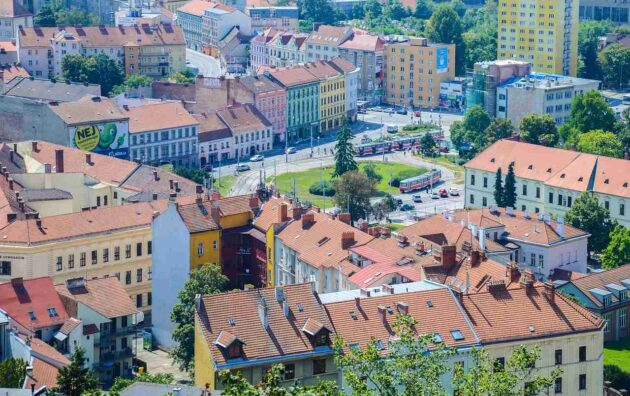
Discovering Brno

Exploring Prague
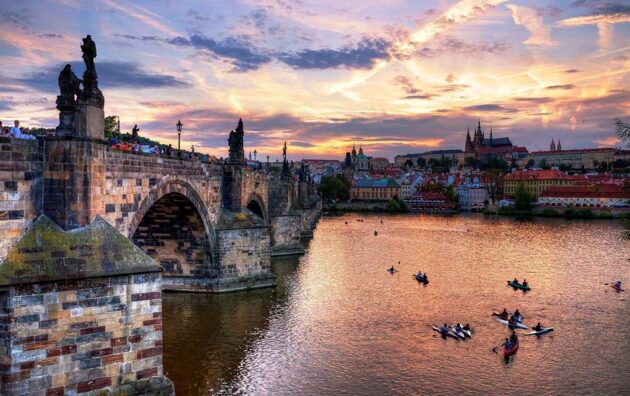
Discovering the Czech Republic
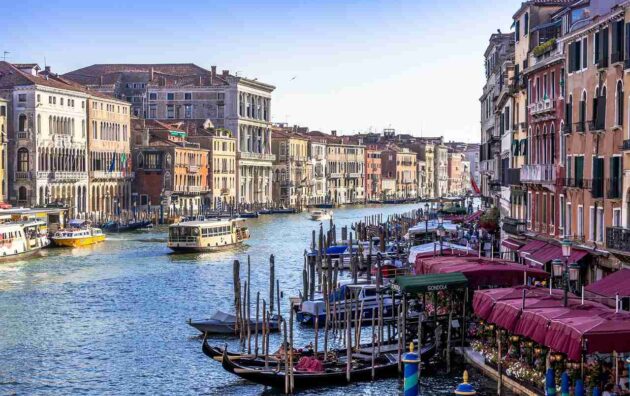
Discovering Venice
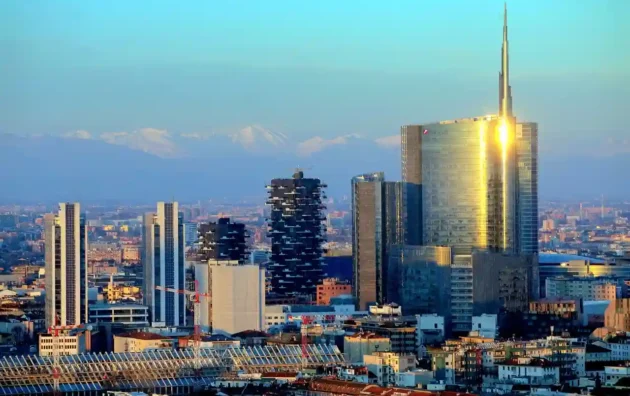
Milan Travel Guide