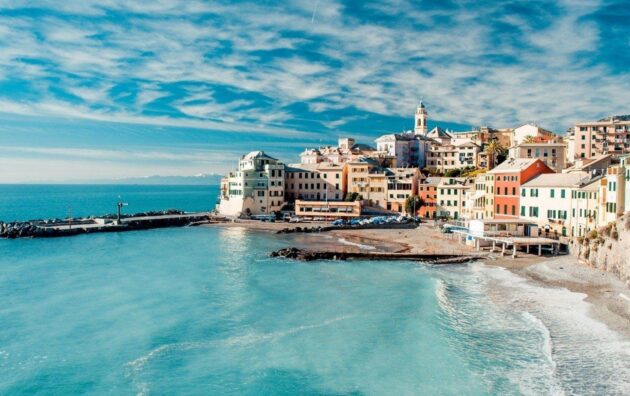
Santo Domingo Travel Guide
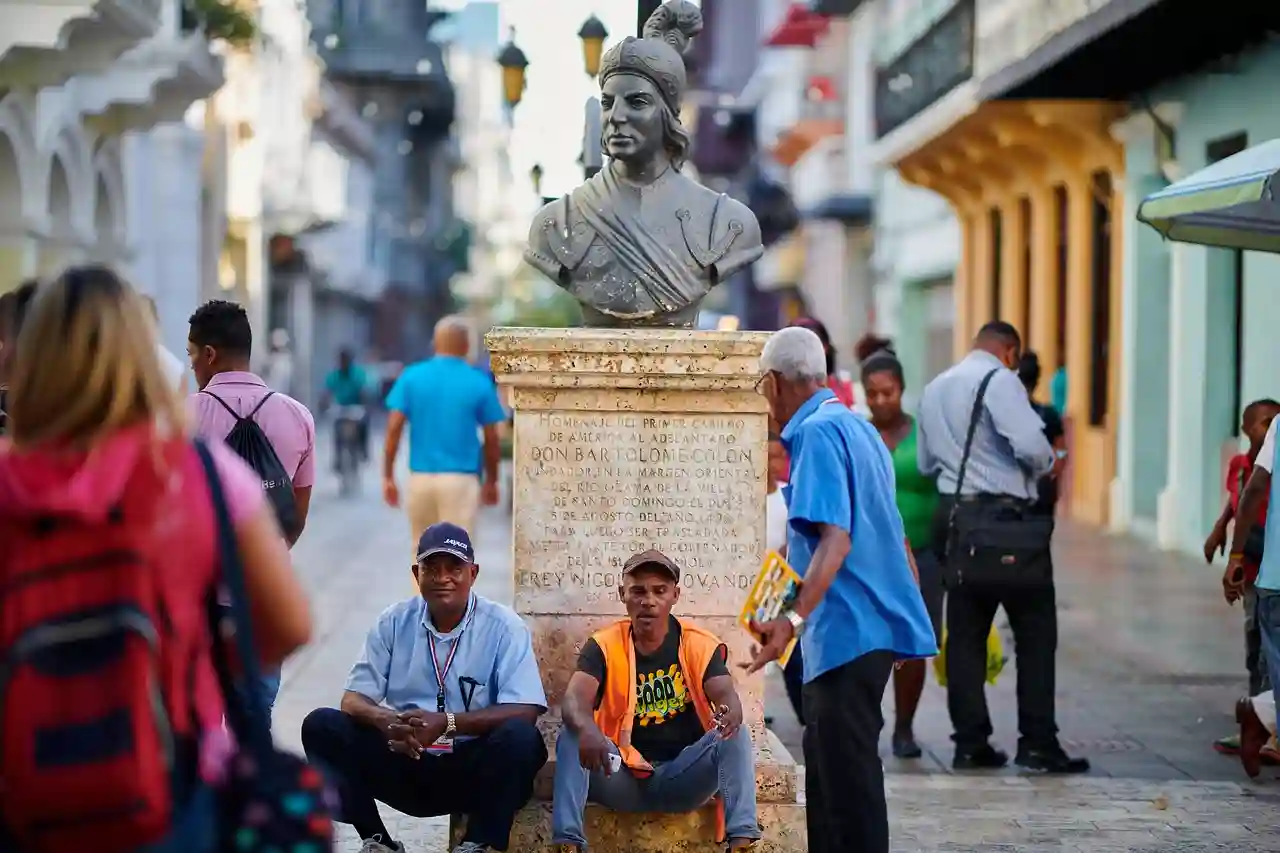
Destination Description
Santo Domingo, the capital of the Dominican Republic, is the oldest continuously inhabited European city in the Americas and a vibrant blend of history, culture, gastronomy, and modern Caribbean life.
From its UNESCO-listed Colonial Zone to its lively waterfront and rich culinary scene, Santo Domingo is the perfect destination for travelers who want more than just beaches — it’s a cultural journey through time.
A Brief History of Santo Domingo
Founded in 1496 by Bartholomew Columbus, Santo Domingo is the first European settlement in the New World. The city became the seat of the Spanish colonial empire and boasts numerous “firsts” of the Americas:
First Cathedral (Catedral Primada de América)
First University (Universidad Santo Tomás de Aquino)
First Paved Streets
First Hospital (Hospital San Nicolás)
The Zona Colonial, with its cobblestone streets and preserved architecture, reflects centuries of influence from Taíno, Spanish, African, and Creole cultures.
Top Attractions & Things to Do
a-Zona Colonial (Colonial Zone)
The heart of Santo Domingo and a UNESCO World Heritage Site.
Must-see spots include:
-Parque Colón
-Alcázar de Colón
-Calle Las Damas
-Fortaleza Ozama
Walk the charming streets, explore boutique shops, and enjoy cafés and museums surrounded by historic charm.
b. Malecón (Seaside Boulevard)
A scenic oceanfront avenue perfect for sunset walks, local festivals, and nightlife. You’ll find hotels, restaurants, and views of the Caribbean Sea.
c. Plaza de la Cultura
Home to major museums:
-Museum of the Dominican Man
-Museum of Modern Art
-National Theater
-Perfect for culture lovers.
d. Los Tres Ojos National Park
A natural limestone cave system with three stunning lagoons. It’s an easy escape within the city.
e. National Botanical Garden
One of the largest in the Caribbean — a peaceful oasis with lush plants, Japanese gardens, and walking trails.
Must-See & Must-Do
Transportation: Getting Around Santo Domingo
-Arriving
Most international travelers fly into Las Américas International Airport (SDQ) — about 30 minutes from the city center.
-Moving Around
Metro de Santo Domingo: Clean, affordable, and avoids traffic.
Taxis & Ride-Sharing (Uber/DiDi): Widely available.
Car Rentals: Good for visitors planning to travel outside the city.
Guaguas & Public Buses: Very inexpensive but crowded; best for experienced travelers.
Traffic can be heavy during peak hours — plan accordingly.
Accommodation Options in Santo Domingo
Luxury Hotels
Located mainly along the Malecón and high-end neighborhoods like Piantini and Naco.
Ideal for comfort, pools, ocean views, and top-tier service.
Boutique Hotels in Zona Colonial
Charming, historic, and stylish — perfect for travelers wanting an authentic cultural experience.
Budget-Friendly Stays
Hostels and guesthouses are widely available around the Colonial Zone.
Climate: When to Visit
Best Time to Visit: December to April (dry season)
Rainy Season: May to November, with short afternoon showers
Average Temperature: 26–31°C (78–88°F)
Humidity is common, so lightweight clothing is recommended.
Where and What to Eat in Santo Domingo
Santo Domingo is a culinary capital offering everything from traditional Dominican dishes to international fine dining.
Must-Try Local Foods
La Bandera Dominicana: Rice, beans, and stewed meat
Mofongo: Mashed plantains with garlic and pork cracklings
Chivo Guisado: Spicy goat stew
Sancocho: A rich stew popular during celebrations
Best Areas to Eat
1. Zona Colonial
Great for cafés, rooftop bars, and Dominican fusion cuisine. Popular restaurants include:
Local bistros and historic courtyard restaurants
Modern fusion spots
Street food stands serving empanadas and yaniqueques
2. Piantini & Naco (Modern City Center)
Trendy neighborhoods filled with:
Fine dining restaurants
Sushi bars
International cuisine
Upscale lounges
3. Malecón
Perfect for seafood lovers, ocean-view dining, and lively nightlife.
Similar Listing

Toulouse Travel Guide

Strasbourg Travel Guide
Lyon Travel Guide
Marseille Travel Guide

Paris Vacation Guide
Lille Vacation Guide

France Travel Guide
Seberang Perai Vacation Guide
Malaysia Vacation Guide
Liverpool Travel Guide

Norway Travel Guide
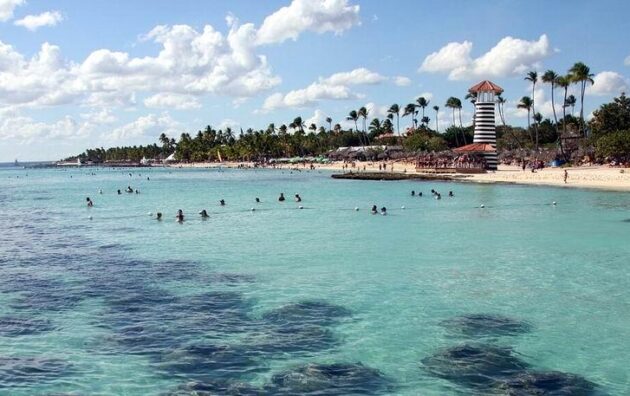
Discover the Dominican Republic
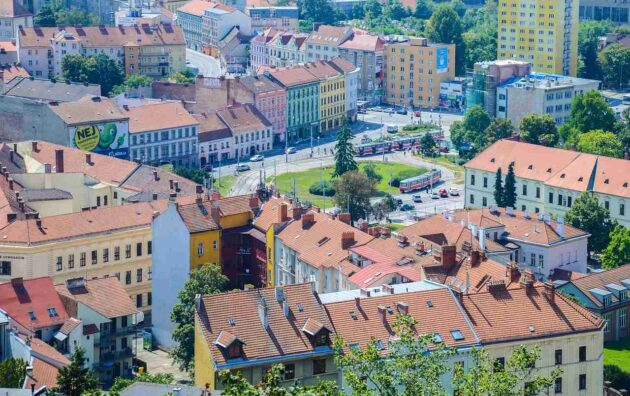
Discovering Brno

Exploring Prague

Discovering the Czech Republic
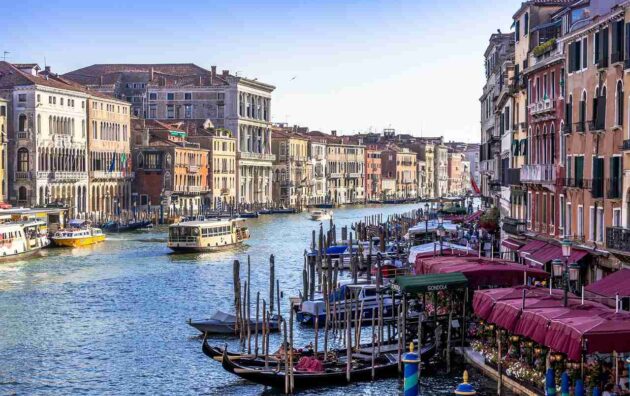
Discovering Venice
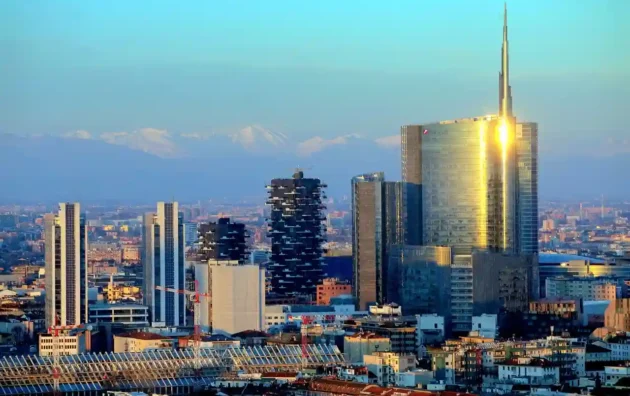
Milan Travel Guide
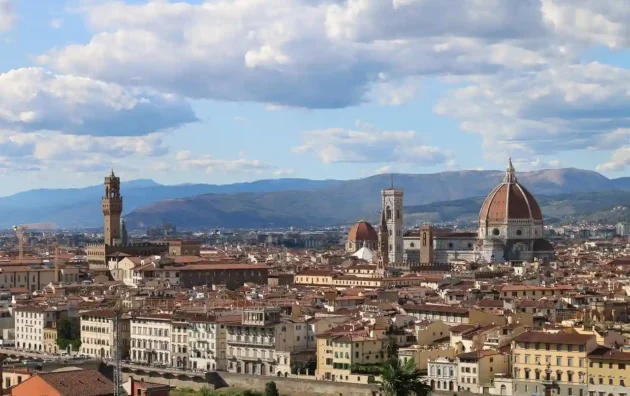
Florence Travel Guide