Buenos Aires Vacation Guide

Destination Description
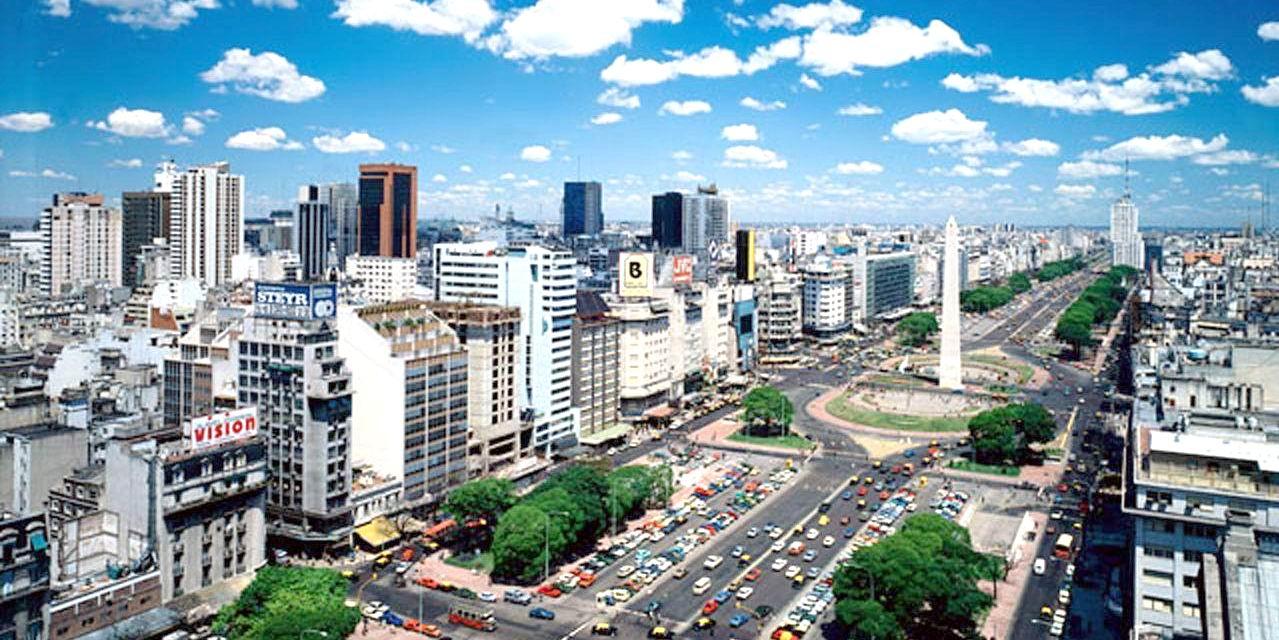
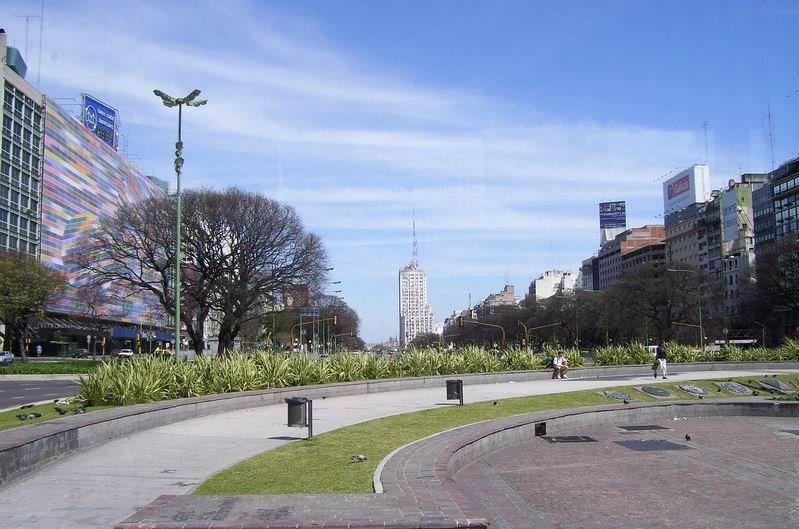
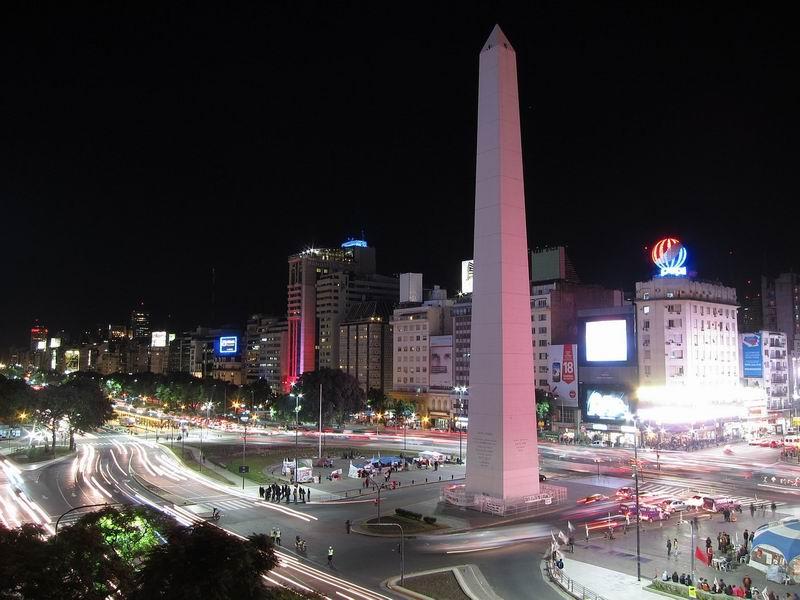
Buenos Aires, the capital and primate city of Argentina, is a must-visit destination for those seeking rich history, art, and culture.
The city is located on the western shore of the Río de la Plata, on South America’s southeastern coast, making it an ideal location for travelers looking for a vibrant and exciting vacation spot. Buenos Aires is classified as an alpha global city by the Globalization and World Cities Research Network (GaWC) 2020 ranking, ensuring that visitors will have access to all the amenities and experiences that they could possibly wish for.
The city is an autonomous district, neither part of Buenos Aires Province nor the Province’s capital, and has a fascinating history that dates back centuries. It is home to some of the world’s best museums, including the Museum of Latin American Art, which showcases some of the most impressive artworks from across the continent.
Buenos Aires is the perfect guide to all things culture.
Must-See & Must-Do
Climate of Buenos Aires
Buenos Aires, the vibrant capital of Argentina, is renowned not only for its cultural heritage but also for its fascinating climate.
The city boasts of a humid subtropical climate (Cfa) under the Köppen climate classification with four distinct seasons that cater to the preferences of its residents and visitors alike.
The weather in Buenos Aires is quite interesting as it tends to change with the seasons, making it an exciting place to be throughout the year.
Summers in Buenos Aires are hot and humid, with frequent thunderstorms that bring relief to the sweltering heat. If you are a fan of the sun, then the summer months are perfect for you, as the temperature hovers around the mid-thirties. However, if you prefer cooler weather, then the winter months should be your pick, as temperatures drop to a comfortable range of 5-10°C.
The spring and fall seasons in Buenos Aires are the transition periods that connect the hot and cold seasons. During these seasons, the weather can be quite changeable and unpredictable, making it difficult to plan outdoor activities. Nevertheless, the weather is still enjoyable, and the city continues to be a great destination for tourists.
Interestingly, the central observatory in Buenos Aires has recorded some extremes of temperature over the years, with the highest temperature recorded being 43.3 °C and the lowest being −5.4 °C.
Buenos Aires Public Transport
Public transportation is the most viable option when it comes to travelling within the city, and for a good reason.
The expense of parking in busy areas can be extremely high, and finding a suitable parking spot can also be quite a challenge.
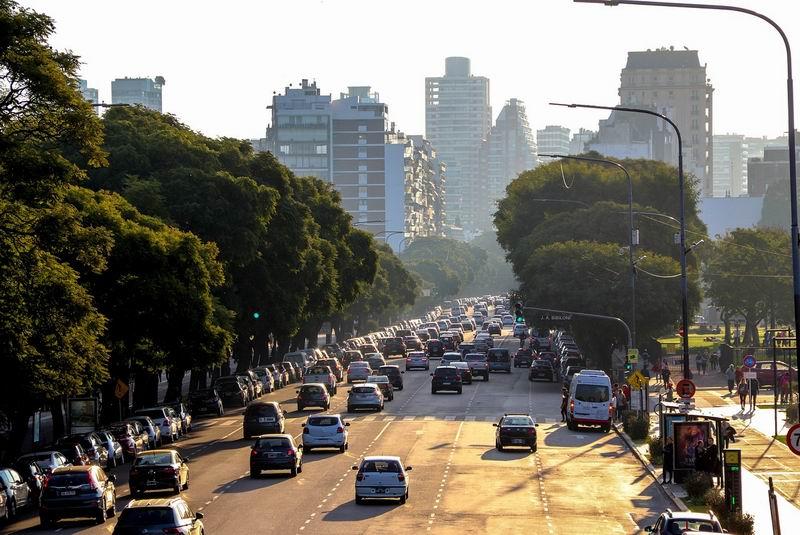
Moreover, the traffic congestion in peak hours can cause significant delays, and this is where public transport comes in handy.
With a well-organized and efficient public transportation system, people can travel around the city with ease and convenience, without worrying about parking or traffic.
Cycling is also on the rise, especially in big cities such as Buenos Aires and Rosario, thanks to the growing network of cycling lanes.
This environmentally friendly mode of transport is not only cost-effective but also helps people stay active and healthy. With more and more people embracing cycling to move around the city, it is no wonder that cycling is becoming increasingly popular.
Therefore, it is safe to say that public transport and cycling are the way forward for sustainable transport in cities, and we should all play our part in promoting them.
Similar Listing

Toulouse Travel Guide

Strasbourg Travel Guide

Lyon Travel Guide
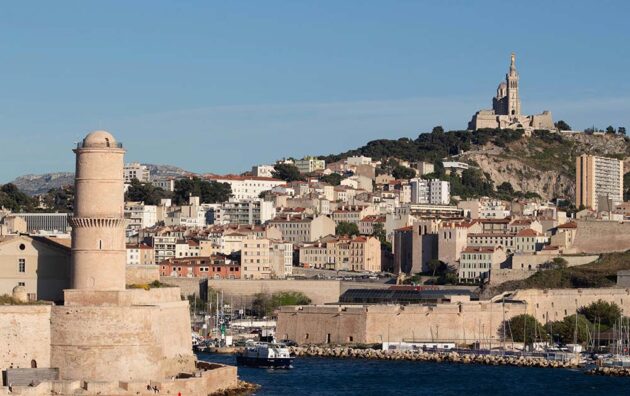
Marseille Travel Guide

Paris Vacation Guide

Lille Vacation Guide

France Travel Guide
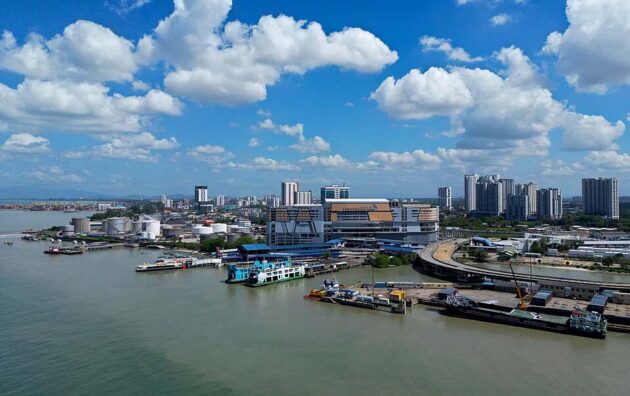
Seberang Perai Vacation Guide
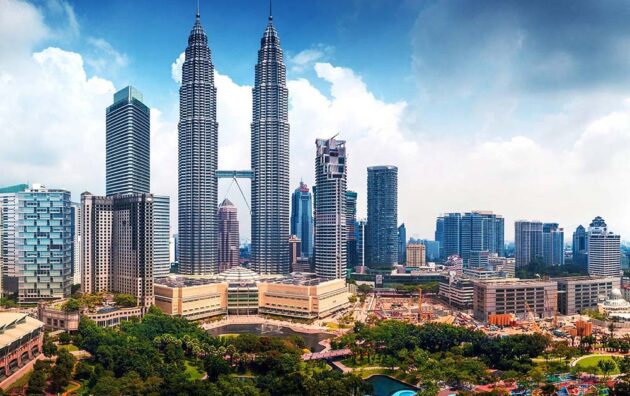
Malaysia Vacation Guide

Liverpool Travel Guide

Norway Travel Guide

Santo Domingo Travel Guide

Discover the Dominican Republic
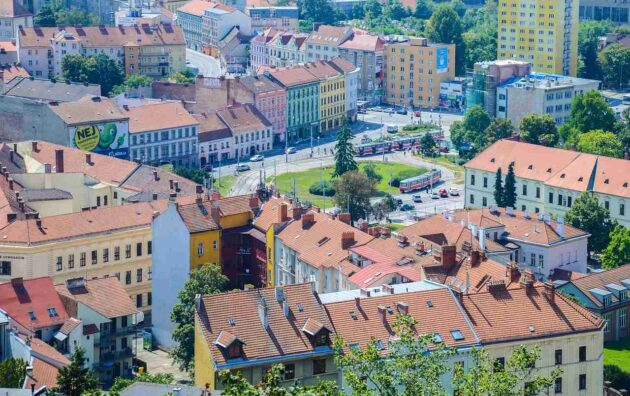
Discovering Brno

Exploring Prague

Discovering the Czech Republic
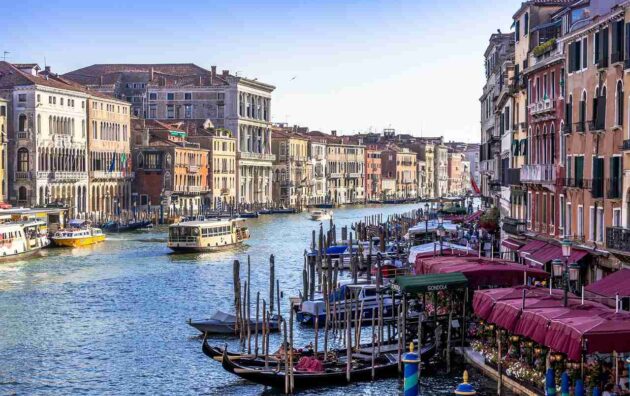
Discovering Venice
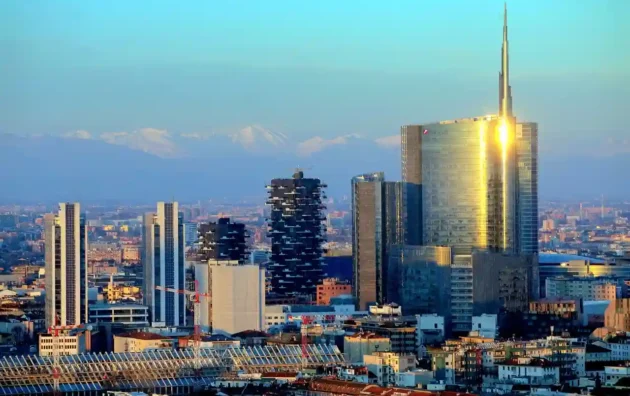
Milan Travel Guide