Discovering Argentina
Destination Description
Argentina is one of South America’s most captivating destinations, offering a blend of vibrant culture, breathtaking natural landscapes, and world-class gastronomy. From cosmopolitan cities to untouched wilderness, Argentina invites travelers to experience a journey unlike any other.
Buenos Aires
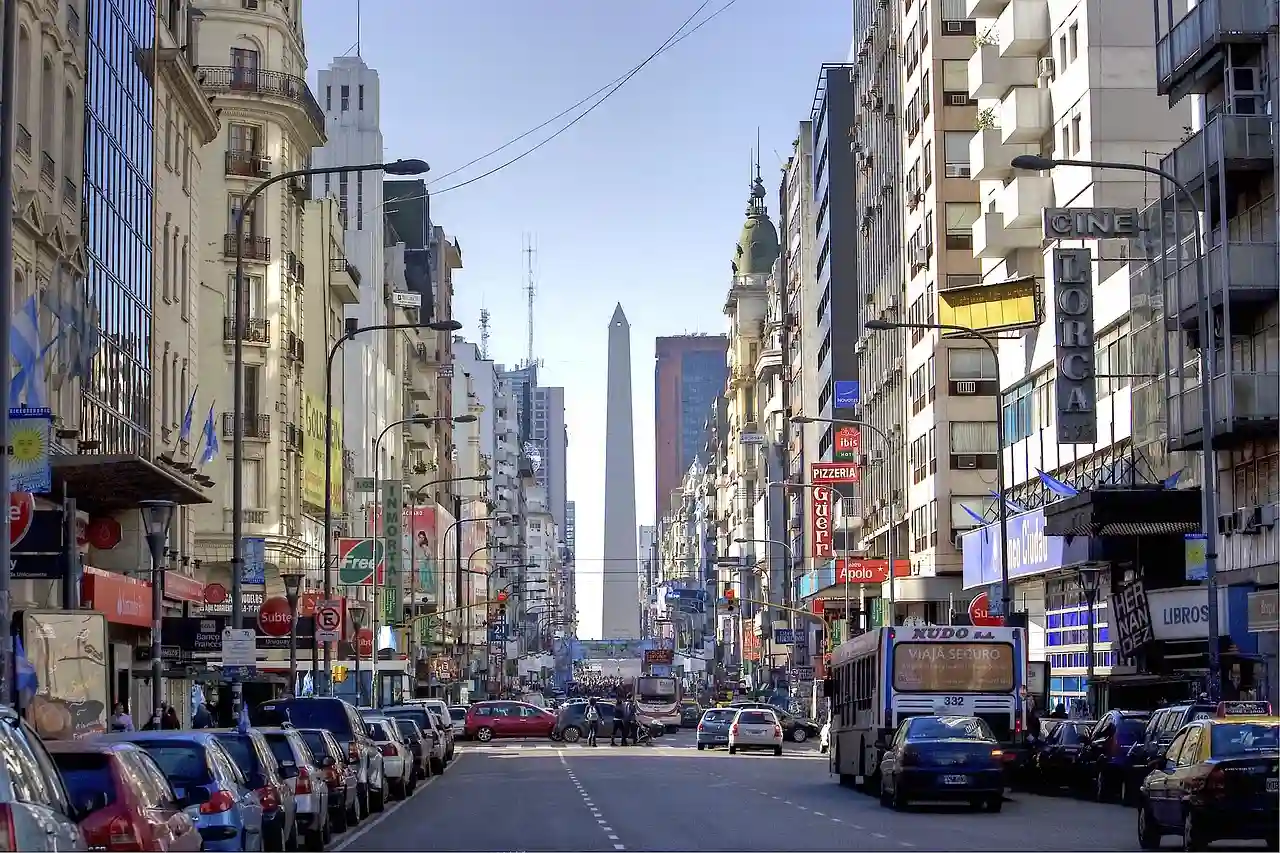
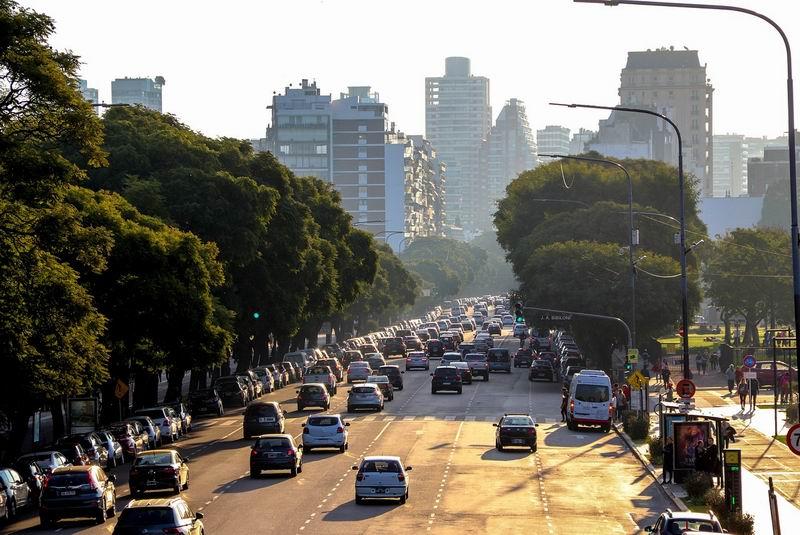
The capital city, Buenos Aires, is a hub of art, music, and history. Known as the “Paris of South America,” it boasts grand boulevards, elegant architecture, and a dynamic cultural scene. Visitors can explore the historic San Telmo district, admire the colorful houses of La Boca, and enjoy a tango performance in its birthplace. Recoleta Cemetery, Palermo’s trendy restaurants, and lively nightlife complete the experience.
Iguazú Falls
Located in the subtropical rainforest on the border with Brazil, Iguazú Falls is one of the world’s most remarkable natural attractions. With more than 250 cascades stretching over nearly three kilometers, the falls provide an unforgettable spectacle. Walking trails and panoramic viewpoints allow visitors to fully appreciate the power and beauty of this UNESCO World Heritage Site.
Adventure in the South
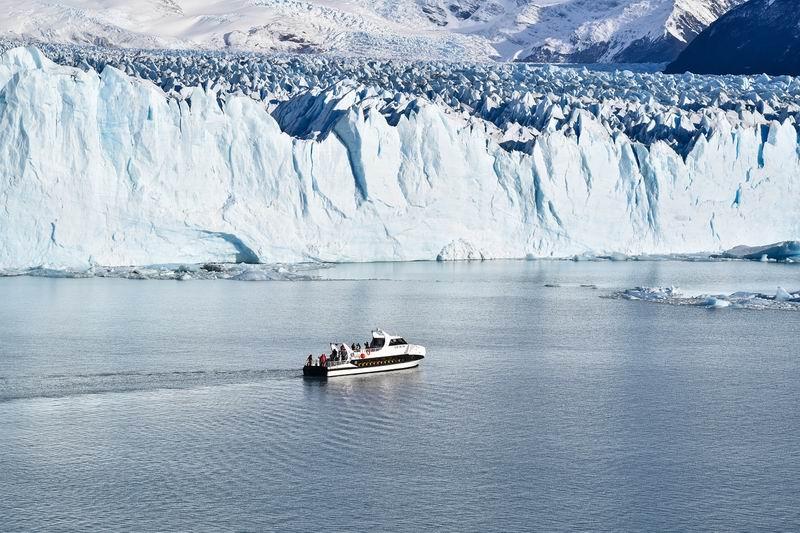
Patagonia is a land of dramatic contrasts, offering towering glaciers, rugged mountains, and pristine lakes. Highlights include the Perito Moreno Glacier, where travelers can witness massive ice walls calving into the water, and El Chaltén, a haven for trekking enthusiasts with trails to Mount Fitz Roy. Wildlife tours in the Valdés Peninsula reveal penguins, sea lions, and southern right whales in their natural habitat.
World-Class Wine and Scenery
At the foothills of the Andes lies Mendoza, Argentina’s premier wine-producing region. Famous for its Malbec, Mendoza offers vineyard tours, cellar tastings, and gourmet dining experiences paired with stunning mountain views. Adventure seekers can also enjoy rafting, hiking, and even skiing during the winter months.
Gaucho Traditions
The Pampas represent Argentina’s rural heartland, where the traditions of the gaucho—the country’s iconic cowboy—are still alive. Visitors can stay at traditional estancias (ranches), enjoy horseback riding, and experience authentic Argentine hospitality along with traditional asado (barbecue).
Practical Travel Tips for Argentina
Best Time to Visit
-Buenos Aires & Pampas: Spring (September–November) and autumn (March–May) offer mild weather and fewer crowds.
-Patagonia: Best visited in summer (December–February) when hiking trails and parks are fully accessible.
-Mendoza: Year-round destination, though March is ideal to witness the grape harvest season.
-Iguazú Falls: Accessible all year, but May–September offers cooler, drier conditions.
Getting Around
-Argentina is vast, so domestic flights are the most efficient way to travel long distances.
-In cities, taxis and ride-hailing apps are widely available. Buenos Aires also has a reliable subway and bus network.
-Long-distance buses are comfortable and an affordable option for regional travel.
Safety and Etiquette
-Major tourist areas are generally safe, but travelers should remain aware of pickpocketing in crowded spots.
-Argentines are warm and hospitable; a handshake or kiss on the cheek is a common greeting.
-Tipping 10% in restaurants is customary but not mandatory.
Must-See & Must-Do
Why Visit Argentina?
Argentina offers a unique combination of cultural richness, natural wonders, and warm hospitality. Whether exploring vibrant cities, marveling at world-renowned landscapes, or indulging in fine cuisine and wine, Argentina ensures a travel experience that is both diverse and unforgettable.
Must-Try Argentine Flavors
-Asado (Barbecue): Argentina’s most famous culinary tradition.
-Empanadas: Savory pastries filled with meat, cheese, or vegetables.
-Dulce de Leche: A sweet caramel-like spread, often enjoyed in desserts.
-Mate: A traditional herbal tea shared among friends and locals.
-Malbec Wine: Especially from Mendoza, world-renowned for its quality.
Argentine Cuisine
The cuisine of Argentina is a true reflection of its diverse cultural influences. The country's food scene is a blend of Indigenous and Mediterranean flavors, which have been brought together over the course of its history.
The native Indigenous people of Argentina were known for their use of ingredients such as humita, potatoes, cassava, peppers, tomatoes, beans, and yerba mate, which continue to be an essential part of the country's cuisine today.
As the Spanish colonized Argentina, they brought with them their Mediterranean influences, which further enriched the country's food culture. This fusion of cooking styles and ingredients has resulted in a cuisine that is both unique and delicious. In fact, food is such an important part of Argentine culture that people here take eating very seriously.
From traditional dishes like empanadas and asado (barbecue) to more modern offerings, Argentine cuisine offers something for everyone. So, if you're looking for a culinary adventure, Argentina is the perfect place to eat your way through.
Climate of Argentina
Argentina is a country with a diverse climate that varies from region to region. The country's vast size and varying altitudes result in a wide range of climate types.
One can experience warm and wet summers in most parts of Argentina, except for Patagonia, where it is the driest season.
The northern region of Argentina is warm, and the central part is cool, while the southern parts are cold and frequently experience frost and snow.
The weather is moderated by the surrounding oceans in the southern parts of the country, making the cold less intense and prolonged than in areas at similar latitudes in the northern hemisphere.
Transport in Argentina
Argentina is a country with a vast and complex network of public transportation. At the heart of this system are the long-distance buses that crisscross the country, providing affordable transport for people across different regions.
In addition to this, Argentina is home to numerous airports, both national and international, which play a crucial role in connecting the country to the rest of the world.
Although the use of long-distance trains has declined over the years, there has been a renewed interest in recent times, following the re-nationalisation of the country's freight and commuter networks. This move has breathed new life into the rail industry, as it seeks to reclaim its position as an important mode of public transportation for the people of Argentina.
Despite the challenges, Argentina's transport infrastructure has been able to keep pace with the growing demands of its people. Public transportation is a key factor in this success, as it provides a reliable and affordable means of transport to the masses.
History of Argentina
The rich history and culture of Argentina can be traced back to the pre-Columbian era or early history, which is marked by the first human settlements in Patagonia about 13,000 years ago.
The colonial period from 1536 to 1809 saw Spanish occupation of the region and the establishment of a colonial government. This era greatly influenced the culture of Argentina, with the Spanish language and Catholicism becoming deeply ingrained in the country's identity.
The period of nation-building from 1810 to 1880 was marked by Argentina's struggle for independence from Spain and the formation of a national identity. This era is steeped in folklore and traditions that still live on in modern-day Argentina. The country's history of modern Argentina is characterized by the growth and development of the national identity and culture.
Throughout Argentina's history, culture has been at the forefront of its identity. From the indigenous people who first settled the land to the Spanish colonial influence, from the struggles for independence to the modern era of growth and development, Argentina has a rich and diverse cultural heritage that is worth exploring and celebrating.
Similar Listing

Toulouse Travel Guide

Strasbourg Travel Guide

Lyon Travel Guide

Marseille Travel Guide

Paris Vacation Guide

Lille Vacation Guide

France Travel Guide
Seberang Perai Vacation Guide
Malaysia Vacation Guide

Liverpool Travel Guide
Norway Travel Guide

Santo Domingo Travel Guide

Discover the Dominican Republic
Discovering Brno

Exploring Prague

Discovering the Czech Republic
Discovering Venice
Milan Travel Guide