Discovering England
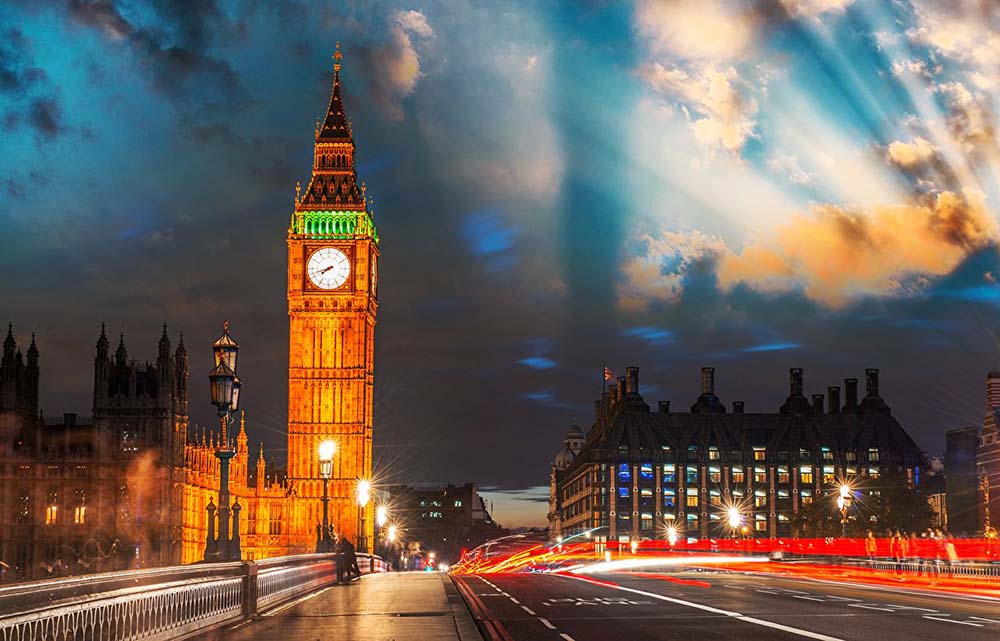
Destination Description
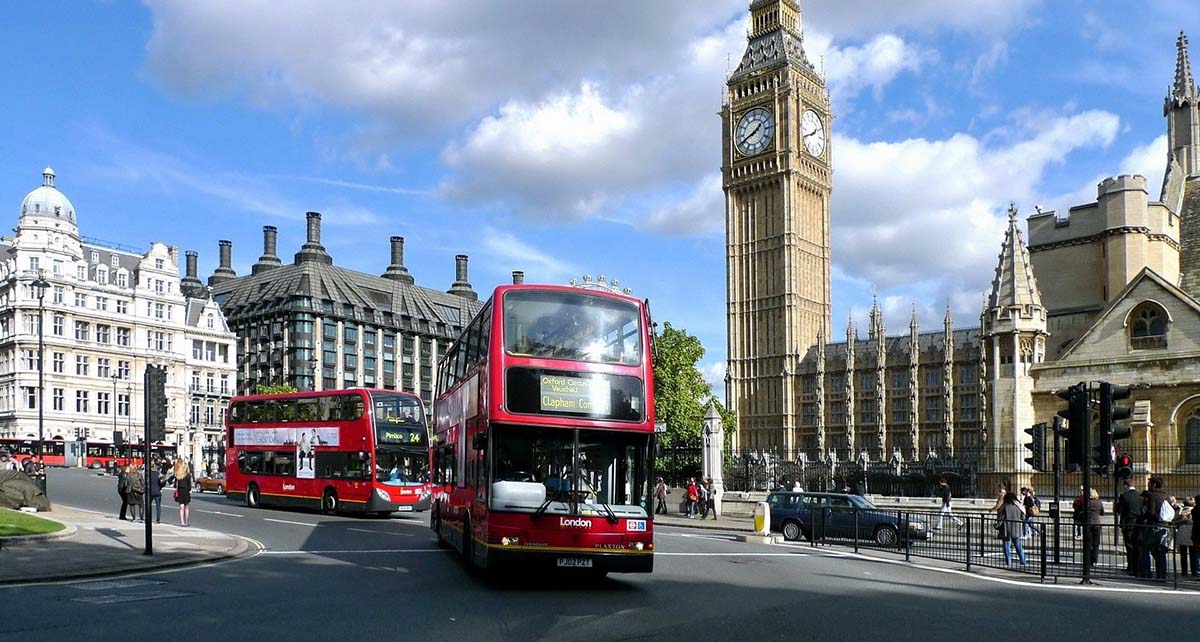
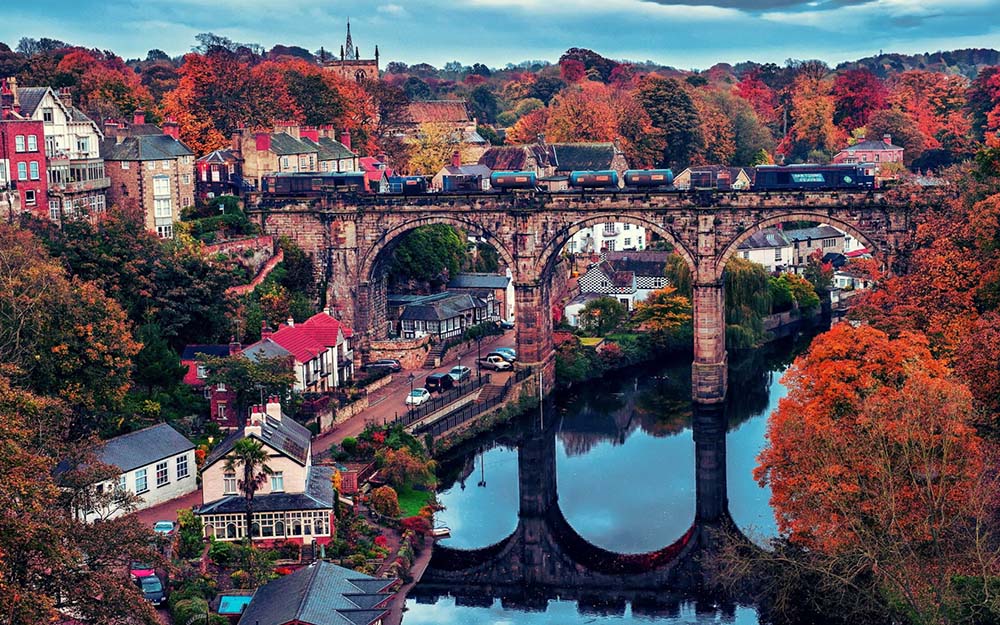
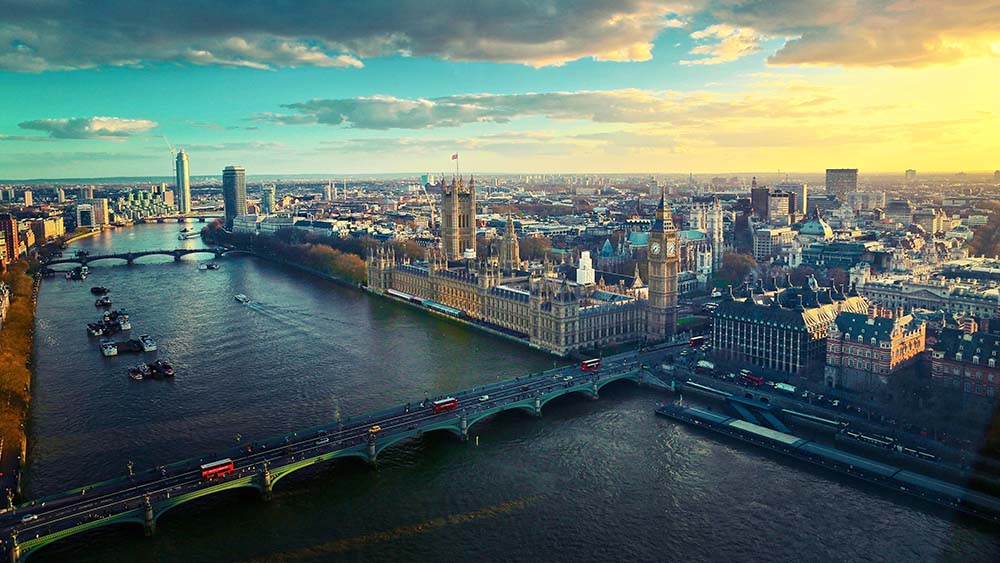
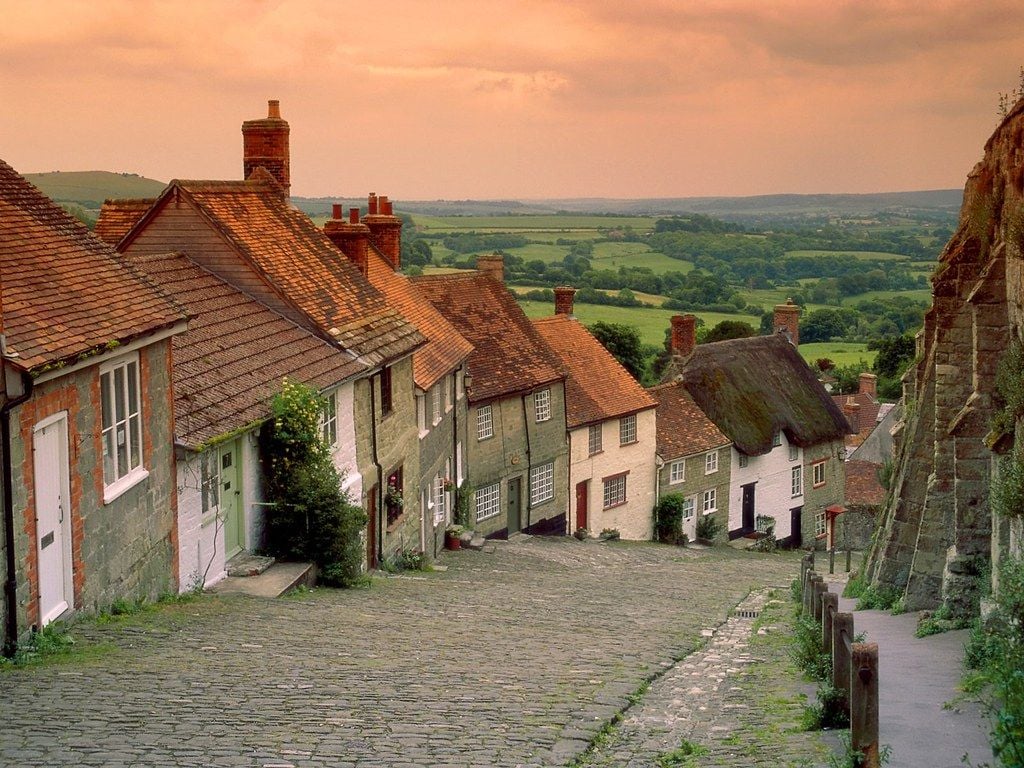
England, the largest and most influential part of the United Kingdom, is a country that beautifully combines centuries of history with modern innovation. From the bustling streets of London to the tranquil countryside of the Cotswolds and Lake District, England offers a unique blend of urban sophistication and rural beauty. It’s a land where every cobblestone street and ancient cathedral tells a story.
A Brief History of England
England, one of the most historically rich nations in Europe, has played a pivotal role in shaping global culture, politics, and art. From the Roman conquest in 43 AD to the Norman invasion in 1066, England’s past is filled with monumental events. The reigns of monarchs like Henry VIII and Queen Elizabeth I marked the country’s golden ages, while the Industrial Revolution of the 18th century transformed it into a world power.
Today, England stands as a modern yet deeply historical destination where the echoes of its past are felt at every corner—from medieval castles to ancient cathedrals.
Accommodation Options in England
England offers a wide range of accommodation choices to suit every traveler’s budget and preference. Luxury hotels in London and Oxford provide world-class amenities, while boutique inns and bed-and-breakfasts in the countryside offer a more personal touch.
For those seeking unique stays, England’s historic castles and converted manors allow visitors to experience royal living. Budget-conscious travelers can find comfort in hostels, guesthouses, and Airbnb rentals scattered across major cities and charming villages alike.
England is a country where tradition meets modernity—a land of royal heritage, cultural depth, and warm hospitality.
With its rich history, welcoming locals, and endless attractions, England remains one of the world’s most captivating destinations for travelers seeking both adventure and elegance.
Must-See & Must-Do
Climate and Best Time to Visit
England has a temperate maritime climate, meaning mild temperatures, frequent rain, and changing weather patterns throughout the year.
Summers (June to August) are pleasantly warm, with average temperatures around 20°C (68°F), making it ideal for sightseeing and festivals. Autumn (September to November) paints the countryside in vibrant colors, while winter brings cozy Christmas markets and festive decorations. Spring (March to May) is perfect for visiting gardens and historical landmarks in full bloom. To make the most of your trip, always pack an umbrella—rain showers are a part of the English charm!
Transportation and Getting Around
England boasts one of the most efficient transportation networks in Europe. Trains connect major cities like London, Manchester, Birmingham, and Liverpool, making travel fast and convenient.
The London Underground (Tube) is the heart of the capital’s public transit, while buses, trams, and taxis provide easy access to local areas.
For scenic journeys, travelers can take regional trains through the Cotswolds or coastal routes in Cornwall. Driving is also an option, though remember that cars in England drive on the left side of the road.
Must-Visit Tourist Attractions
From historic landmarks to breathtaking natural scenery, England offers something for everyone. Top attractions include Big Ben, Buckingham Palace, Stonehenge, Windsor Castle, and The Roman Baths in Bath. Nature lovers can explore the Lake District, Peak District, or Cornwall’s coastal cliffs. Art enthusiasts will enjoy London’s British Museum, Tate Modern, and National Gallery. For literary fans, visiting Stratford-upon-Avon, the birthplace of William Shakespeare, is a must.
Must Do In England
Walking/hiking - England has many places for walking in the country, which may be called hillwalking or fellwalking in some areas.
The Lake District and Peak District are some of the places for more serious walks – see also the itinerary Hikes in the Lake District. The Pennine Way (463km) and Coast To Coast Walk (309km) are the best-known long-distance walks. There are public footpaths and public bridleways all over the country, and most areas of open land are now generally designated for unlimited access (more noticeably in upland areas).
People have the right to walk along these and local councils are obliged to maintain records of the routes and keep access open, but do not maintain the paths. Paths are usually signposted where they meet a road, but may not be marked across fields. The paths are shown on the Ordnance Survey Explorer (1:25000) and Landranger (1:50000) maps. Enquire locally for details of the best walks, and what kit (boots, waterproofs, etc.) you will need.
Beaches Cornwall and Devon have some spectacular natural beaches that would rival those of Australia and California, although they are often much colder.
Must See in England
London is the start and finish point for most international tourists. It offers countless museums and historical attractions and museums. It is considered a global center for the arts, culture and financial business sector. One of the world’s most visited cities, London has something for everyone: from history and culture to fine food and exceedingly good times.
To truly experience England, however, you must venture out of the hustle and bustle of the capital and see what the rest of England has to offer. You will find the rest of England very different to its capital city; indeed, if you only visit London, you haven’t seen ‘England’ – you’ve seen one city that bears few similarities with the rest of the country.
If short on time, you may find it more convenient to base yourself in a regional city and take day trips to the National Parks, coast and smaller towns. If you have plenty of time, then you could base yourself in a B&B (Bed and Breakfast) in any of the above. You will find that public transport to and within cities and large towns is completely acceptable, but that in smaller places off the beaten track then you should research your journey carefully, or consider hiring a car. Many of the most visited tourist spots of England are accessed via taking a train journey from London. Popular places to visit include the counties of Yorkshire in the East, and Cornwall in the South West of England, the National Parks listed above, and the historic cities such as York, Bath, Durham and Lincoln.
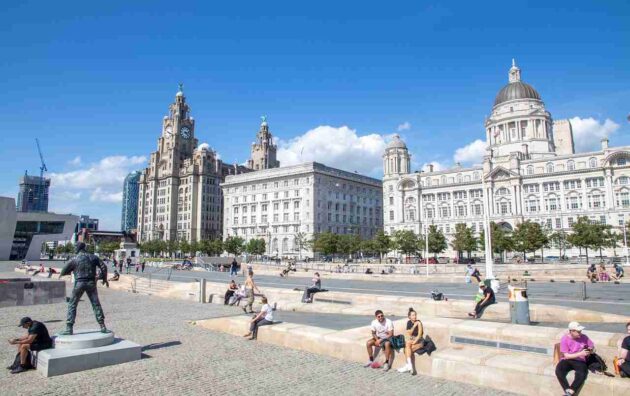
If short on time, then it is possible to use larger cities as a base for day trips, either by train or coach. For example Leeds, the largest city in Yorkshire makes a great base for day trips to the Yorkshire Dales, North Yorkshire Moors, York and Whitby, whilst offering its own selection of attractions such as the Royal Armories, famed nightlife, theatre and designer shopping in stunning Victorian arcades. Similarly Liverpool, as well as being a popular city break destination in itself with its Beatles heritage and maritime attractions, is centrally located for day trips to the Lake District, North Wales, and Yorkshire. The former industrial powerhouse has had to regenerate and now is a popular student city as well as a popular tourist stop.
Plymouth makes a good base for exploring Dartmoor, whilst allowing day trips to Cornwall and offering its own range of attractions and museums. Bristol, the West Country’s largest city makes for a very enjoyable weekend break. Although until recently overlooked by other Southern English cities such as Oxford, Cambridge, Bath and Brighton, Bristol has come into its own thanks to its leftfield attitude, laid back easy going groove, the West Country’s largest shopping complex, and above all its stunningly creative and brilliant music scene (a back catalogue containing the likes of Massive Attack, Portishead and Tricky). Although Bristol doesn’t have any specific sights (apart from the Clifton Suspension Bridge), it’s a city to just browse and glide through at your leisure and soak up the mellow, amiable vibe of Britain’s most relaxed and laid back city.
The prestigious university towns of Oxford and Cambridge are popular tourist spots, and a short train ride from London. In the city of dreaming spires you can admire Oxford’s ancient and medieval colleges, explore museums such as the Ashmolean Museum or Pitt Rivers Museum and go punting along the college and town riveraways. Blenheim Palace, the birthplace of Sir Winston Churchill and an 18th century stately home and landscape garden, is also a popular spot from the city. Oxford is surrounded around pretty countryside, hills and gardens. Cambridge is a popular tourist spot for countryside air and bucolic riverside walks as well as ancient colleges, punting, gardens, shops and museums. It is also known as a cycle friendly city.
British Cuisine
Since the early modern period the food of England has historically been characterised by its simplicity of approach and a reliance on the high quality of natural produce.
During the Middle Ages and through the Renaissance period, English cuisine enjoyed an excellent reputation, though a decline began during the Industrial Revolution with the move away from the land and increasing urbanisation of the populace. The cuisine of England has, however, recently undergone a revival, which has been recognised by food critics with some good ratings in Restaurant’s best restaurant in the world charts.[300] An early book of English recipes is the Forme of Cury from the royal court of Richard II.
Traditional examples of English food include the Sunday roast, featuring a roasted joint (usually beef, lamb, chicken or pork) served with assorted vegetables, Yorkshire pudding and gravy. Other prominent meals include fish and chips and the full English breakfast (generally consisting of bacon, sausages, grilled tomatoes, fried bread, black pudding, baked beans, mushrooms and eggs). Various meat pies are consumed, such as steak and kidney pie, steak and ale pie, cottage pie, pork pie (usually eaten cold) and the Cornish pasty.
Sausages are commonly eaten, either as bangers and mash or toad in the hole. Lancashire hotpot is a well-known stew originating in the northwest. Some of the more popular cheeses are Cheddar, Red Leicester, Wensleydale, Double Gloucester and Blue Stilton. Many Anglo-Indian hybrid dishes, curries, have been created, such as chicken tikka masala and balti. Traditional English dessert dishes include apple pie or other fruit pies; spotted dick – all generally served with custard; and, more recently, sticky toffee pudding. Sweet pastries include scones (either plain or containing dried fruit) served with jam or cream, dried fruit loaves, Eccles cakes and mince pies as well as a wide range of sweet or spiced biscuits.
Common non-alcoholic drinks include tea, the popularity of which was increased by Catherine of Braganza, and coffee; frequently consumed alcoholic drinks include wine, ciders and English beers, such as bitter, mild, stout and brown ale.
Similar Listing

Toulouse Travel Guide

Strasbourg Travel Guide

Lyon Travel Guide
Marseille Travel Guide

Paris Vacation Guide
Lille Vacation Guide

France Travel Guide

Seberang Perai Vacation Guide
Malaysia Vacation Guide
Liverpool Travel Guide
Norway Travel Guide

Santo Domingo Travel Guide

Discover the Dominican Republic
Discovering Brno
Exploring Prague
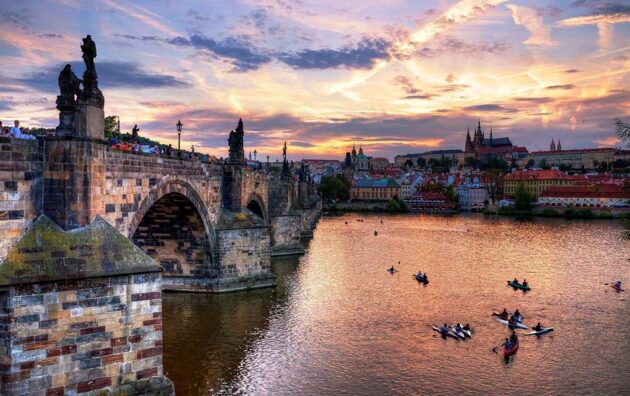
Discovering the Czech Republic
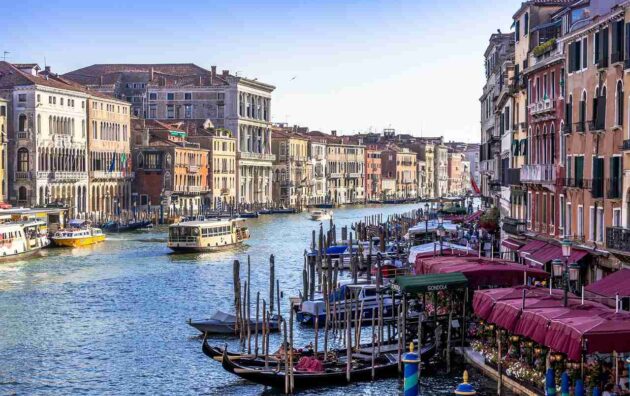
Discovering Venice

Milan Travel Guide