Discovering Italy
Destination Description
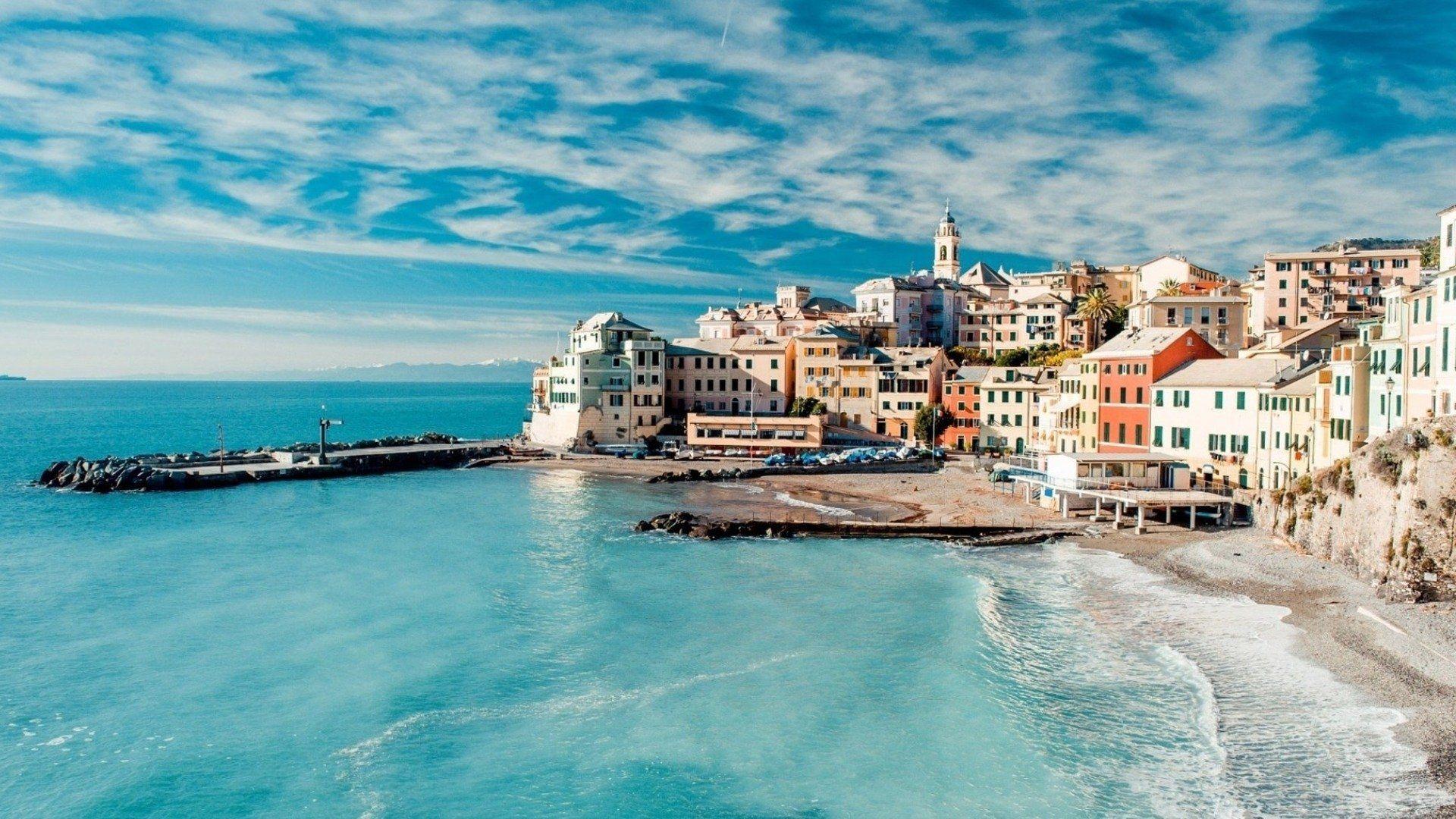
Italy, a timeless destination nestled in Southern Europe, offers an unforgettable travel experience with its rich history, world-renowned cuisine, charming cities, and diverse landscapes.
Whether you’re dreaming of exploring ancient ruins, savoring authentic pasta dishes, or cruising through the Tuscan countryside, Italy has something for every kind of traveler.
Historical Sites in Italy
Italy is a treasure trove of historical landmarks. From the Roman Empire to the Renaissance, the country is filled with iconic sites that speak to centuries of civilization and culture.
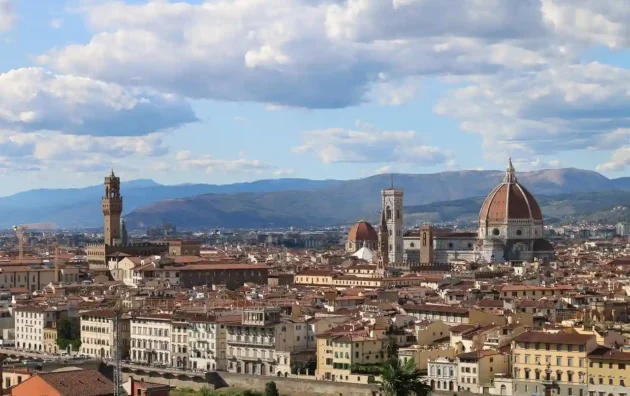
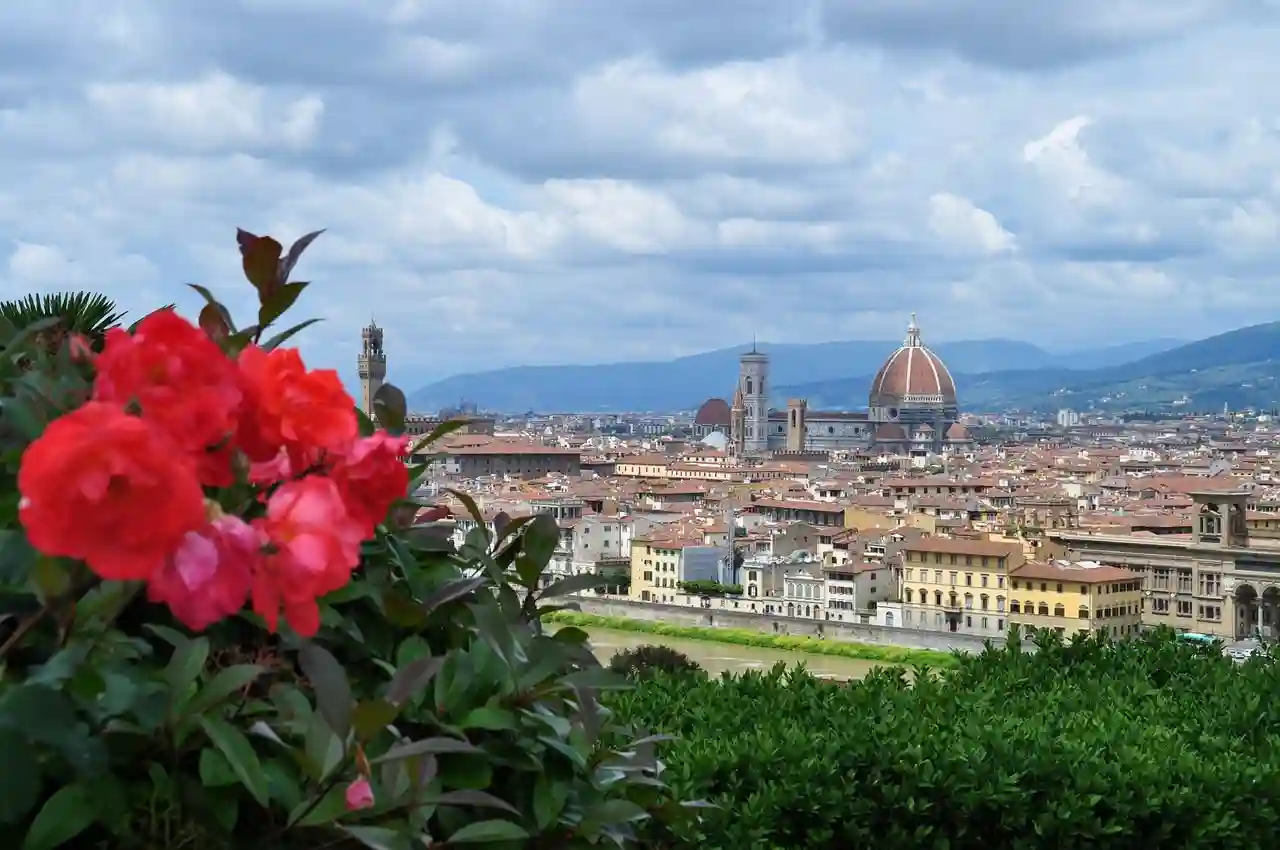
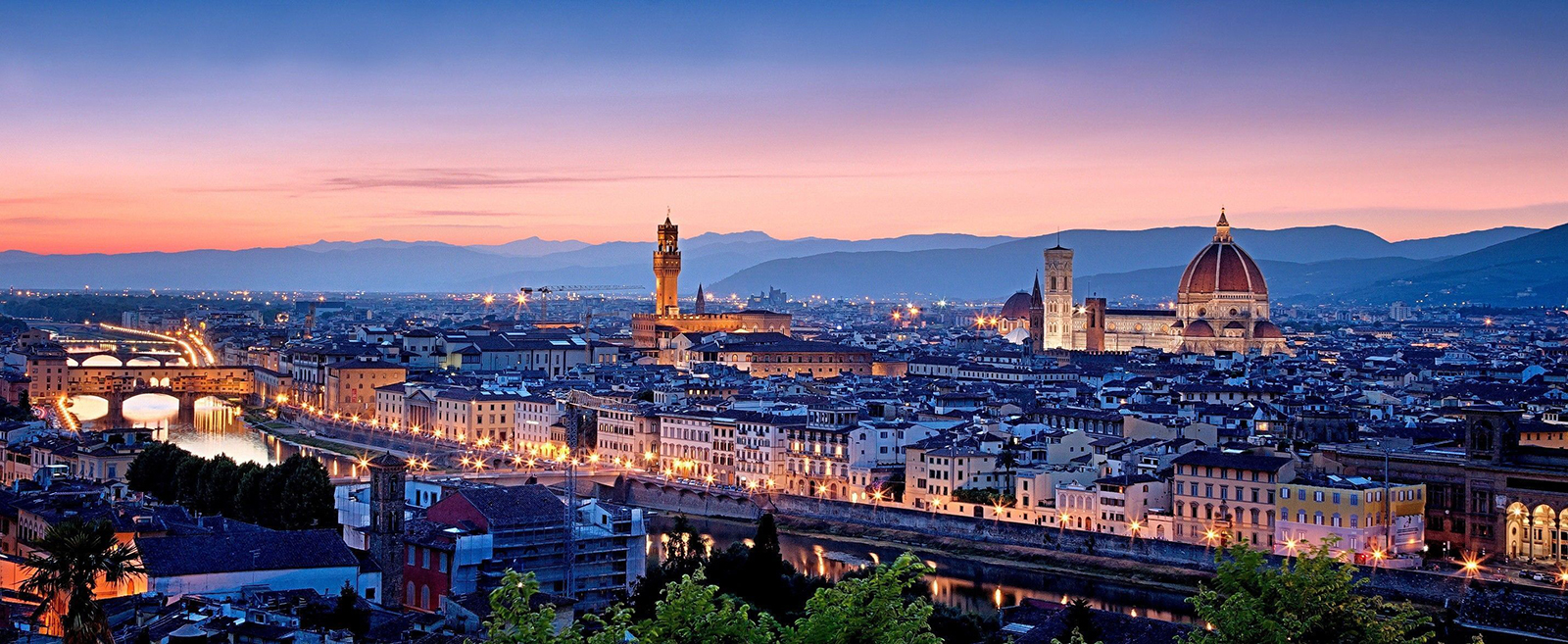
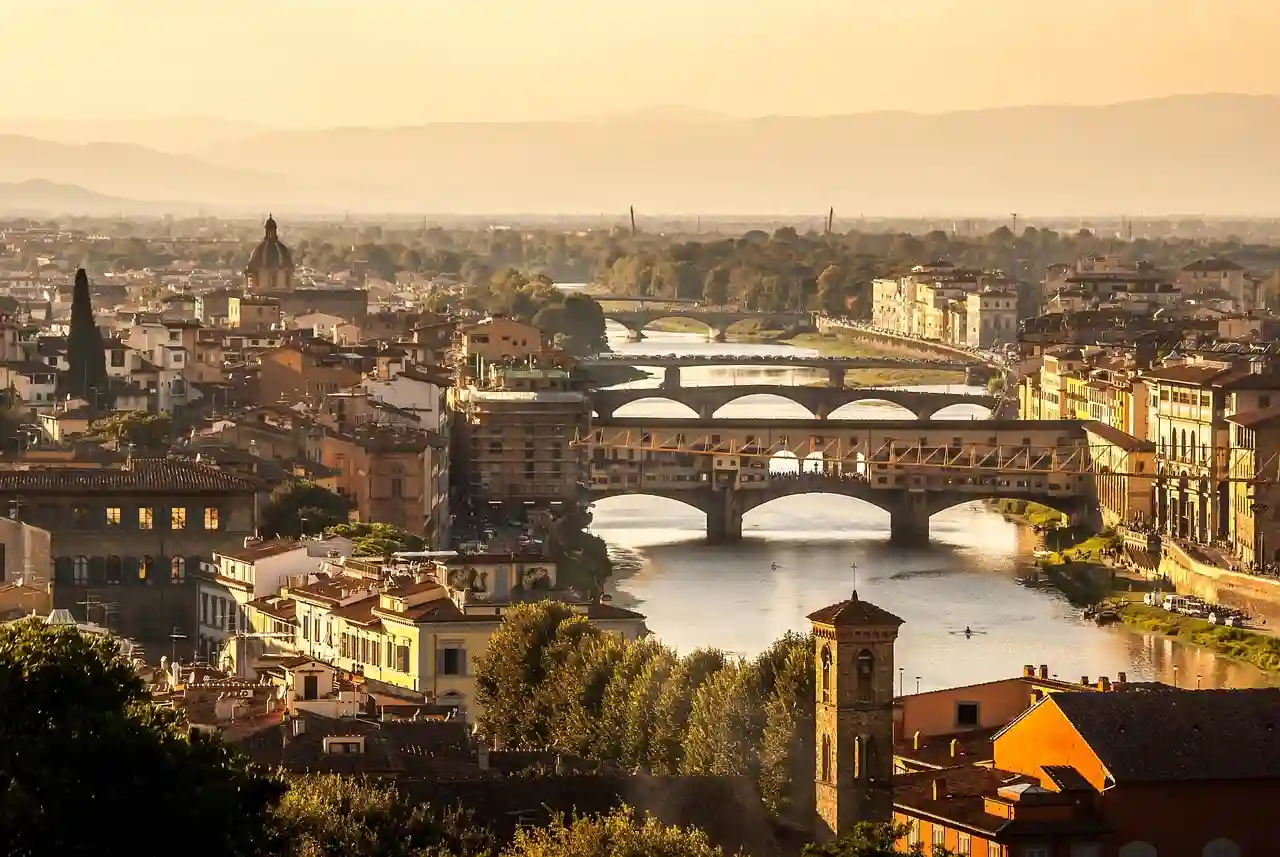
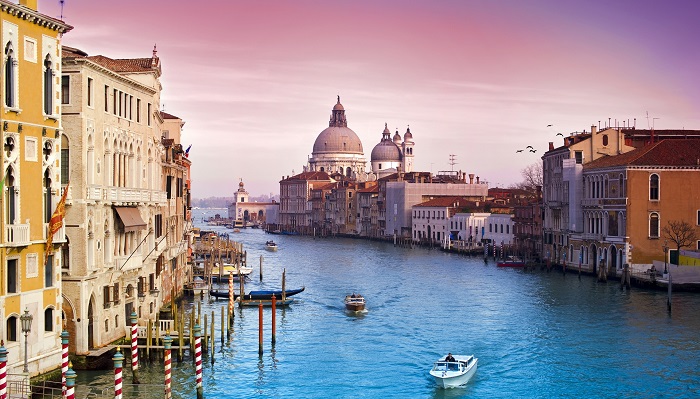
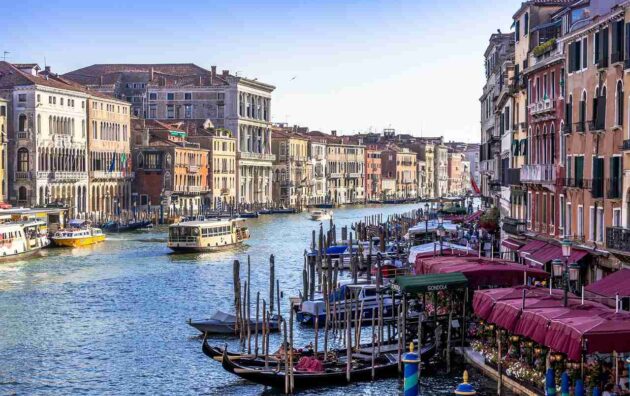
Rome, known as The Eternal City, is home to world-famous attractions such as the Colosseum, the Roman Forum, the Pantheon, and Vatican City with St. Peter’s Basilica and the Sistine Chapel. Florence, often called the birthplace of the Renaissance, features the majestic Duomo Cathedral, Uffizi Gallery, and Ponte Vecchio. Venice, with its winding canals and gothic architecture, offers a magical atmosphere with landmarks like St. Mark’s Basilica and the Doge’s Palace.
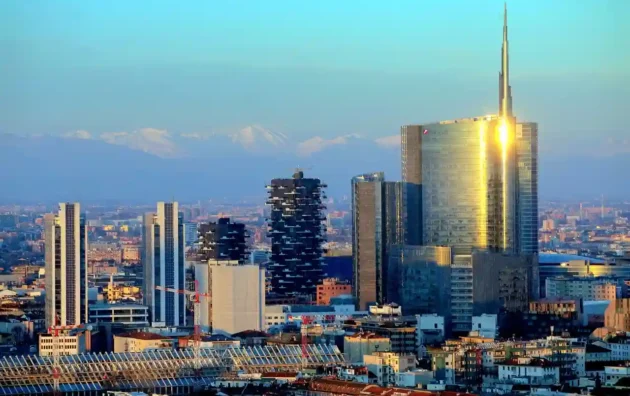
Other notable historic sites include the ancient cities of Pompeii and Herculaneum, frozen in time by the eruption of Mount Vesuvius, as well as castles, cathedrals, and archaeological sites in Milan, Naples, and Sicily.
Must-See & Must-Do
Accommodation in Italy
Italy offers a wide range of accommodation options to suit all budgets and travel styles. In major cities and tourist regions, you’ll find everything from luxury five-star hotels to cozy guesthouses.
For a premium experience, stay at iconic hotels like Hotel de Russie in Rome or the Belmond Hotel Caruso on the Amalfi Coast. Boutique hotels in Florence, Bologna, or Verona offer charming atmospheres and excellent service at a more affordable rate.
Budget-conscious travelers will find hostels, bed and breakfasts, and Airbnbs available throughout the country.
If you want a unique and authentic experience, consider staying in a countryside villa in Tuscany, a traditional trullo house in Puglia, or an agriturismo (farm stay) for a taste of rural Italian life.
Italian Cuisine: What to Eat and Drink
Food is a central part of Italian culture, and every region boasts its own culinary specialties. From street food to fine dining, Italian cuisine never disappoints.
In the north, you’ll find creamy risottos in Milan, polenta dishes in Veneto, and rich truffle-infused plates in Piedmont. Central Italy is home to hearty and rustic fare — Tuscany’s famous bistecca alla fiorentina and Rome’s beloved pasta dishes like carbonara, cacio e pepe, and amatriciana are must-tries.
Southern Italy is all about bold flavors and fresh ingredients. Naples is the birthplace of pizza, while Sicily is known for its sweets like cannoli, cassata, and refreshing granita.
Pair your meals with local wines such as Chianti, Barolo, or Prosecco. Don’t forget to enjoy Italy’s coffee culture with a morning cappuccino or post-meal espresso, and treat yourself to authentic Italian gelato.
Getting Around Italy
Italy has a well-developed transportation system that makes it easy to explore the country efficiently and affordably.
High-speed trains, operated by Trenitalia and Italo, connect major cities like Rome, Milan, Florence, Venice, and Naples, making train travel the most convenient option for tourists. In cities, public transportation includes buses, trams, and metro systems.
For those wanting to explore the countryside or coastal areas like the Amalfi Coast or the Dolomites, renting a car provides flexibility and scenic driving routes. Domestic flights are available but often unnecessary due to the excellent rail network.
Many Italian cities are also very walkable, and bike rentals are increasingly common, especially in cities like Florence, Bologna, and Ferrara.
Italy's Climate and the Best Time to Visit
Italy enjoys a Mediterranean climate, but weather can vary significantly by region and season. Coastal areas tend to be warmer and sunnier, while inland and mountainous regions can be cooler or snowy in winter.
Spring (April to June) is one of the best times to visit Italy, with mild temperatures and blooming landscapes. Summer (July to August) is hot and crowded, particularly in tourist-heavy destinations, but perfect for beachgoers and festivals.
Autumn (September to October) is ideal for wine lovers and food festivals, offering comfortable weather and fewer crowds. Winter (November to March) is low season, with lower prices and fewer tourists, though it’s also the best time for skiing in the Alps and visiting museums without lines.
Similar Listing
Toulouse Travel Guide

Strasbourg Travel Guide
Lyon Travel Guide
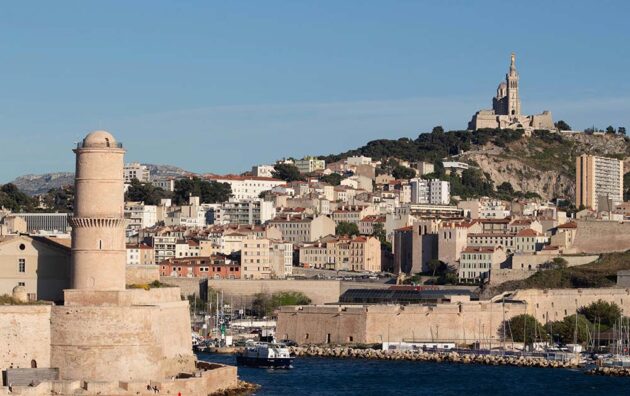
Marseille Travel Guide

Paris Vacation Guide
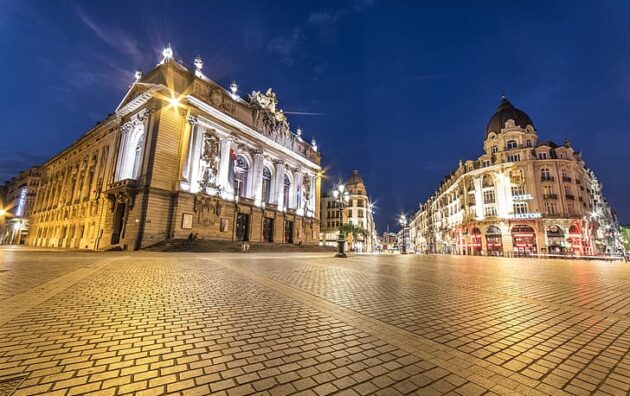
Lille Vacation Guide

France Travel Guide
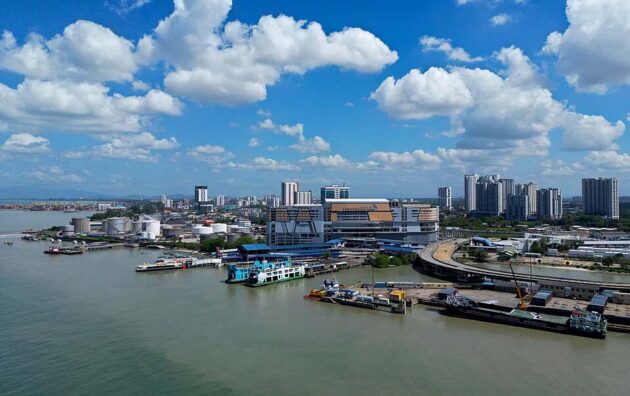
Seberang Perai Vacation Guide
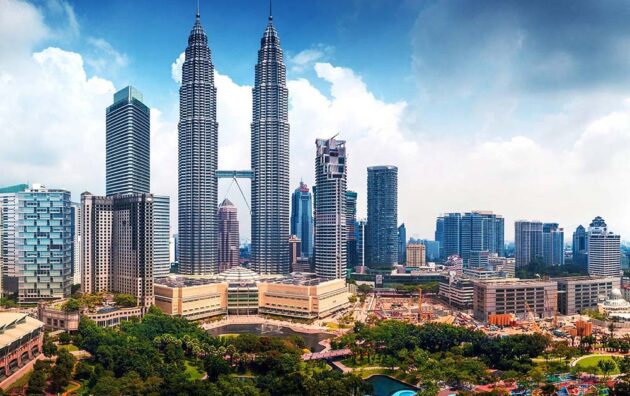
Malaysia Vacation Guide
Liverpool Travel Guide
Norway Travel Guide

Santo Domingo Travel Guide

Discover the Dominican Republic
Discovering Brno
Exploring Prague
Discovering the Czech Republic
Discovering Venice
Milan Travel Guide