Santiago de Cuba Travel Guide
Destination Description
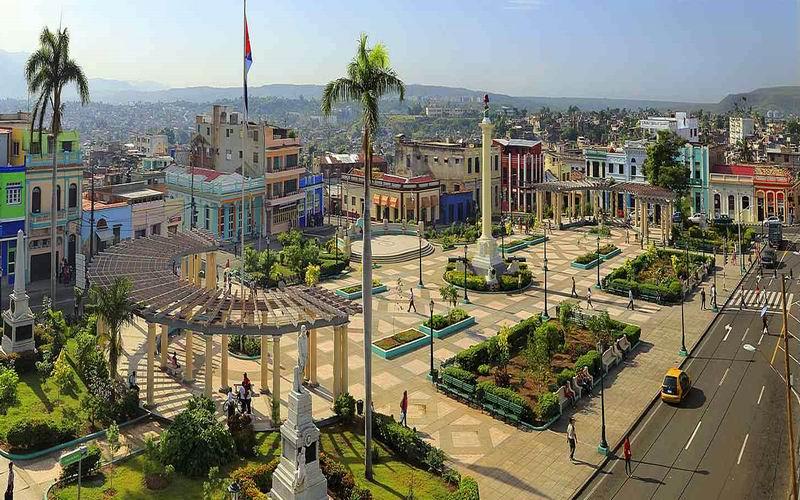
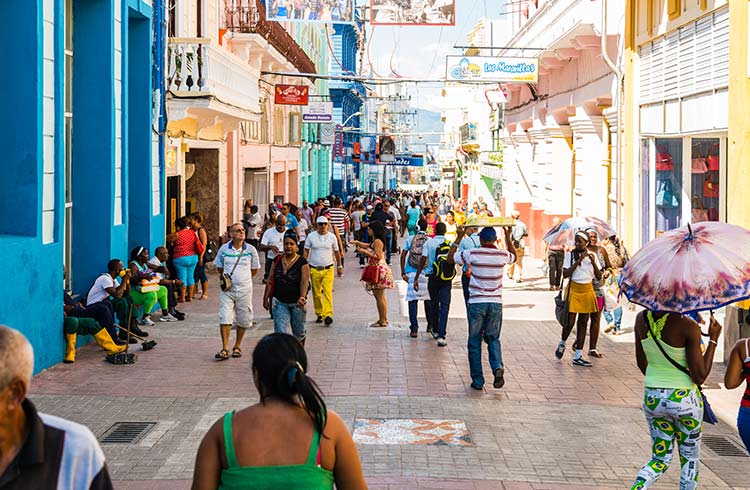
Santiago de Cuba, the second-largest city in the country, is often called the Caribbean capital of Cuba. With its mix of colonial heritage, Afro-Cuban rhythms, and revolutionary history, the city offers a very different experience from Havana. Nestled between the Sierra Maestra mountains and the Caribbean Sea, it is a place where music fills the streets, history lives in every square, and festivals light up the nights.
History of Santiago de Cuba
Founded in 1515 by Spanish conquistador Diego Velázquez, Santiago de Cuba was the island’s first capital and an important colonial port. The city played a central role in the slave trade, which gave rise to its rich Afro-Cuban traditions and cultural diversity.
It has long been a cradle of Cuban music, producing genres such as son cubano and trova, and it also holds a key place in the nation’s independence struggles and the Cuban Revolution. Fidel Castro declared victory here in 1959, cementing its status as a symbol of change and resistance.
Attractions in Santiago de Cuba
Exploring Santiago de Cuba means discovering both history and culture. The imposing Castillo del Morro, a UNESCO World Heritage fortress, guards the bay and offers some of the best sunset views in Cuba. In the city center, Parque Céspedes is the beating heart of Santiago, surrounded by the cathedral and colonial mansions.
The historic Santa Ifigenia Cemetery is another must-see, as it is the resting place of José Martí, Fidel Castro, and many revolutionary figures. For those who love music, the famous Casa de la Trova is the soul of Santiago’s nightlife, where traditional son and salsa are performed daily.
Santiago de Cuba is a city of passion, rhythm, and resilience. Its history is carved into its streets, its music is felt in every corner, and its festivals are among the most colorful in the Caribbean.
Must-See & Must-Do
Culture and Festivals in Santiago de Cuba
What makes Santiago de Cuba truly unique is its vibrant Afro-Cuban culture and its legendary festivals.
The city is home to Cuba’s most famous carnival, held every July, with parades, dazzling costumes, and infectious rhythms that keep the streets alive day and night. Another highlight is the Festival del Caribe, which gathers artists and performers from across the Caribbean. Music is at the core of daily life in Santiago, and many legendary Cuban musicians, including Compay Segundo and Ibrahim Ferrer, trace their roots back to this city.
Food and Accommodation in Santiago de Cuba
The culinary scene in Santiago de Cuba reflects its Caribbean spirit. Visitors can enjoy traditional dishes like arroz con pollo, lechón asado, and a variety of fresh seafood.
Local rum and cocktails, especially the mojito, are popular companions to the lively atmosphere. When it comes to accommodation, the city offers a range of options.
Luxury seekers can stay at Hotel Meliá Santiago de Cuba, while those looking for historic charm often choose Hotel Casa Granda overlooking Parque Céspedes.
Budget travelers can opt for casas particulares, family-run guesthouses that provide an authentic Cuban experience.
Transportation and Climate in Santiago de Cuba
Getting around Santiago de Cuba is easy, as many attractions in the center are within walking distance.
Taxis, including the famous classic cars, are widely available, while bicitaxis offer a fun and affordable way to move around short distances.
The city is also connected to Havana and other destinations by bus, train, and domestic flights. Santiago enjoys a tropical climate, with warm temperatures throughout the year.
The dry season, from November to April, is the most comfortable for sightseeing, while the wet season, from May to October, brings higher humidity and occasional rain showers. July, however, is an unforgettable time to visit thanks to the carnival.
Similar Listing
Toulouse Travel Guide

Strasbourg Travel Guide
Lyon Travel Guide
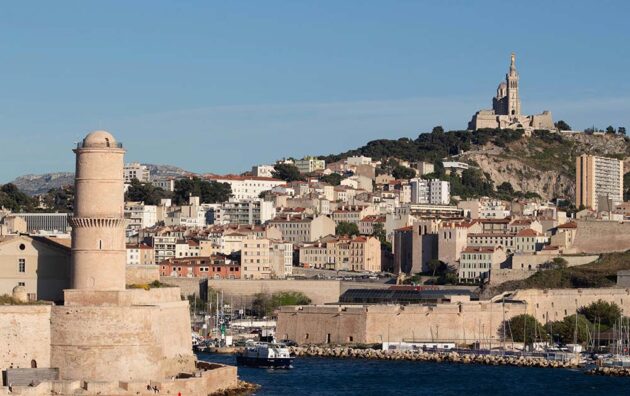
Marseille Travel Guide
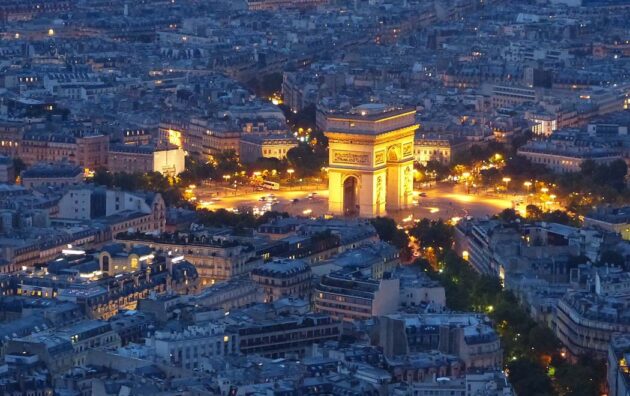
Paris Vacation Guide
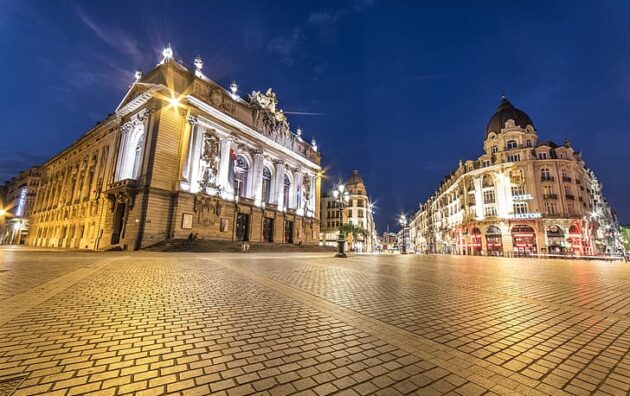
Lille Vacation Guide

France Travel Guide
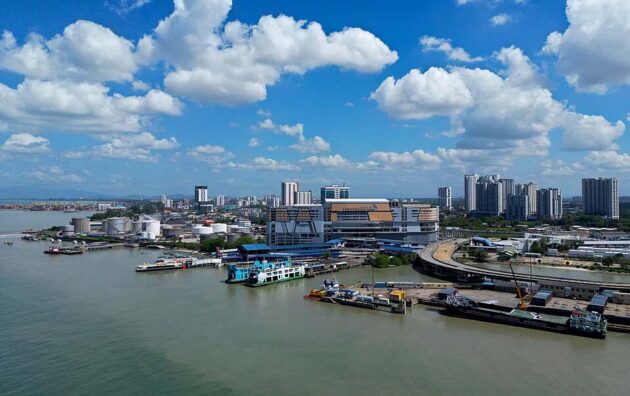
Seberang Perai Vacation Guide
Malaysia Vacation Guide
Liverpool Travel Guide
Norway Travel Guide
Santo Domingo Travel Guide
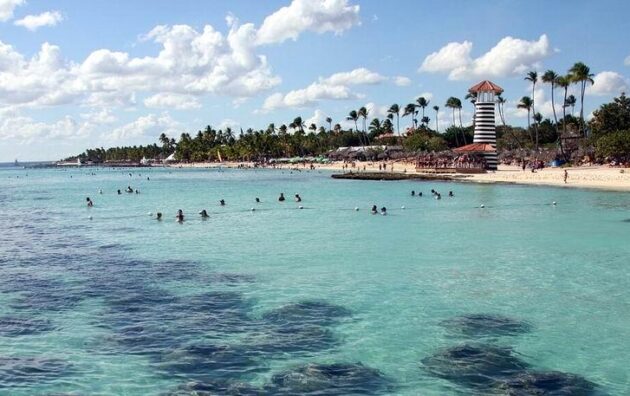
Discover the Dominican Republic
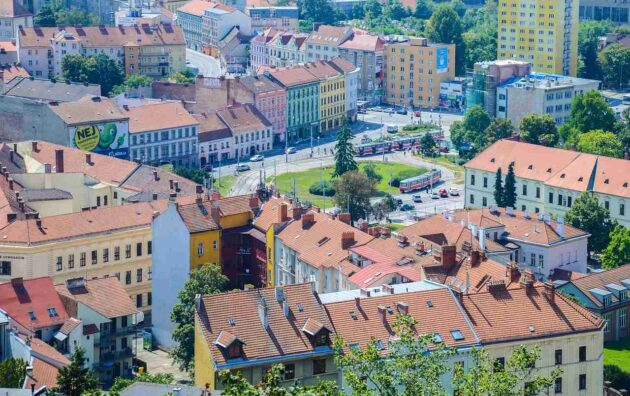
Discovering Brno
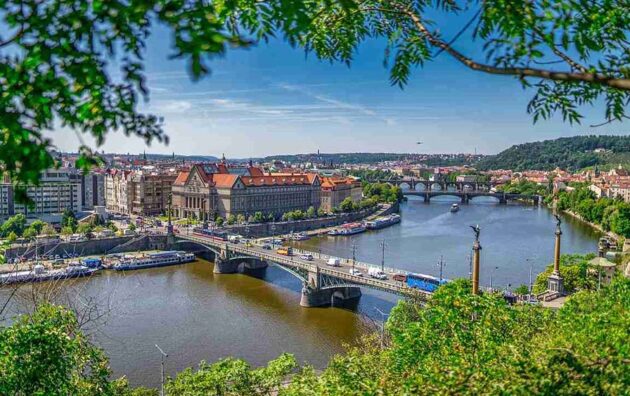
Exploring Prague
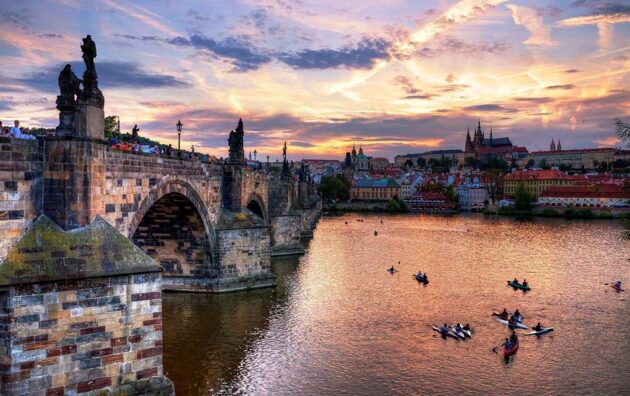
Discovering the Czech Republic
Discovering Venice
Milan Travel Guide