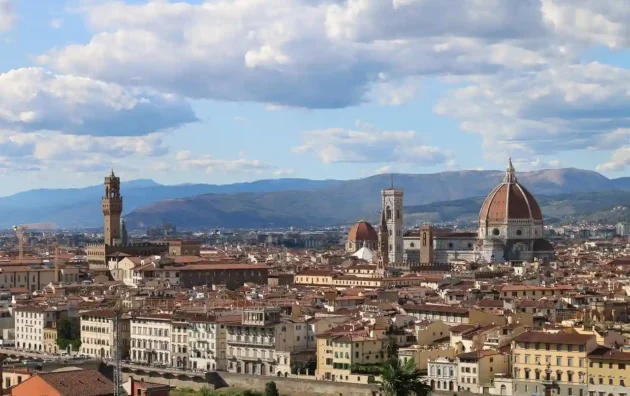
Ankara Travel Guide
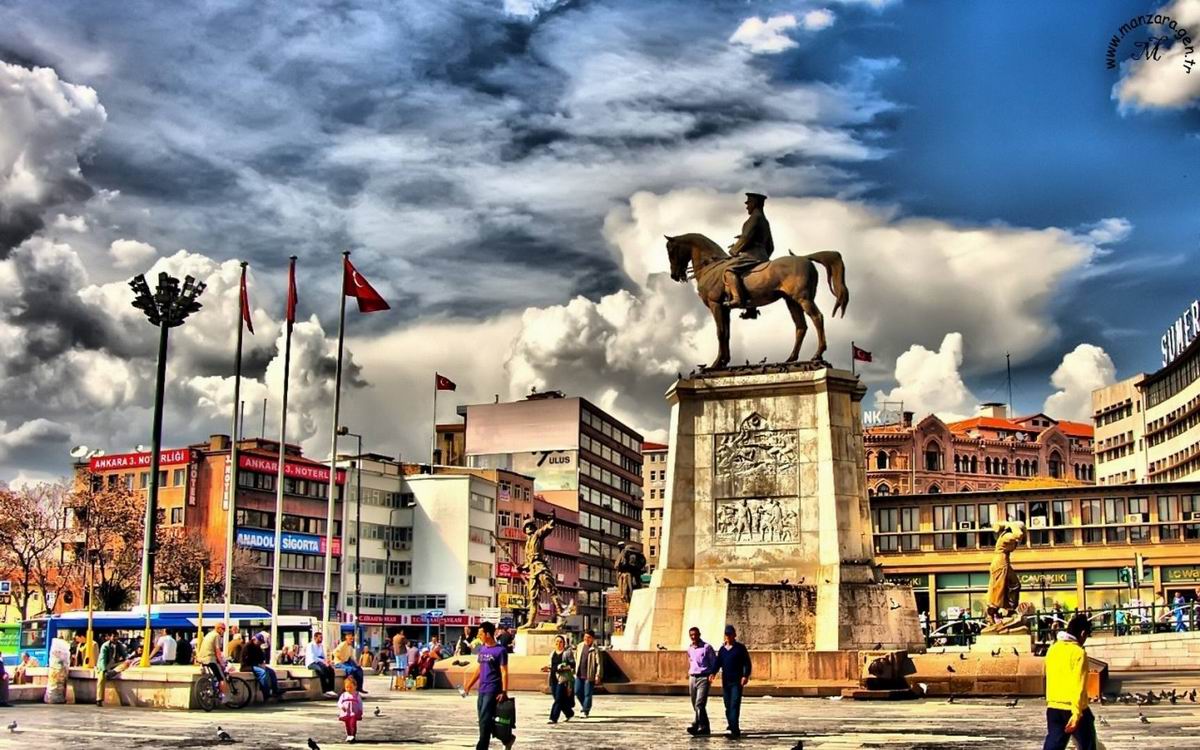
Destination Description
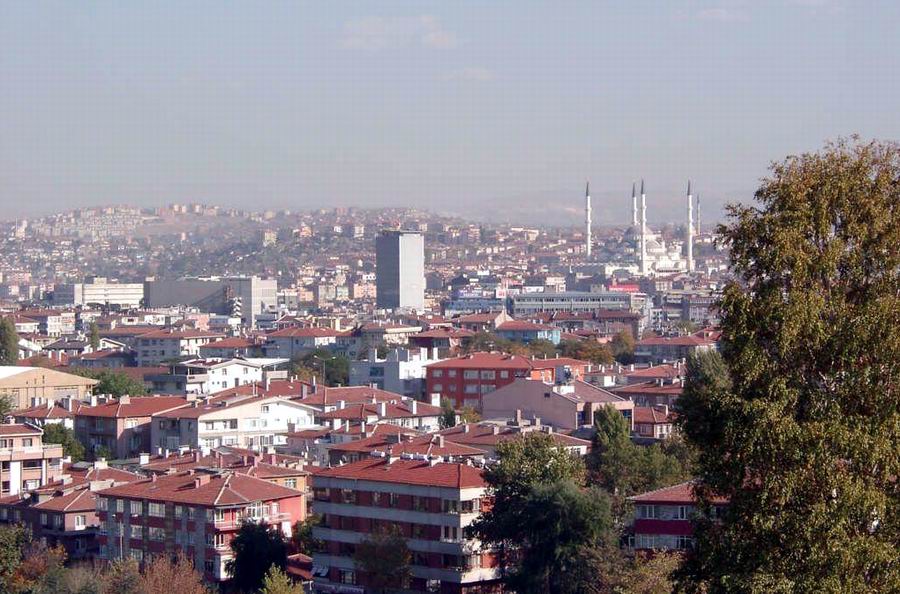
Ankara is the bustling capital of Turkey, located in the heart of Anatolia. It is a historically significant city, featuring Hattian, Hittite, Lydian, Phrygian, Galatian, Greek, Persian, Roman, Byzantine, and Ottoman archaeological sites.
It is home to a large population of government workers and university students, making it a vibrant destination for travelers.
From its ancient history to its modern-day attractions, Ankara has something for everyone. Whether you’re looking for a relaxing vacation or an educational experience, this city has it all.
From historical monuments to museums and parks, Ankara offers plenty of sights to explore. There are also many restaurants and cafes offering traditional Turkish cuisine as well as international flavors.
Whether you’re planning a weekend getaway or an extended stay in Ankara, there’s plenty to see and do in this vibrant city.
With its rich culture and vibrant atmosphere, Ankara is sure to provide an unforgettable travel experience!
Must-See Attractions in Ankara
–Museum of Anatolian Civilizations: A world-renowned museum showcasing artifacts from prehistoric times to the Ottoman era.
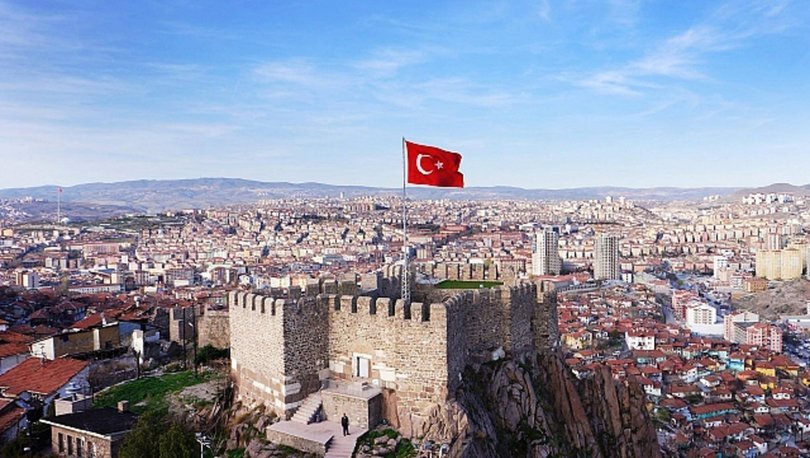
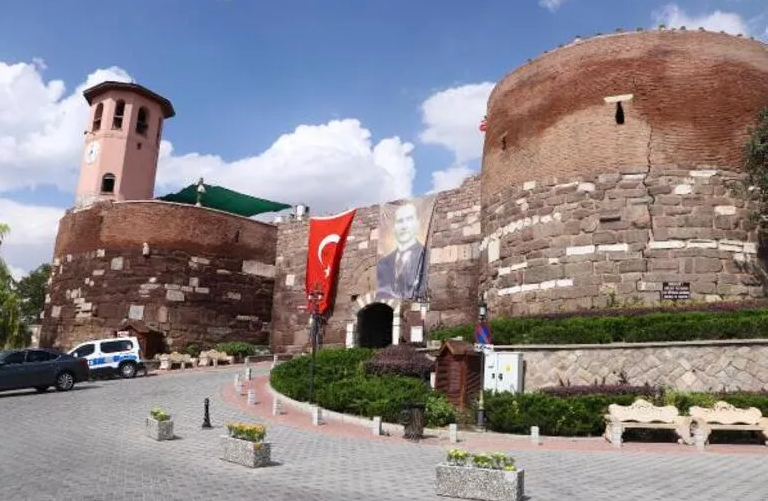
–Ankara Castle: A fortress with sweeping views of the city and centuries of history behind its walls.
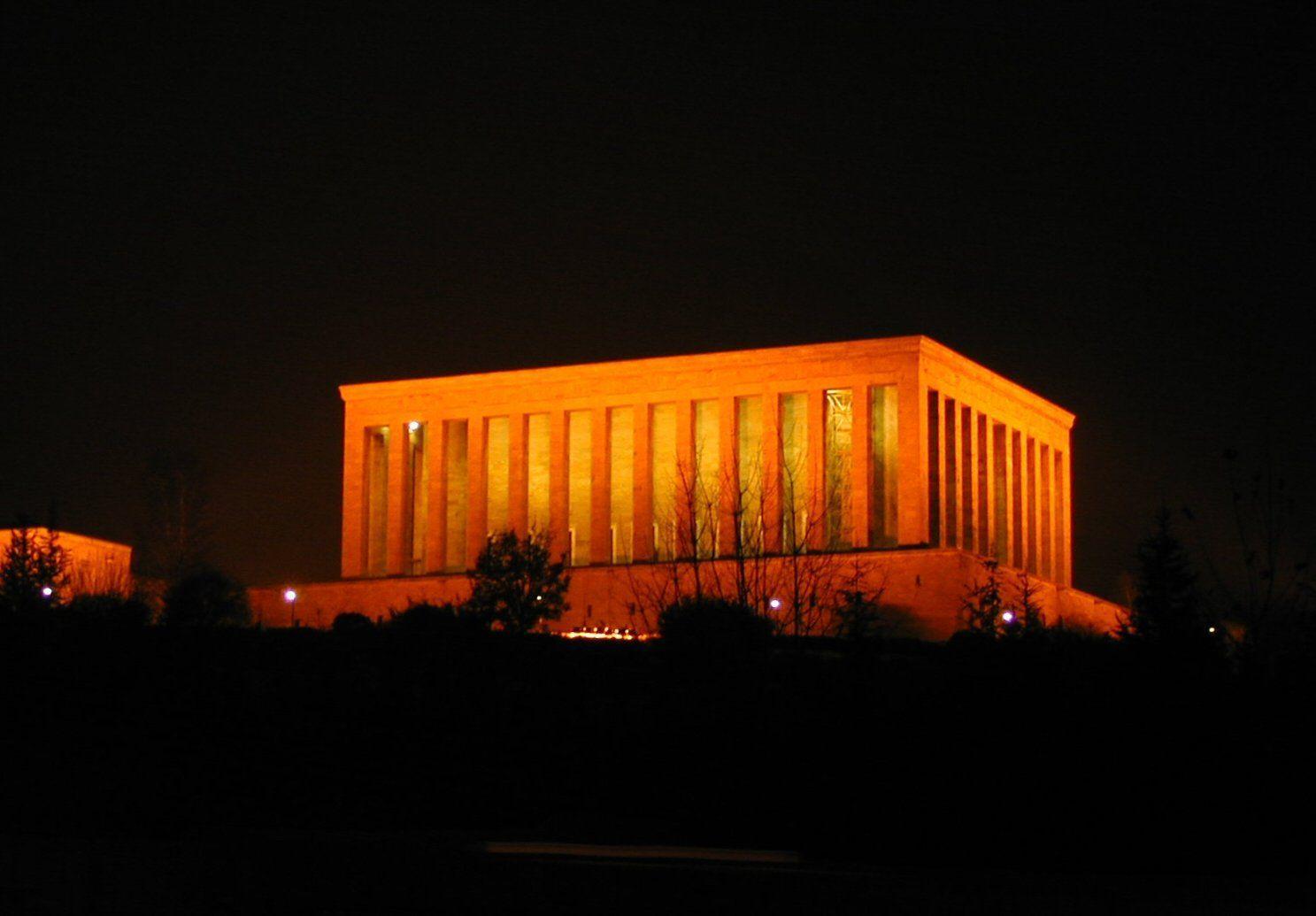
-Anıtkabir: The mausoleum of Mustafa Kemal Atatürk, founder of the Turkish Republic—an architectural and cultural landmark.
-Hacı Bayram-ı Veli Mosque & Complex: A spiritual and historical center next to the remains of the Roman Temple of Augustus.
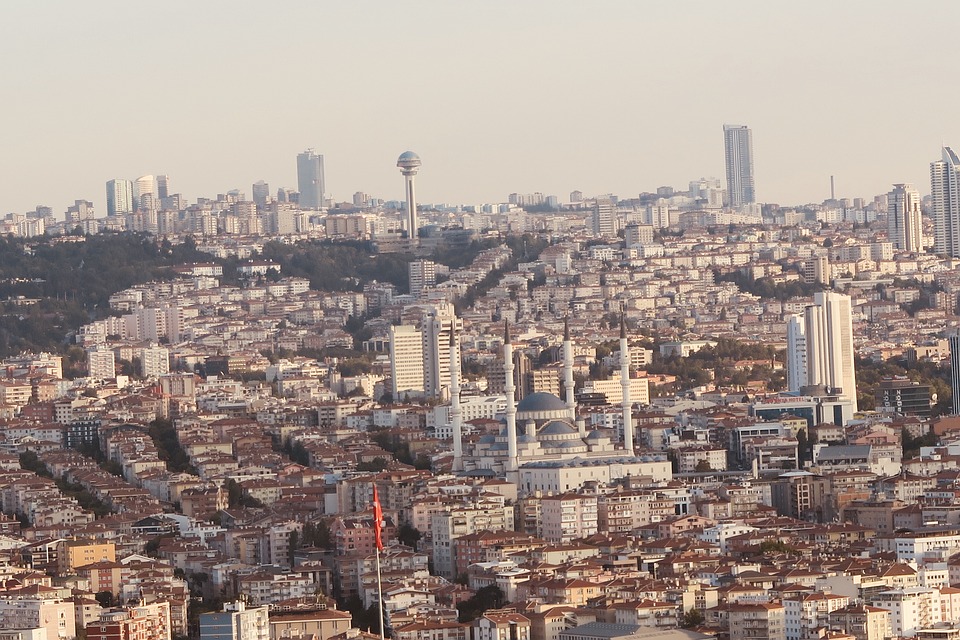
–Kocatepe Mosque: One of the largest mosques in Turkey, admired for its grandeur and Ottoman-inspired design.
–Hamamönü: A beautifully restored neighborhood where Ottoman architecture, traditional shops, and cultural events bring history to life.
Museums & Culture
-Ankara is home to a rich collection of museums that reflect Turkey’s diverse heritage:
-Ethnography Museum: Celebrating Turkish traditions, handicrafts, and folklore.
-State Art and Sculpture Museum: Housing works of modern Turkish artists alongside historical collections.
–Aviation Museum: Displaying historic aircraft and honoring Turkey’s aviation pioneers.
Climate & Best Time to Visit
-Spring (April–June): Pleasant weather, perfect for sightseeing.
-Autumn (September–October): Mild and colorful, ideal for exploring outdoor attractions.
-Summer: Hot and dry, but evenings are cooler.
-Winter: Cold with occasional snow, adding charm to the city’s historic sites.
Getting Around
-Metro & Buses: Efficient for reaching major districts and attractions.
-Taxis & Dolmuş: Affordable and convenient for shorter trips.
-Walking: Many neighborhoods, especially around Ulus, Kızılay, and Hamamönü, are best explored on foot.
Why Visit Ankara?
While it may not be as globally famous as Istanbul, Ankara offers a more authentic and less crowded Turkish experience. Its mix of ancient history, cultural richness, modern energy, and warm hospitality makes it an unforgettable stop on any Turkey itinerary.
Must-See & Must-Do
History of Ankara
Ankara was a small town of few thousand people, mostly living around Ankara Castle, in the beginning of the 20th century.
The fate of the city has changed, when Mustafa Kemal Atatürk and his friends made Ankara the center of their resistance movement against the Allies in 1920, and established a parliament representing the people of Turkey, against the Allies’ controlled Ottoman Government in the occupied Istanbul of post World War I.
Upon the success of the Turkish War of Independence, the government in Istanbul and the empire is abolished by the Grand National Assembly of Turkey in Ankara in 1923, and the Republic of Turkey is established. When you look at the modern Ankara of 5 million people today, almost all you see is built afterwards.
This doesn’t mean that Ankara does not have history. Located in the center of Anatolia, Ankara’s history goes back to second millennium BC. Footsteps of Hittites, Phrygians, Lydians, Persians, Greeks, Galatians, Romans, Byzantines and the Turks are still present.
The name Ankara is originated from the Celtic word of Ancyra, meaning Anchor. The original reason of the use of the name anchor in an inland city is not certainly known, but there are several different myths. King Midas, whose touch has turned everything into gold in the mythology, is buried in the ancient site of Gordion, in suburban Ankara.
If you are traveling through Ankara’s Esenboga Airport, look to the wide fields around. This is where Timur the Lane defeated Ottoman sultan Bayezid I in 1402, on the great Battle of Ankara. The district of Esenboga keeps its name since then, as one of Timur’s famous generals and the commander of his famous elephant fleet “Isin Boga” has set his base here.
Ankara is recaptured by the Ottomans in 1403, and remained under Turkish control since then.
Ankara Climate
Ankara, the capital of Turkey, has a cold semi-arid climate.
The city experiences hot summers and cold winters, with temperatures ranging from -8°C to 38°C.
Under the Trewartha climate classification, Ankara has a temperate humid continental climate with four distinct seasons. The summers are dry and hot while the winters are cold and wet. Precipitation is low throughout the year, with an average annual rainfall of around 500mm.
Transportation Information for Travelers in Ankara
Ankara, the capital of Turkey, is a vibrant city where modern life blends with deep-rooted history. While it may not be as bustling as Istanbul, the city offers an efficient and convenient transportation network that makes getting around relatively easy for both locals and visitors.
Public Transportation in Ankara
Metro and Ankaray
Ankara’s metro system is clean, affordable, and reliable. It consists of several lines that connect key districts, including Kızılay (the central hub), Ulus, Batıkent, and Çayyolu. The Ankaray light rail system complements the metro, linking the intercity bus terminal (AŞTİ) with central areas. For most travelers, the metro is the fastest way to move around the city.
Operating Hours: 6:00 AM – Midnight.
Tickets: Rechargeable smartcards (Ankarakart) can be purchased and used across all public transport.
Buses
Ankara has an extensive public bus network run by EGO, serving almost every district. While they are economical, buses can get crowded during rush hours. For longer stays, buses are a practical way to reach neighborhoods not directly connected to the metro.
Taxis and Ride-Hailing
Taxis are widely available in Ankara and are generally safe. They operate with meters, but it’s still a good idea to confirm that the driver turns it on. Compared to Western Europe, taxi fares are relatively affordable.
Additionally, ride-hailing apps like BiTaksi and Martı provide convenient alternatives, allowing you to book a ride with transparent pricing.
Walking and Cycling
Ankara’s central districts, such as Kızılay, Ulus, and Tunali Hilmi Street, are walkable, with plenty of shops, cafés, and cultural sites. However, the city is built on hilly terrain, so be prepared for some uphill walks.
Cycling is growing in popularity, with bike lanes and rental options available in some areas, but it’s not yet as developed as in European capitals.
Intercity Connections
Ankara is also a transport hub for travelers exploring other parts of Turkey.
High-Speed Trains (YHT): Connect Ankara with Istanbul, Konya, and Eskişehir in just a few hours.
Bus Terminal (AŞTİ): One of Turkey’s largest, offering connections to almost every city in the country.
Esenboğa Airport: Located about 28 km from the city center, with Havaş shuttle buses and taxis providing easy access.
Tips for Travelers
Get an Ankarakart for seamless use of buses, metro, and Ankaray.
Avoid rush hours (7:30–9:00 AM and 5:00–7:00 PM) when using public transport.
If staying in the city center, walking combined with short metro rides is the most efficient way to get around.
Must Eat İn Ankara
Ankara is best known with its "döner kebap". In order to pick a good döner restaurant (there are many) you should take a look at the döner round. it should be rectangular and the cuts must be flat and separated. There are chicken and beef options, beef is the most famous one.
Like many other capitals, Ankara is where you can eat the best and the freshest fish of the country all around the year (not the cheapest, though). Around Sakarya str., there are various types of fish restaurants, from fast food to stylish ones and it can be a good opportunity to also try rakı, which is known as a companion of fish.
Besides many classic iskender kebab restaurants there are also many restaurant featuring the traditional cuisine of a specific city, catering to the community of more affluent immigrants: from the spicy Urfa to the variety of vegetables coming with Adana kebab. Uludag Kebabcisi on Denizciler Caddesi in Ulus has been around for about sixty years and is a top of the line restorant mainly serving Iskender kebap.
Kebaps and South Anatolian cuisine. Hacı Arif Bey, on Güniz sokak 48/1, is a well managed and delicious restaurant for savoring Gaziantep cuisine. A wealth of options are avaliable and prices are not very high. A person can eat well for around 30-40 TL. Also there are plenty of cheaper restaurant options in Kızılay and Maltepe, selling fast food or kebaps, döner, lahmacun. In Cankaya, Tunali, GOP region you may find various types of Turkish cuisine and luxurious restaurants where prices go higher.
Similar Listing
Toulouse Travel Guide
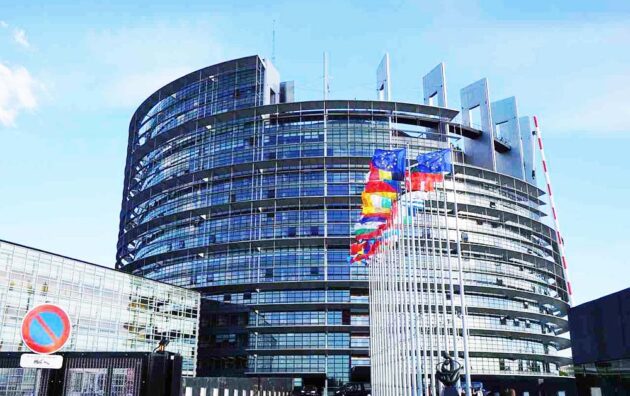
Strasbourg Travel Guide
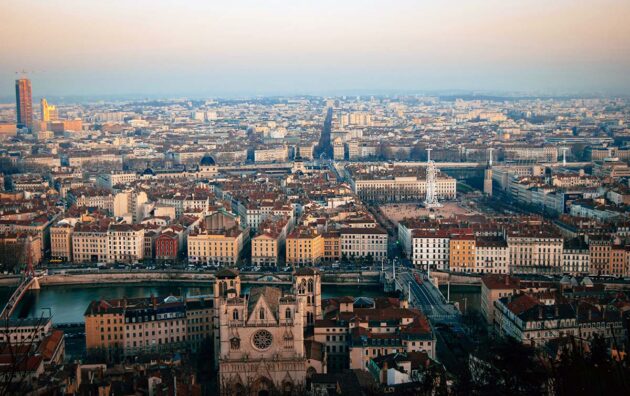
Lyon Travel Guide
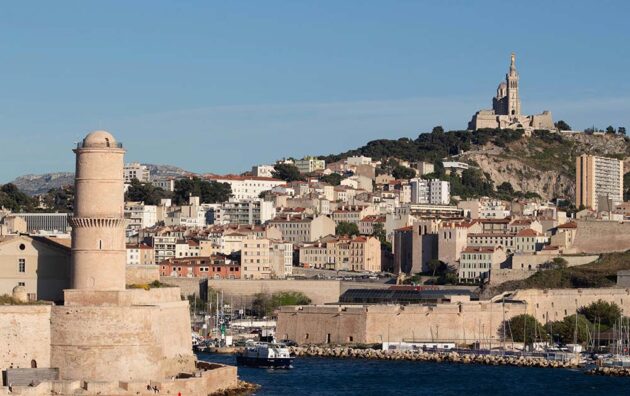
Marseille Travel Guide
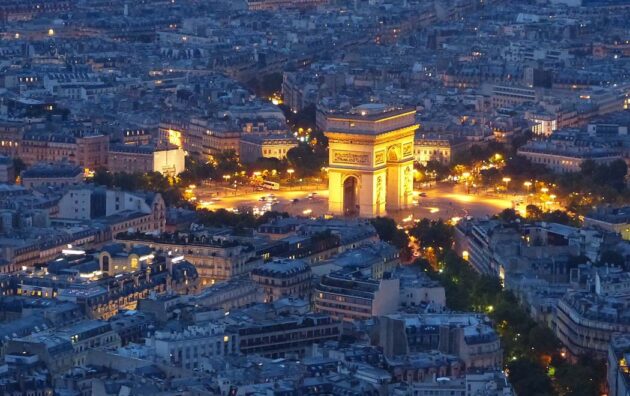
Paris Vacation Guide
Lille Vacation Guide
France Travel Guide
Seberang Perai Vacation Guide
Malaysia Vacation Guide
Liverpool Travel Guide
Norway Travel Guide
Santo Domingo Travel Guide
Discover the Dominican Republic
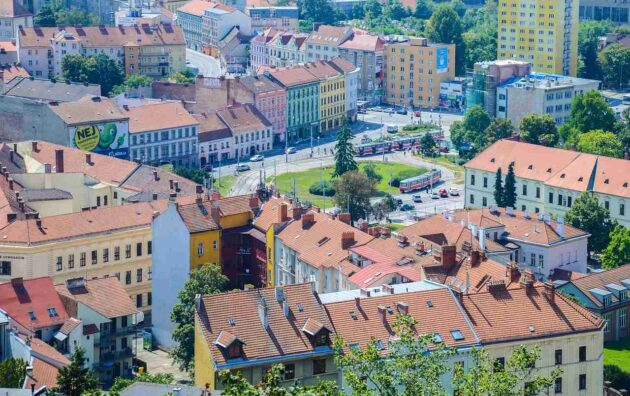
Discovering Brno
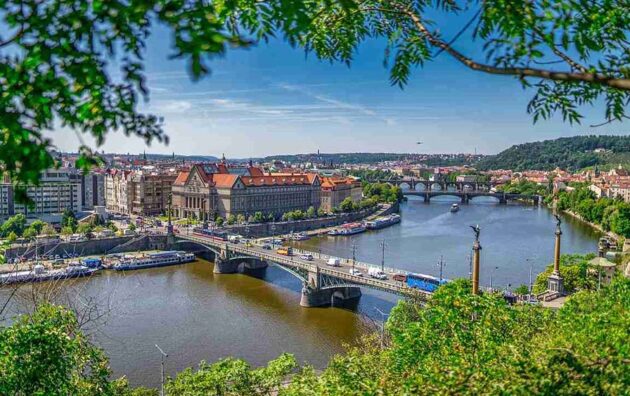
Exploring Prague
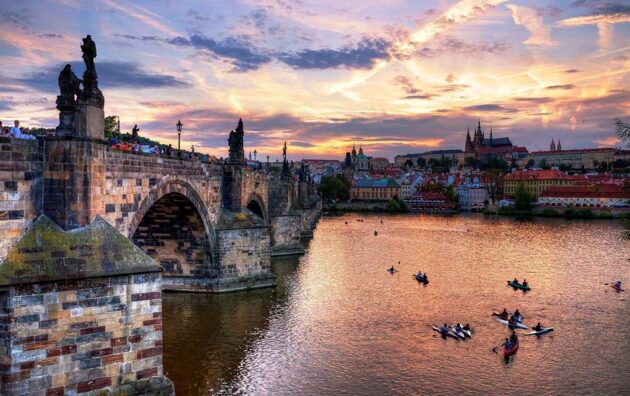
Discovering the Czech Republic
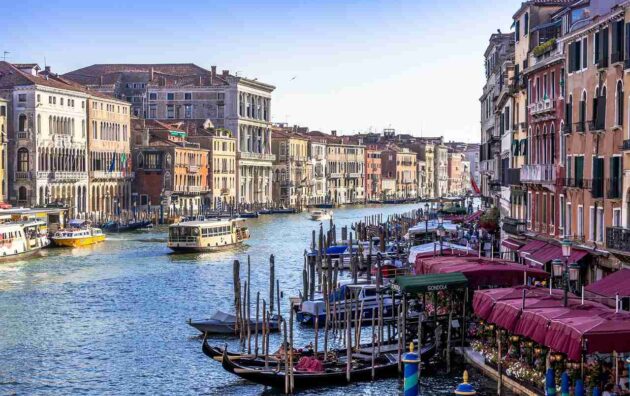
Discovering Venice
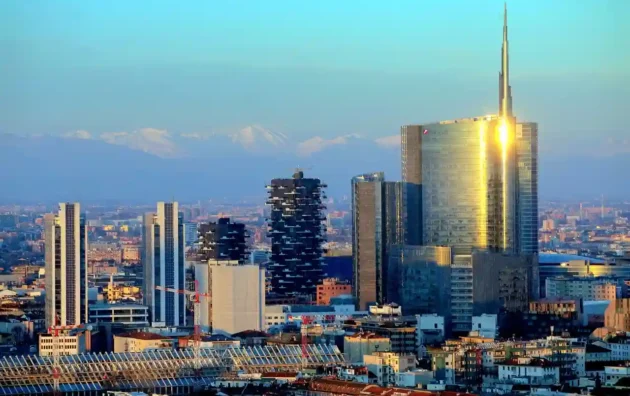
Milan Travel Guide